Explore the Map
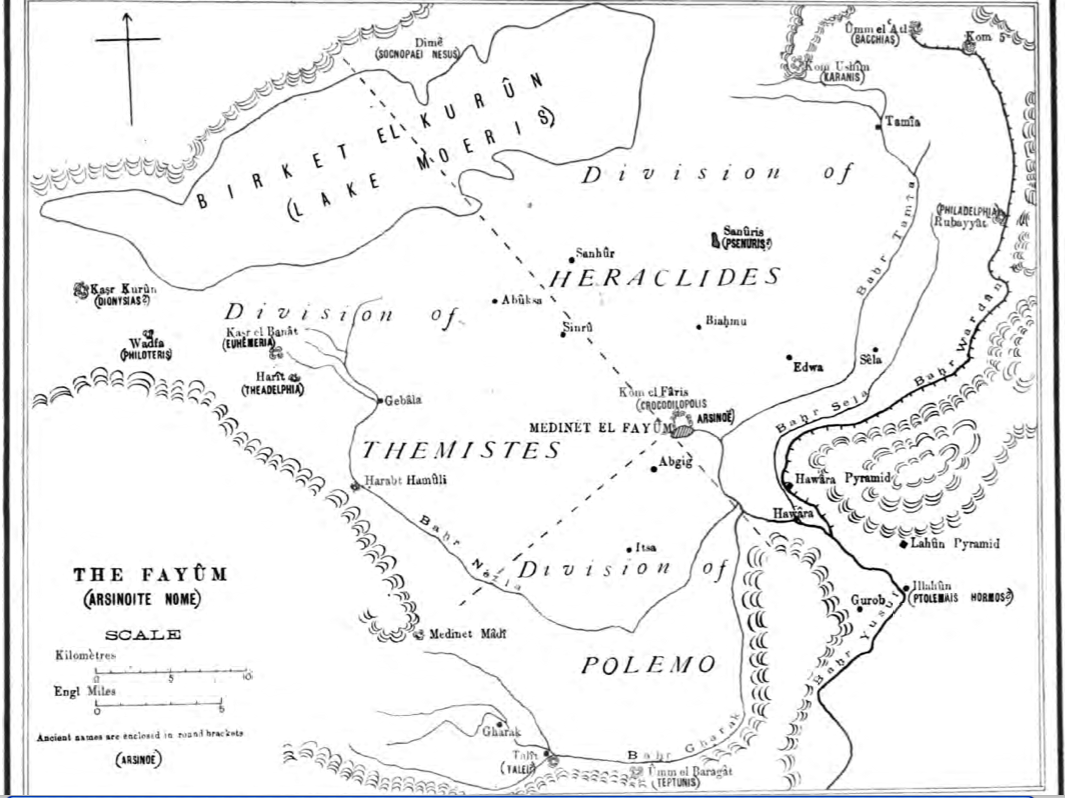
Karanis
29.5178° N, 30.9033° E
About
Karanis, an ancient town located in the Faiyum Oasis of Egypt, was established in the 3rd century BCE by Ptolemy II Philadelphus. The town, spanning approximately 60 hectares, reached peak prosperity under Roman rule when Augustus revitalized its agricultural landscape. Karanis is notable for its domestic structures, including houses and granaries, and its religious edifices, such as the South Temple dedicated to the crocodile gods Pnepheros and Petesouchos. Despite periods of economic stagnation in the late Roman Empire, recent findings suggest continuous habitation through the 6th century CE. The site provides valuable insights into the daily life of ordinary citizens in the Greco-Roman era, highlighted by the extensive papyri revealing tax records and local transactions.
Gallery
Explore photographs of ancient structures, artifacts, and archaeological excavations
Historical Timeline
Journey through time and discover key events in this site's history
Ptolemaic Town Established
3rd century BCE
South Temple Construction
1st century BCE
Augustus' Agricultural Revival
1st century BCE
Town Stagnation and Decline
Late 2nd century CE
Gradual Abandonment
7th century CE
Archaeological Features
Unique architectural and cultural elements found at this historical site
Storage Structures
Water Management Features
Religious and Ritual Structures
Domestic and Habitation Structures
Frequently Asked Questions
Plan Your Visit
Tours, travel arrangements, and practical information


More Sites in Egypt
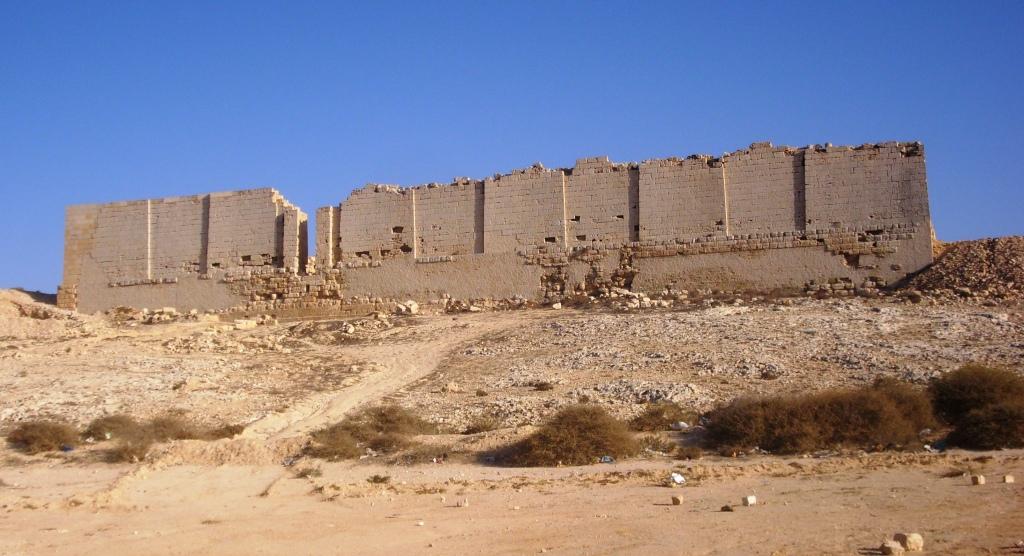
Taposiris Magna
Ancient city with temple and tombs
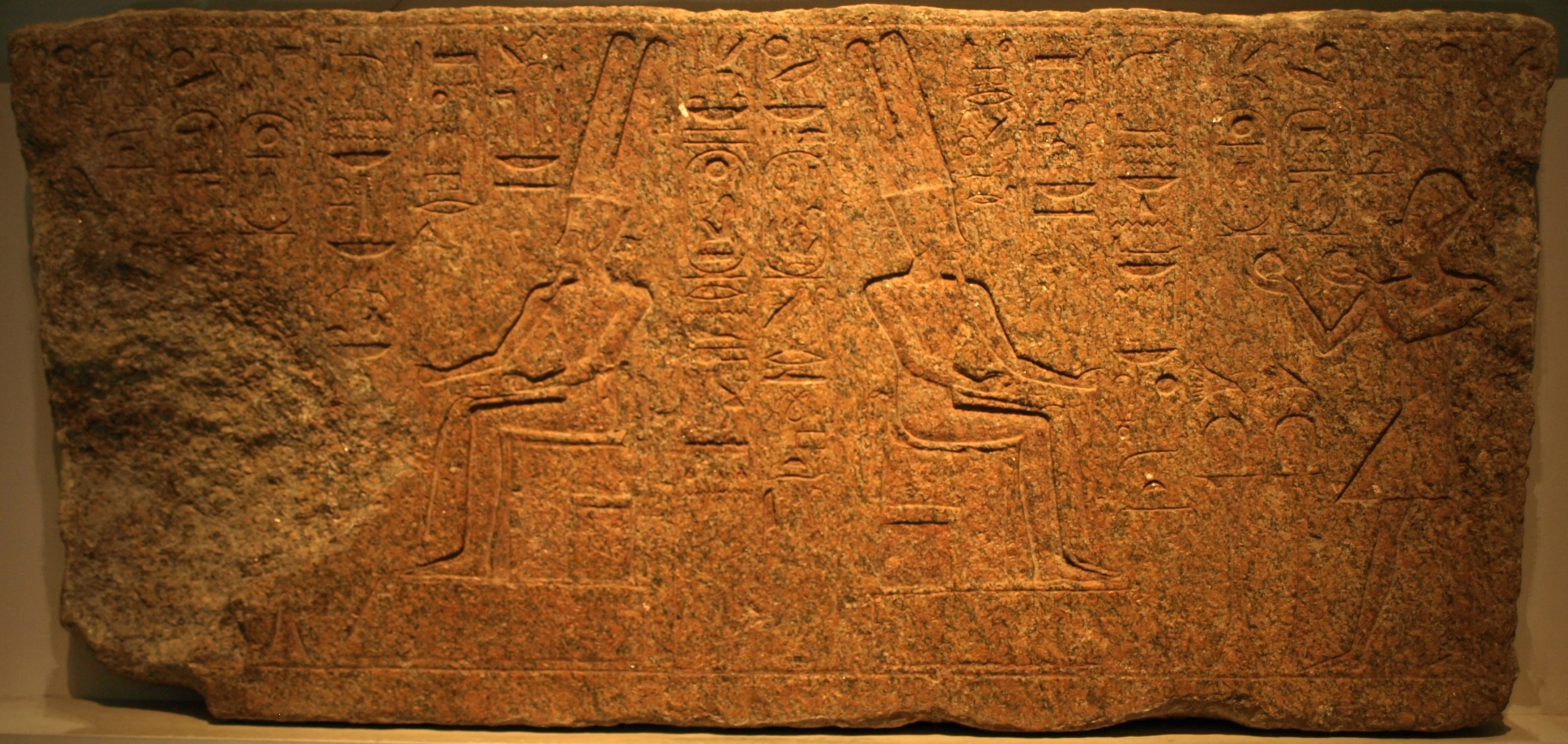
Bubastis
Ancient Egyptian city with Bastet temple
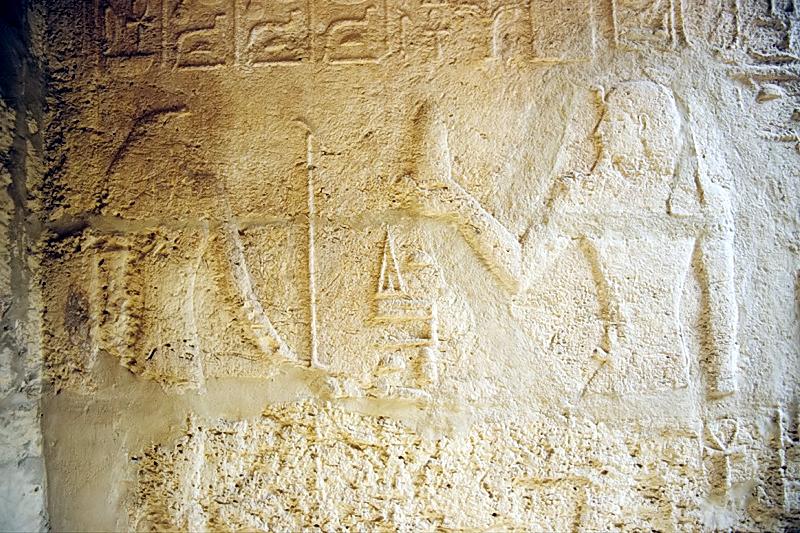
Medinet Madi
Greco-Roman town with Middle Kingdom temple
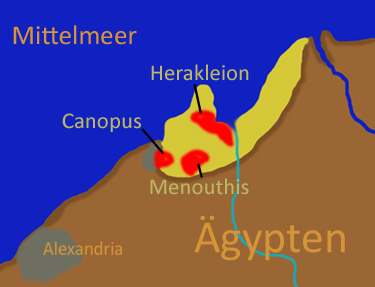
Canopus, Egypt
Submerged ancient Egyptian coastal town ruins
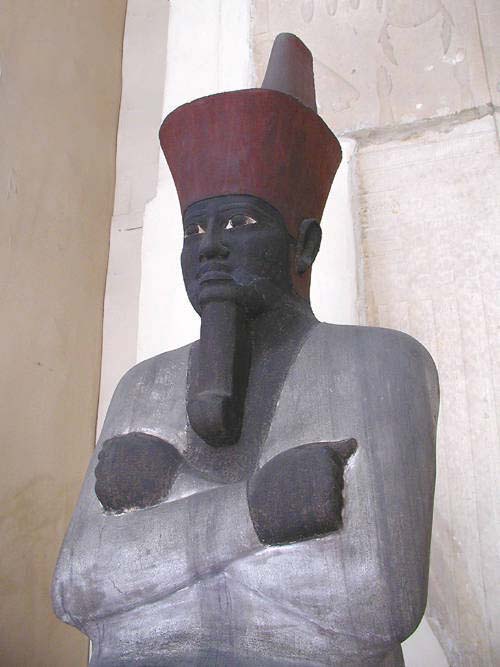
Thinis
Ancient Upper Egypt's undiscovered capital city.
Tarkhan (Egypt)
Ancient Egyptian necropolis with mastabas and tombs.