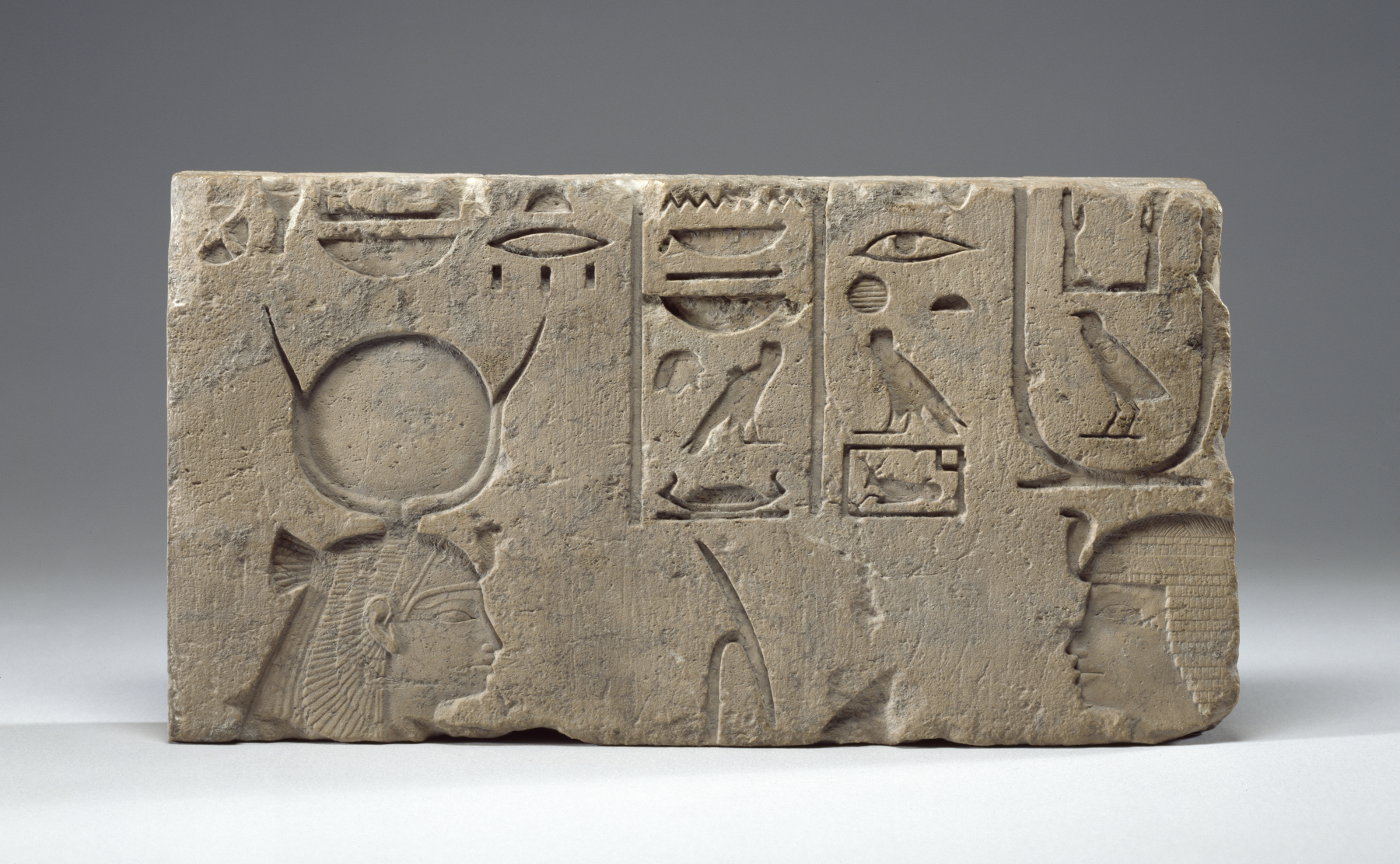
Explore the Map
Kom el-Hisn
30.7955° N, 30.6004° E
About
Kom el-Hisn is an archaeological site located in the Nile Delta, dating back to the Old Kingdom of Egypt and continuing through the Middle Kingdom. It is known for its religious significance related to the goddess Hathor, with a temple dedicated to Sekhmet-Hathor and various inscriptions referring to Hathor as the 'Mistress of Imu'. The site includes significant burial structures, including the Tomb of Khesuwer, and a large necropolis with over a thousand graves from the First Intermediate Period. Archaeological evidence suggests a focus on cattle transportation and religious activities, potentially serving as the former capital Yamu. Despite the loss of much of its excavation data, the site provides valuable insights into the religious and social dynamics of ancient Egypt.
Gallery
Explore photographs of ancient structures, artifacts, and archaeological excavations
Historical Timeline
Journey through time and discover key events in this site's history
Middle Kingdom Developments
2055 - 1650 BCE
First Intermediate Period Burials
2181 - 2055 BCE
Old Kingdom Settlement
2686 - 2181 BCE
Archaeological Features
Unique architectural and cultural elements found at this historical site
Burial and Funerary Structures
Religious and Ritual Structures
Artistic and Decorative Features
Domestic and Habitation Structures
Frequently Asked Questions
Plan Your Visit
Tours, travel arrangements, and practical information
More Sites in Egypt
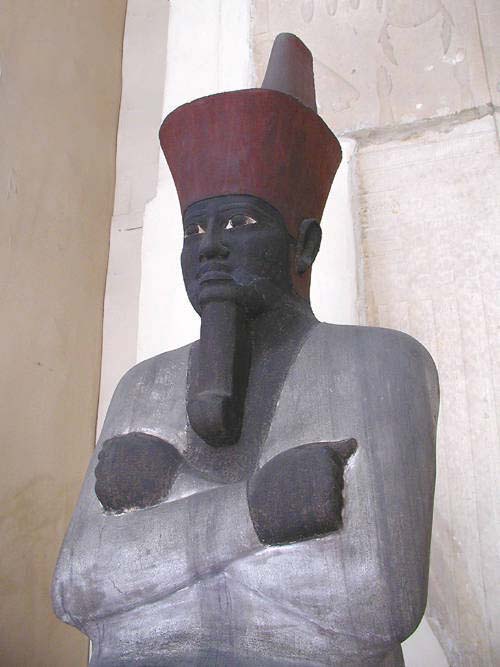
Thinis
Ancient Upper Egypt's undiscovered capital city.

Leontopolis (Heliopolis)
Ancient city with fortifications and a temple.
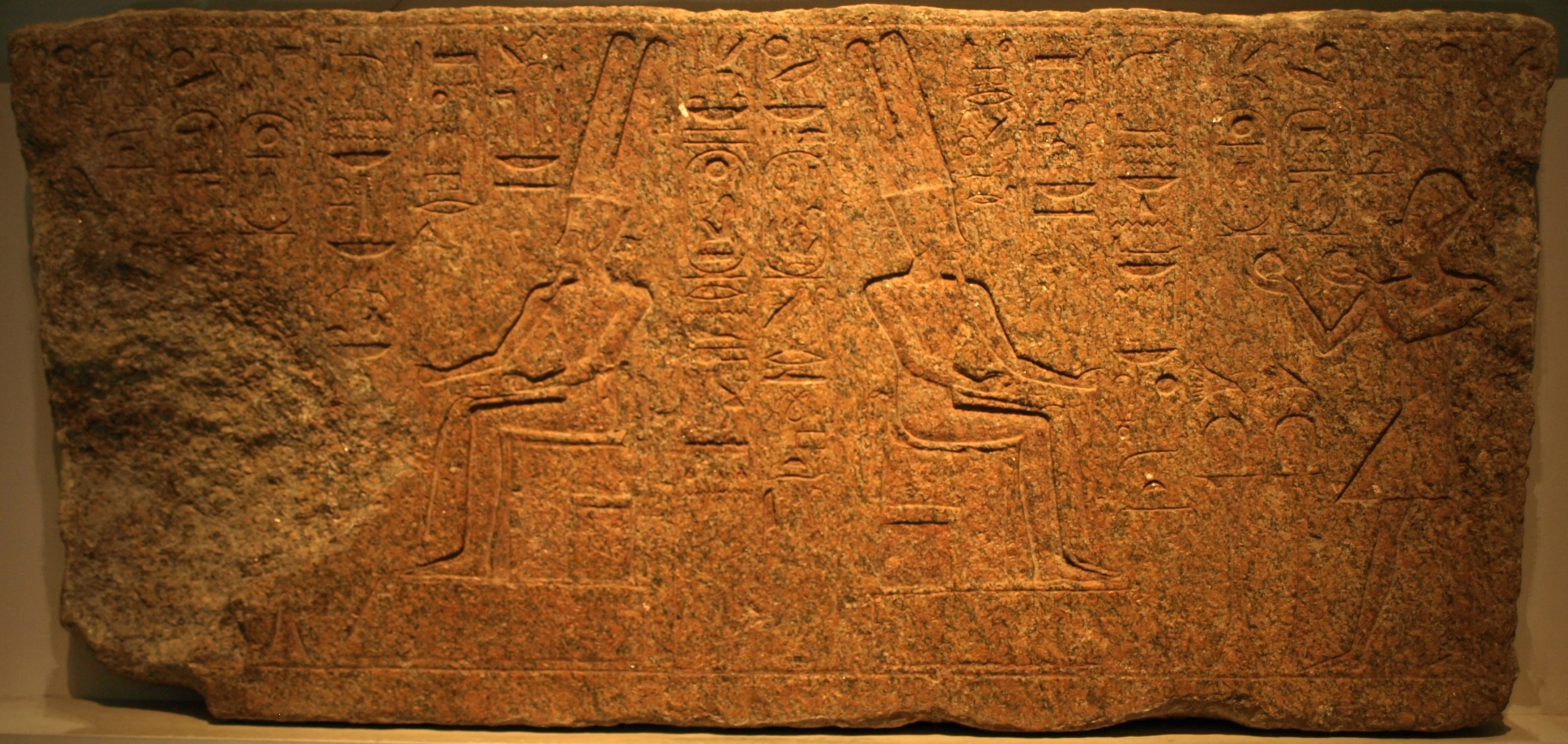
Bubastis
Ancient Egyptian city with Bastet temple
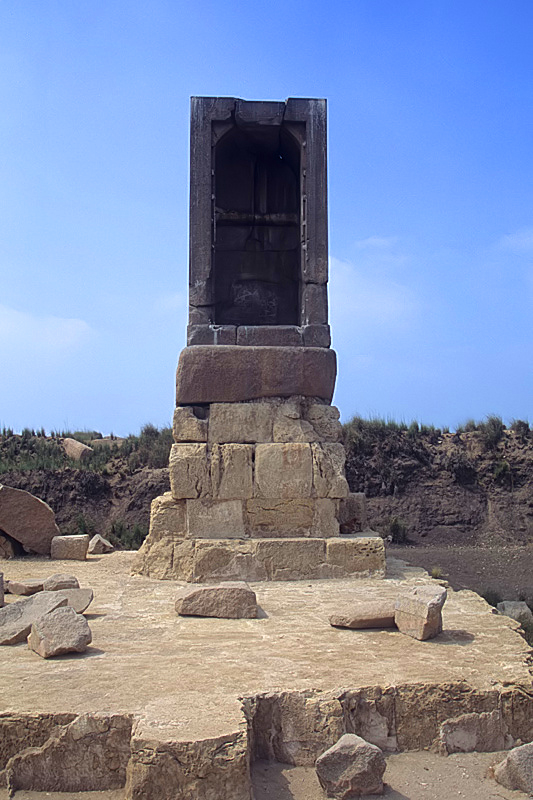
Mendes
Ancient city with significant religious structures.
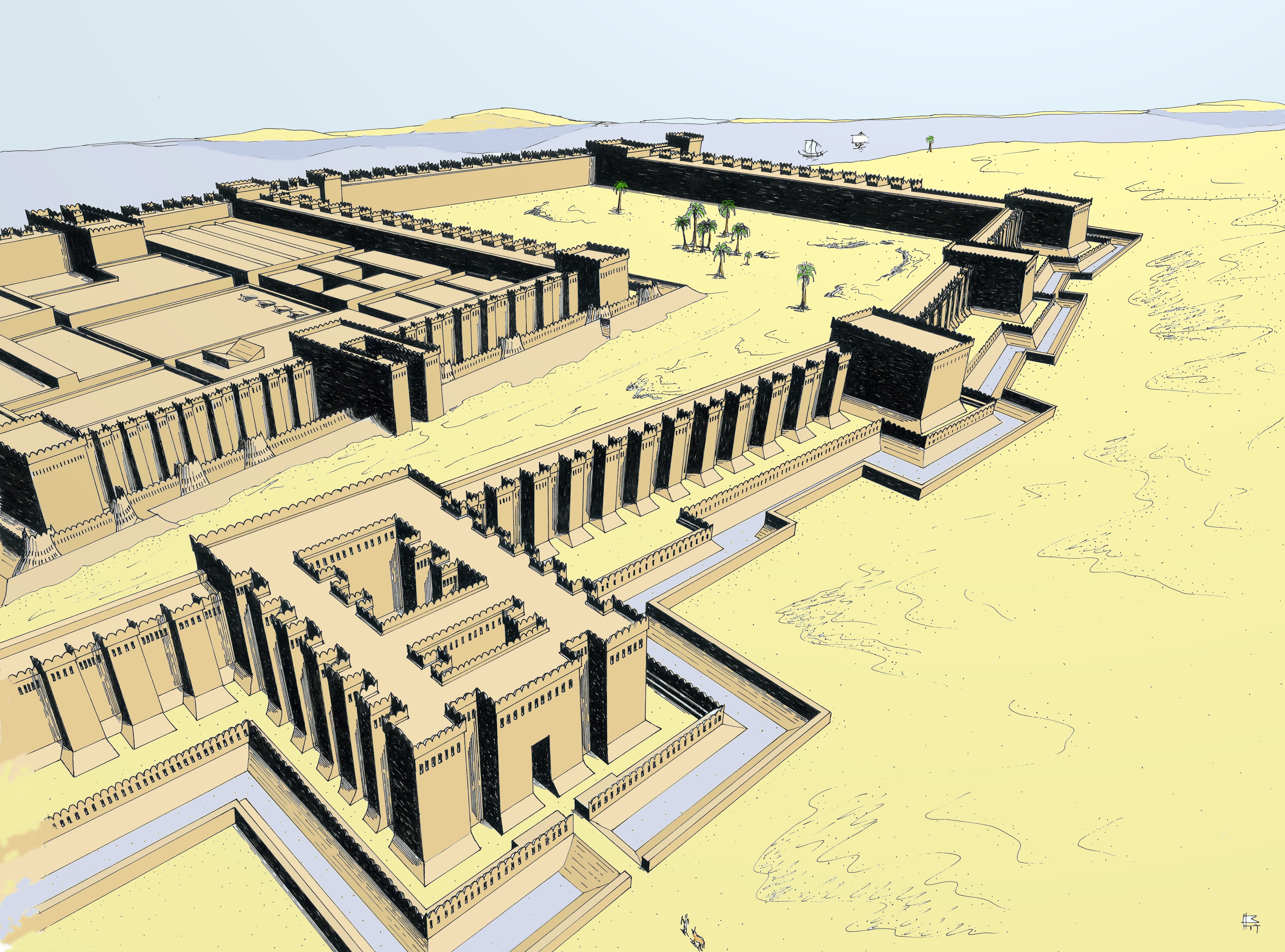
Buhen
Ancient Egyptian fortress with copper smelting.
Cemetery GIS
Stone mastabas in Giza Plateau cemetery