Explore the Map
Letopolis
30.1167° N, 31.1333° E
About
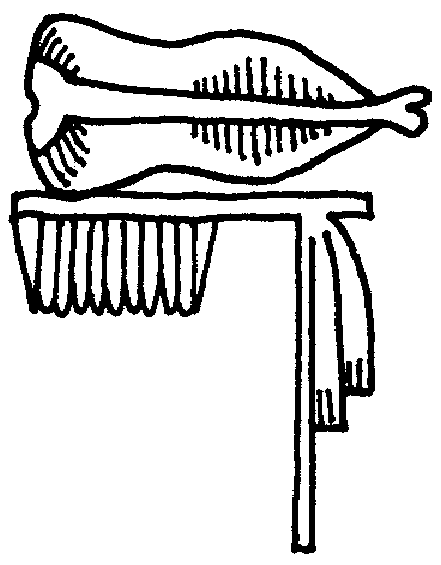
Letopolis, known in ancient Egyptian as Khem, was a significant city in Lower Egypt and the capital of the second nome. It served as a religious center dedicated to the worship of Khenty-irty or Khenty-khem, a form of the god Horus. While its origins trace back to the Old Kingdom, where it was already a site of worship, the only remaining archaeological evidence comes from the Late Period. During this time, notable pharaohs such as Necho II and Psamtik II contributed to the construction of a temple dedicated to its deity. Today, the remains of Letopolis can be found at Ausim, reflecting its historical importance as a religious and administrative hub in ancient Egypt.
Gallery
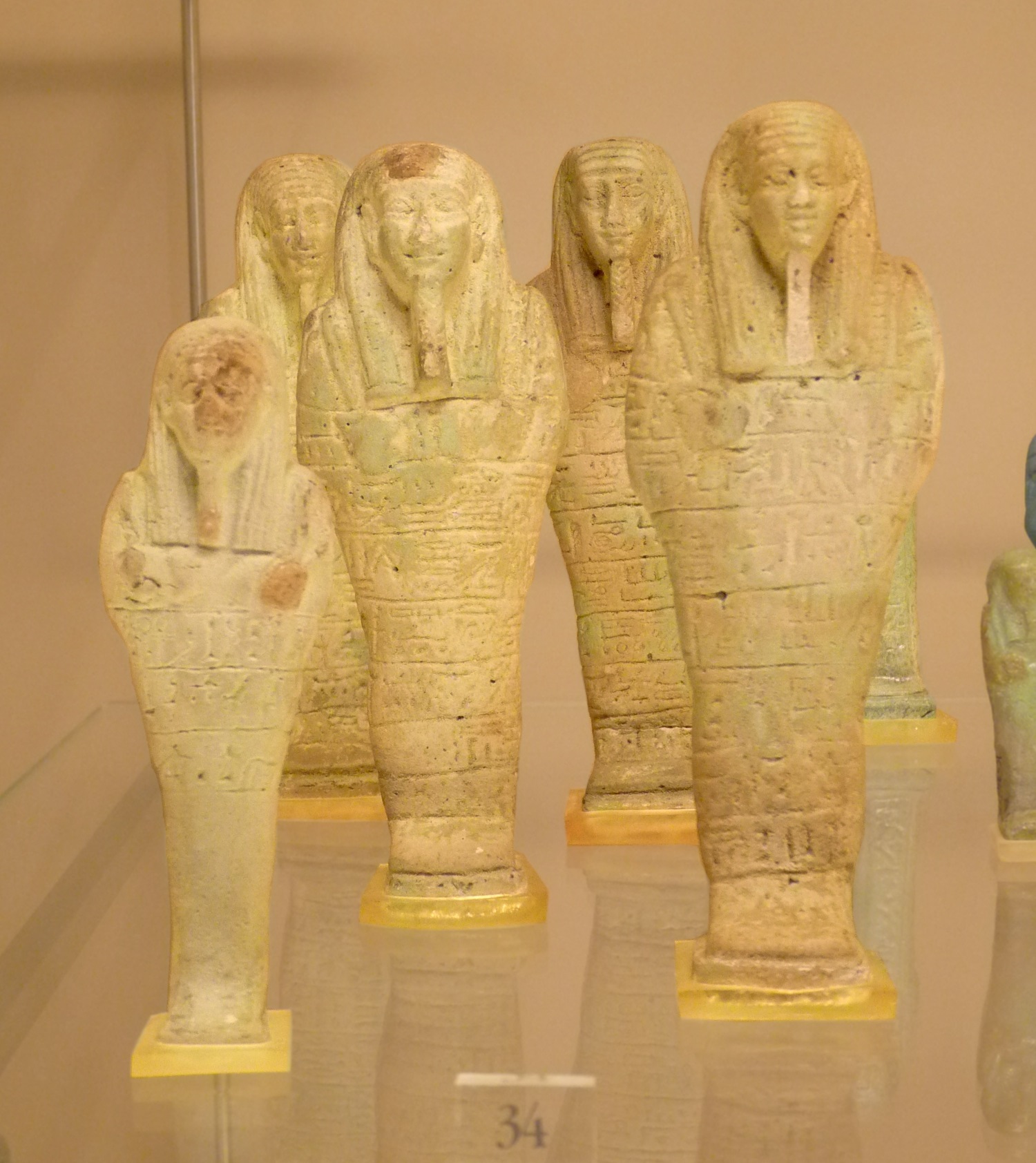
Explore photographs of ancient structures, artifacts, and archaeological excavations
Historical Timeline
Journey through time and discover key events in this site's history
Old Kingdom Worship
2686 BCE - 2181 BCE
Late Period Temple Monuments
664 BCE - 332 BCE
Archaeological Features
Unique architectural and cultural elements found at this historical site
Religious and Ritual Structures
Artistic and Decorative Features
Domestic and Habitation Structures
Frequently Asked Questions
Plan Your Visit
Tours, travel arrangements, and practical information


More Sites in Egypt
Bubastis
Ancient Egyptian city with Bastet temple
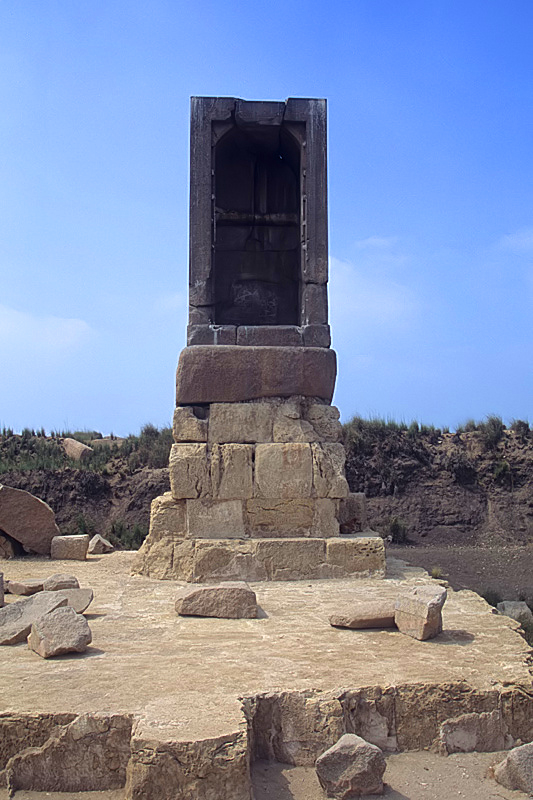
Mendes
Ancient city with significant religious structures.
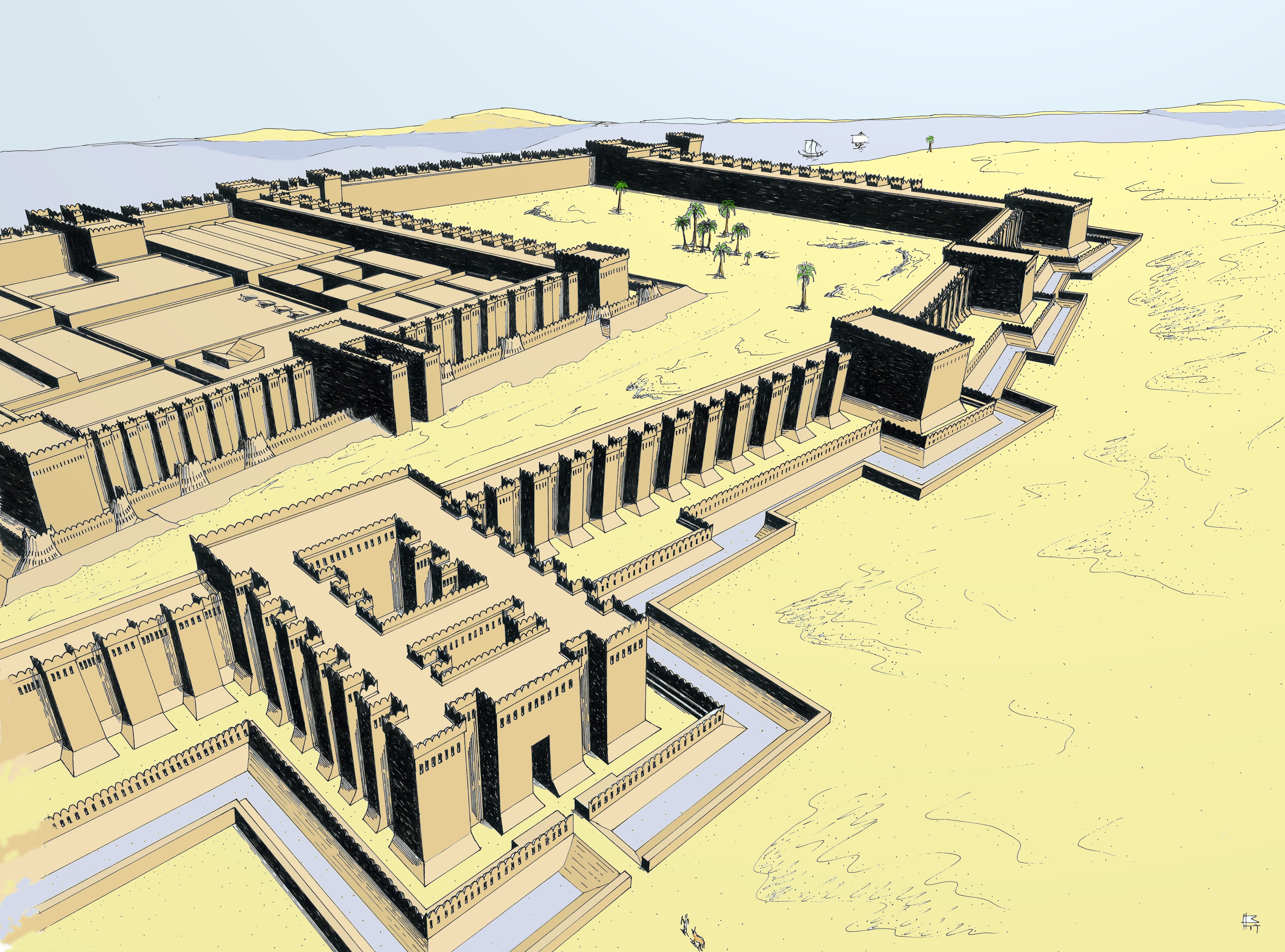
Buhen
Ancient Egyptian fortress with copper smelting.

Leontopolis (Heliopolis)
Ancient city with fortifications and a temple.
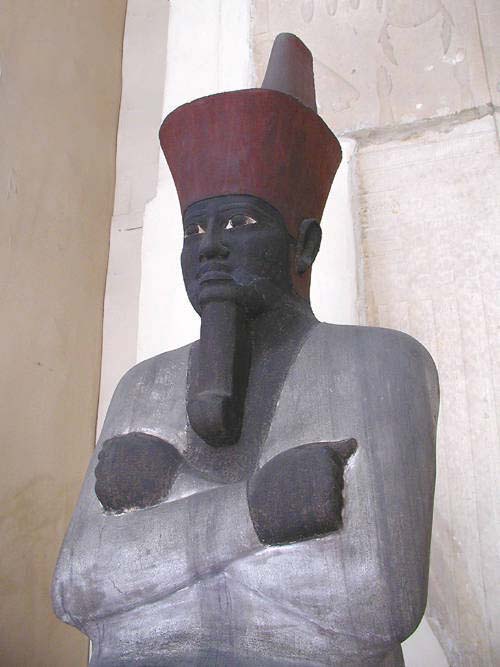
Thinis
Ancient Upper Egypt's undiscovered capital city.
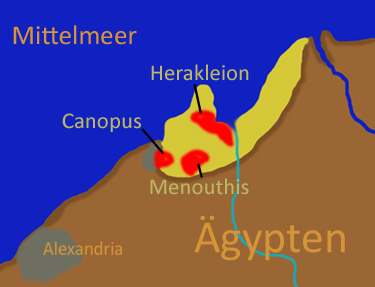
Canopus, Egypt
Submerged ancient Egyptian coastal town ruins