Explore the Map
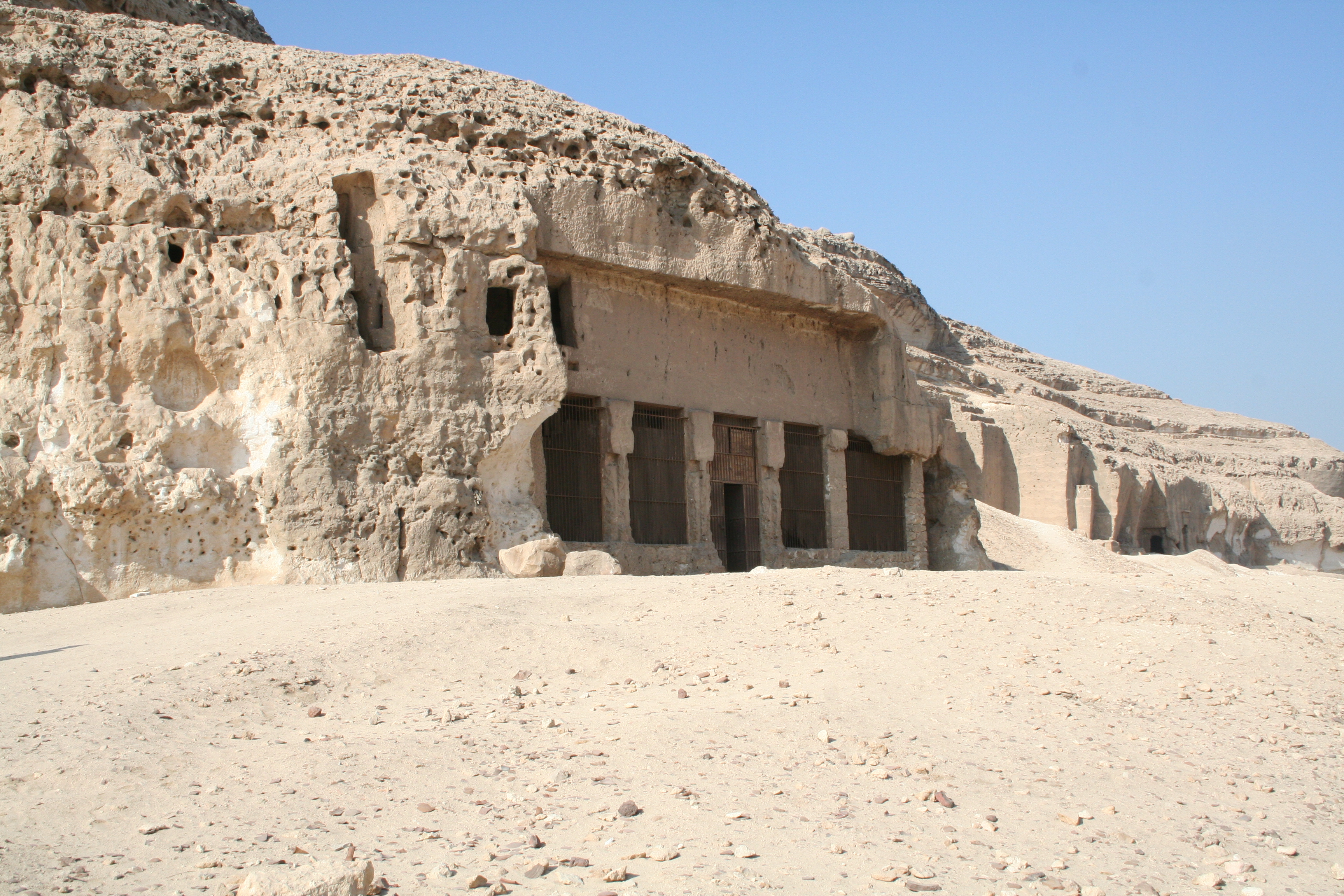
Speos Artemidos
27.9000° N, 30.8667° E
About
The Speos Artemidos, located near Beni Hasan in Egypt, features remarkable rock-cut temples dedicated to the goddess Pakhet, identified with the Greek goddess Artemis. These temples, carved into the cliffs on the eastern Nile bank, were originally commissioned by Pharaoh Hatshepsut during the 15th century BCE. Her temple includes a famous inscription denouncing the Hyksos and legitimizing her reign. The site experienced alterations under Pharaoh Seti I, who replaced Hatshepsut's inscriptions and images with his own, reflecting the changing political landscape. An additional shrine was constructed during the era of Alexander IV of Macedon in the 4th century BCE, demonstrating the site's continued religious significance. The artistic and architectural elements, combined with inscriptions and reliefs, offer valuable insights into Egyptian religious practices and political history during these periods.
Gallery
Explore photographs of ancient structures, artifacts, and archaeological excavations
Historical Timeline
Journey through time and discover key events in this site's history
Construction of Hatshepsut's Temple
circa 1479 BCE
Seti I Usurps and Modifies Temple
circa 1290 BCE
Alexander IV Shrine Addition
323 BCE
Archaeological Features
Unique architectural and cultural elements found at this historical site
Religious and Ritual Structures
Artistic and Decorative Features
Frequently Asked Questions
Plan Your Visit
Tours, travel arrangements, and practical information
More Sites in Egypt
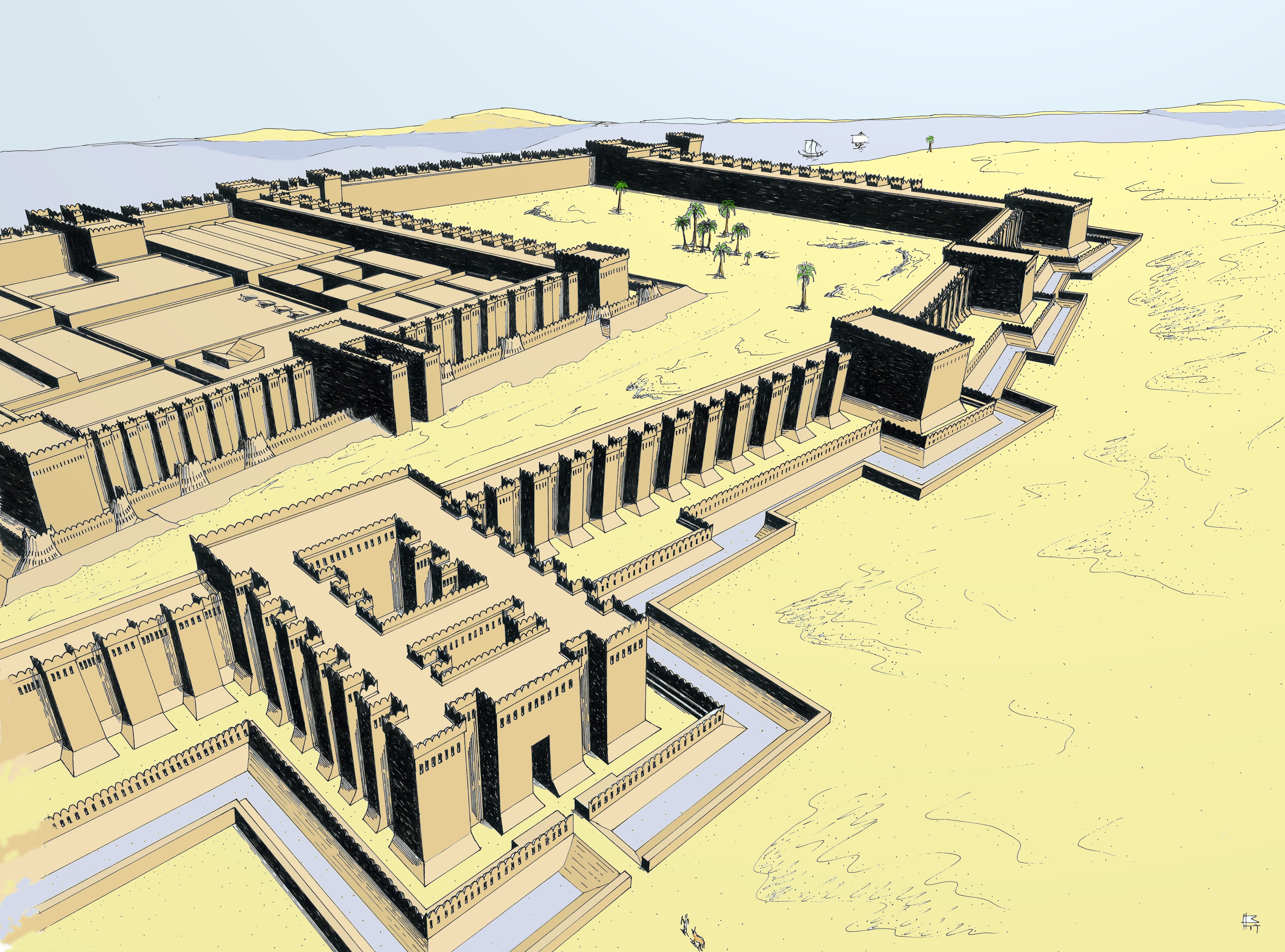
Buhen
Ancient Egyptian fortress with copper smelting.
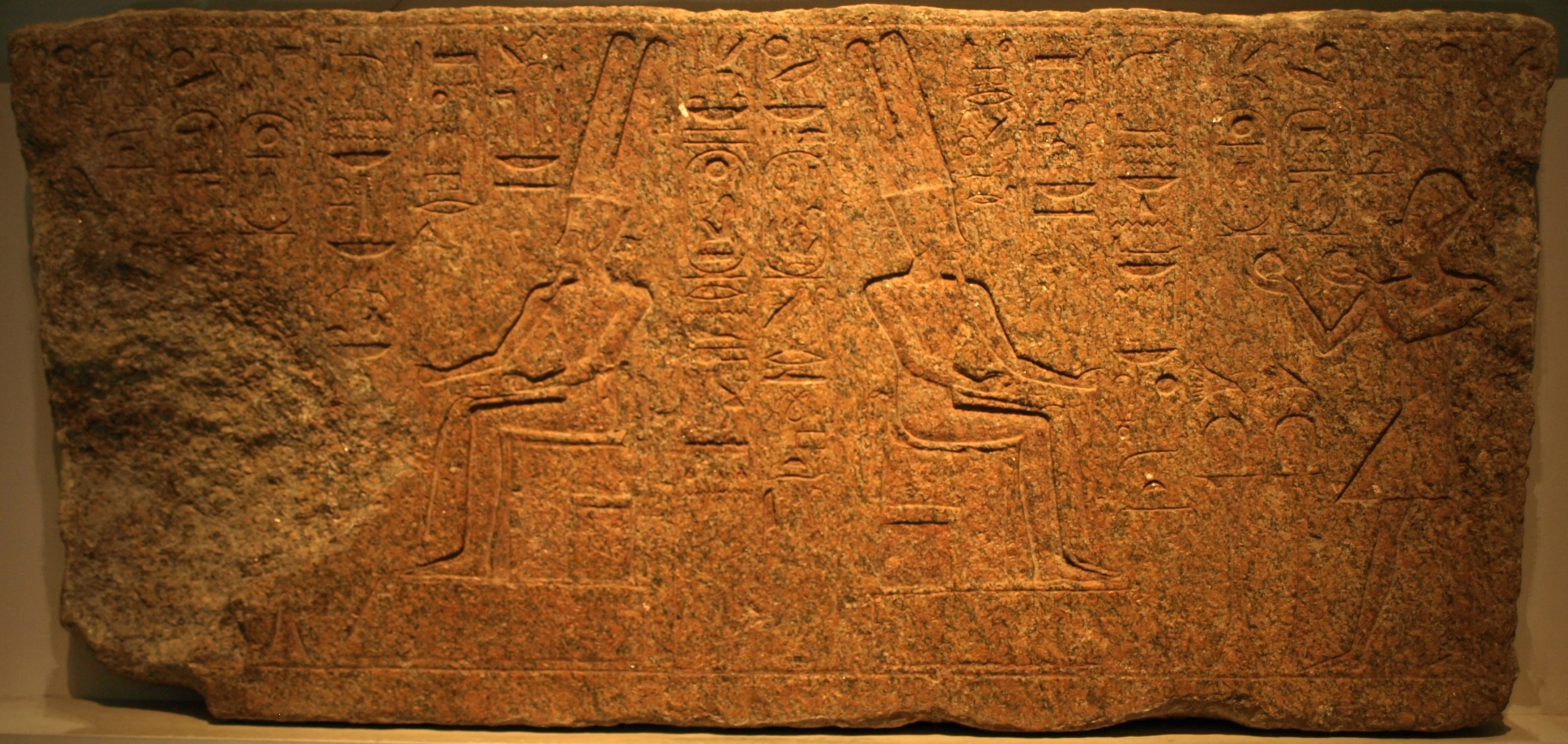
Bubastis
Ancient Egyptian city with Bastet temple

Leontopolis (Heliopolis)
Ancient city with fortifications and a temple.
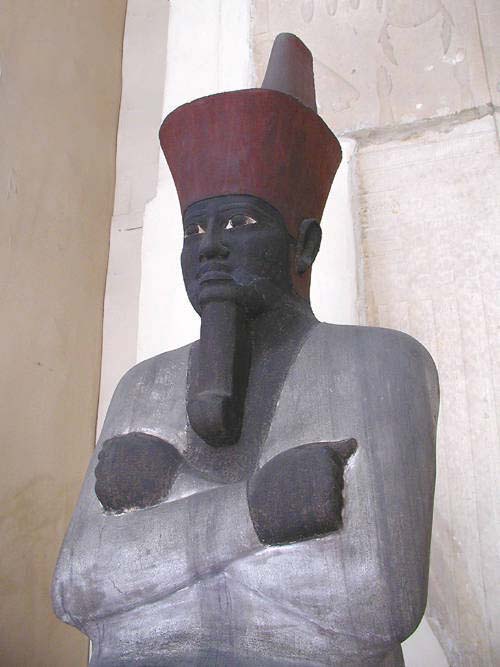
Thinis
Ancient Upper Egypt's undiscovered capital city.
Mendes
Ancient city with significant religious structures.
Canopus, Egypt
Submerged ancient Egyptian coastal town ruins