Time Periods
Paleolithic
Mesolithic
Neolithic
Chalcolithic
Bronze Age
Iron Age
Classical Period
Post-Classical Period
Early Modern Period
Industrial Period
Contemporary Period
Time Periods
Paleolithic
Mesolithic
Neolithic
Chalcolithic
Bronze Age
Iron Age
Classical Period
Post-Classical Period
Early Modern Period
Industrial Period
Contemporary Period
Location
About
The archaeological site of Marina El-Alamein, once known as Leukaspis, is a historically significant Greco-Roman harbor city located on Egypt's northern coast. This ancient city thrived between the 2nd century BCE and the 4th century CE, serving as a major trade hub between Egypt and Libya, with a notable emphasis on Cretan imports. It featured a densely built residential area, public baths, a basilica, and a port infrastructure. The city was devastated by a tsunami in 365 CE following an earthquake off the coast of Crete, which led to its abandonment. The site also includes a well-preserved necropolis with a variety of unique funerary monuments, offering valuable insights into the burial practices of the period. Rediscovered in 1986, Marina El-Alamein provides a rich archaeological record of urban life during the Greco-Roman period.
Gallery
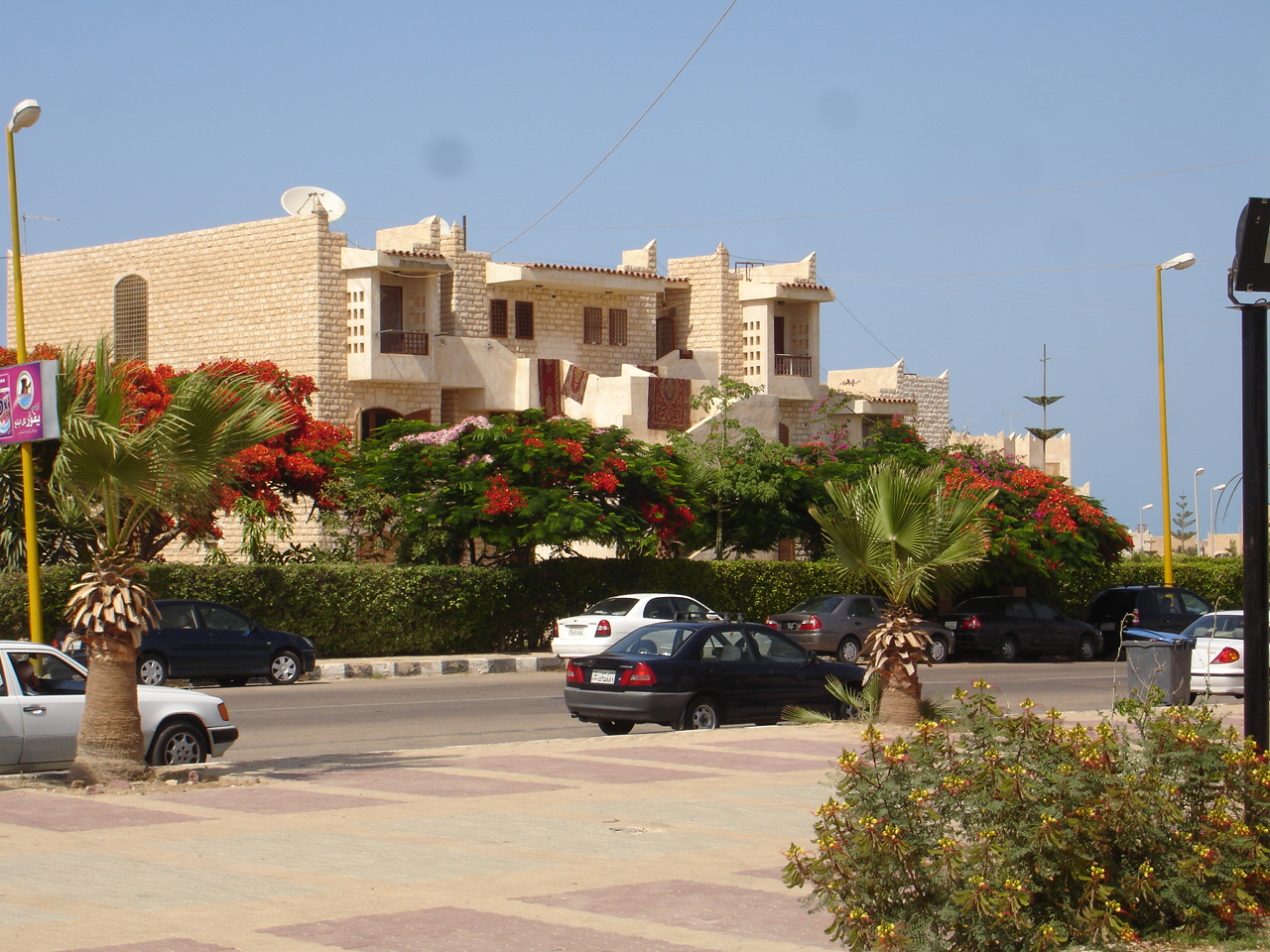
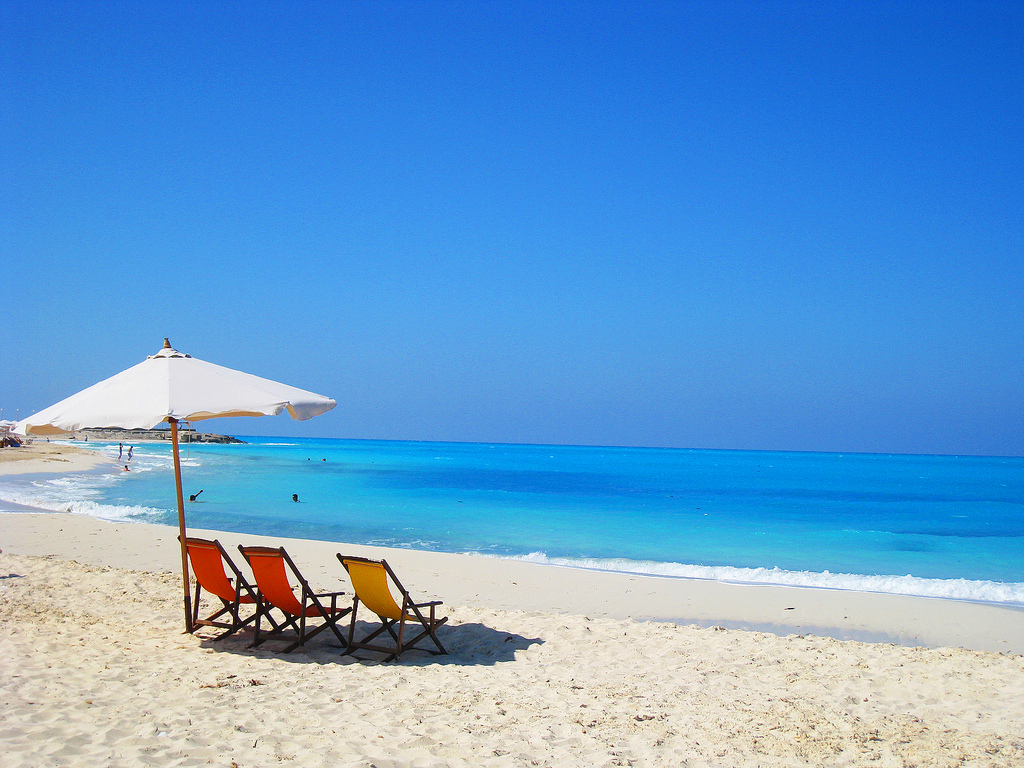
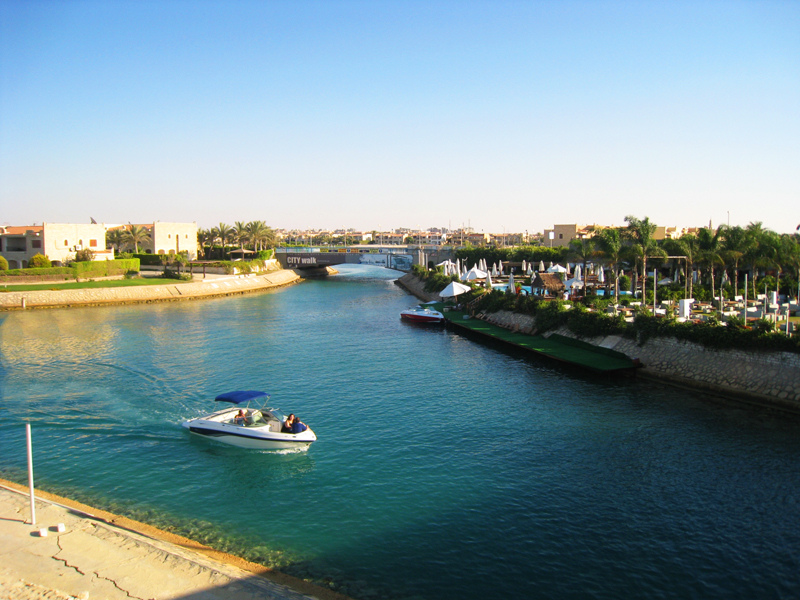
Explore photographs of ancient structures, artifacts, and archaeological excavations at Marina, Egypt
Archaeological Features
Explore the unique architectural and cultural elements found at this historical site
Water Management Features
Public and Civic Structures
Burial and Funerary Structures
Religious and Ritual Structures
Domestic and Habitation Structures
Historical Timeline
Journey through time and discover key events in this site's archaeological history
Plan Your Visit
Details
- Country
- Egypt
- Source
- Wikipedia
More Sites in Egypt
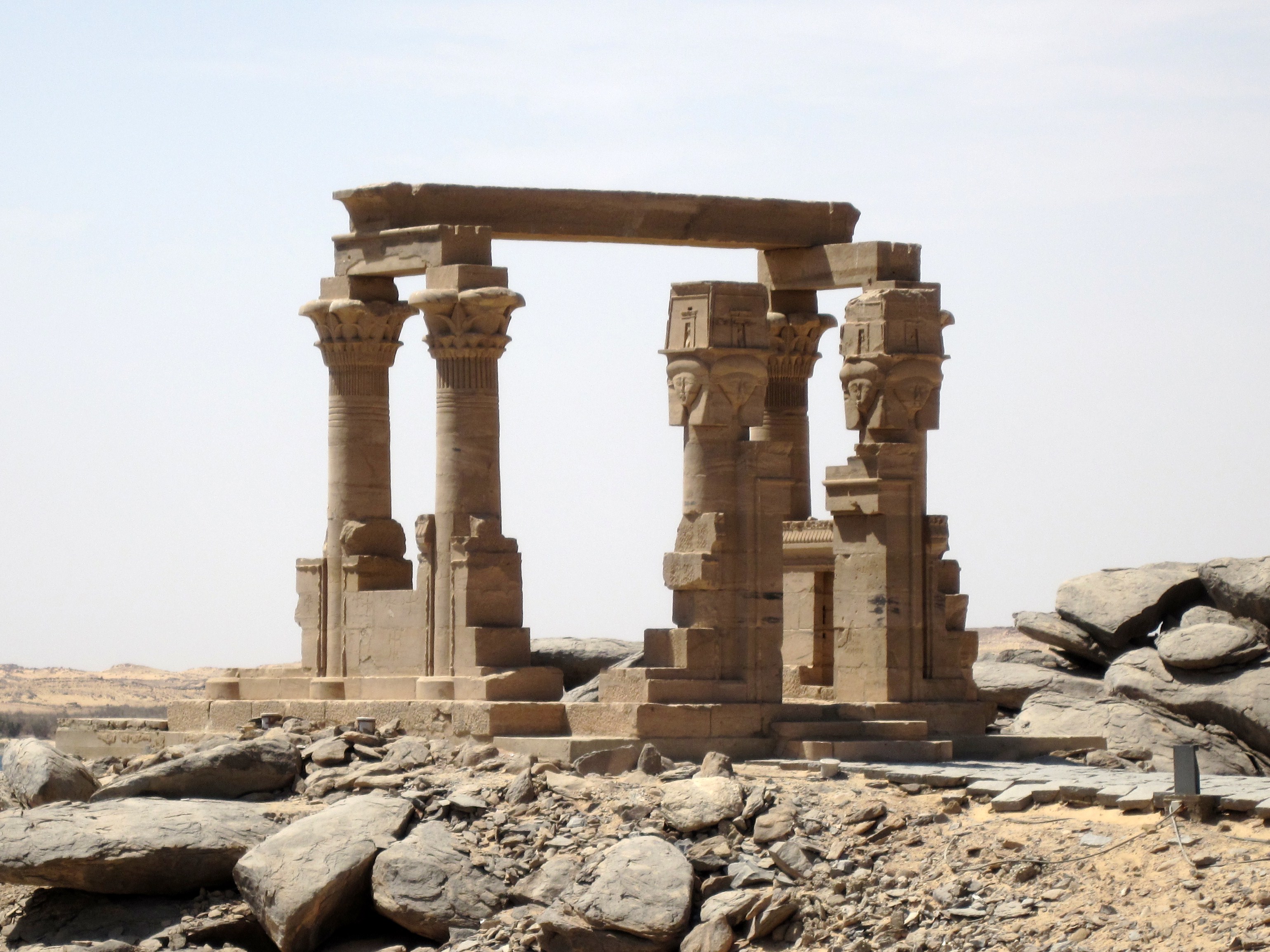
New Kalabsha
Relocated temples on a Nubian promontory

Elephantine
Island with temples and ancient papyri.
Anthylla
Ancient city on Nile's Canopus branch
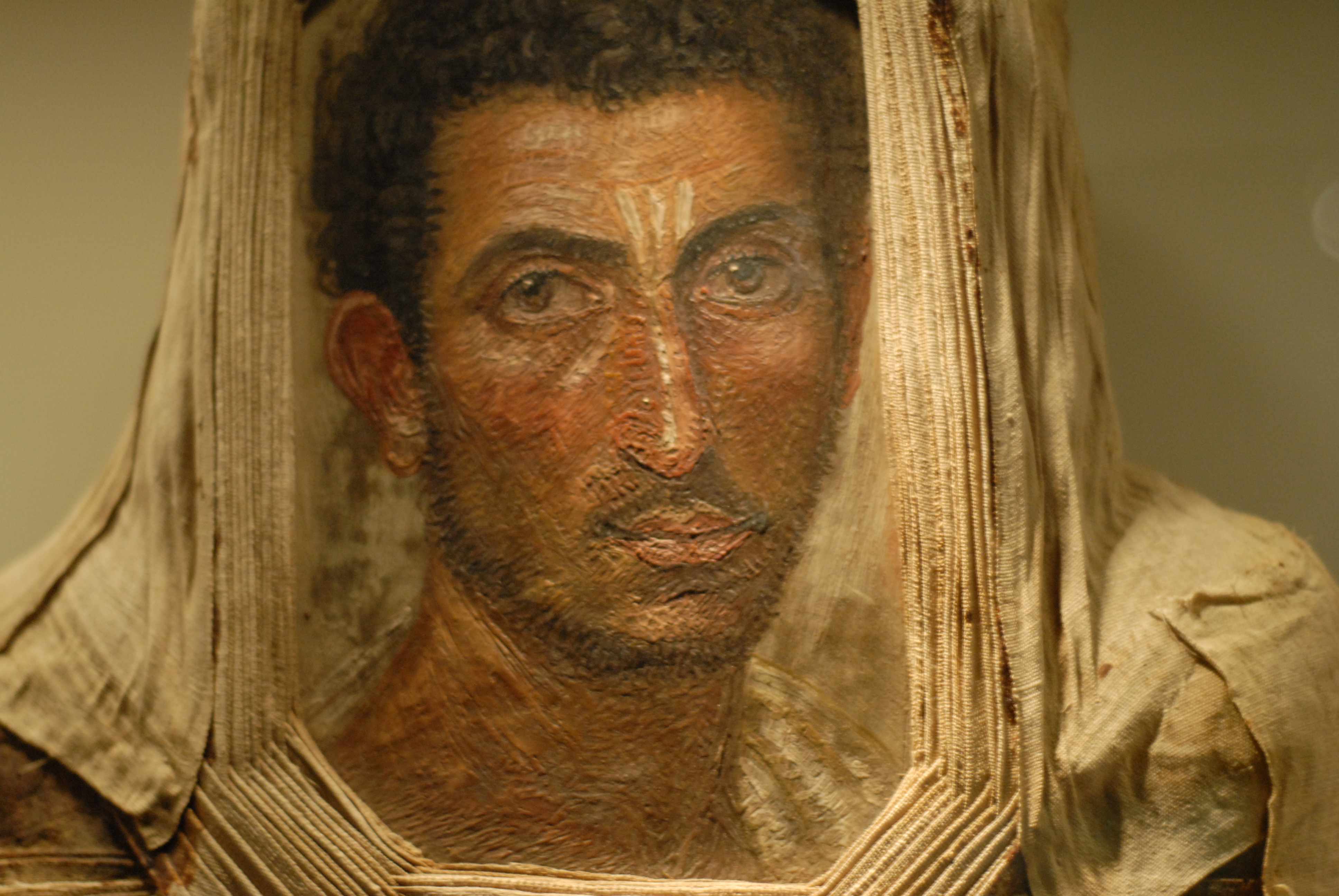
Hawara
Eroded pyramid and labyrinthine mortuary complex
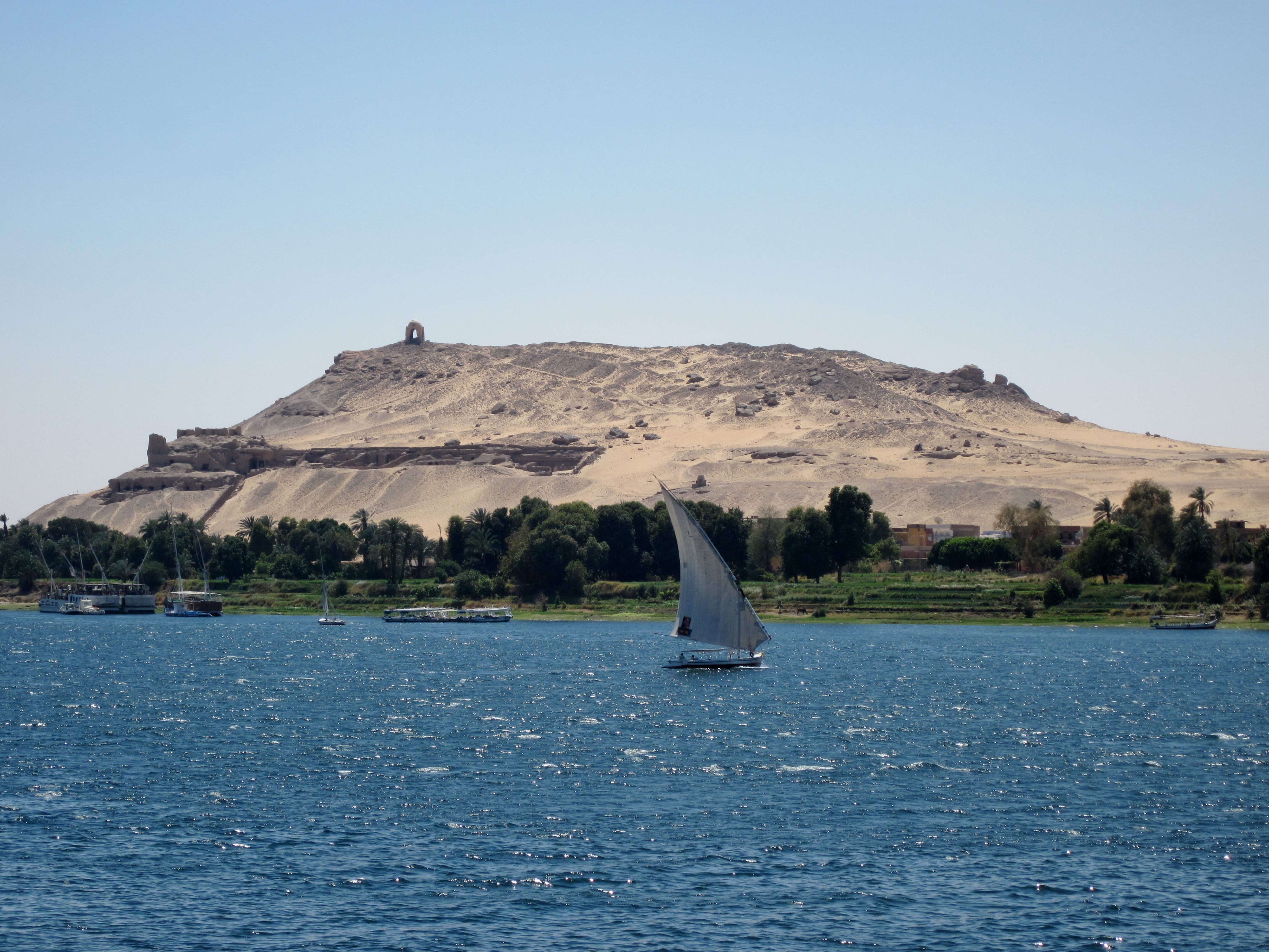
Qubbet el-Hawa
Ancient necropolis on Nile's west bank
Idfa
Ancient Egyptian village and Horus cult site