Explore the Map
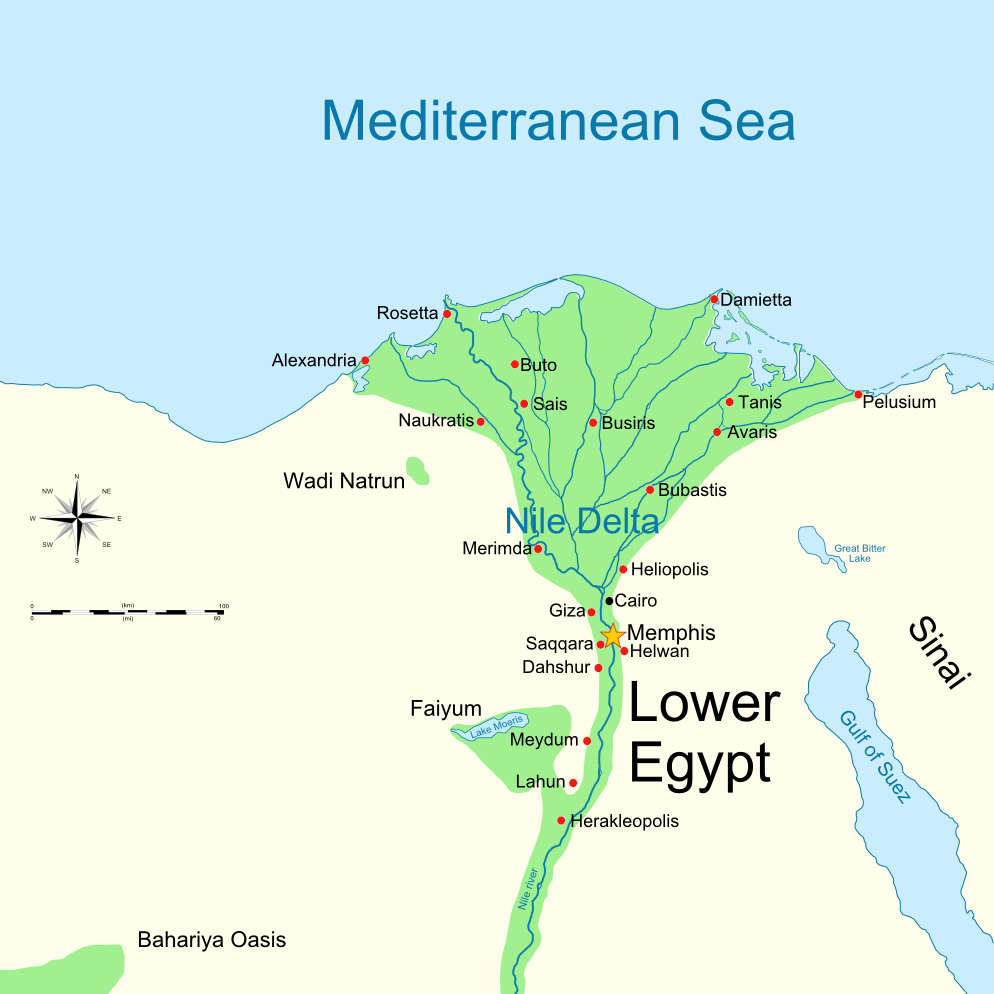
Meidum
29.3881° N, 31.1569° E
About
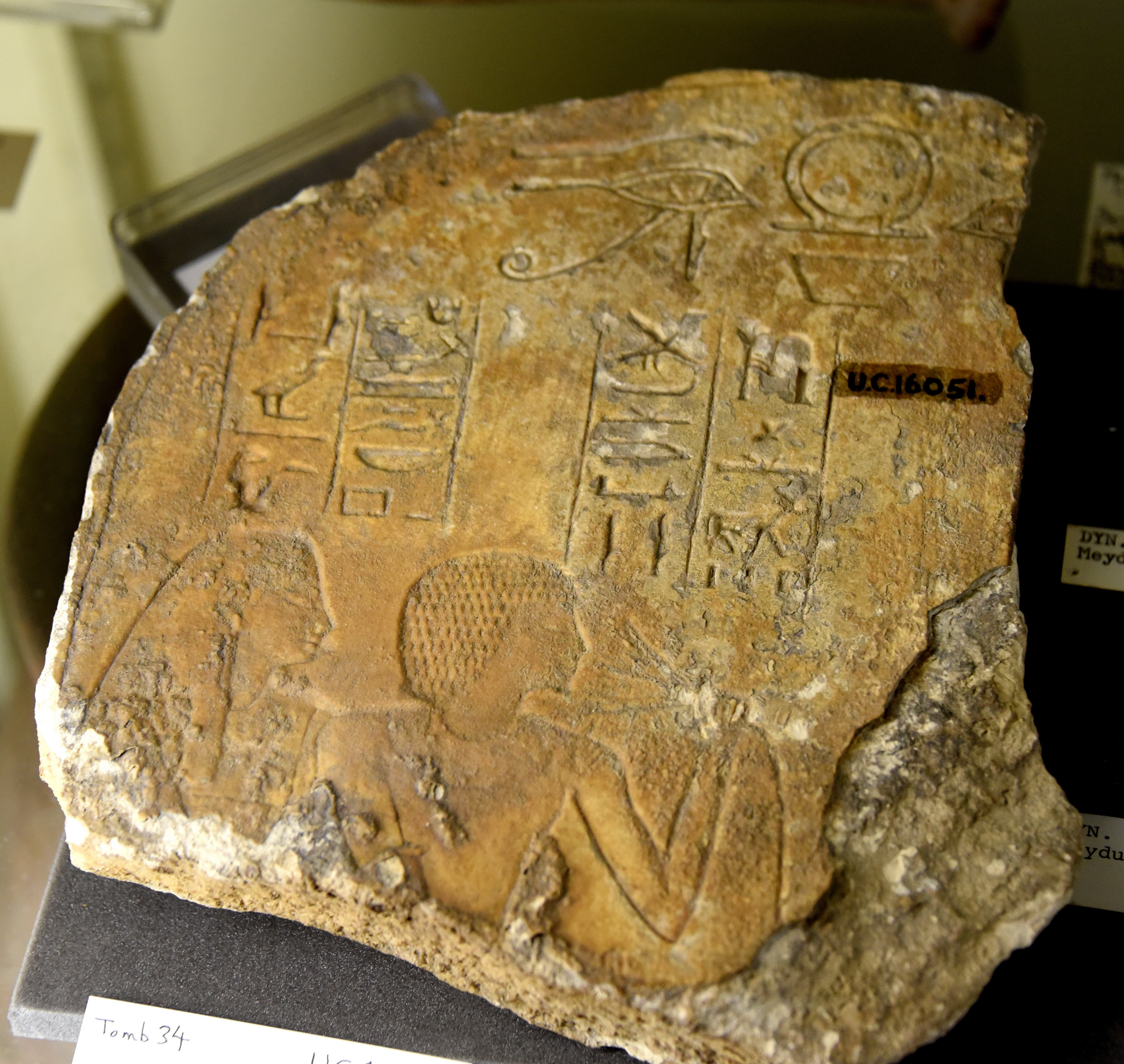
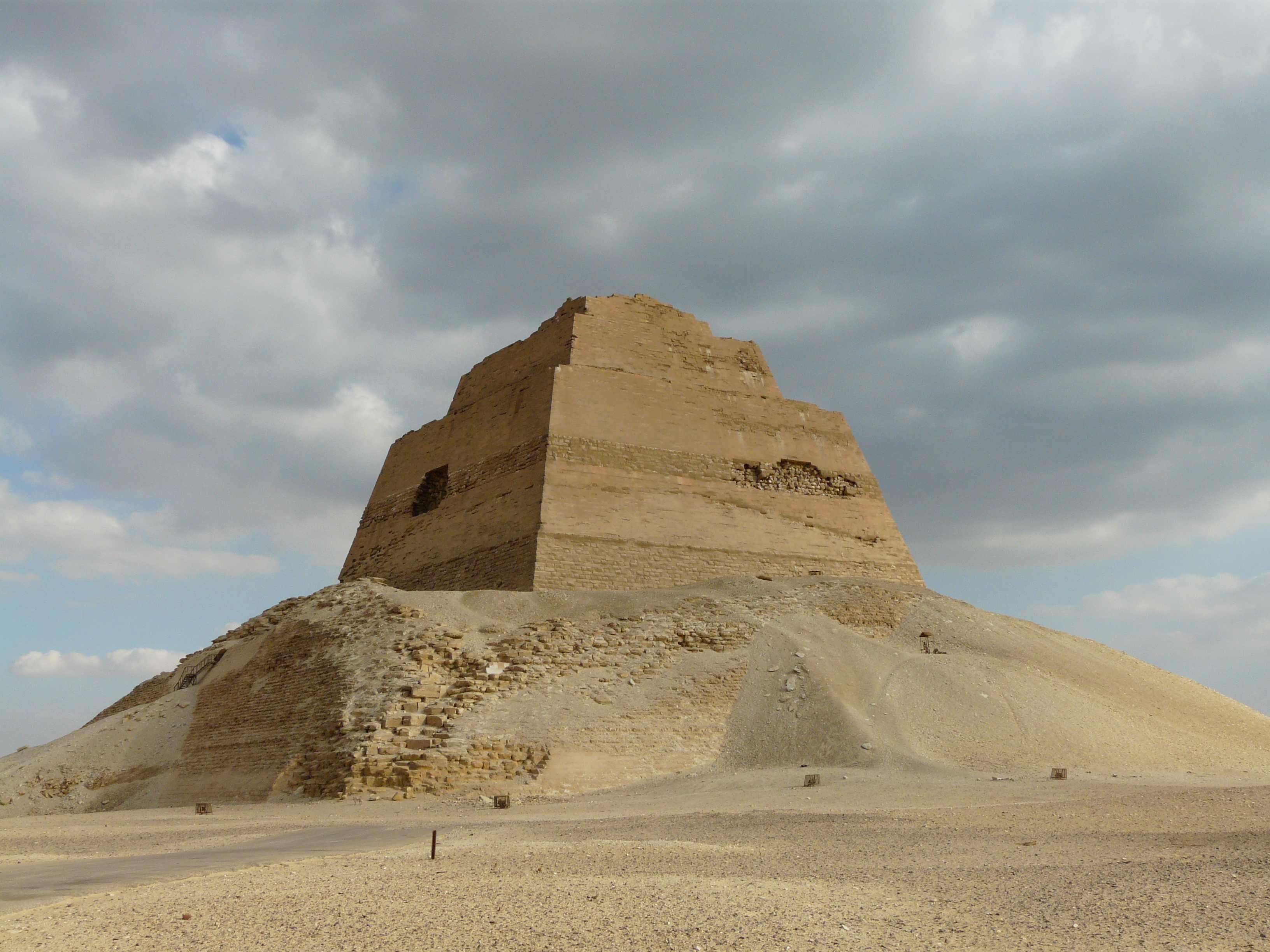
The archaeological site of Meidum in Lower Egypt, located approximately 72 kilometers south of Cairo, is notable for its large pyramid and several surrounding mudbrick mastabas. This site is significant as it houses Egypt's first straight-sided pyramid, attributed to Huni, the last pharaoh of the Third Dynasty, and continued by Sneferu. The pyramid, constructed in phases E1, E2, and E3, transitioned from a step pyramid to a true pyramid but suffered from structural compromises. The incomplete state of the pyramid, lacking a valley temple and mortuary temple inscriptions, suggests that it was never completed. The collapse, likely during Sneferu's reign, influenced subsequent pyramid constructions. The site provides insights into ancient construction techniques, including the use of ramps and limestone encasement.
Gallery
Explore photographs of ancient structures, artifacts, and archaeological excavations
Historical Timeline
Journey through time and discover key events in this site's history
Construction of Meidum Pyramid
2600 BCE
Collapse of Meidum Pyramid
2500 BCE
Unfinished State of Meidum Pyramid
2500 BCE
Archaeological Features
Unique architectural and cultural elements found at this historical site
Burial and Funerary Structures
Religious and Ritual Structures
Frequently Asked Questions
Plan Your Visit
Tours, travel arrangements, and practical information


More Sites in Egypt
Gebelein
Archaeological site with mummies and temple ruins
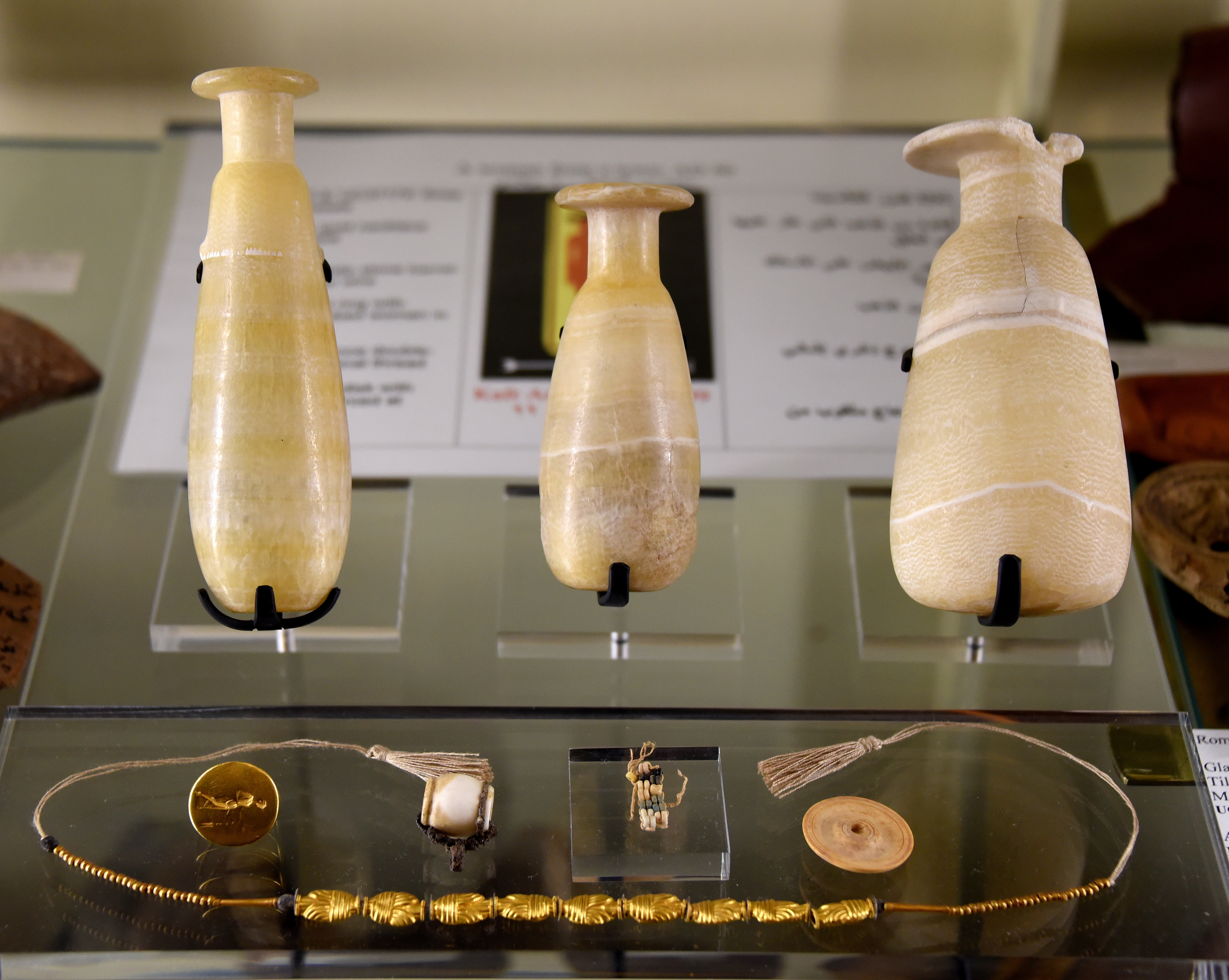
Tarkhan (Egypt)
Ancient Egyptian necropolis with mastabas and tombs.
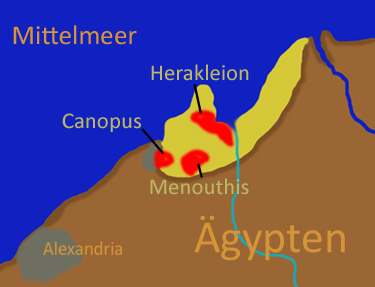
Canopus, Egypt
Submerged ancient Egyptian coastal town ruins
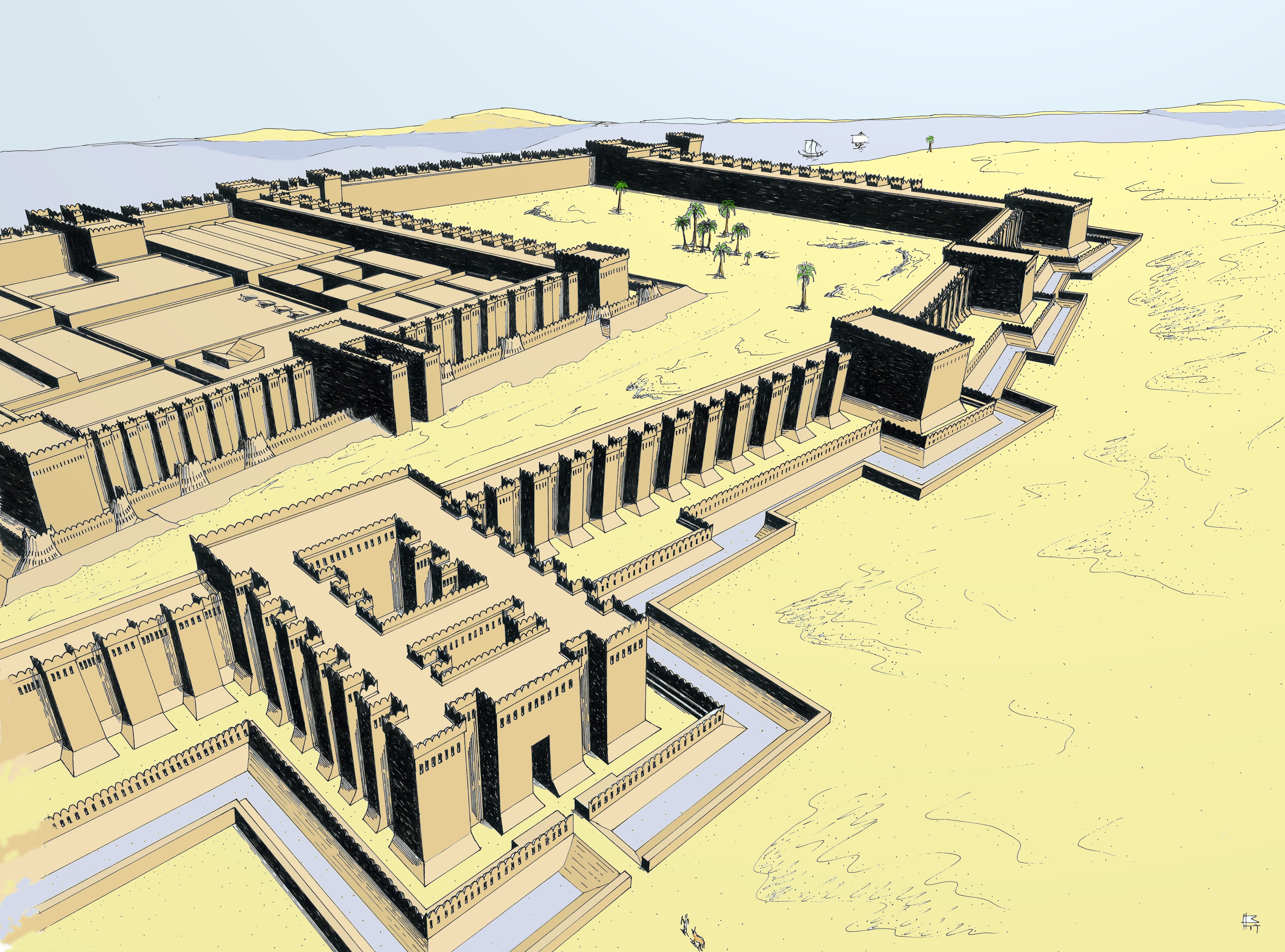
Buhen
Ancient Egyptian fortress with copper smelting.
Cemetery GIS
Stone mastabas in Giza Plateau cemetery
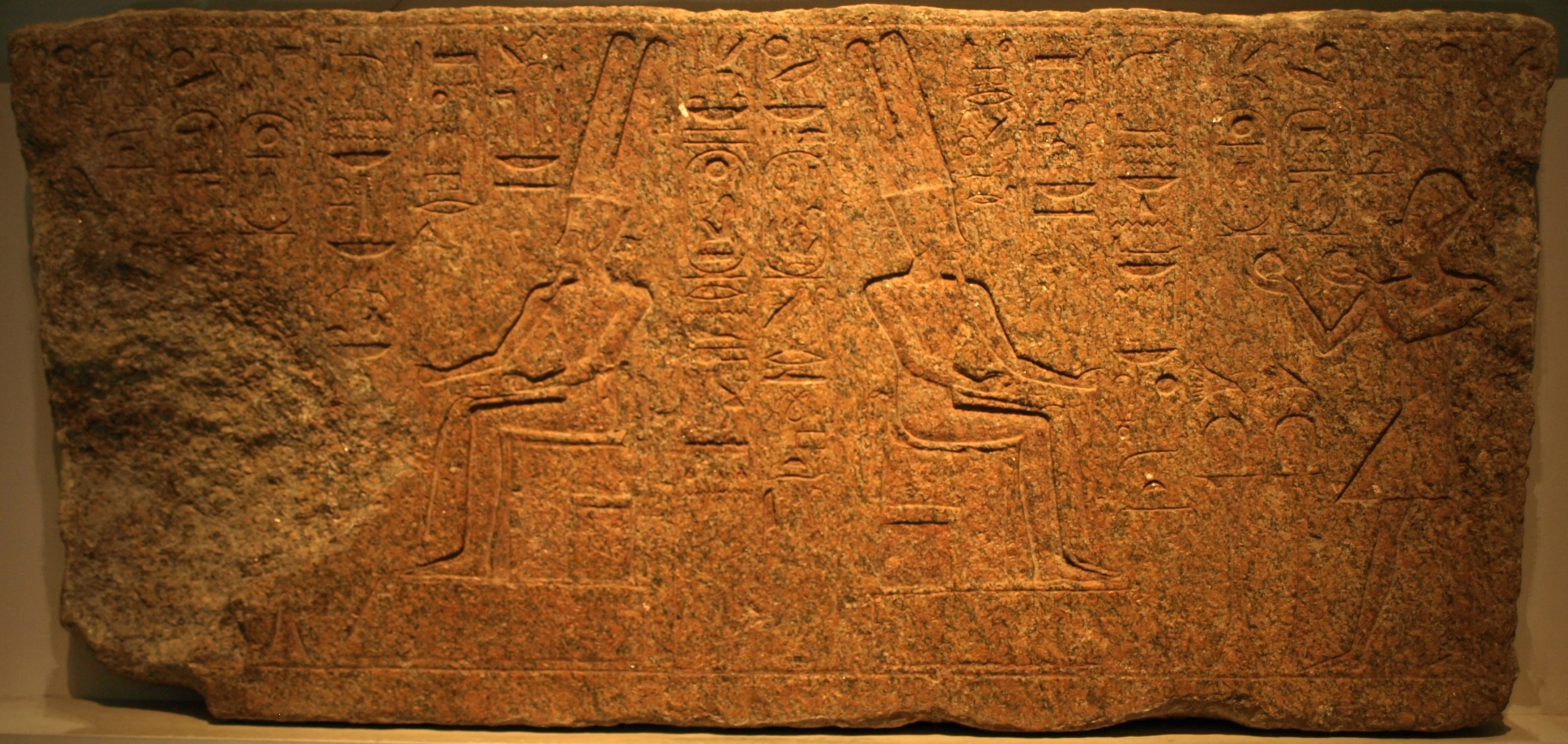
Bubastis
Ancient Egyptian city with Bastet temple