Explore the Map
Minshat Abu Omar
30.8572° N, 32.0194° E
About
Minshat Abu Omar is a significant archaeological site in Northern Egypt, known for its extensive cemeteries ranging from the Naqada III period to the late Roman Era. It hosts 420 tombs from the late Naqada III to the beginning of the 1st dynasty, showcasing a transition in burial architecture. Early tombs were oval and simple, while later dynastic tombs became rectangular with mud-plastered walls and divided chambers for royals, containing valuable grave goods. The Roman period tombs are simpler, featuring wooden, ceramic, or limestone coffins. Artifacts suggest Minshat Abu Omar was a key economic and strategic site, with evidence of trade between Egypt and the Levant during the early dynasties.
Historical Timeline
Journey through time and discover key events in this site's history
Naqada III period tombs
3200 BCE
Early Dynastic tombs
3000 BCE
Late Roman tombs
300 CE
Archaeological Features
Unique architectural and cultural elements found at this historical site
Burial and Funerary Structures
Frequently Asked Questions
Plan Your Visit
Tours, travel arrangements, and practical information


More Sites in Egypt
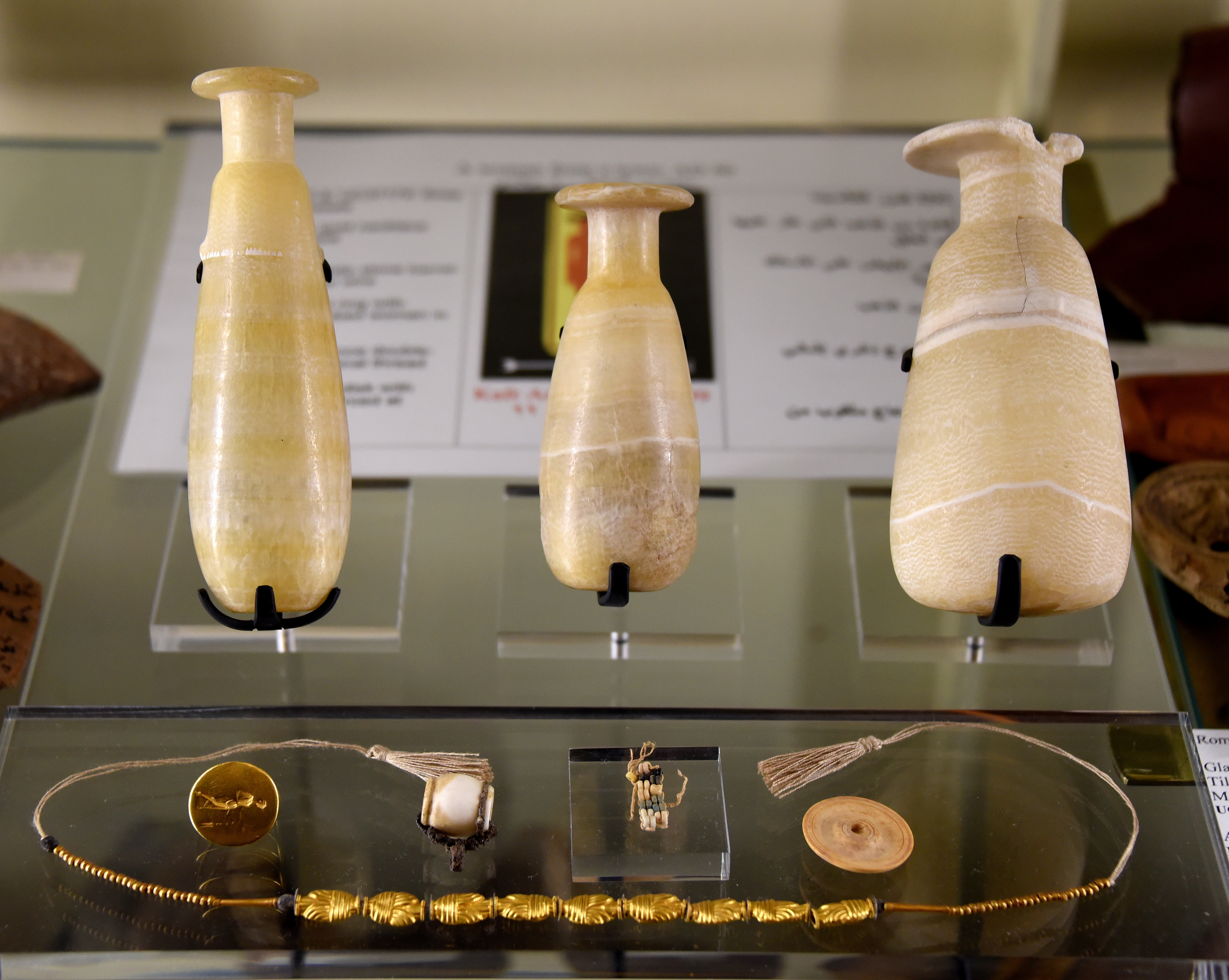
Tarkhan (Egypt)
Ancient Egyptian necropolis with mastabas and tombs.
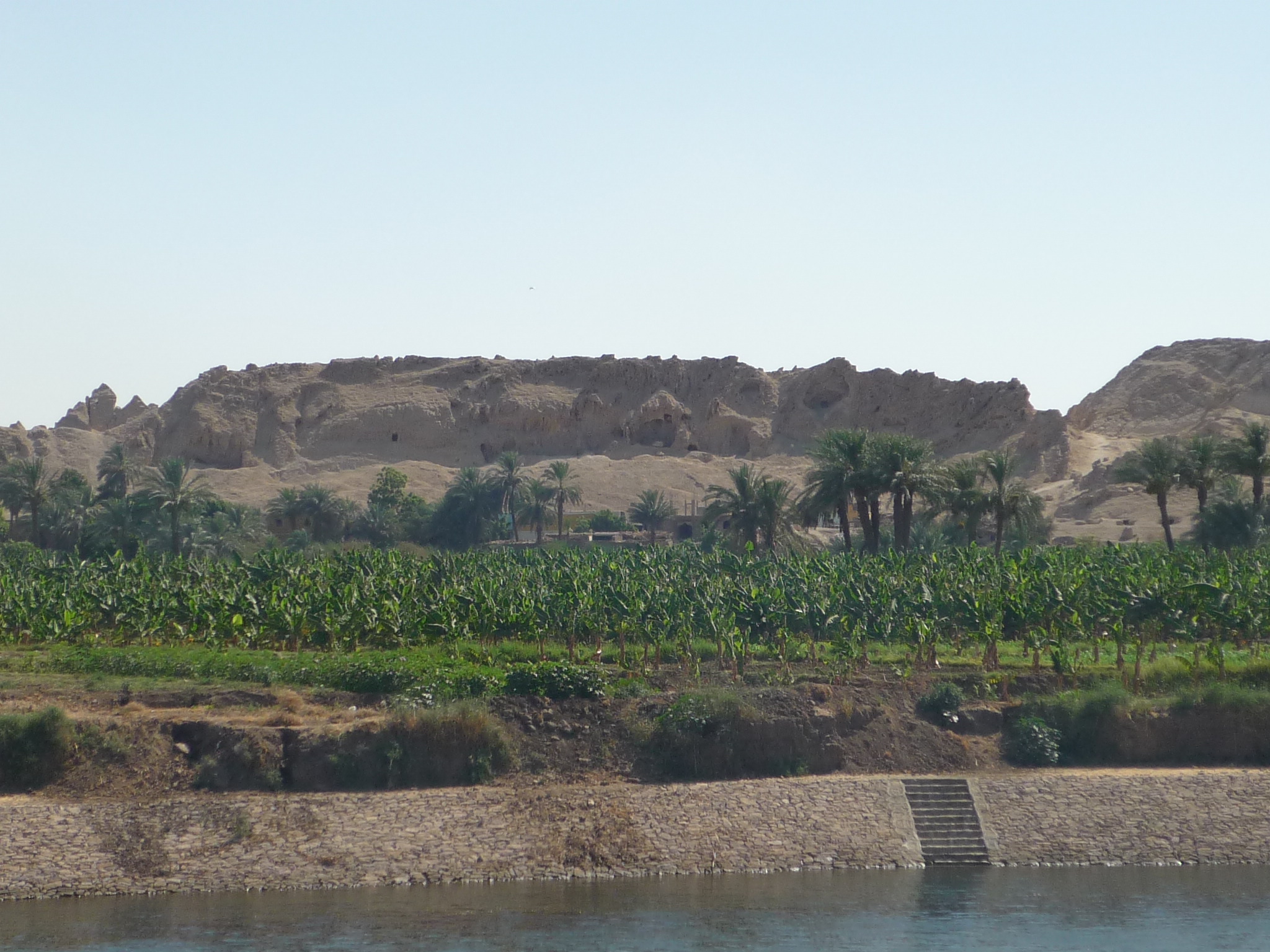
Gebelein
Archaeological site with mummies and temple ruins
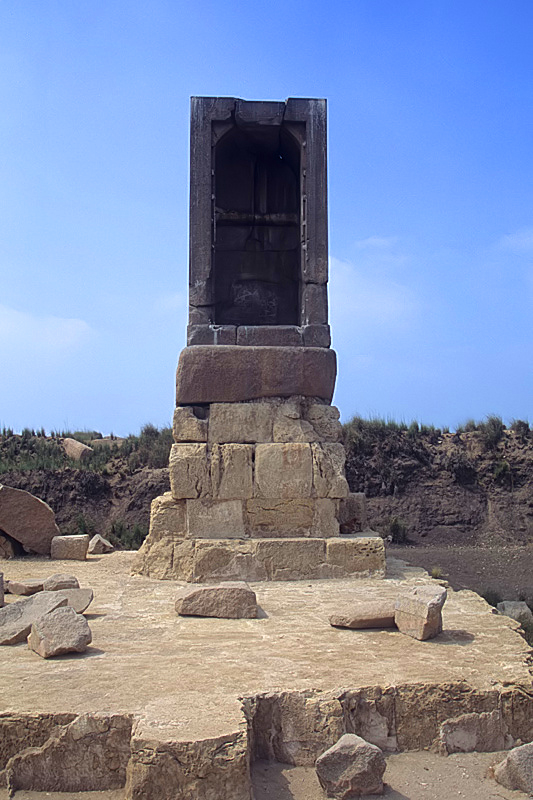
Mendes
Ancient city with significant religious structures.
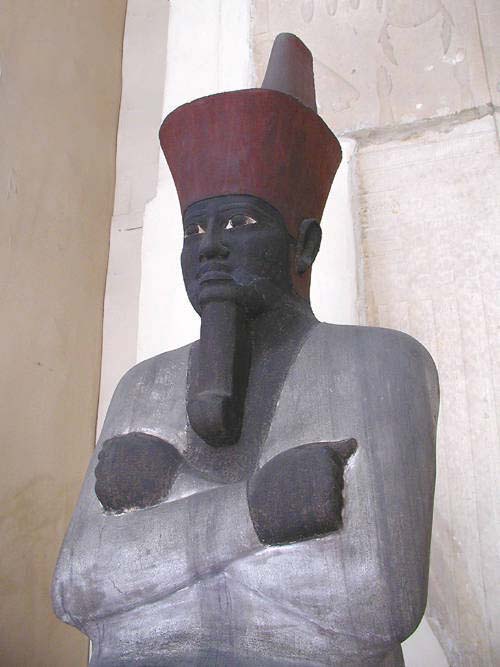
Thinis
Ancient Upper Egypt's undiscovered capital city.
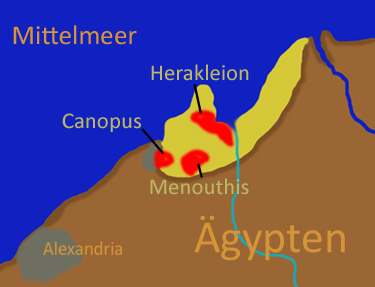
Canopus, Egypt
Submerged ancient Egyptian coastal town ruins

Leontopolis (Heliopolis)
Ancient city with fortifications and a temple.