Explore the Map
New Wadi es-Sebua
22.8006° N, 32.5475° E
About
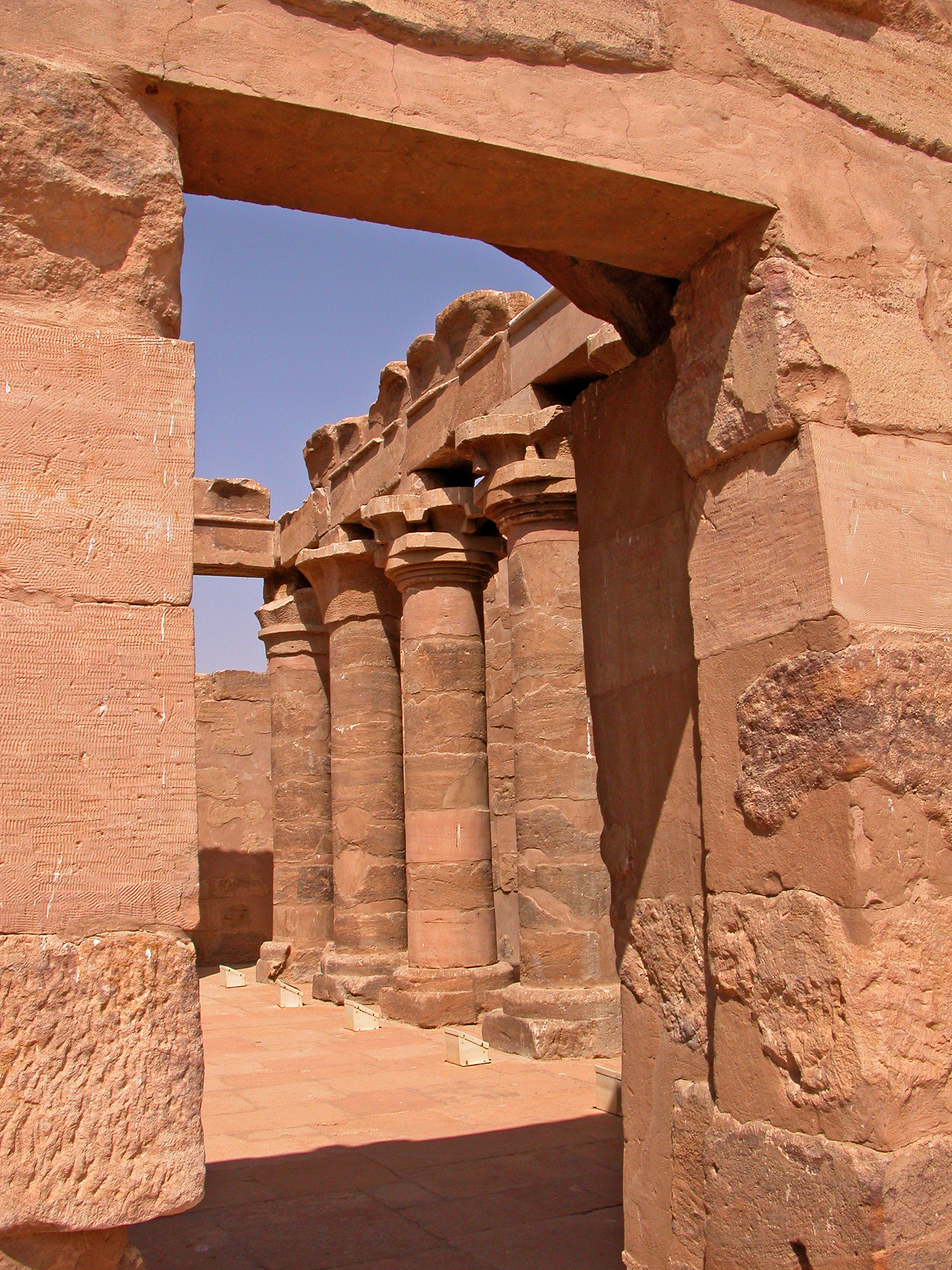
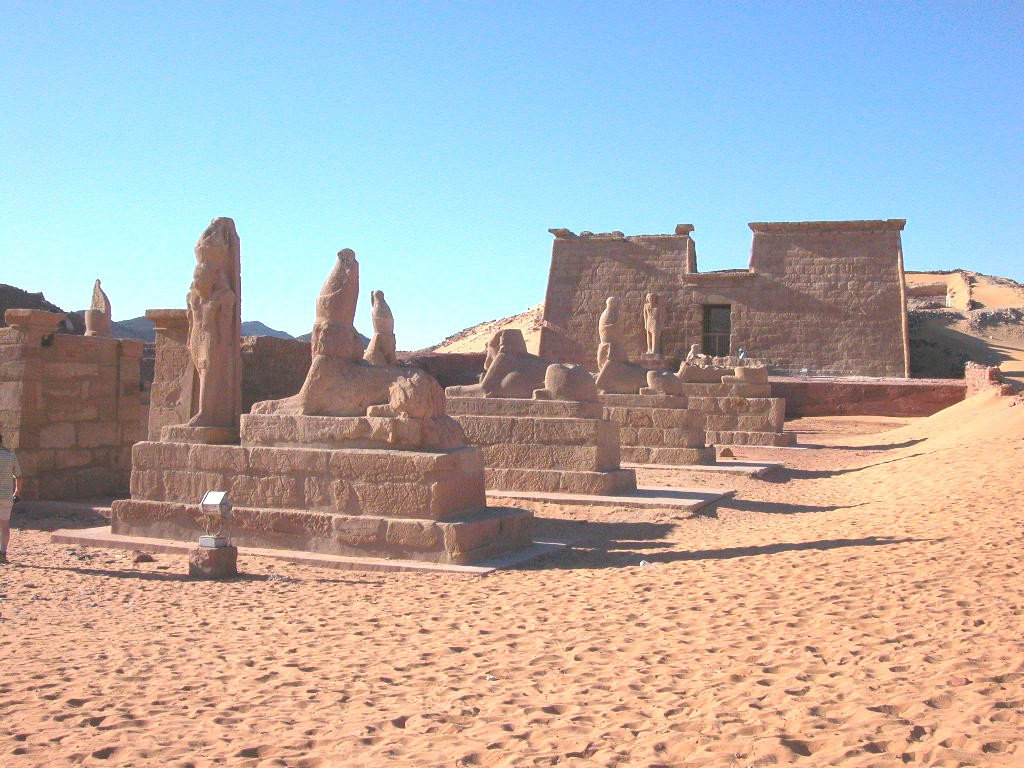
The New Wadi es-Sebua site in Egypt is an archaeological location of profound historical significance, housing three ancient Egyptian temples initially constructed at the original Wadi es-Sebua site. These temples, attributed to the New Kingdom pharaohs Ramesses II and Amenhotep III, boast monumental pylons and rock-cut sanctuaries, representing the architectural grandeur of the Late Bronze Age. The site also includes the incomplete Temple of Maharraqa from the Roman period and the Greco-Roman Temple of Dakka, dedicated to the deity Thoth. These structures were relocated in the 1960s due to the construction of the Aswan Dam. The site reflects a rich tapestry of religious and historical narratives spanning from the 14th century BCE through the Roman era, providing invaluable insights into the religious and cultural evolution in Lower Nubia.
Gallery
Explore photographs of ancient structures, artifacts, and archaeological excavations
Historical Timeline
Journey through time and discover key events in this site's history
Construction by Amenhotep III
14th century BCE
Construction by Ramesses II
13th century BCE
Roman Period Construction
1st century BCE - 1st century CE
Archaeological Features
Unique architectural and cultural elements found at this historical site
Religious and Ritual Structures
Frequently Asked Questions
Plan Your Visit
Tours, travel arrangements, and practical information
More Sites in Egypt
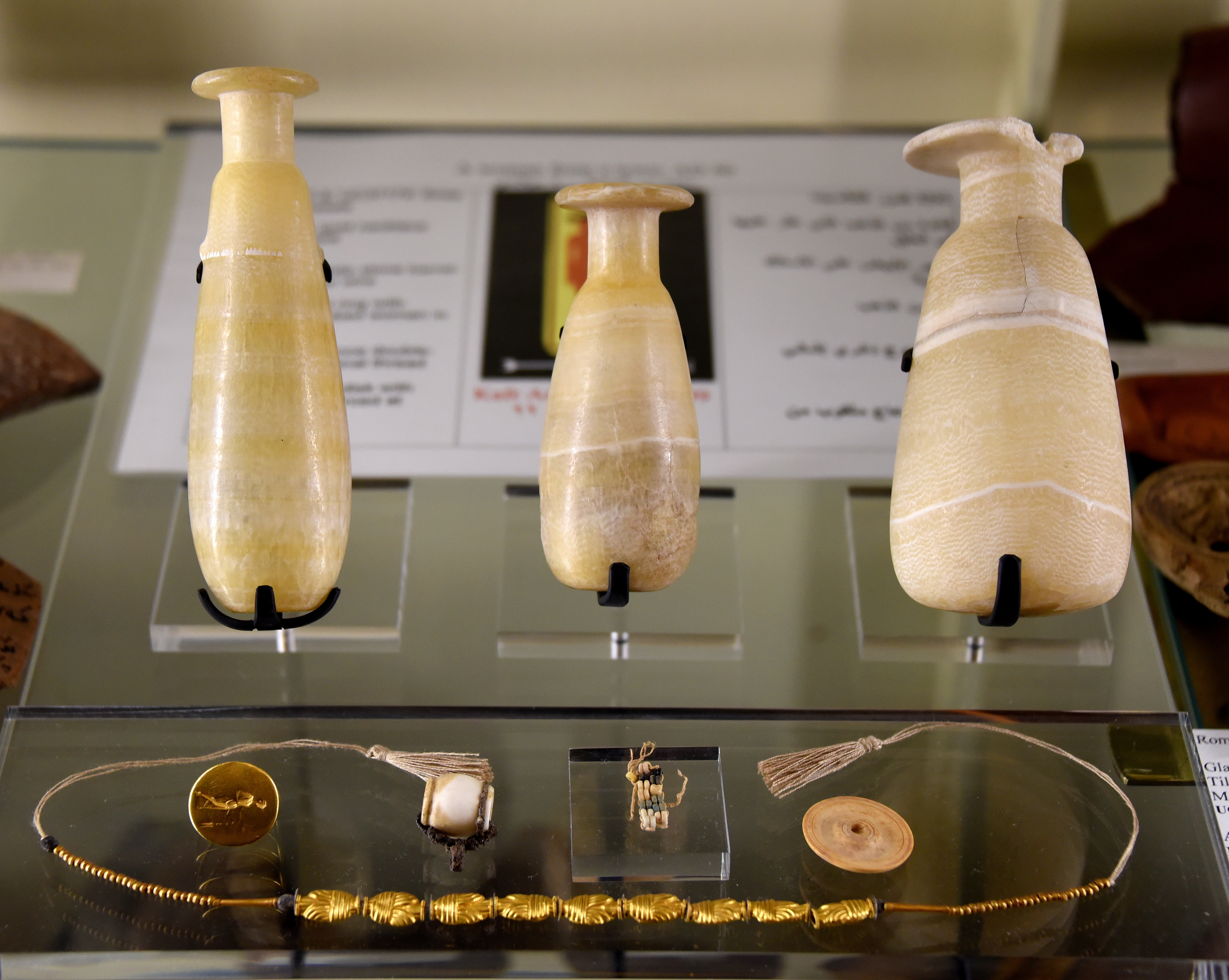
Tarkhan (Egypt)
Ancient Egyptian necropolis with mastabas and tombs.
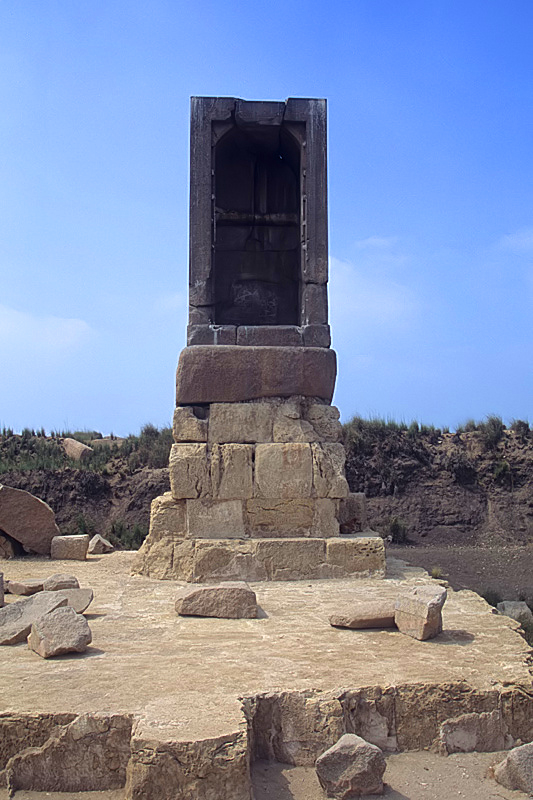
Mendes
Ancient city with significant religious structures.
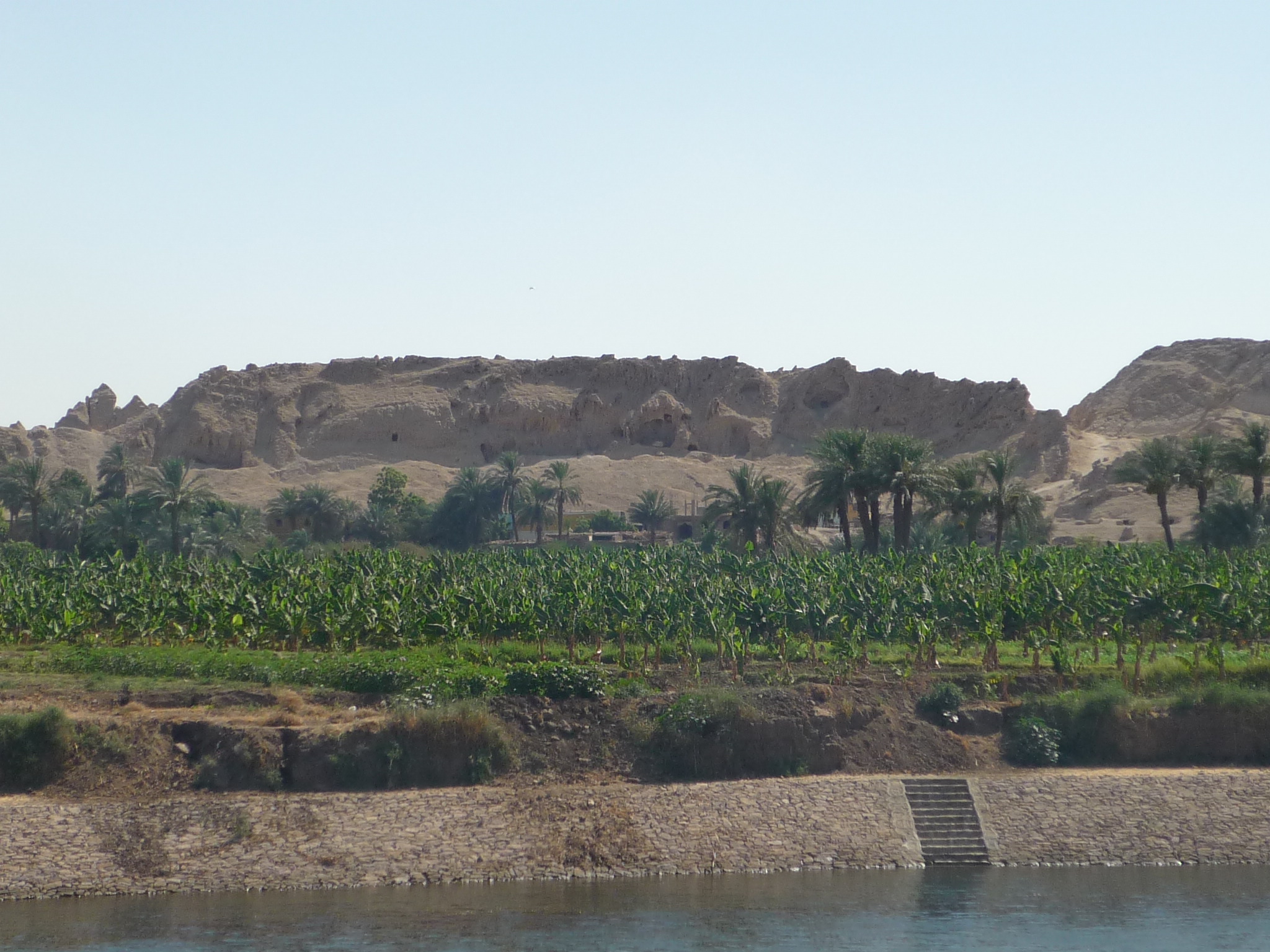
Gebelein
Archaeological site with mummies and temple ruins
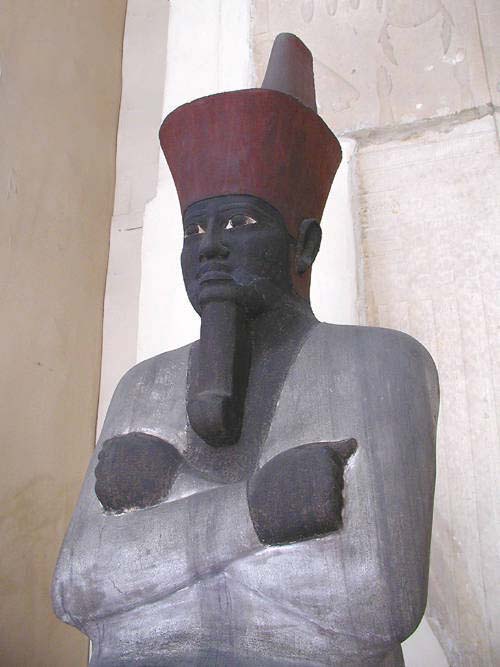
Thinis
Ancient Upper Egypt's undiscovered capital city.
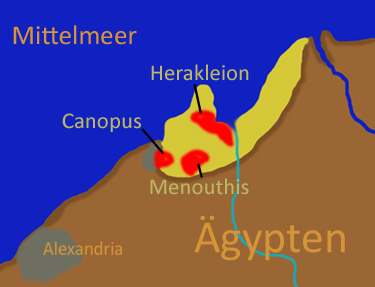
Canopus, Egypt
Submerged ancient Egyptian coastal town ruins
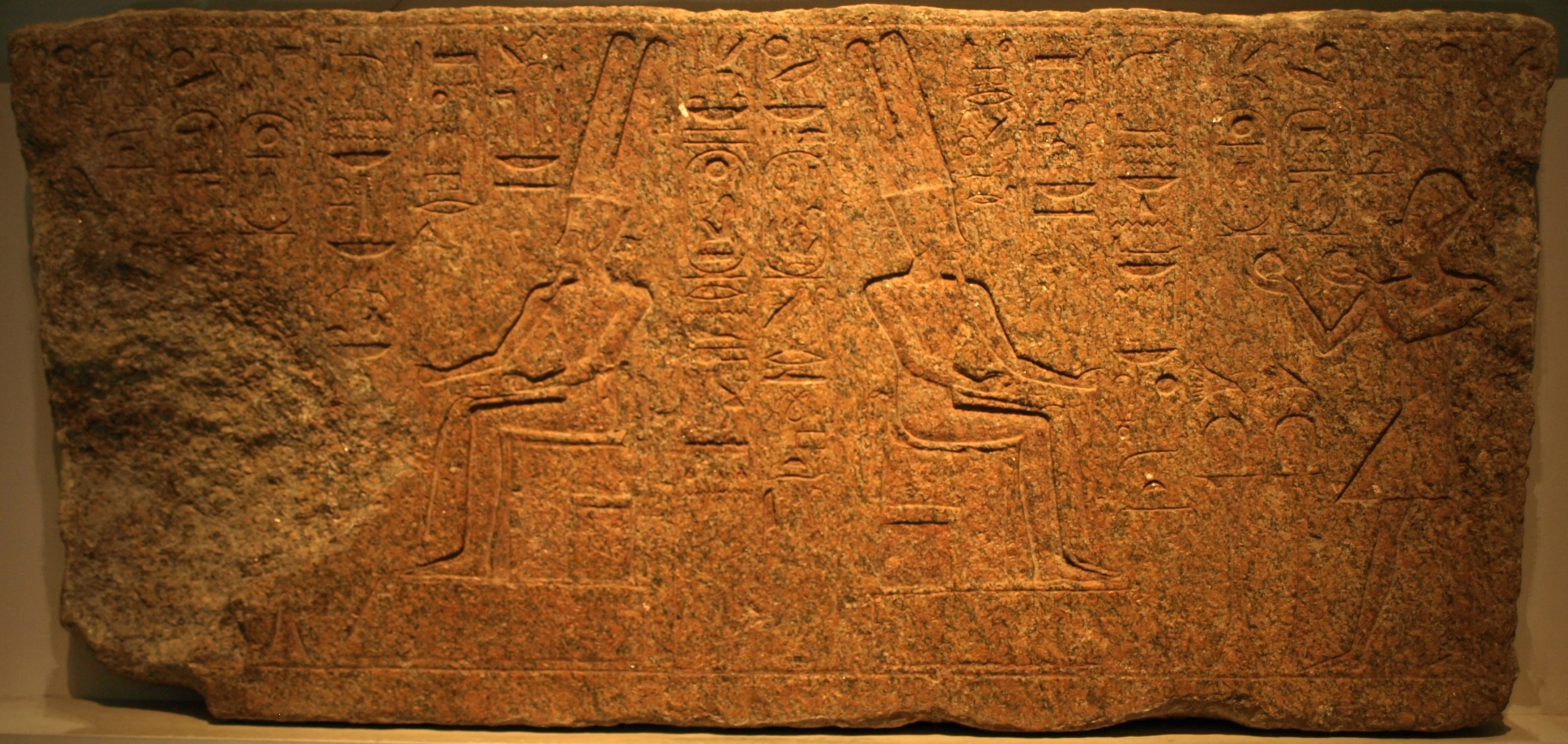
Bubastis
Ancient Egyptian city with Bastet temple