Explore the Map
Pithom
30.5519° N, 32.0986° E
About
Pithom, an ancient Egyptian city, holds significant archaeological interest due to its historical mentions and uncertain precise location. It is associated with two archaeological sites: Tell El Maskhuta and Tell El Retaba, both situated along the Wadi Tumilat. This city is notable in biblical and historical texts as a location involving the Israelites' forced labor. Archaeological evidence from Tell El Retaba suggests a settlement during the Second Intermediate Period, with significant developments such as fortifications and a temple dedicated to the deity Atum during the reign of Ramesses II. It continued to be an important habitation site through the 20th Dynasty and into the Late Period, reflecting a complex history of occupation and reoccupation. The presence of religious, defensive, and domestic structures underscores its role as a significant urban and religious center in ancient Egypt.
Historical Timeline
Journey through time and discover key events in this site's history
Second Intermediate Period settlement
17th century BCE
Late Period occupation
664–332 BCE
Occupation during 20th Dynasty
1186–1077 BCE
New fortifications by Ramesses II
1279–1213 BCE
Archaeological Features
Unique architectural and cultural elements found at this historical site
Storage Structures
Defensive Structures
Religious and Ritual Structures
Domestic and Habitation Structures
Frequently Asked Questions
Plan Your Visit
Tours, travel arrangements, and practical information
More Sites in Egypt
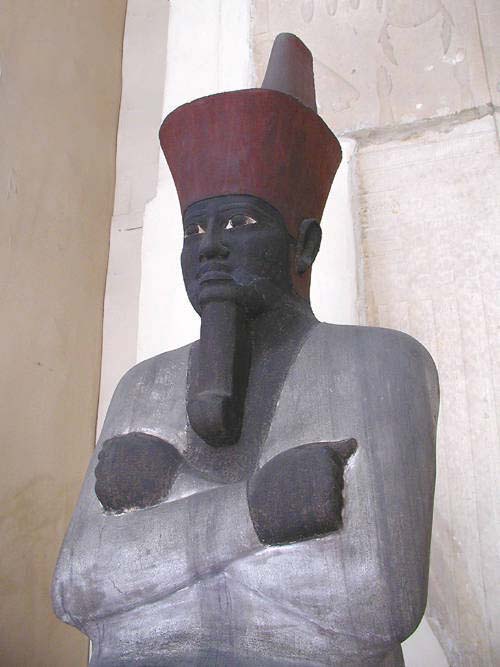
Thinis
Ancient Upper Egypt's undiscovered capital city.
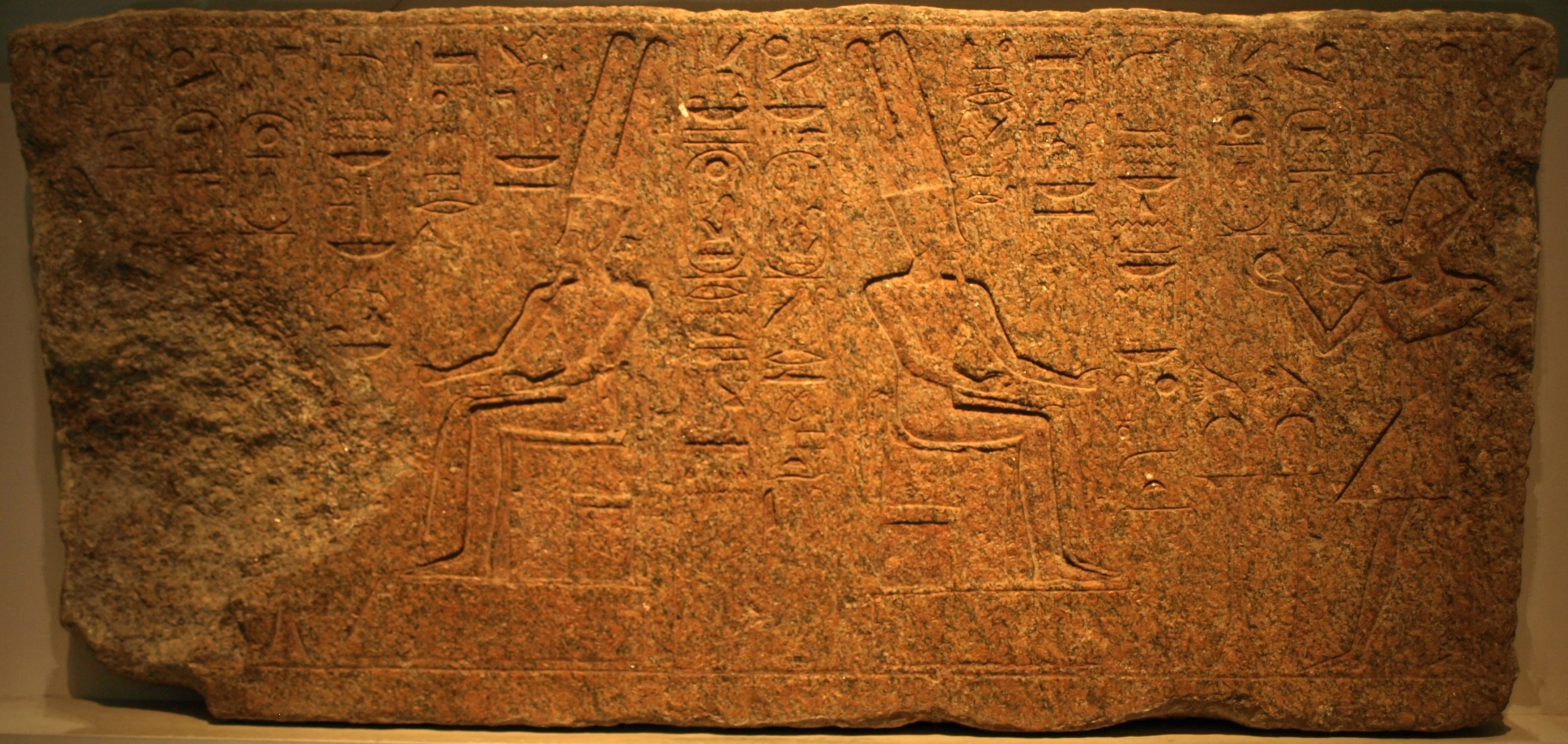
Bubastis
Ancient Egyptian city with Bastet temple
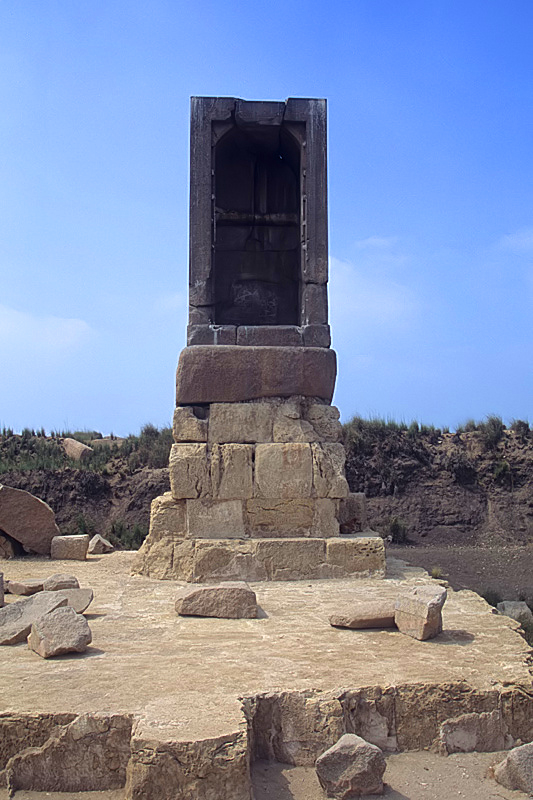
Mendes
Ancient city with significant religious structures.

Leontopolis (Heliopolis)
Ancient city with fortifications and a temple.
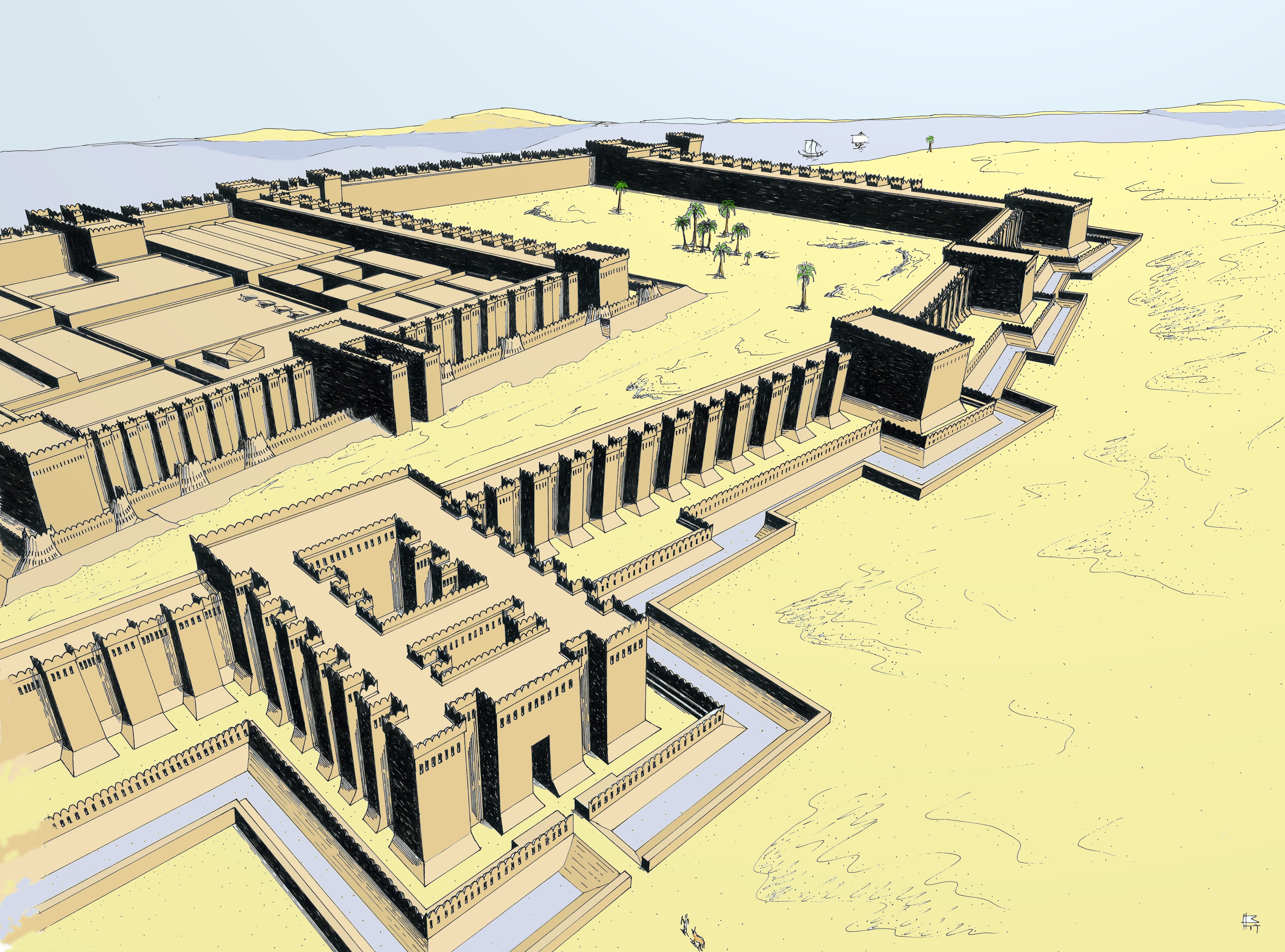
Buhen
Ancient Egyptian fortress with copper smelting.
Gebelein
Archaeological site with mummies and temple ruins