Time Periods
Paleolithic
Mesolithic
Neolithic
Chalcolithic
Bronze Age
Iron Age
Classical Period
Post-Classical Period
Early Modern Period
Industrial Period
Contemporary Period
Time Periods
Paleolithic
Mesolithic
Neolithic
Chalcolithic
Bronze Age
Iron Age
Classical Period
Post-Classical Period
Early Modern Period
Industrial Period
Contemporary Period
Location
About
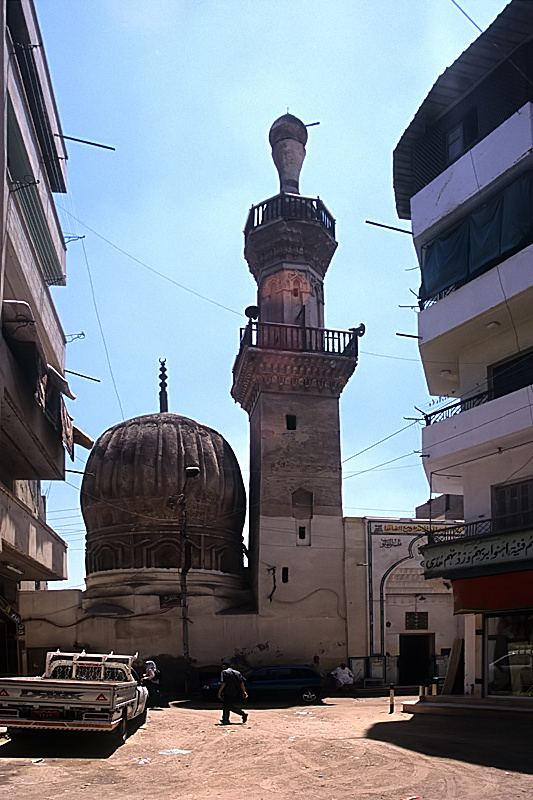
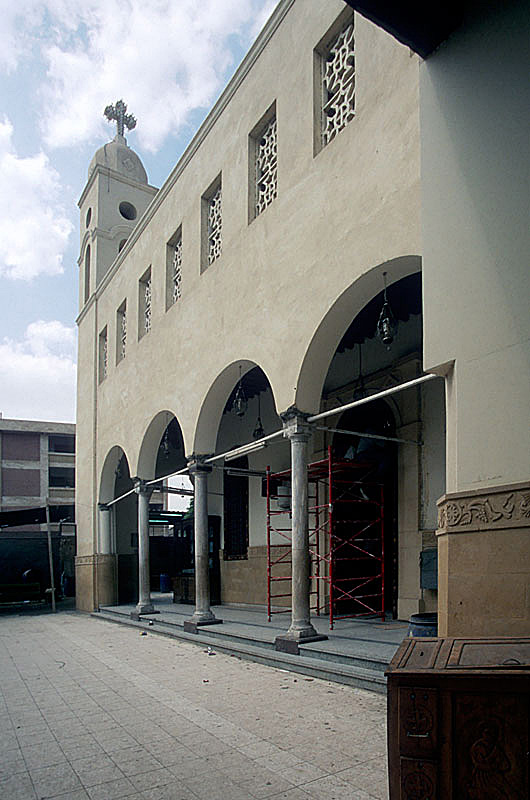
Samannud, known as Sebennytos in antiquity, is a significant archaeological site located in the Nile Delta. This historic city was the capital of the twelfth nome of Lower Egypt and served as the seat of the Thirtieth Dynasty in the 4th century BCE. It is notably recognized as the hometown of Manetho, a prominent historian from the Ptolemaic era, and Nectanebo II, the last native Pharaoh of Egypt. The city housed a temple dedicated to the local god Anhur and his consort Mehit, now in ruins. Samannud resisted the Muslim conquest in the 7th century CE and experienced several revolts in the subsequent centuries. The presence of a large Christian population during the late thirteenth century is evidenced by the active bishopric and the origin of three Coptic Patriarchs from the city.
Gallery
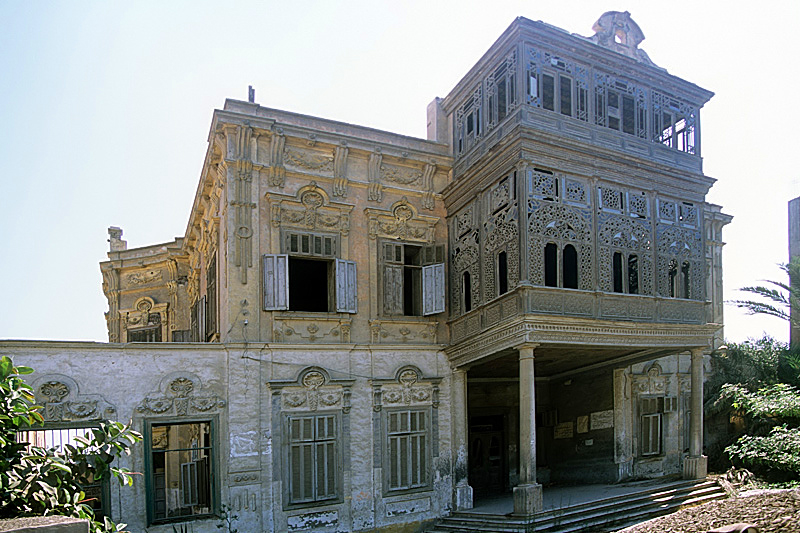
Explore photographs of ancient structures, artifacts, and archaeological excavations at Samannud
Archaeological Features
Explore the unique architectural and cultural elements found at this historical site
Religious and Ritual Structures
Domestic and Habitation Structures
Historical Timeline
Journey through time and discover key events in this site's archaeological history
Plan Your Visit
Details
- Country
- Egypt
- Source
- Wikipedia
More Sites in Egypt
Esna
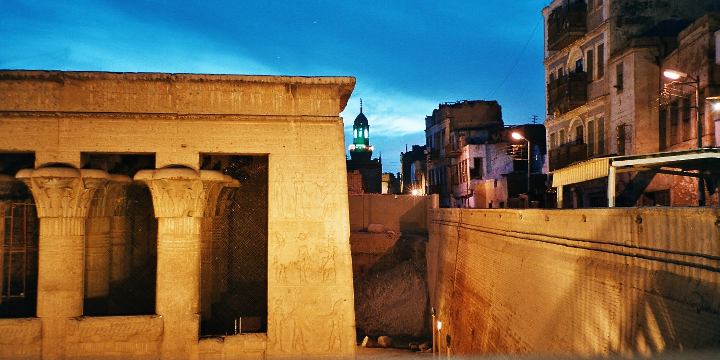
Ancient Egyptian city with notable temples.
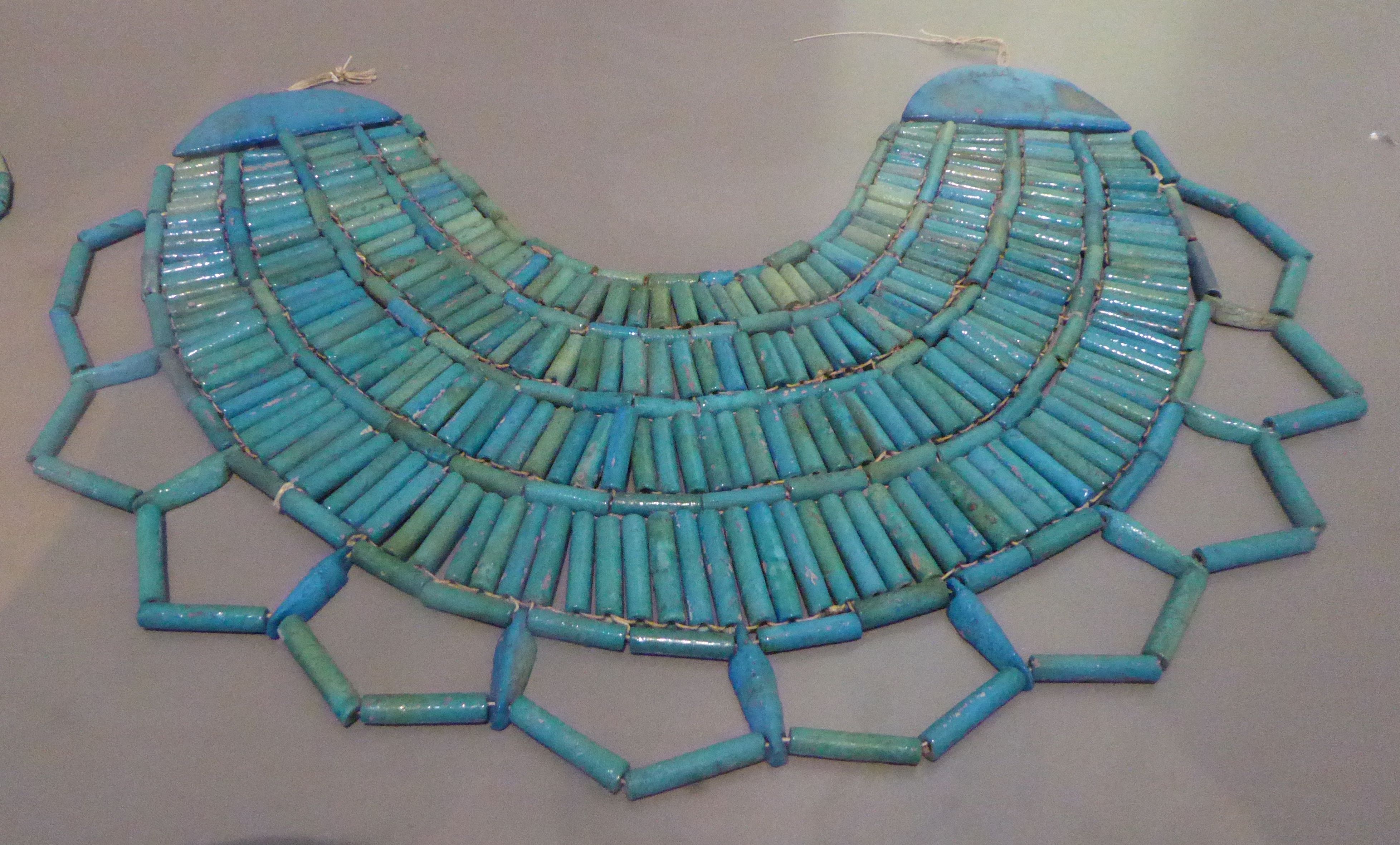
Sedment
Ancient village with cemeteries and Christian history.
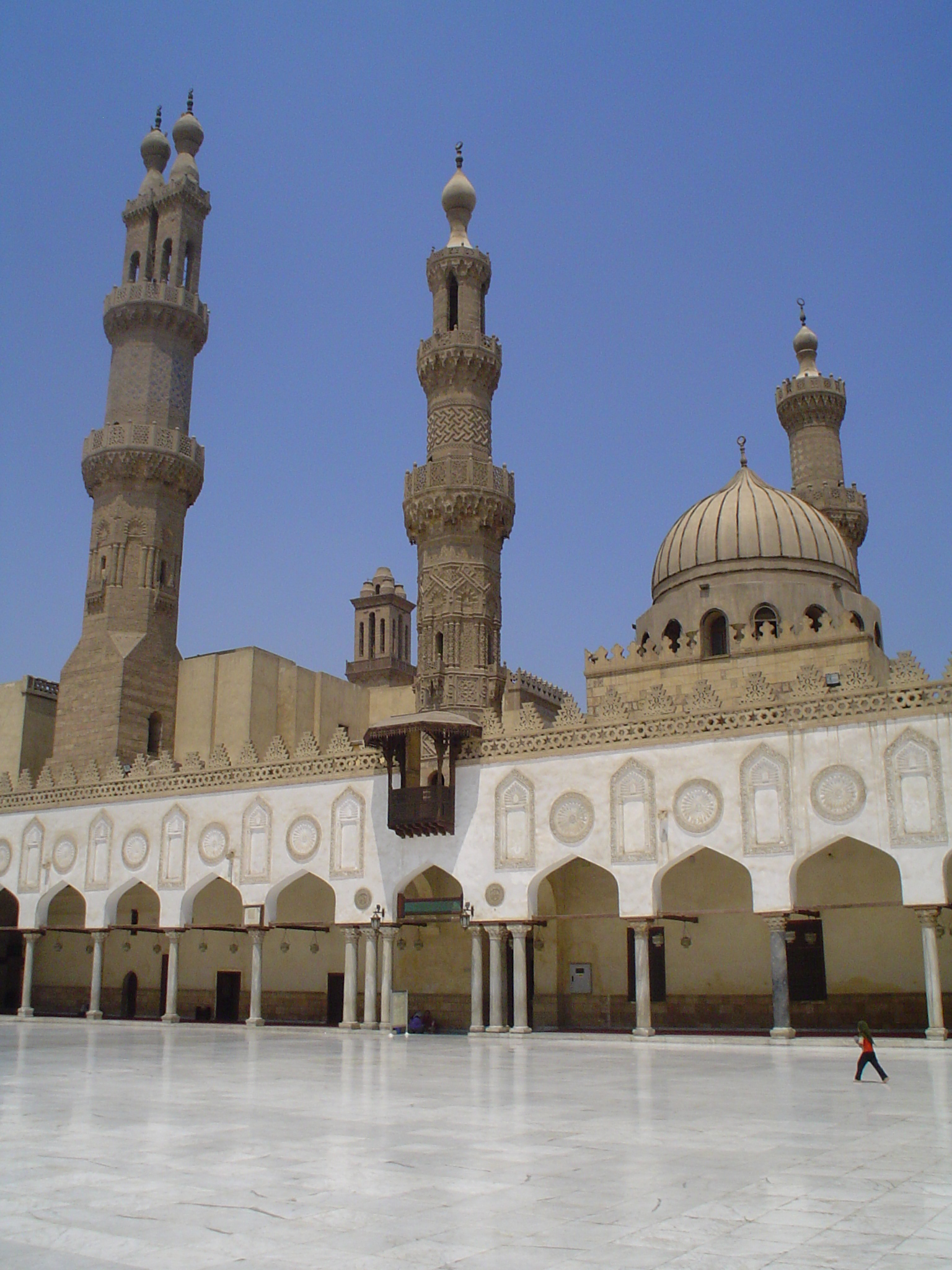
Islamic Cairo
Historic Islamic city with rich architecture
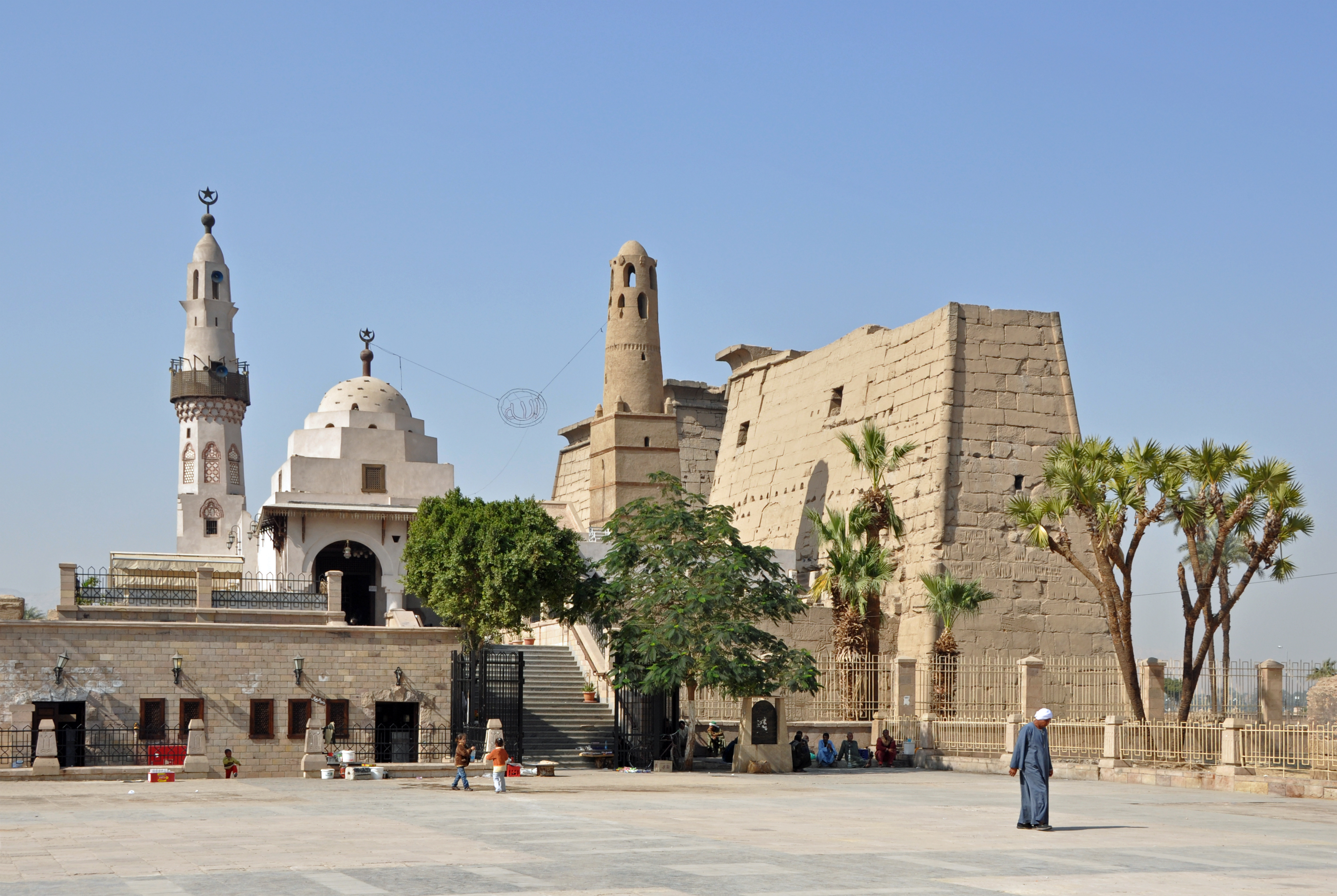
Luxor
Ancient city with temples and tombs
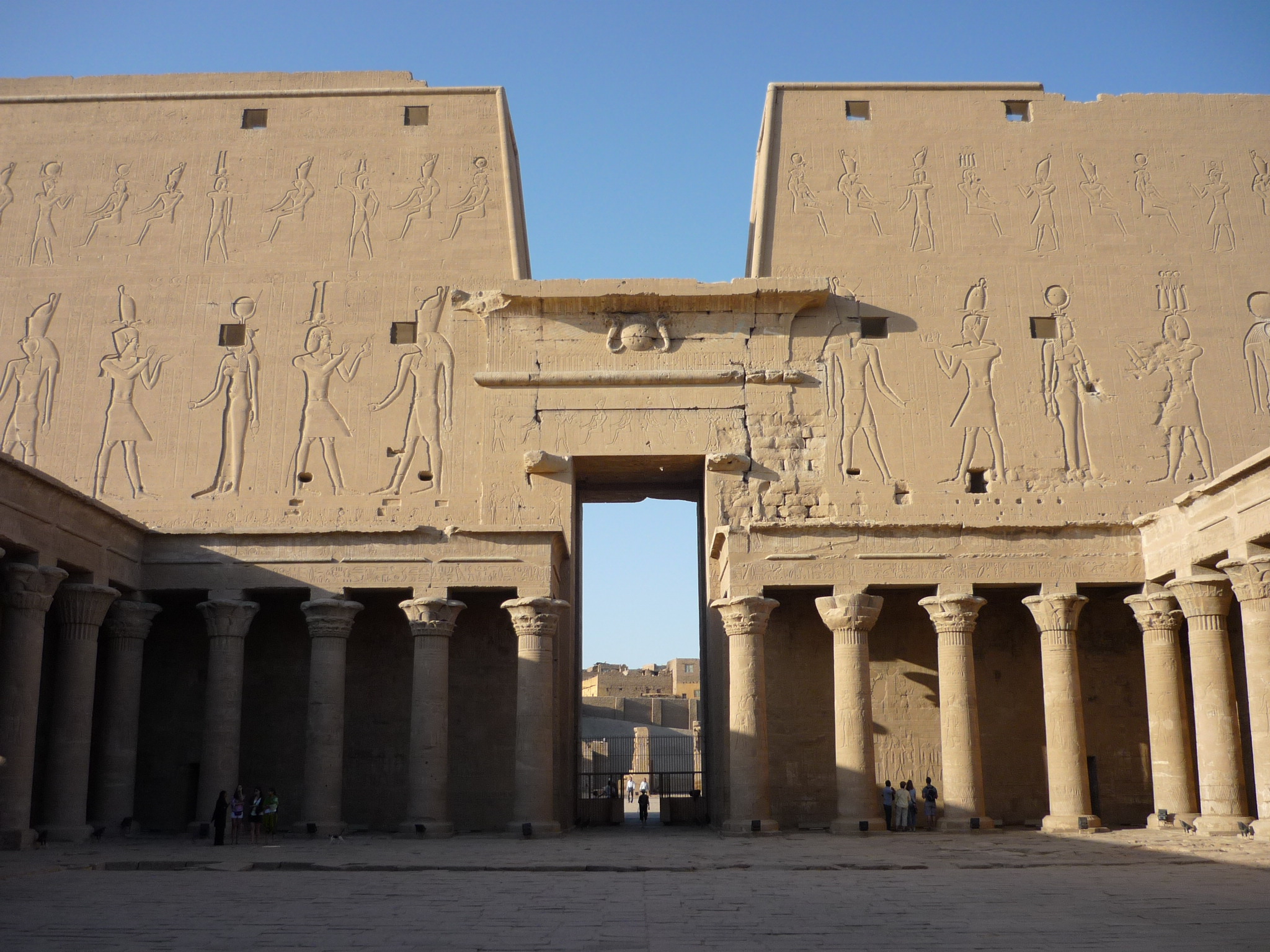
Edfu
Ancient Egyptian city with temple and settlement.
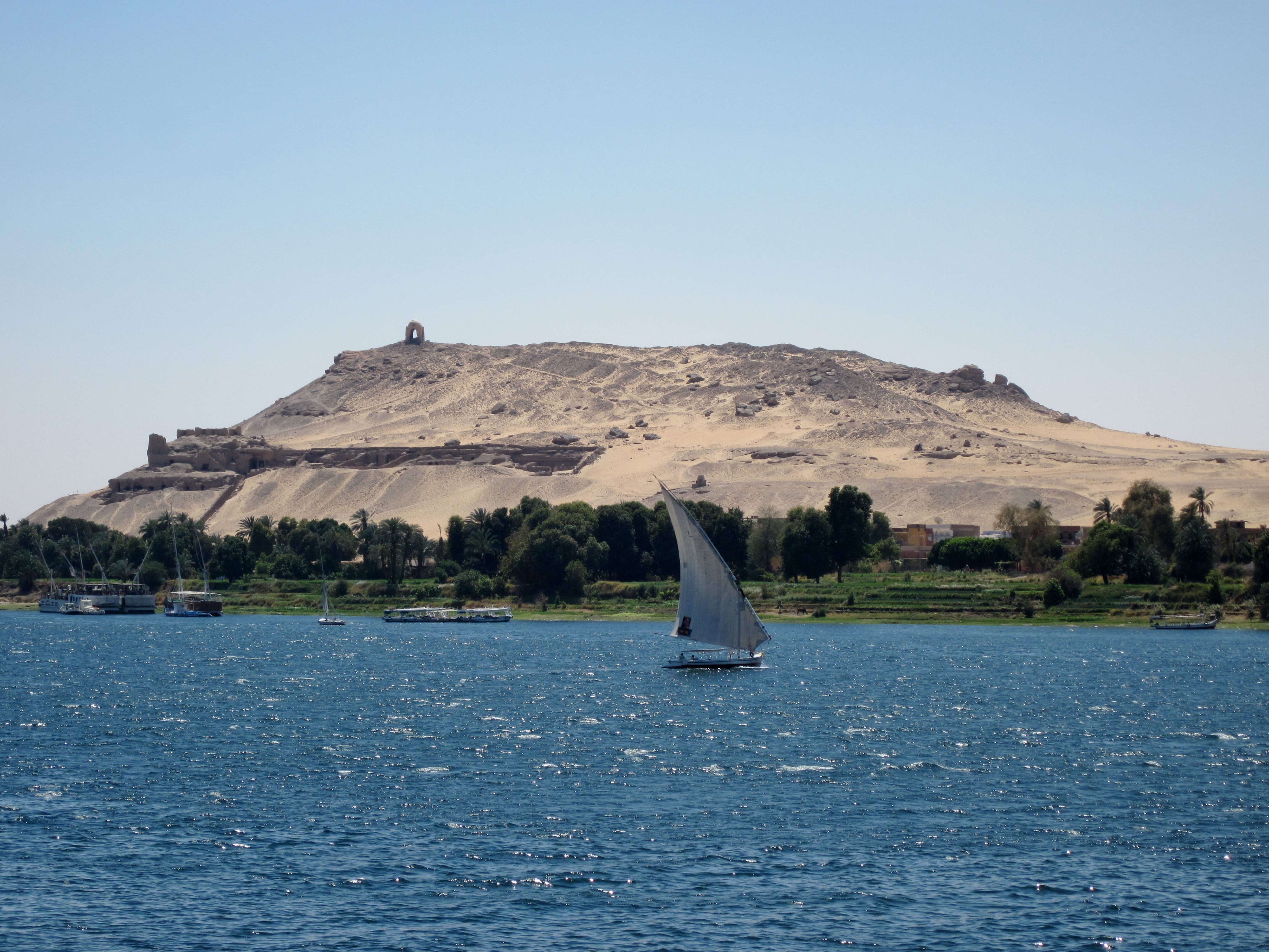
Qubbet el-Hawa
Ancient necropolis on Nile's west bank