Explore the Map
Tell el-Balamun
31.2586° N, 31.5714° E
About
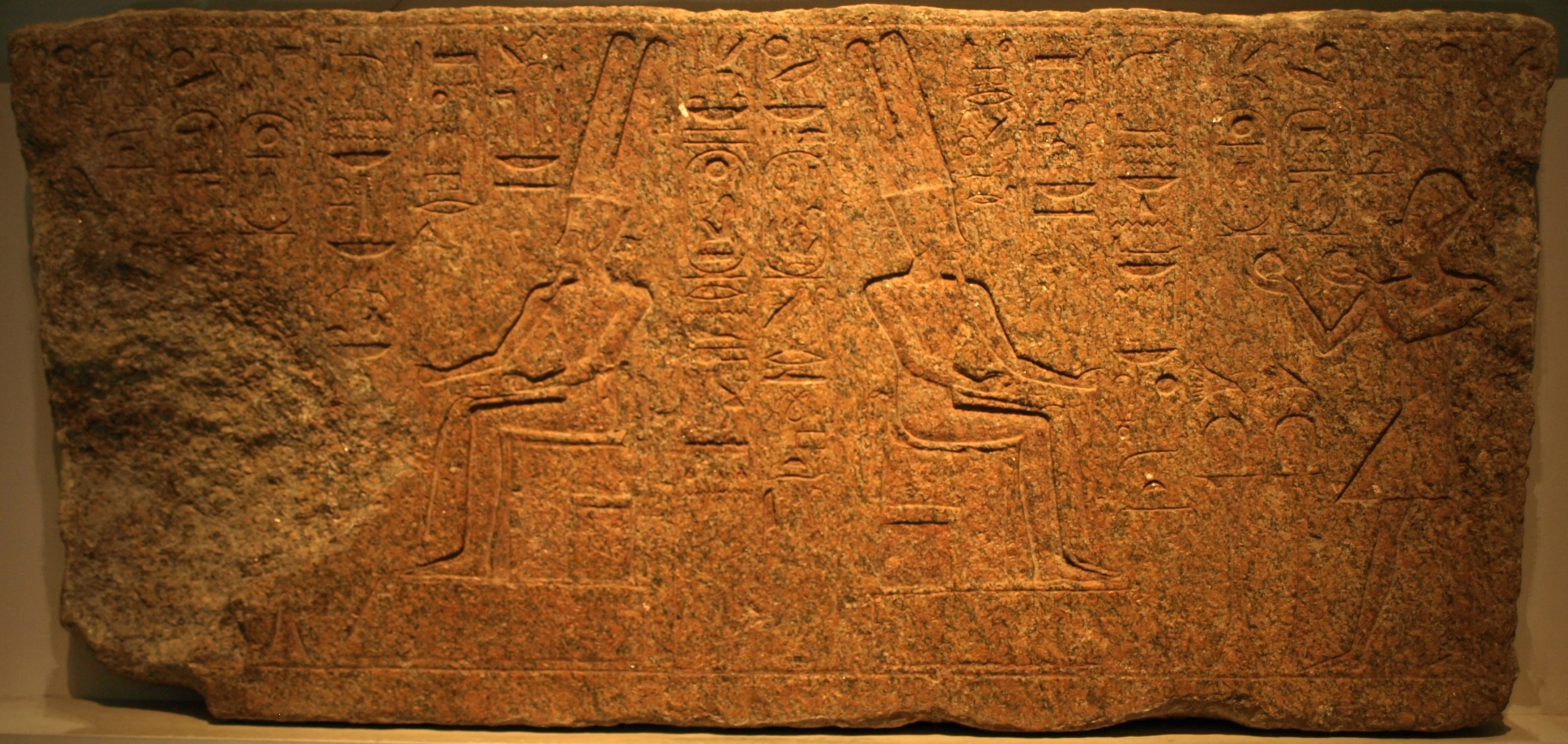
Tell el-Balamun, formerly known as Smabehdet, is an ancient city in Egypt dating back to at least 2400 BCE. Initially a port city on a Nile estuary, it became an inland city due to the Nile delta's advancement. Renamed Paiuenamun during the New Kingdom, this site boasts a rich archaeological heritage with a complex of temples originating from the 26th and 30th dynasties. In addition to its religious significance, Tell el-Balamun includes a fortress, trenches, and a Roman limestone-paved road that highlights its strategic importance. The site also contains a cemetery for elite citizens and the tomb of Vizier Iken, showcasing its continuous occupation and development through various historical periods. The archaeological excavations, notably by Howard Carter and later the British Museum, have provided insight into its historical grandeur and transformation over millennia.
Historical Timeline
Journey through time and discover key events in this site's history
Smabehdet foundation
2400 BCE
Renaming to Paiuenamun
1200 BCE
Vizier Iken's tomb
900 BCE
Roman city development
500 CE
Archaeological Features
Unique architectural and cultural elements found at this historical site
Defensive Structures
Burial and Funerary Structures
Religious and Ritual Structures
Domestic and Habitation Structures
Environmental and Natural Features
Transportation and Communication Structures
Frequently Asked Questions
Plan Your Visit
Tours, travel arrangements, and practical information
More Sites in Egypt
Thinis
Ancient Upper Egypt's undiscovered capital city.
Mendes
Ancient city with significant religious structures.
Gebelein
Archaeological site with mummies and temple ruins
Tarkhan (Egypt)
Ancient Egyptian necropolis with mastabas and tombs.

Leontopolis (Heliopolis)
Ancient city with fortifications and a temple.
Bubastis
Ancient Egyptian city with Bastet temple