Explore the Map
Tell el-Kuʿ
30.5089° N, 31.9101° E
About
Tell el-Kuʿ is an archaeological site located in the eastern Nile Delta, Egypt, specifically at the Wadi Tumilat. The site has been identified as both a cemetery and a settlement with significant occupation during the Second Intermediate Period, spanning from the late Middle Kingdom to the early New Kingdom (approximately 1650 BCE to 1550 BCE). The site reveals intriguing burial practices of non-Egyptian origin, such as donkey burials, which are also observed at other eastern Delta sites like Tell el-Dab'a and Tell Basta. Its settlement architecture shows similarities with Tell el-Maskhuta, indicating a potential regional architectural style. The site likely played a role in trade between Egypt and the Levant during this period. Excavations have unearthed important insights into both funerary practices and domestic life, enriching our understanding of cultural exchanges and interactions in ancient Egypt.
Historical Timeline
Journey through time and discover key events in this site's history
Late Middle Kingdom to Early New Kingdom
1650 BCE, 1550 BCE
Archaeological Features
Unique architectural and cultural elements found at this historical site
Burial and Funerary Structures
Domestic and Habitation Structures
Frequently Asked Questions
Plan Your Visit
Tours, travel arrangements, and practical information
More Sites in Egypt
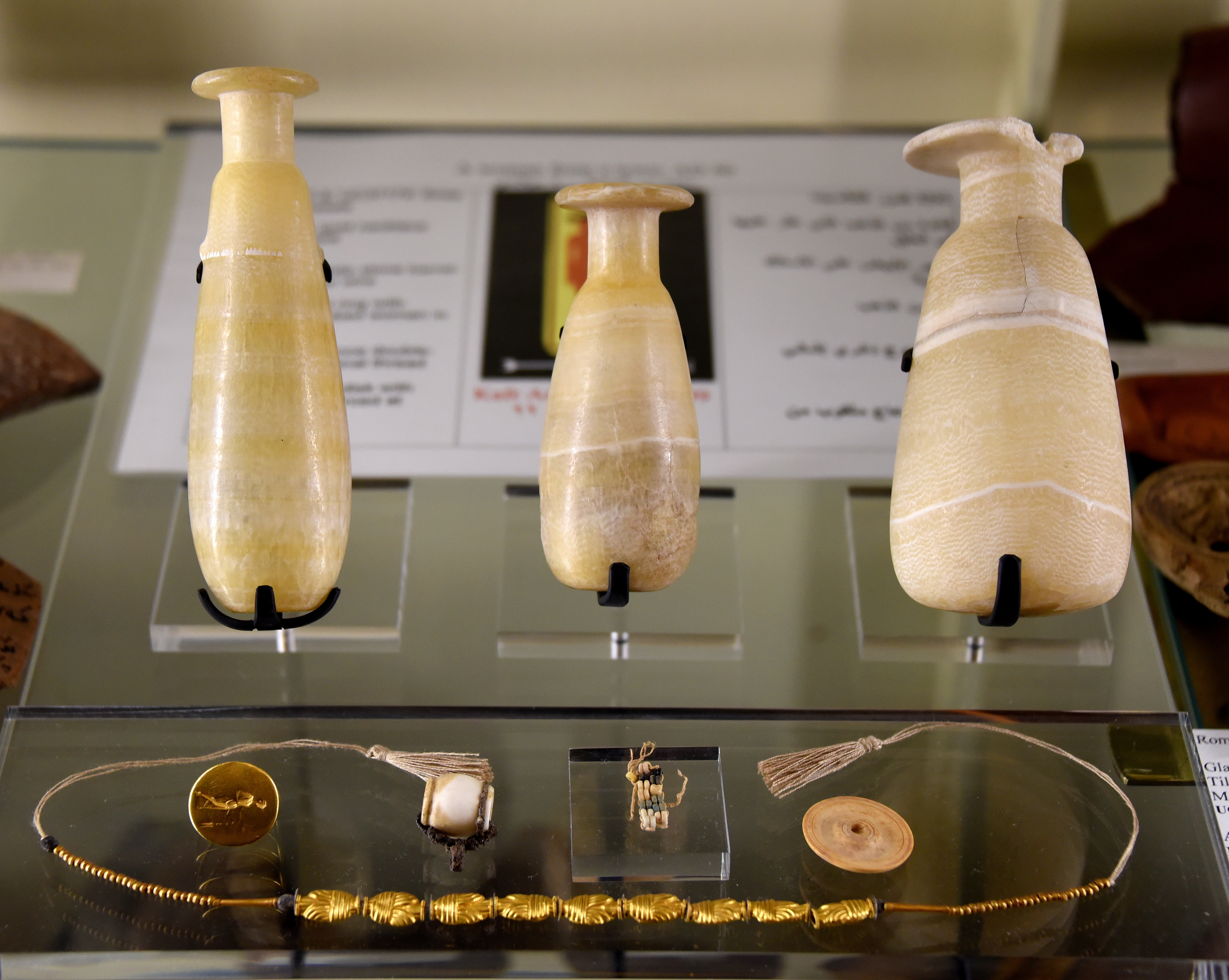
Tarkhan (Egypt)
Ancient Egyptian necropolis with mastabas and tombs.
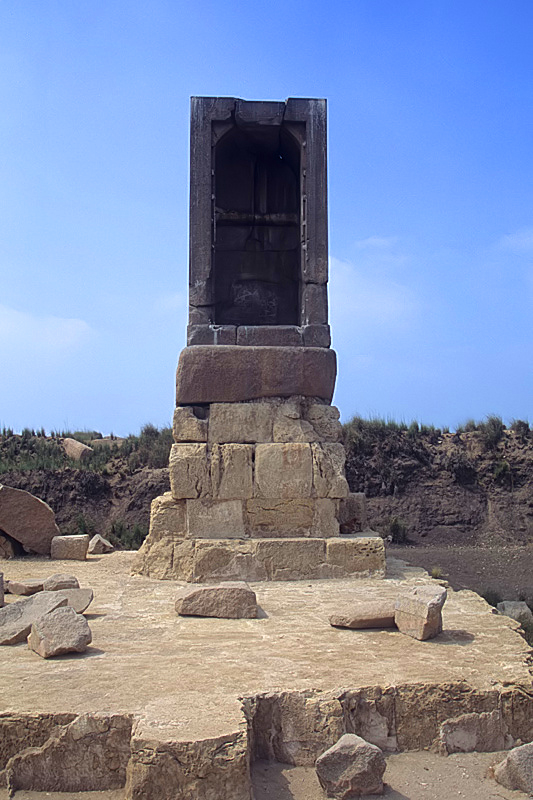
Mendes
Ancient city with significant religious structures.
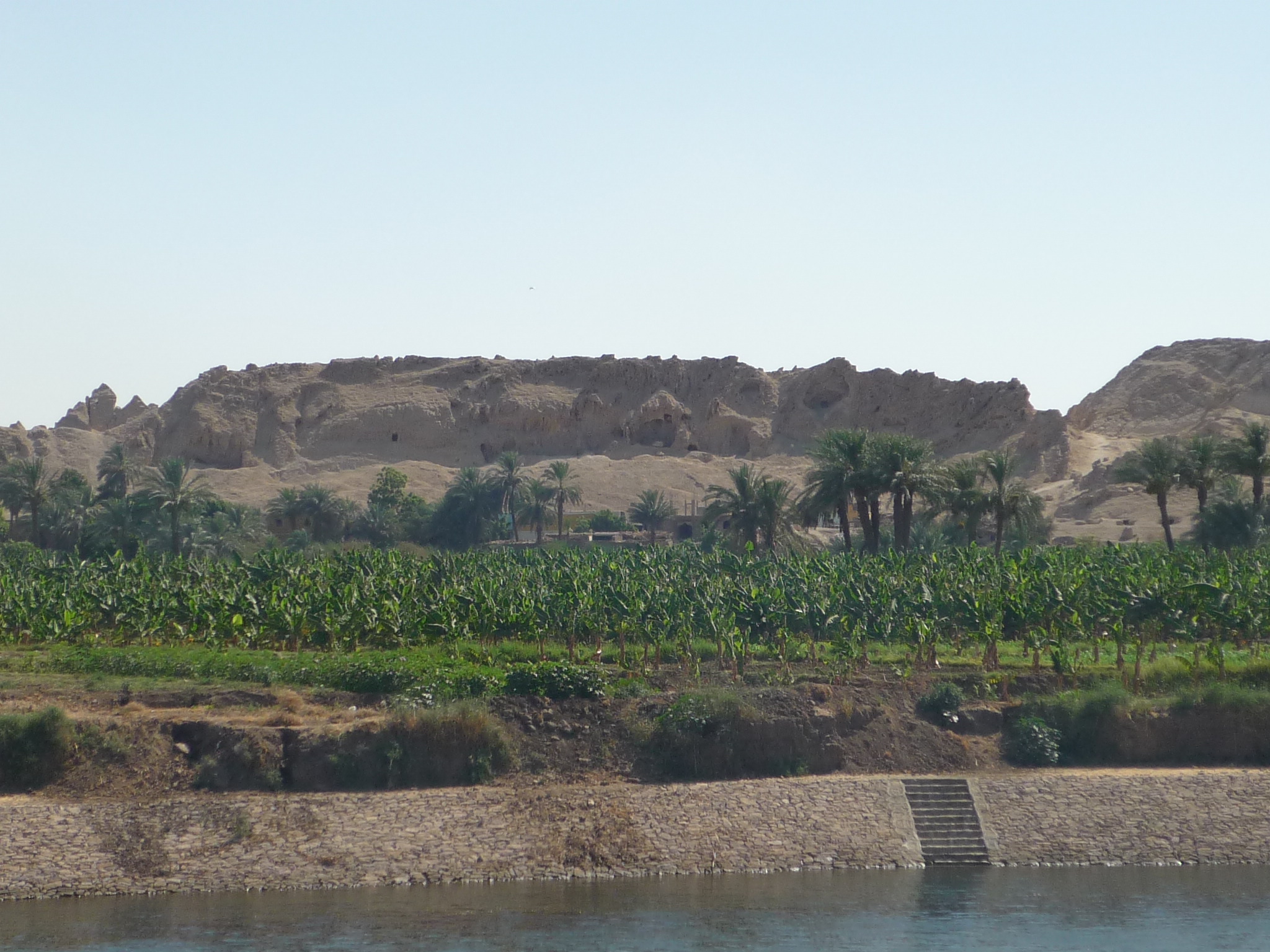
Gebelein
Archaeological site with mummies and temple ruins

Leontopolis (Heliopolis)
Ancient city with fortifications and a temple.
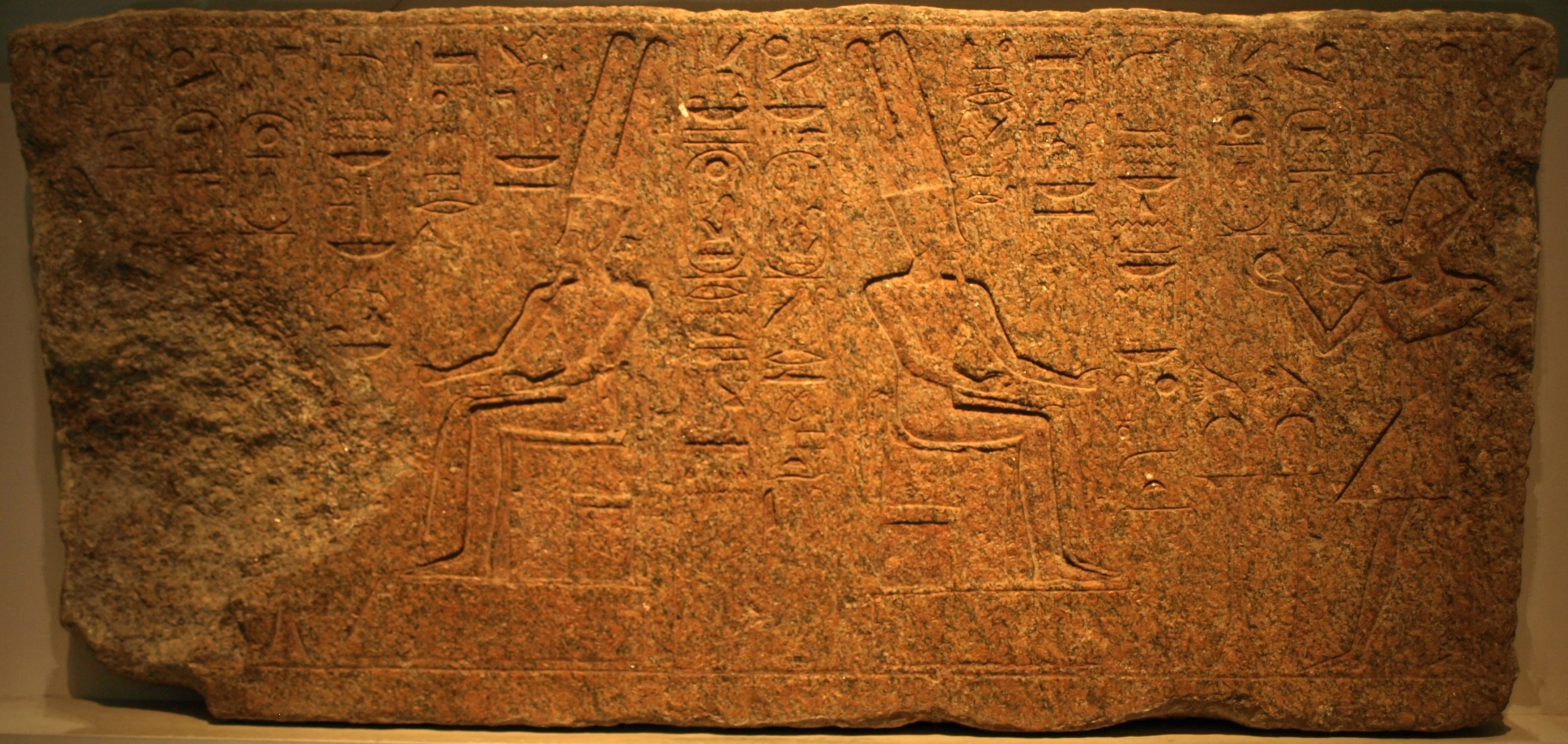
Bubastis
Ancient Egyptian city with Bastet temple
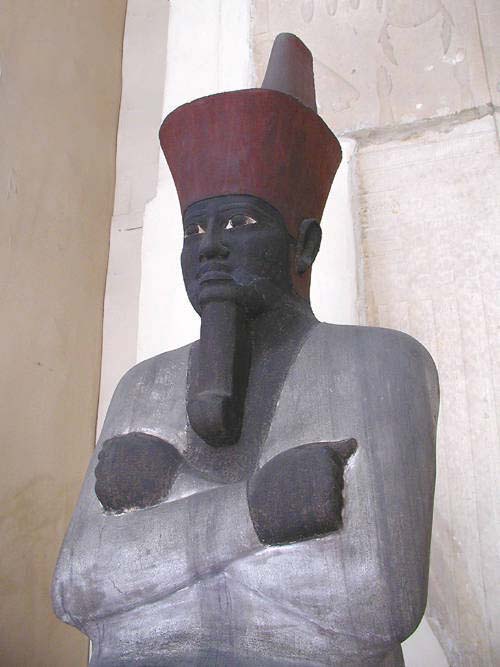
Thinis
Ancient Upper Egypt's undiscovered capital city.