
Explore the Map
Thebes, Egypt
25.7206° N, 32.6103° E
About
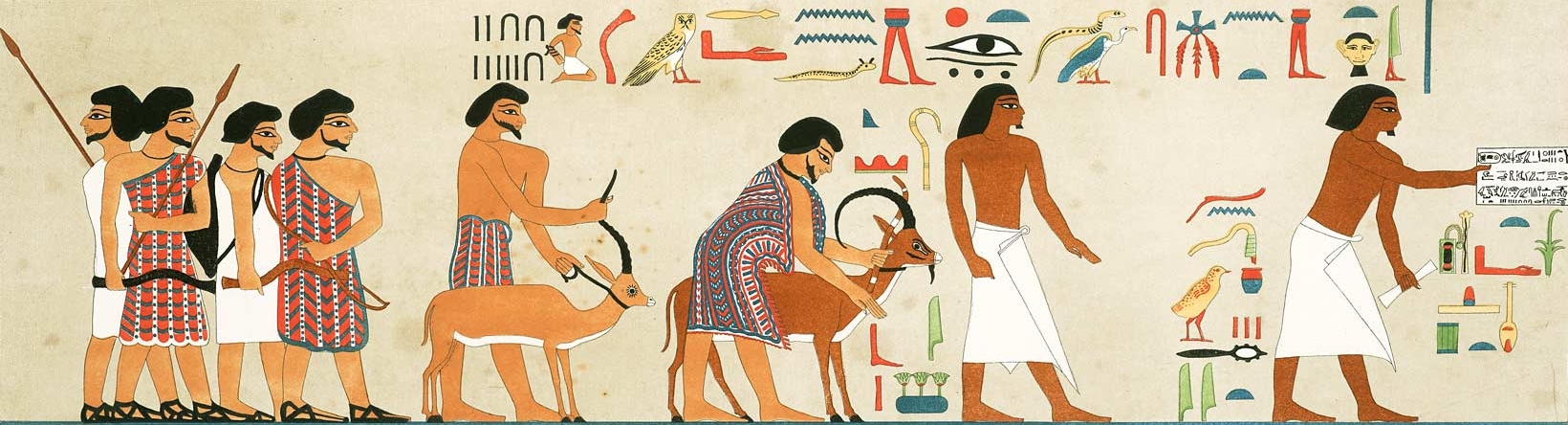
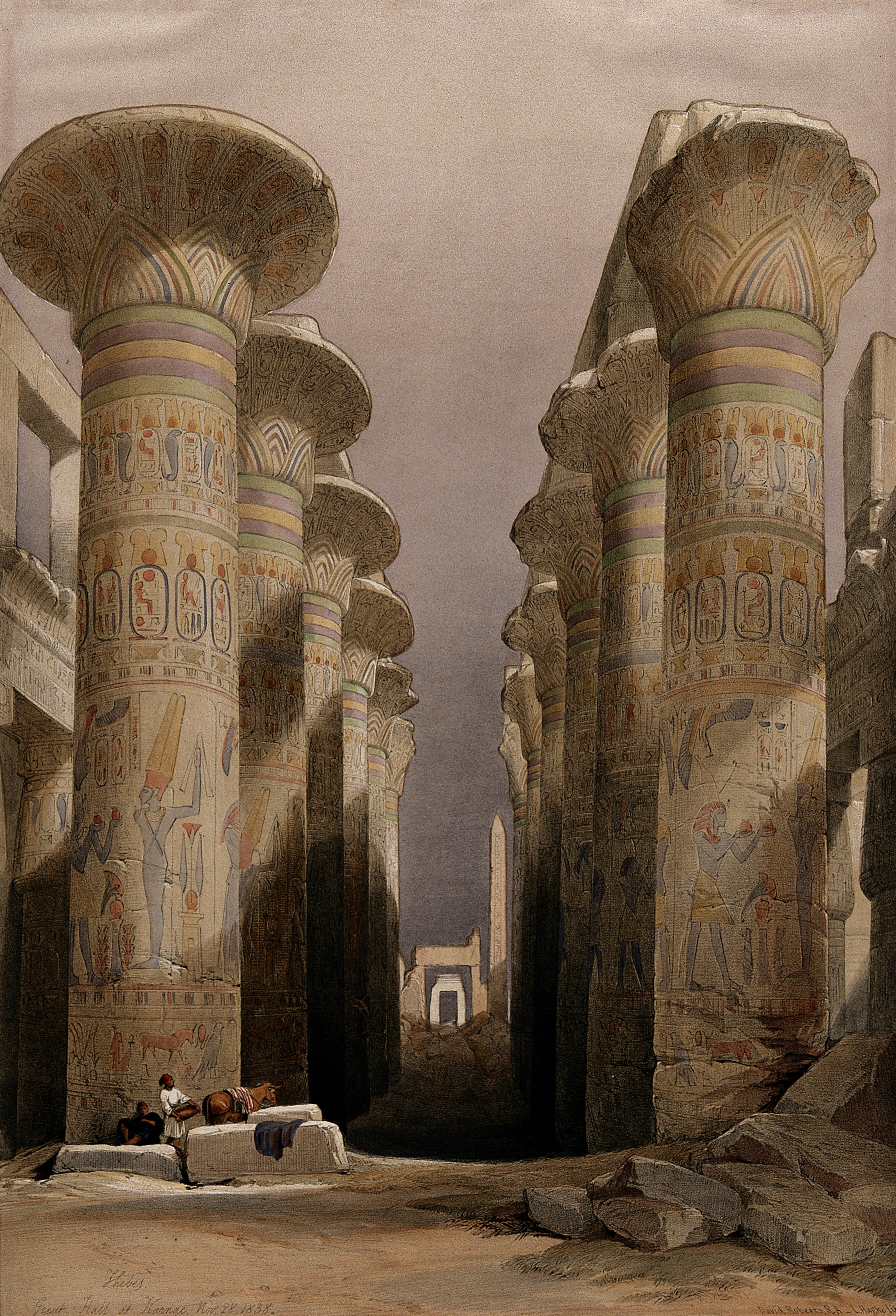
Located along the Nile River, Thebes was a prominent city in ancient Egypt, known for its significant role as a religious and political center from the Middle Kingdom through the New Kingdom. The city was home to monumental structures such as the temples of Karnak and Luxor, as well as the royal necropolis in the Valley of the Kings. Thebes thrived under the reign of notable pharaohs like Mentuhotep II and Amenhotep III, who contributed to its architectural and cultural grandeur. Despite its decline after the Assyrian invasion in the 7th century BCE, Thebes remained a key religious hub. Its archaeological remnants reflect the wealth and influence Thebes wielded in ancient times, offering crucial insights into the civilization's history and development.
Gallery
Explore photographs of ancient structures, artifacts, and archaeological excavations
Historical Timeline
Journey through time and discover key events in this site's history
Inhabited from
3200 BCE
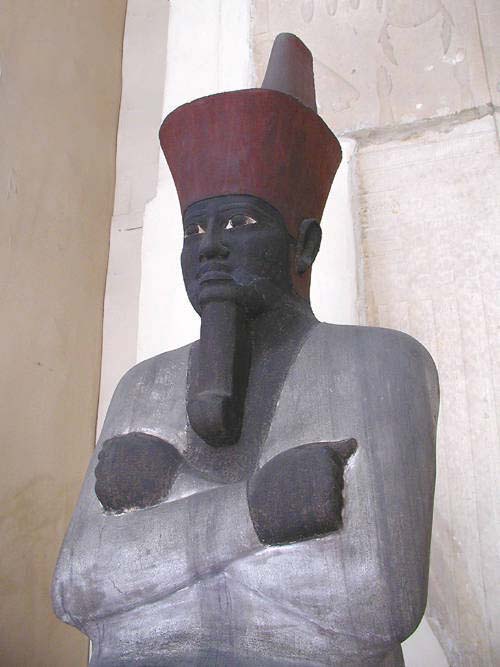
Mentuhotep II reunites Egypt
2050 BCE
Hyksos rule Lower Egypt
1657 BCE
Ahmose I expels Hyksos
1549 BCE
Amenhotep III's reign
1388 BCE
Assyrian sack of Thebes
663 BCE
Roman period begins
30 BCE
Archaeological Features
Unique architectural and cultural elements found at this historical site
Storage Structures
Public and Civic Structures
Burial and Funerary Structures
Religious and Ritual Structures
Artistic and Decorative Features
Domestic and Habitation Structures
Frequently Asked Questions
Plan Your Visit
Tours, travel arrangements, and practical information


More Sites in Egypt
Thinis
Ancient Upper Egypt's undiscovered capital city.
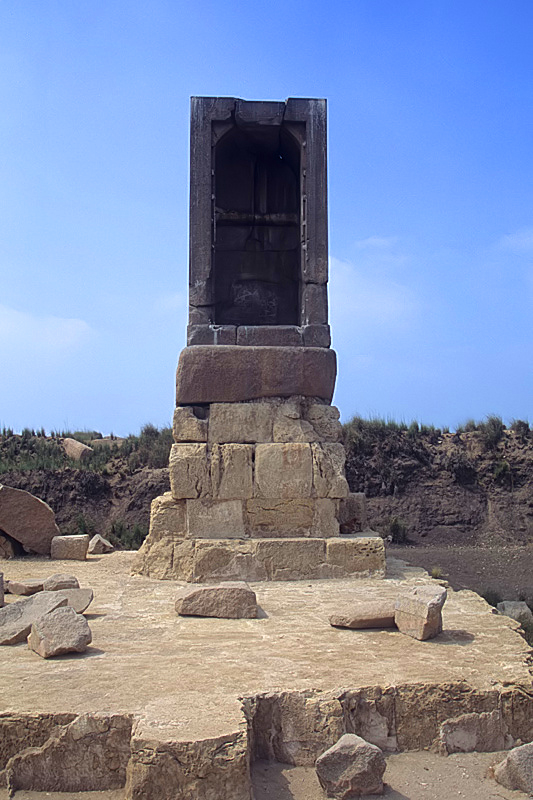
Mendes
Ancient city with significant religious structures.

Leontopolis (Heliopolis)
Ancient city with fortifications and a temple.
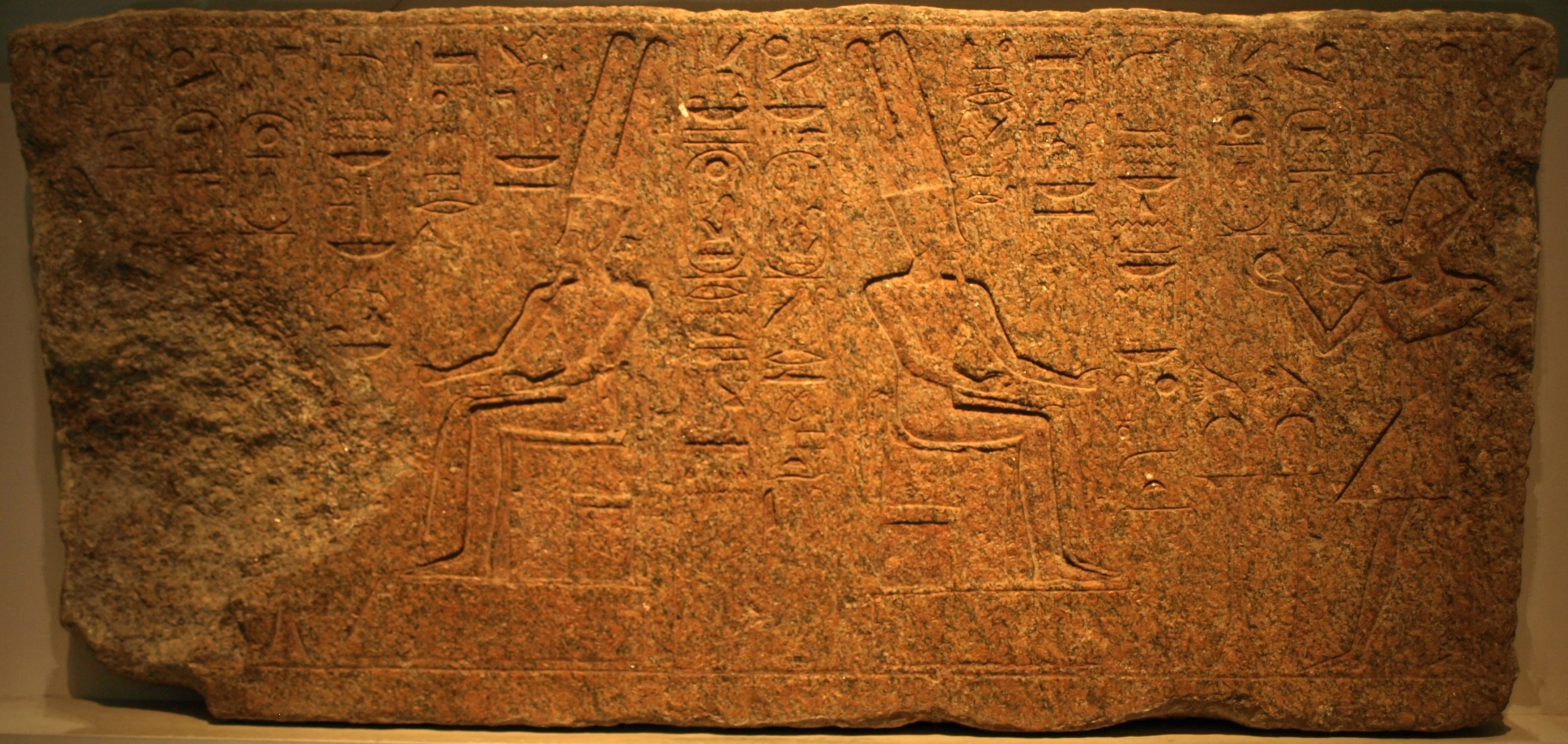
Bubastis
Ancient Egyptian city with Bastet temple
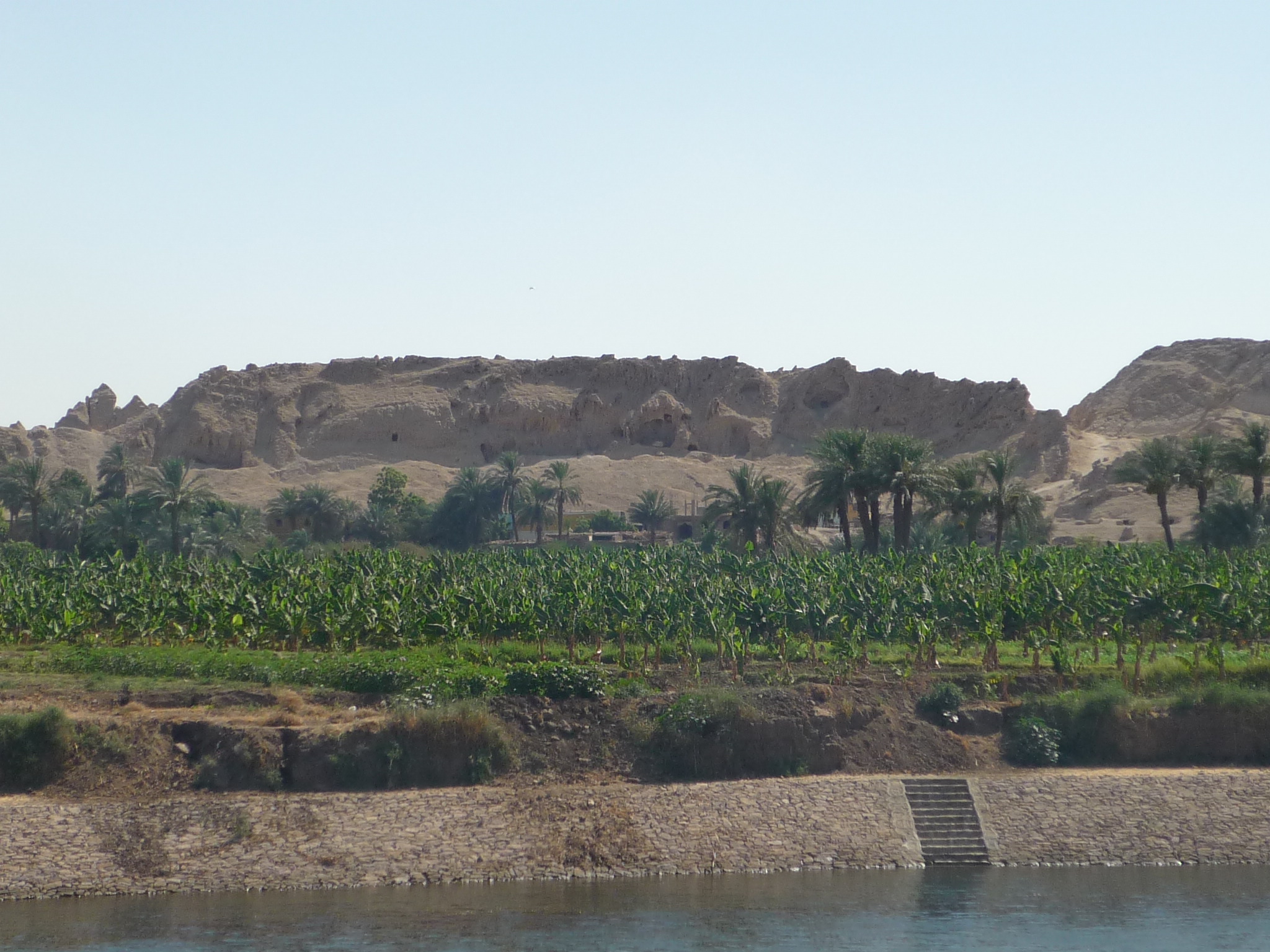
Gebelein
Archaeological site with mummies and temple ruins
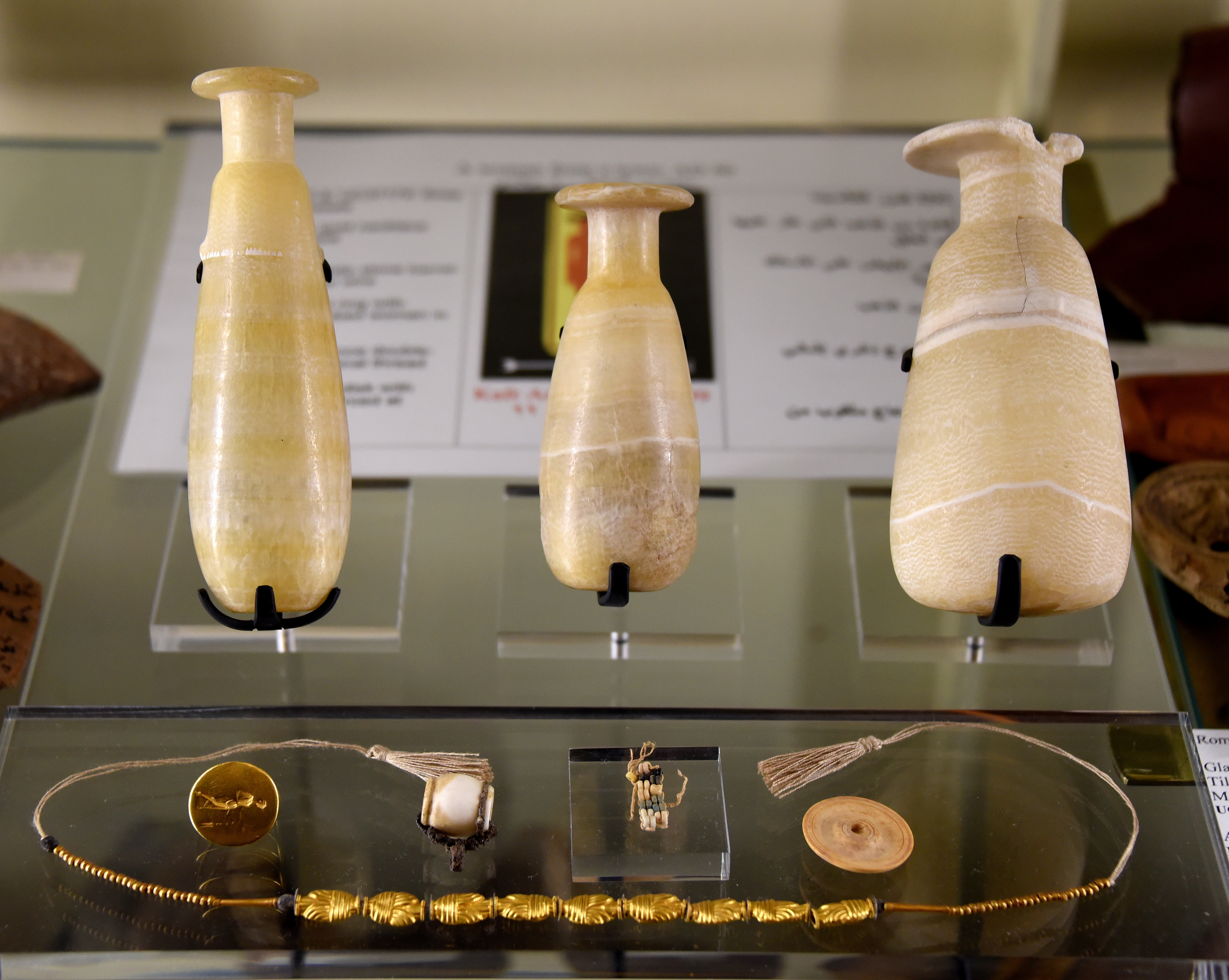
Tarkhan (Egypt)
Ancient Egyptian necropolis with mastabas and tombs.