Explore the Map
Unfinished obelisk
24.0769° N, 32.8954° E
About
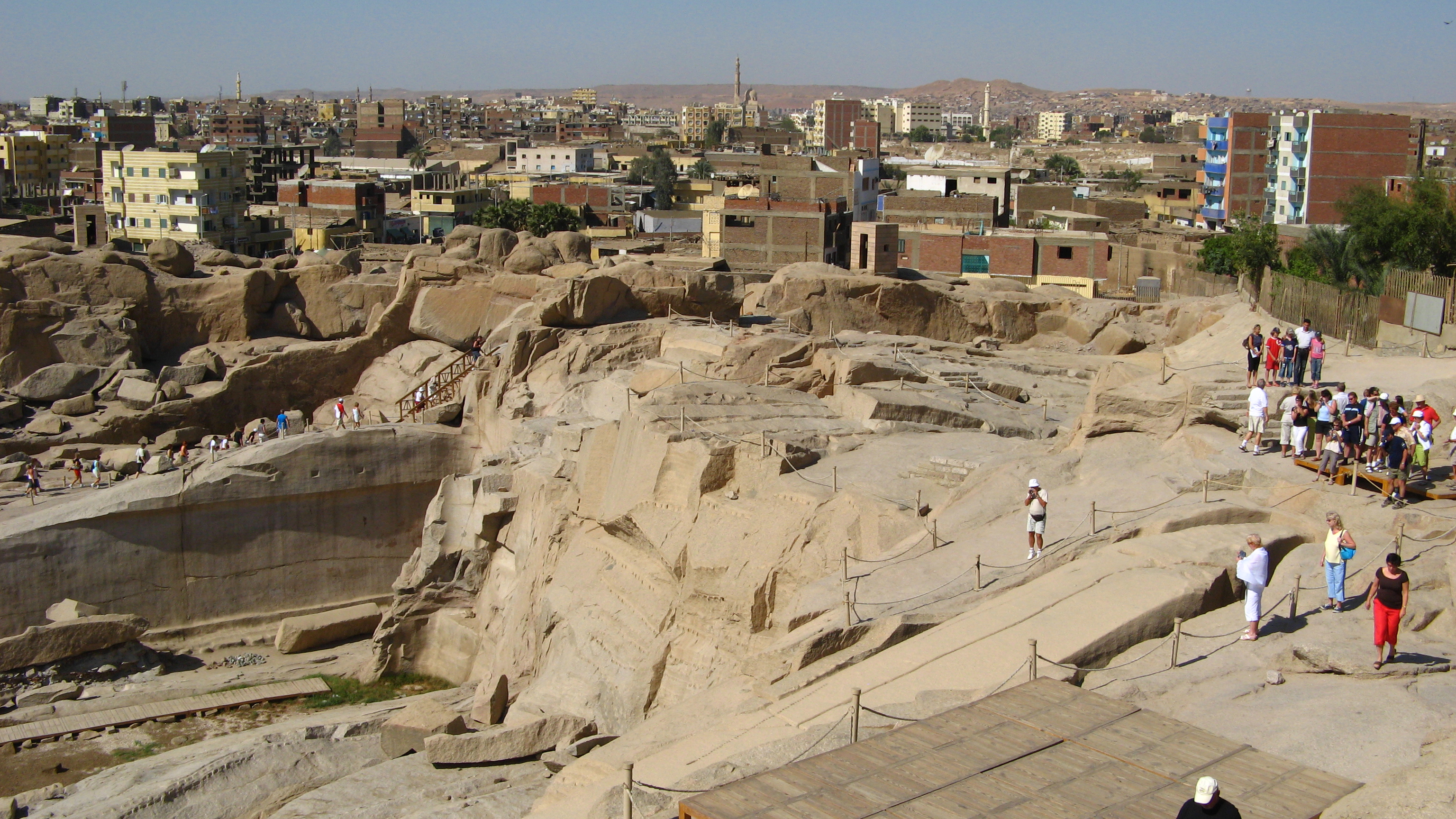
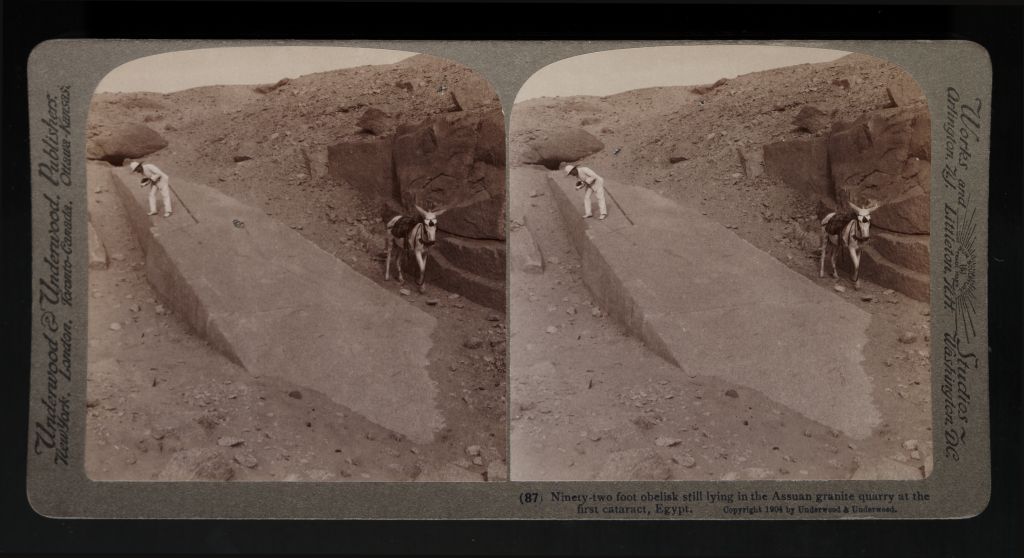
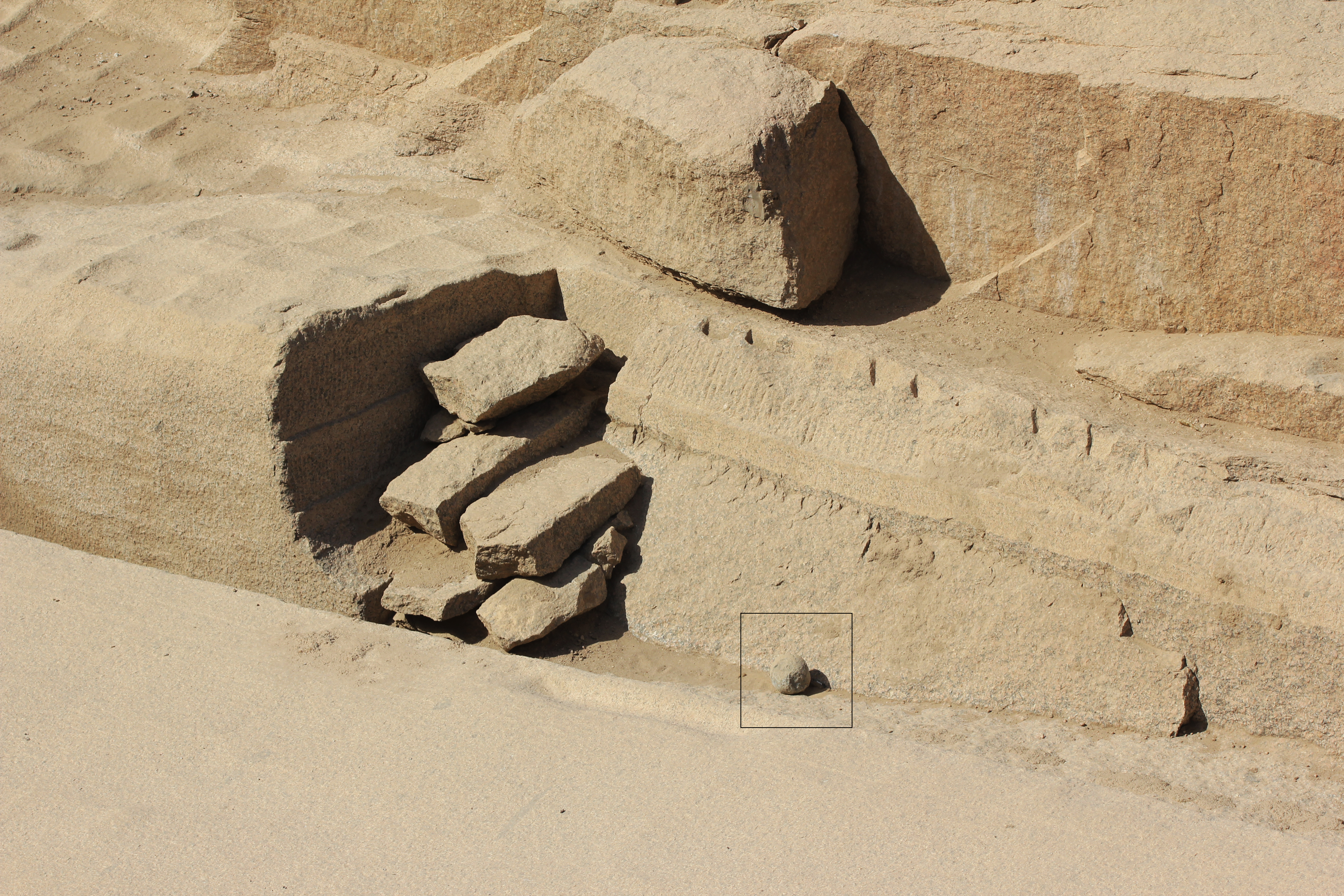
The unfinished obelisk in Aswan, Egypt, is a significant archaeological site that offers insights into ancient Egyptian stone-working techniques. This obelisk, if completed, would have been the largest known ancient obelisk, measuring approximately 41.75 meters in height and weighing around 1,090 tonnes. It was likely commissioned by the Pharaoh Hatshepsut during the 15th century BCE. The project was abandoned due to cracks that developed in the granite, leaving the obelisk still attached to the bedrock. Tool marks and ochre-colored lines on the obelisk provide valuable information about the methods used by ancient craftsmen. The site, now part of an open-air museum, is officially protected by the Egyptian government and was included in the UNESCO World Heritage List in 1979 as part of the 'Nubian Monuments from Abu Simbel to Philae,' despite not being geographically located within Nubia.
Gallery
Explore photographs of ancient structures, artifacts, and archaeological excavations
Historical Timeline
Journey through time and discover key events in this site's history
Construction Begins
1508 BCE - 1458 BCE
Archaeological Features
Unique architectural and cultural elements found at this historical site
Industrial and Craft Structures
Artistic and Decorative Features
Frequently Asked Questions
Plan Your Visit
Tours, travel arrangements, and practical information


More Sites in Egypt
Cemetery GIS
Stone mastabas in Giza Plateau cemetery
Tarkhan (Egypt)
Ancient Egyptian necropolis with mastabas and tombs.
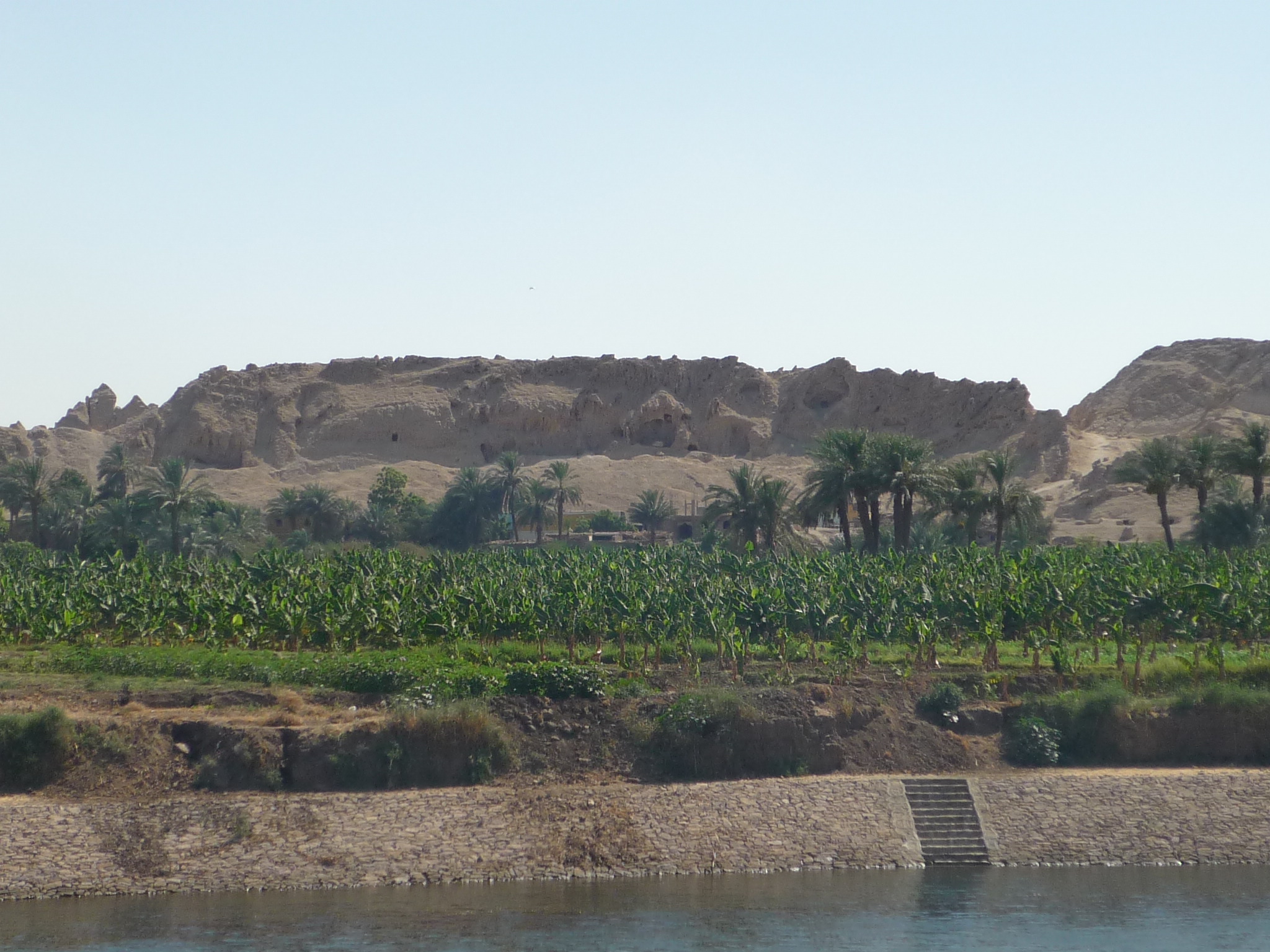
Gebelein
Archaeological site with mummies and temple ruins
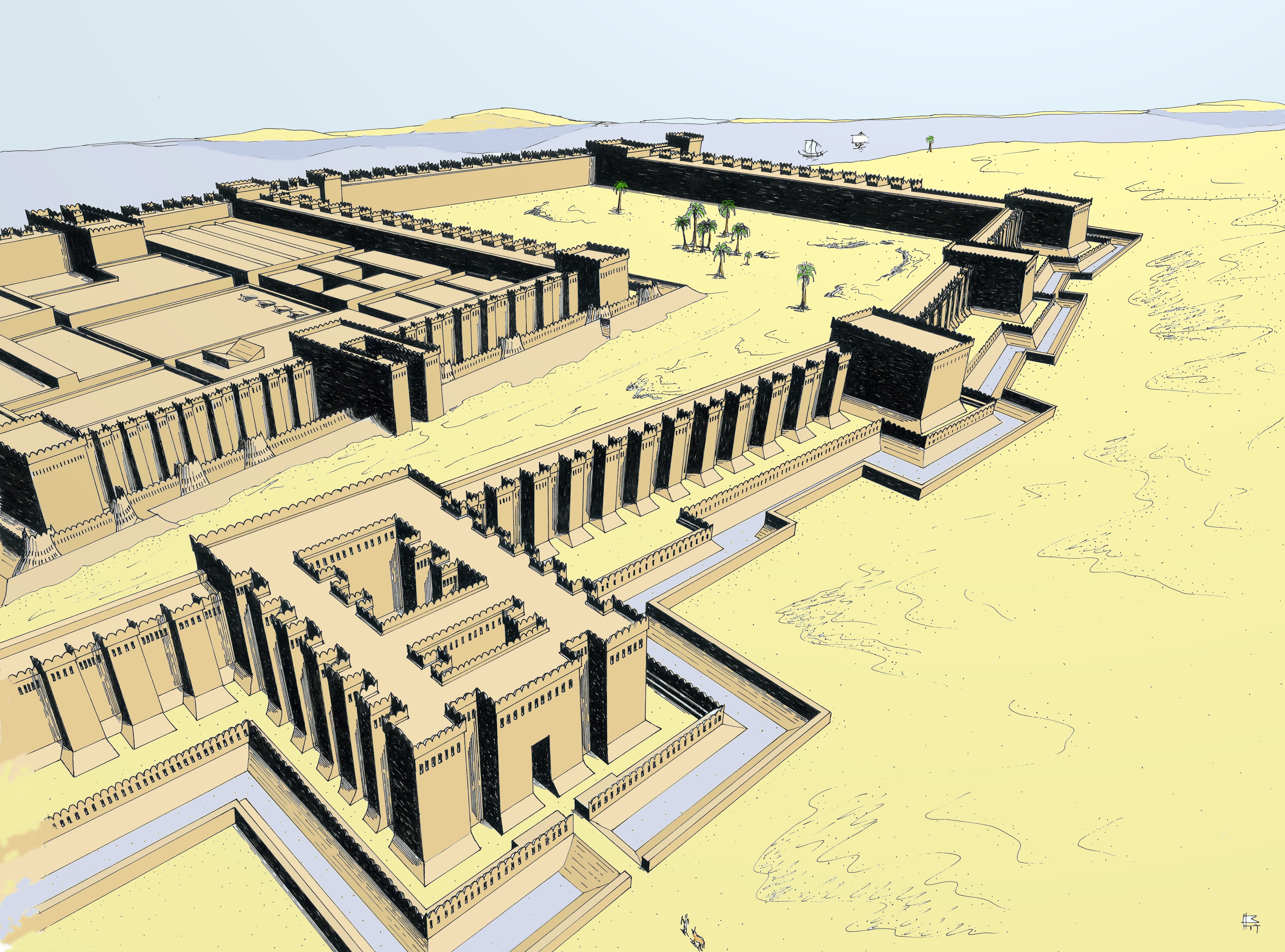
Buhen
Ancient Egyptian fortress with copper smelting.
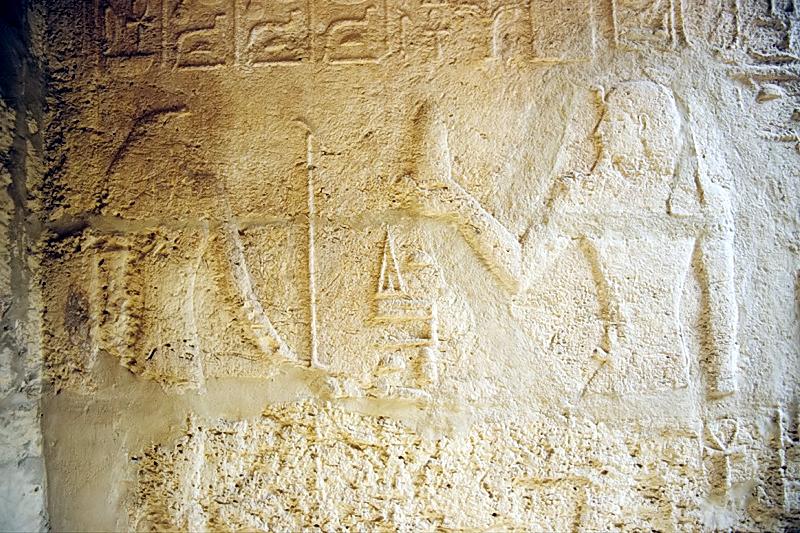
Medinet Madi
Greco-Roman town with Middle Kingdom temple
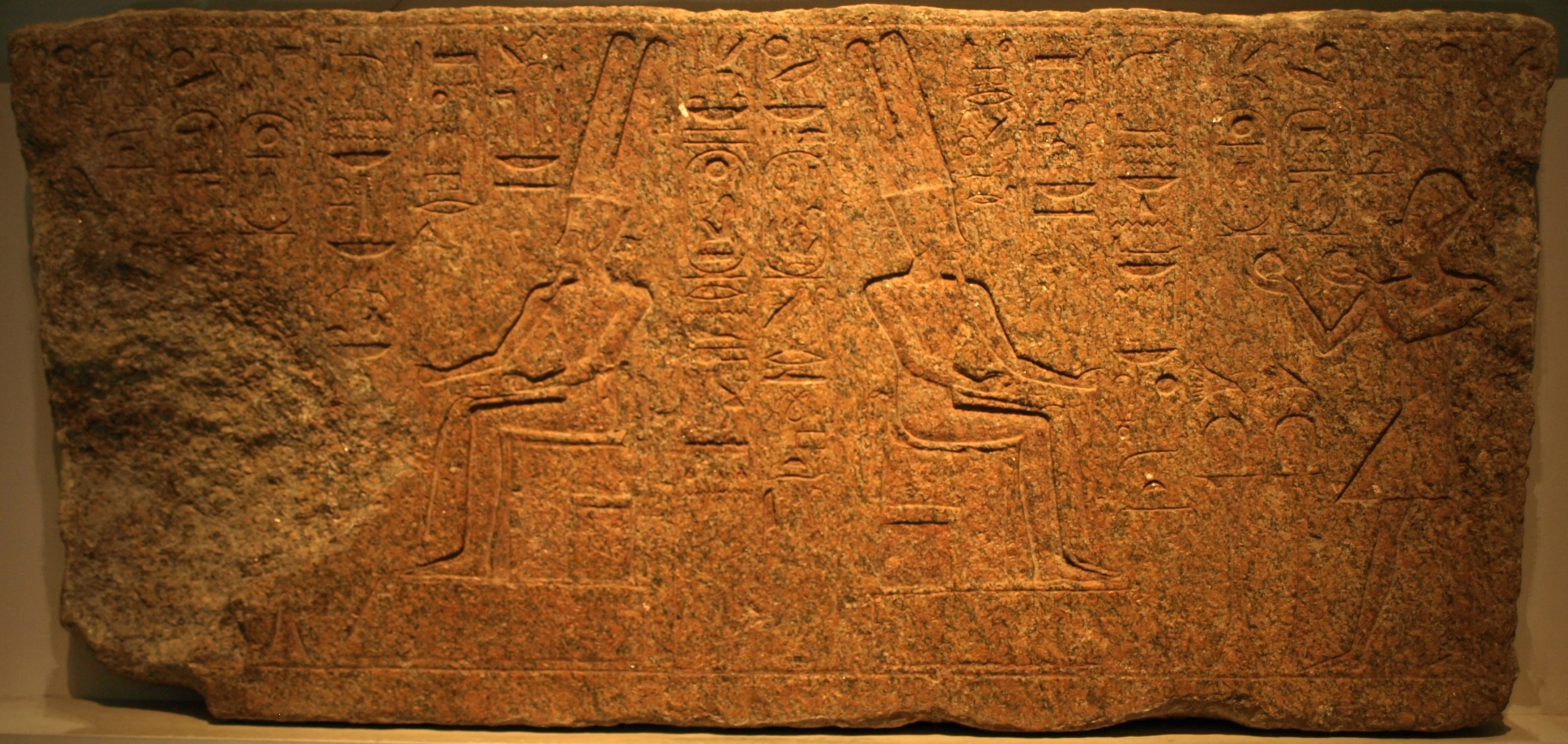
Bubastis
Ancient Egyptian city with Bastet temple