Explore the Map
Valley of the Golden Mummies
28.3268° N, 28.8261° E
About
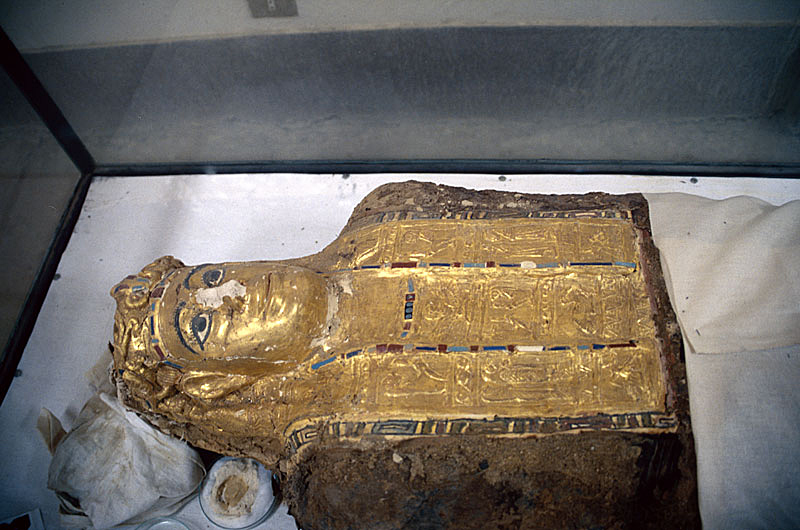
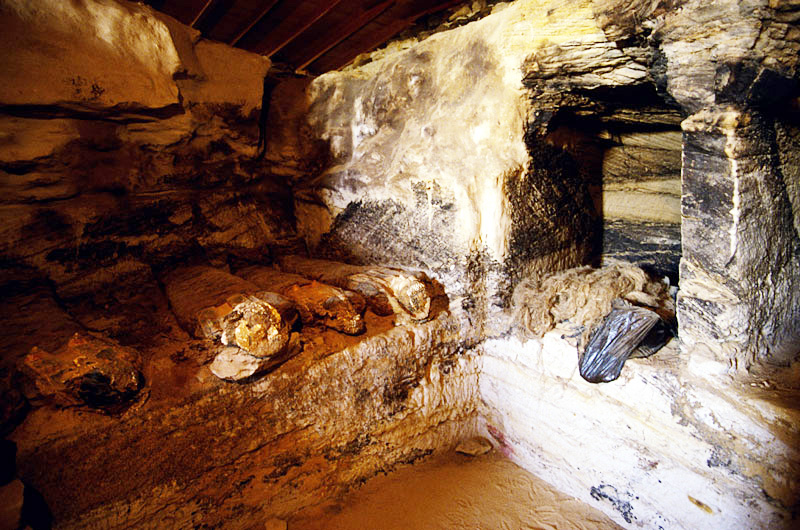
The Valley of the Golden Mummies is a significant archaeological site located in the Bahariya Oasis, Western Desert of Egypt. Dating to the Greco-Roman period, specifically around the 1st century CE, the site contains an estimated 10,000 mummies. Discovered in 1996 by Zahi Hawass, the mummies exhibit four distinct styles of decoration, including gilded masks and cartonnage depicting scenes of gods. This variety indicates the presence of local workshops and artisans. Artifacts such as jewelry, pottery, and coins accompany the mummies, reflecting the wealth and prosperity of the area's inhabitants during the Roman period. The site provides critical insights into the mummification techniques and burial customs of the time, highlighting the cultural and economic significance of the region.
Gallery
Explore photographs of ancient structures, artifacts, and archaeological excavations
Historical Timeline
Journey through time and discover key events in this site's history
Greco-Roman burial practices
1 CE
Archaeological Features
Unique architectural and cultural elements found at this historical site
Burial and Funerary Structures
Frequently Asked Questions
Plan Your Visit
Tours, travel arrangements, and practical information
More Sites in Egypt
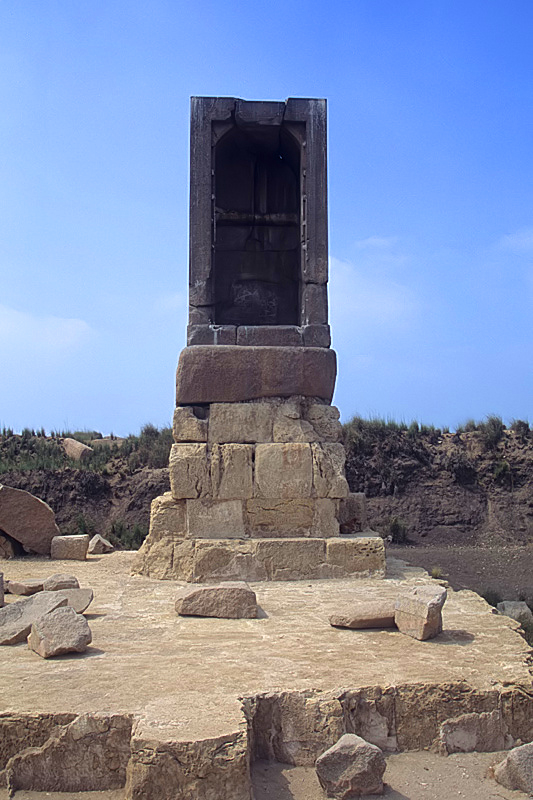
Mendes
Ancient city with significant religious structures.
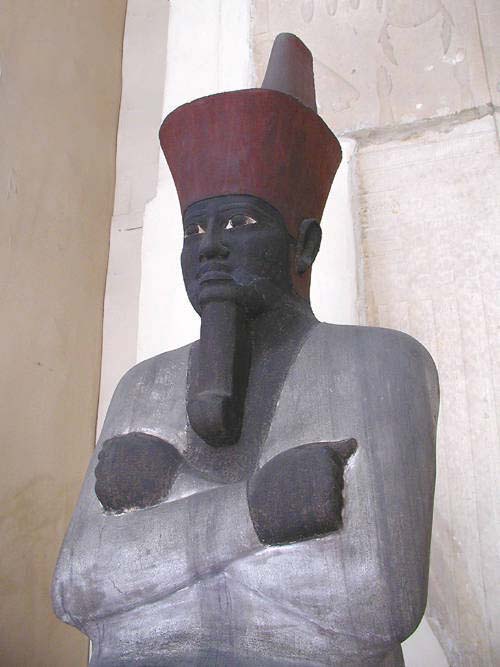
Thinis
Ancient Upper Egypt's undiscovered capital city.
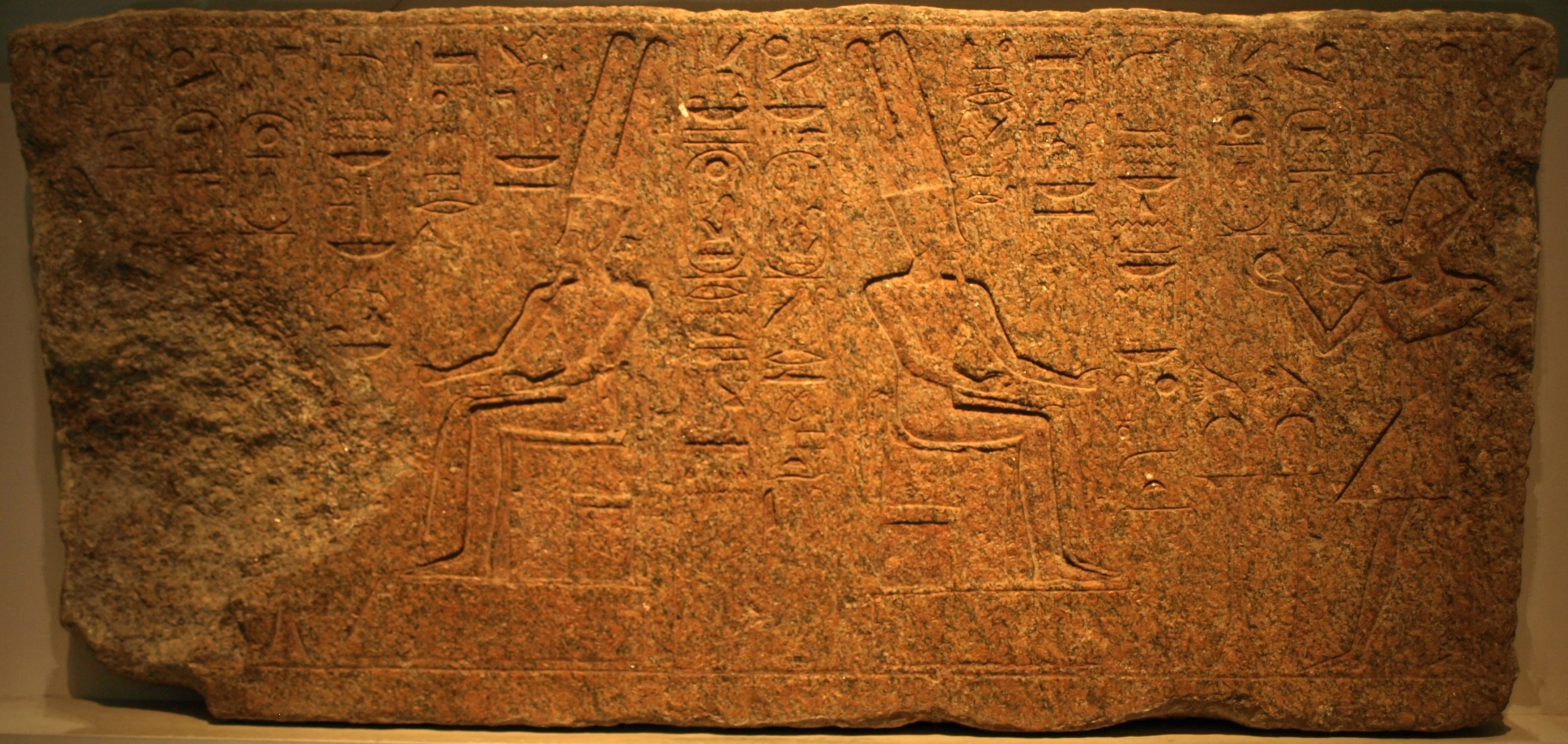
Bubastis
Ancient Egyptian city with Bastet temple
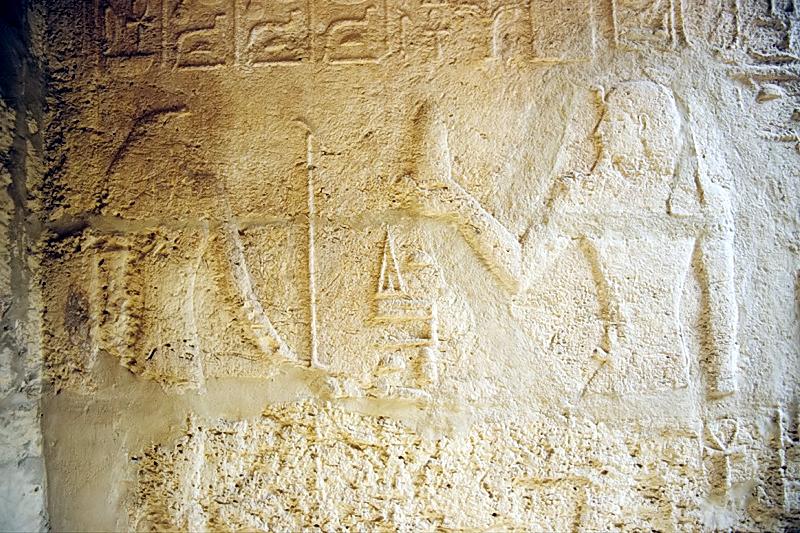
Medinet Madi
Greco-Roman town with Middle Kingdom temple

Leontopolis (Heliopolis)
Ancient city with fortifications and a temple.
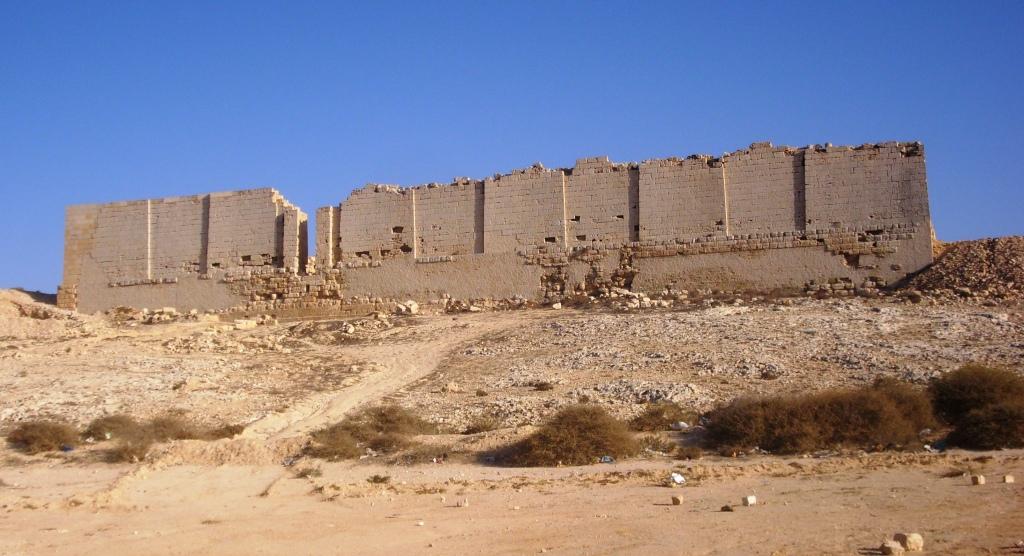
Taposiris Magna
Ancient city with temple and tombs