Explore the Map
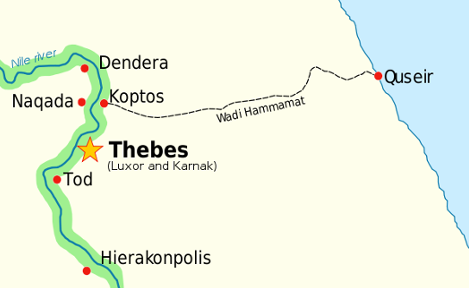
Wadi Hammamat
25.9644° N, 33.5041° E
About
Wadi Hammamat is an ancient site located in Egypt's Eastern Desert, known for its significant archaeological and historical importance. It served as a major trade route connecting Thebes to the Red Sea and onwards to the Silk Road, facilitating trade with Asia and Africa. The site is rich with rock carvings, graffiti, and petroglyphs, dating from prehistoric times through various Egyptian dynasties. It contains evidence of early quarrying activities, including the extraction of the prized bekhen-stone and gold-bearing quartz. Notably, it houses the only painted petroglyph in the Eastern Desert and features drawings of Egyptian reed boats dating back to 4000 BCE. Wadi Hammamat's strategic and economic significance persisted through the Roman and Byzantine periods, and it remains a vibrant site for archaeological study and tourism today.
Gallery
Explore photographs of ancient structures, artifacts, and archaeological excavations
Historical Timeline
Journey through time and discover key events in this site's history
Predynastic Occupation
4000 BCE
Narmer Palette Creation
3100 BCE
Senusret I Mining Expeditions
1971 BCE - 1926 BCE
Seti I Orders Well Construction
1294 BCE - 1279 BCE
Roman-Byzantine Gold Mining
1 CE - 500 CE
Archaeological Features
Unique architectural and cultural elements found at this historical site
Water Management Features
Industrial and Craft Structures
Artistic and Decorative Features
Transportation and Communication Structures
Frequently Asked Questions
Plan Your Visit
Tours, travel arrangements, and practical information
![[Private]Valley of The Kings, Hatshepsut, Habu & Lunch](/_next/image?url=https%3A%2F%2Fmedia-cdn.tripadvisor.com%2Fmedia%2Fattractions-splice-spp-720x480%2F06%2Ff9%2Fd9%2F65.jpg&w=828&q=75)


More Sites in Egypt
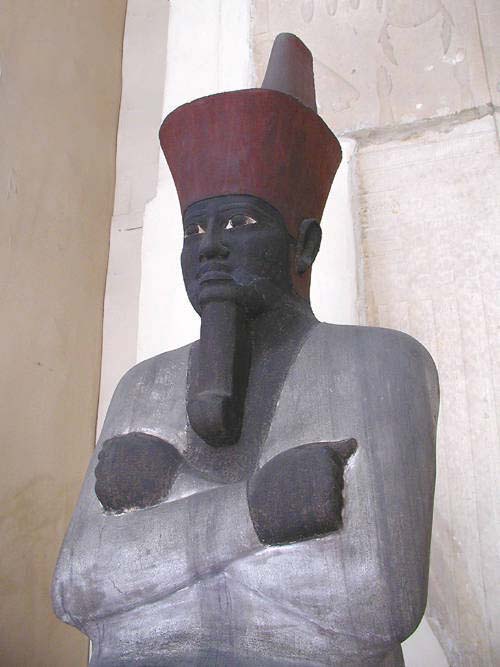
Thinis
Ancient Upper Egypt's undiscovered capital city.
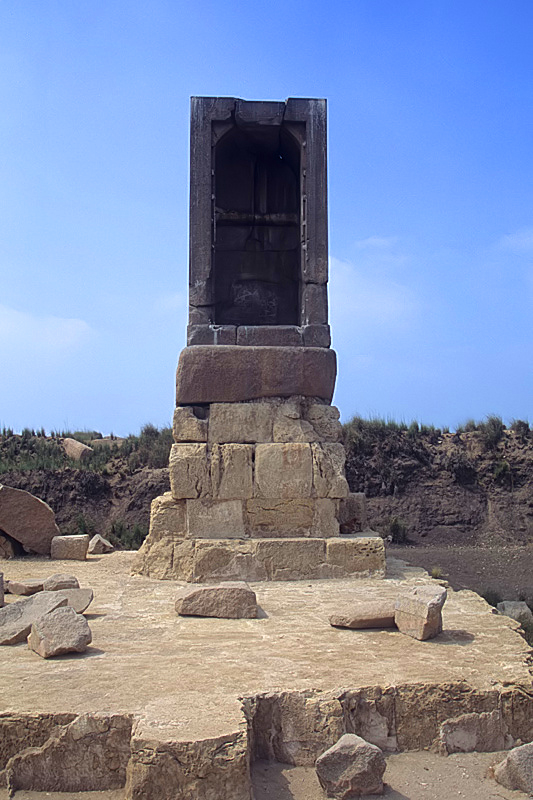
Mendes
Ancient city with significant religious structures.

Leontopolis (Heliopolis)
Ancient city with fortifications and a temple.
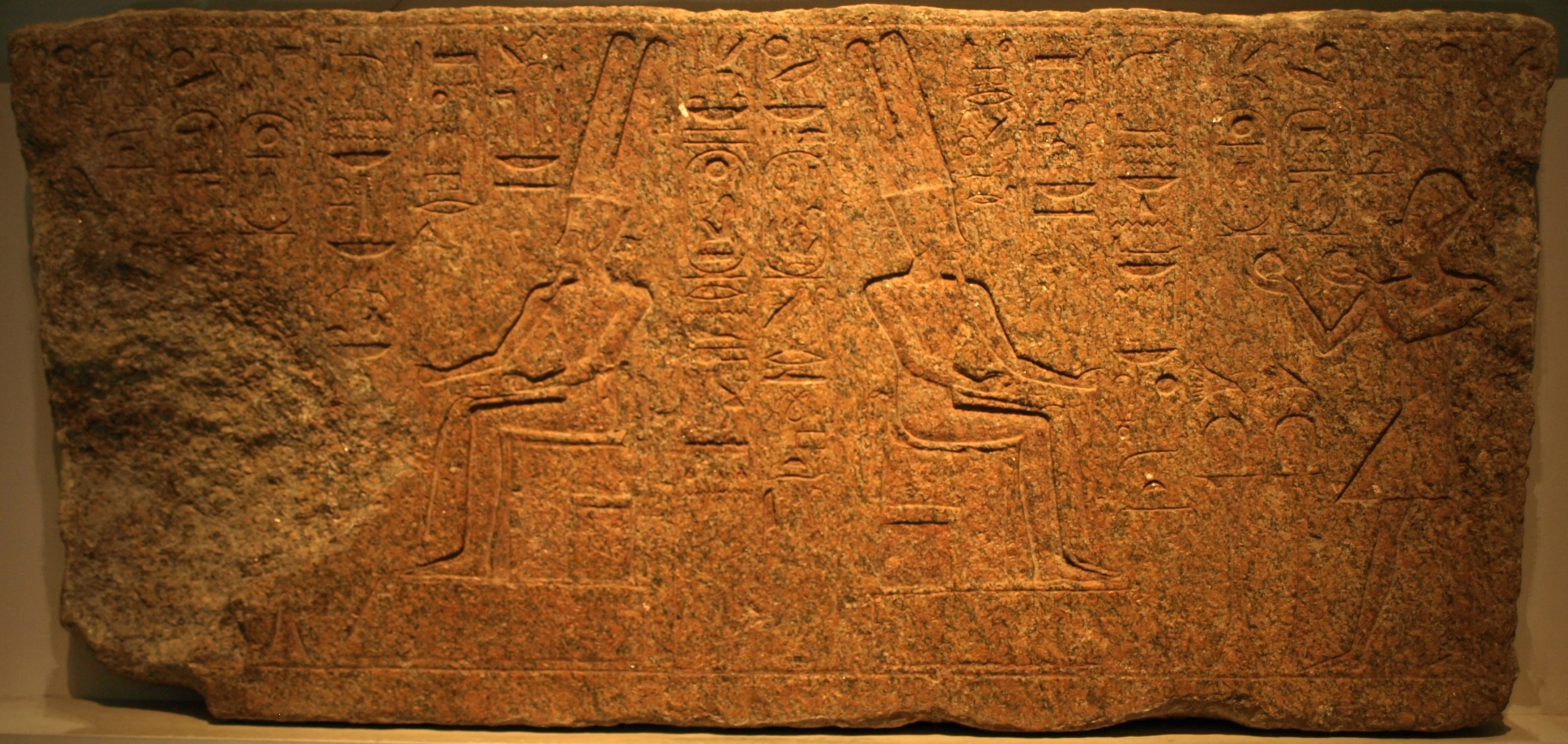
Bubastis
Ancient Egyptian city with Bastet temple
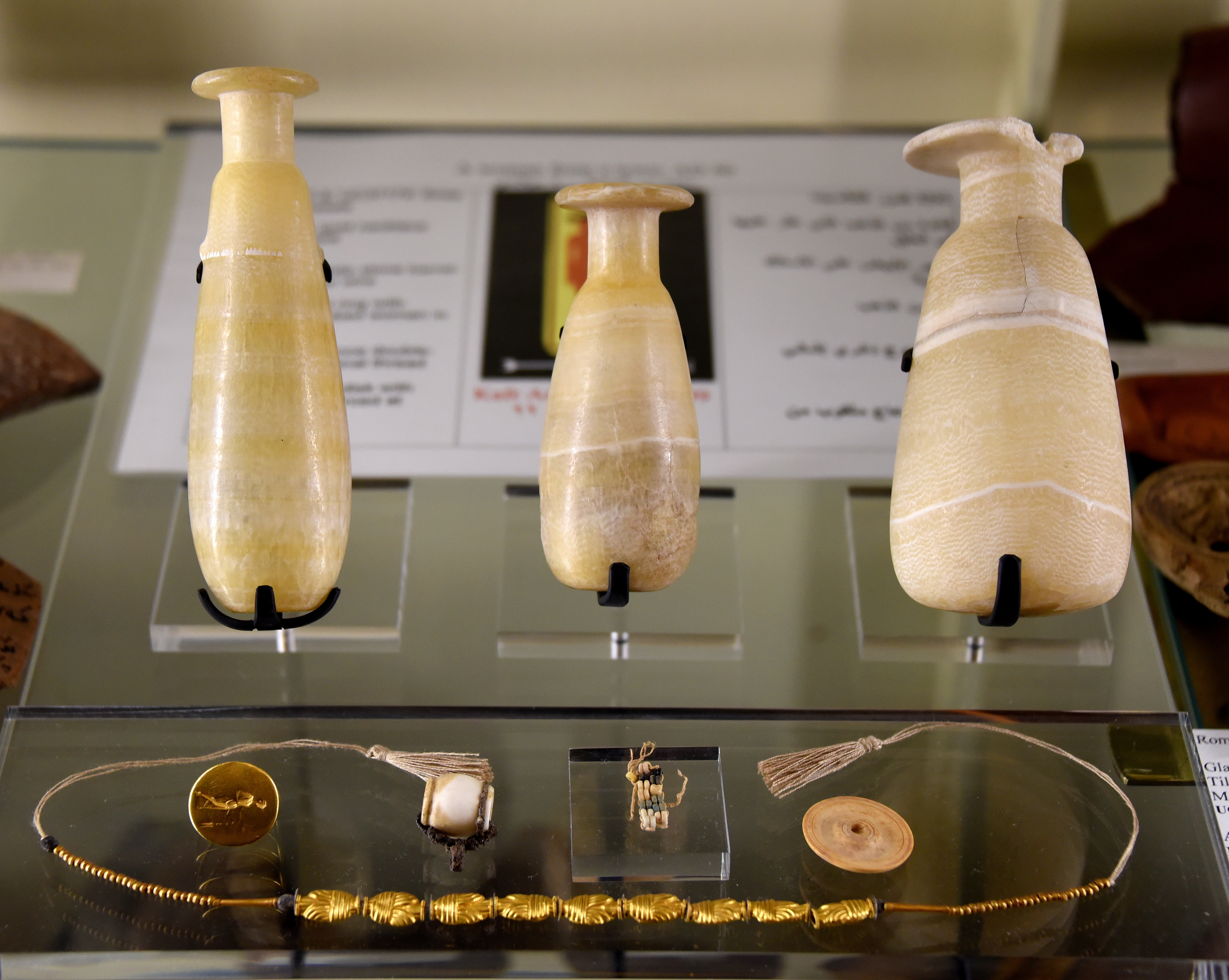
Tarkhan (Egypt)
Ancient Egyptian necropolis with mastabas and tombs.
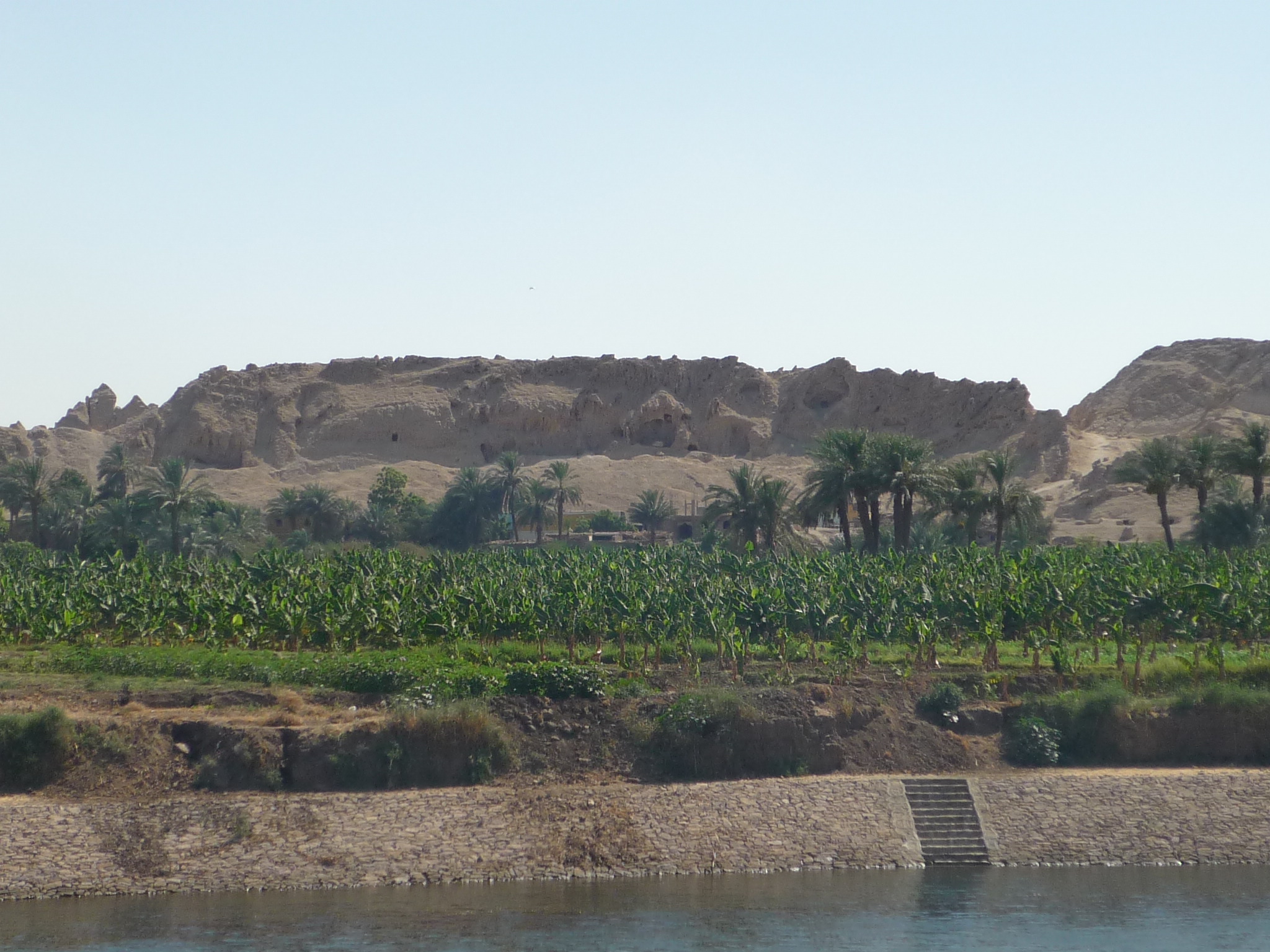
Gebelein
Archaeological site with mummies and temple ruins