Explore the Map
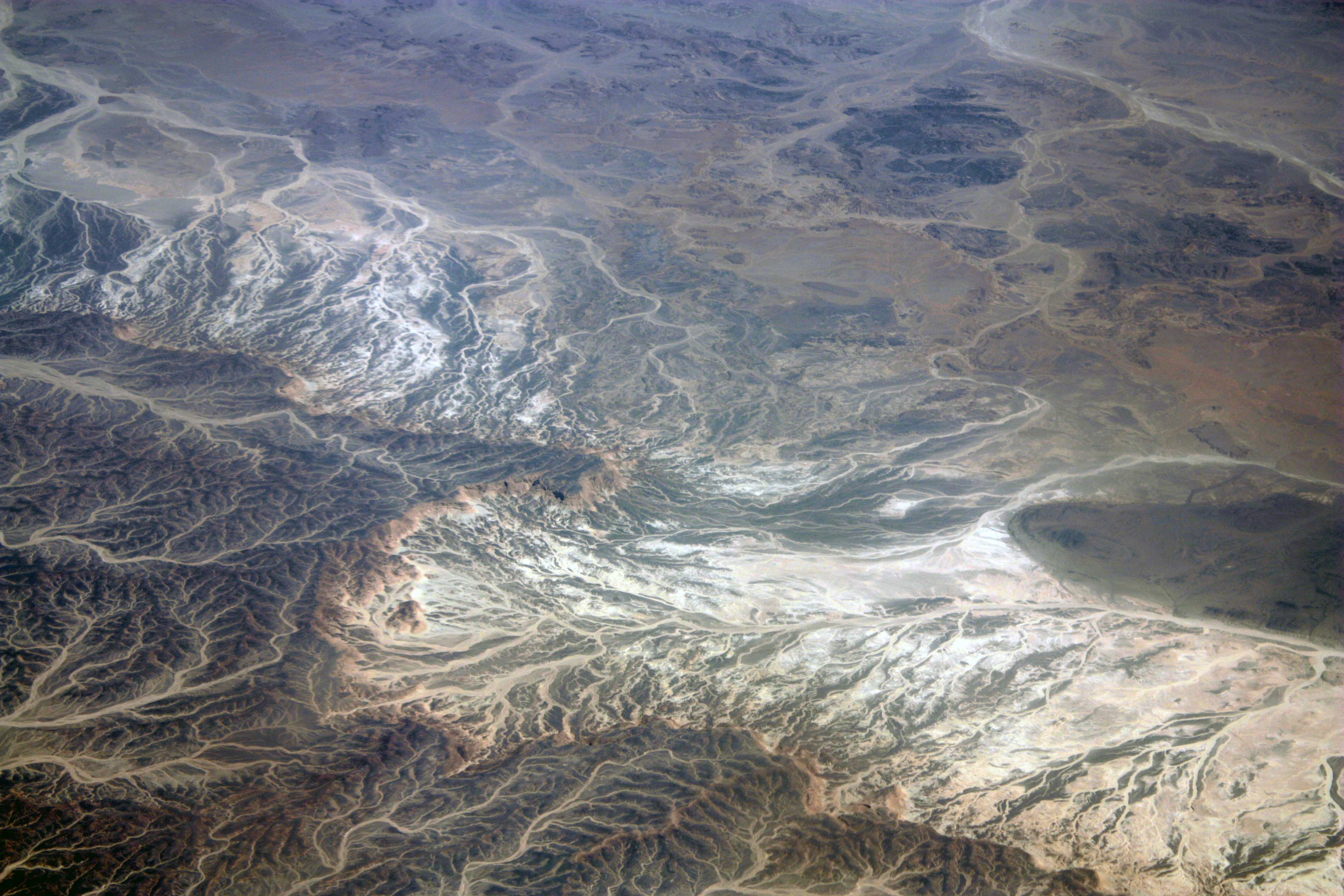
Wadi Kubbaniya
24.0925° N, 32.7850° E
About
Wadi Kubbaniya, located in Upper Egypt, is a significant Late Paleolithic site dating from approximately 19,000 to 17,000 BCE. Initially thought to show early agricultural activity, further research revealed the presence of wild cereals rather than domesticated plants. The site was part of a seasonal settlement system and was primarily used for fishing and gathering. Important archaeological finds include grinding stones, fish bones, hearths, and plant remains, which provide insights into the diet and lifestyle of its inhabitants. Notably, the site has yielded evidence of wild barley and other plants, along with stone tools suggesting advanced tool-making techniques. Wadi Kubbaniya remains a key site for understanding the Late Paleolithic period in Egypt, offering valuable data on human adaptation and subsistence strategies in arid environments.
Gallery
Explore photographs of ancient structures, artifacts, and archaeological excavations
Historical Timeline
Journey through time and discover key events in this site's history
Occupation and Use of Site
19,000-17,000 BCE
Archaeological Features
Unique architectural and cultural elements found at this historical site
Burial and Funerary Structures
Environmental and Natural Features
Food Production and Processing Features
Frequently Asked Questions
Plan Your Visit
Tours, travel arrangements, and practical information
Recommended Tours

More Sites in Egypt
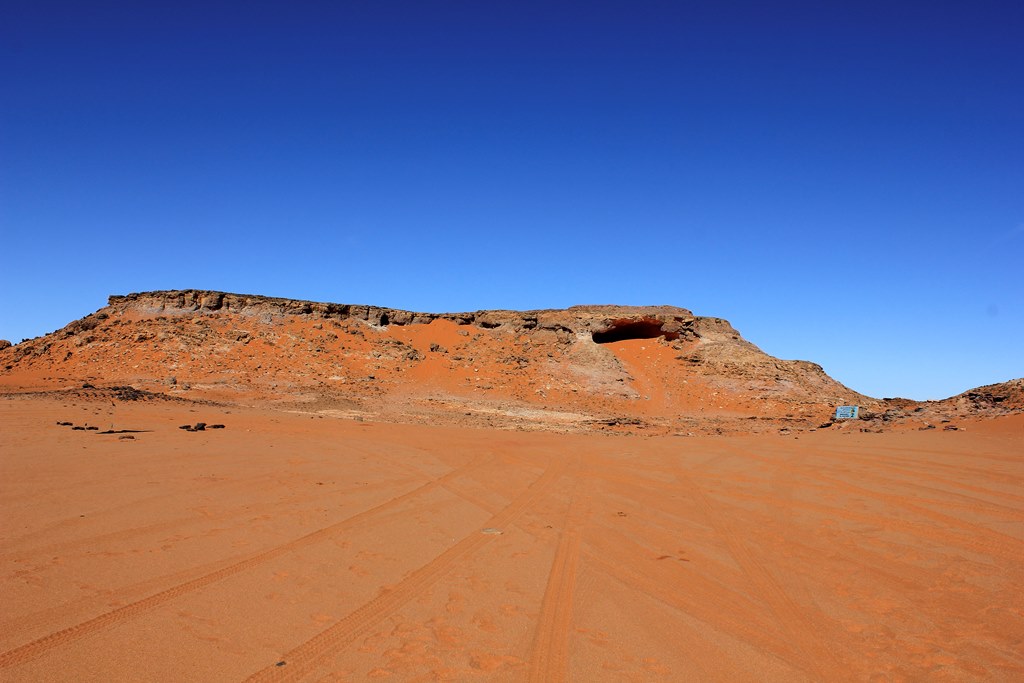
Magharet el Kantara
Neolithic rock art cave in Egypt
Cemetery GIS
Stone mastabas in Giza Plateau cemetery
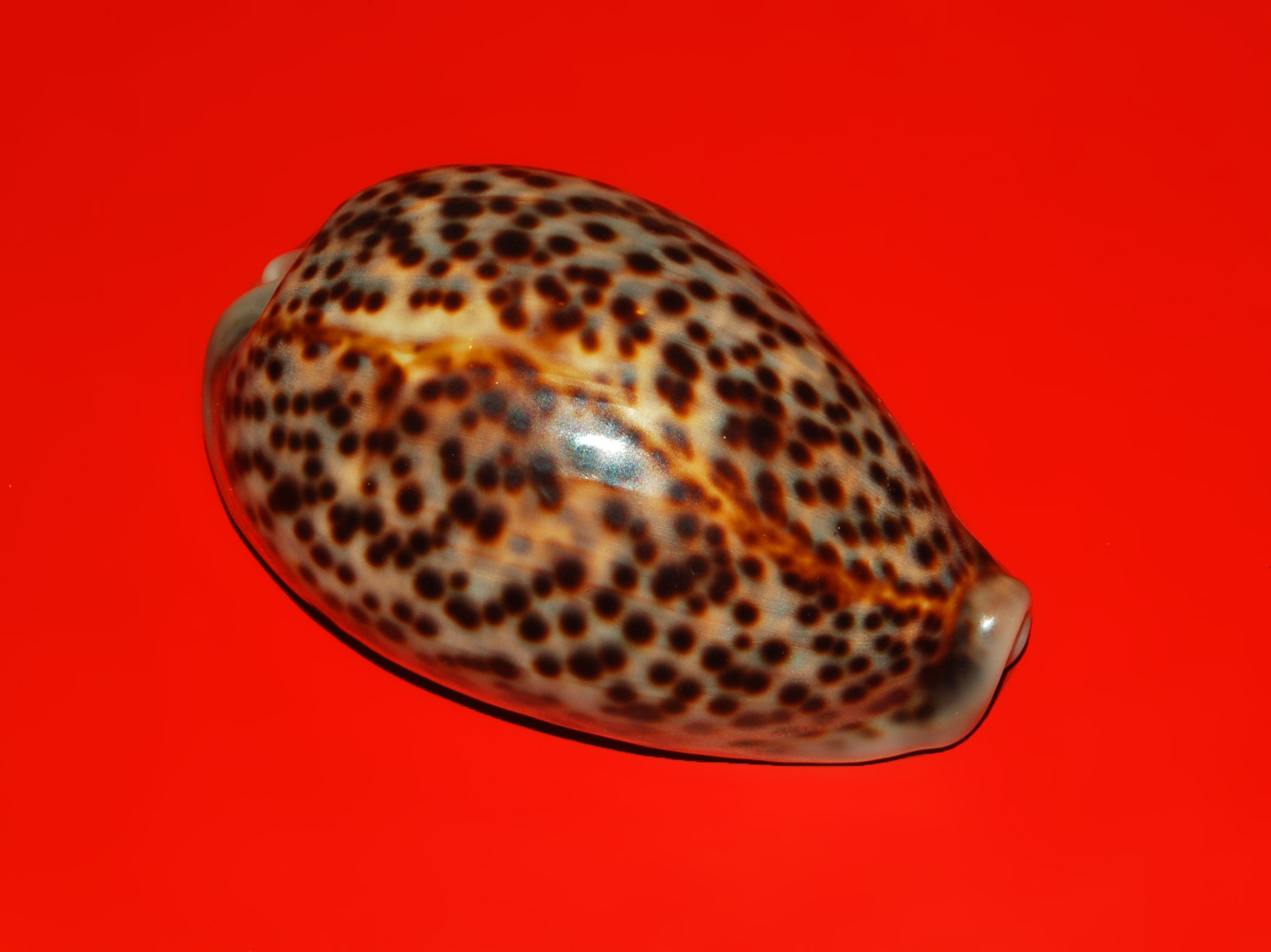
Gebel Ramlah
Neolithic cemeteries in Egypt's Western Desert
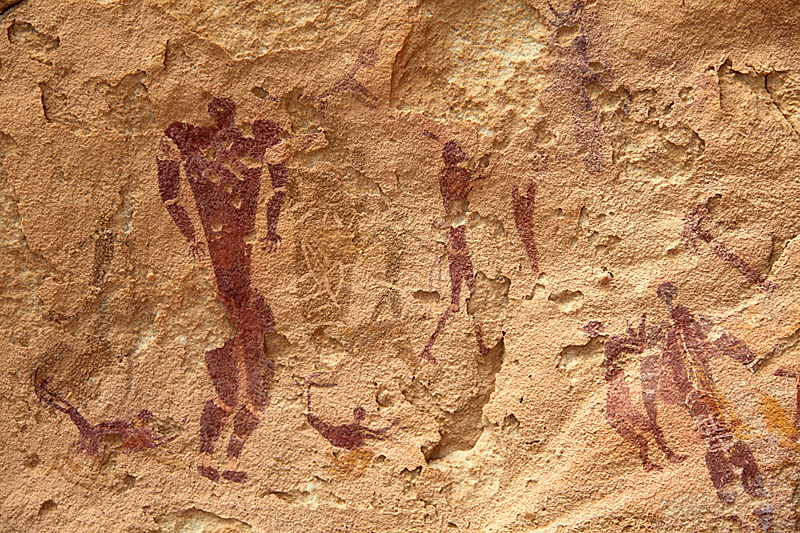
Cave of Swimmers
Neolithic cave with ancient rock art
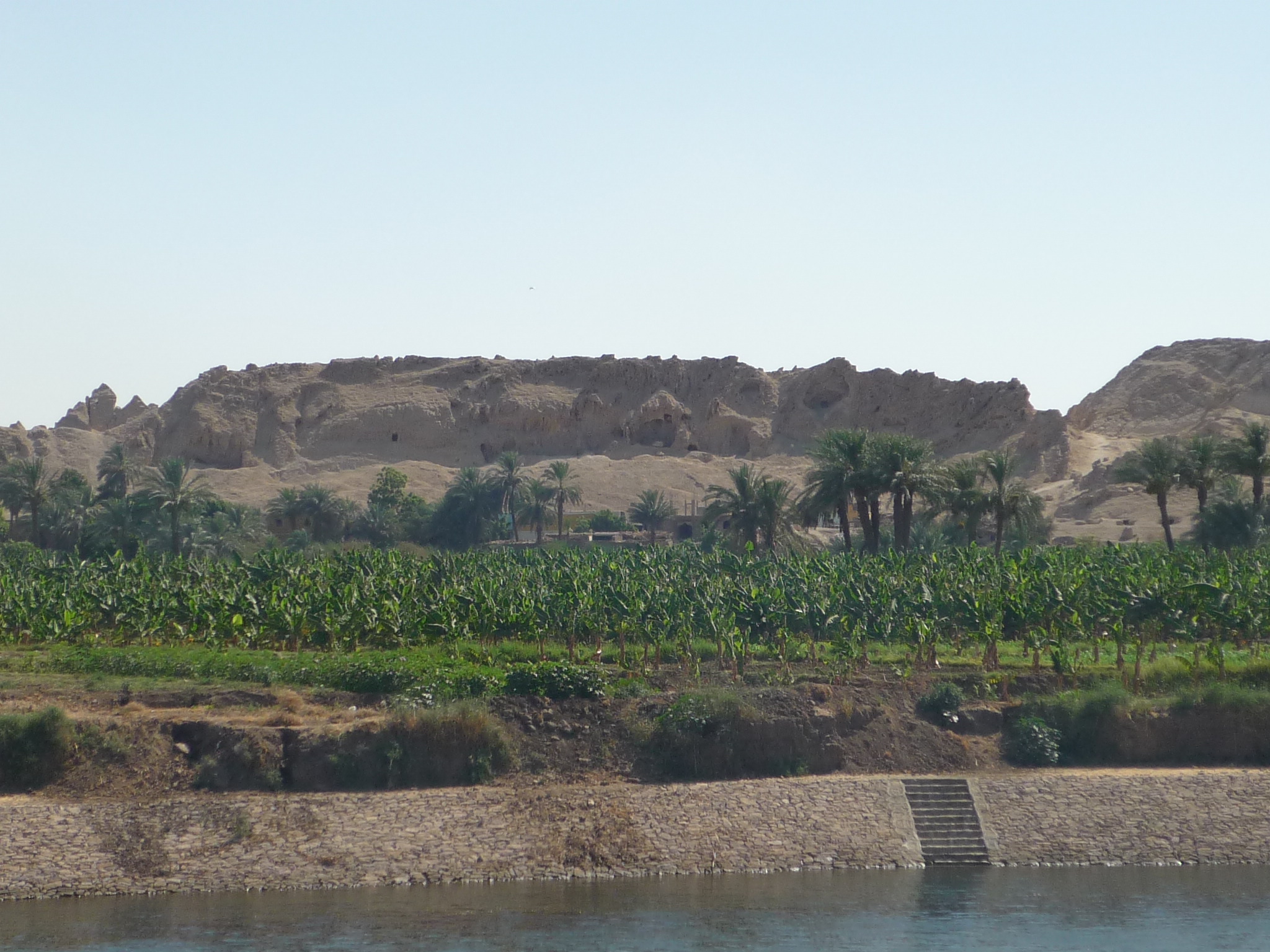
Gebelein
Archaeological site with mummies and temple ruins
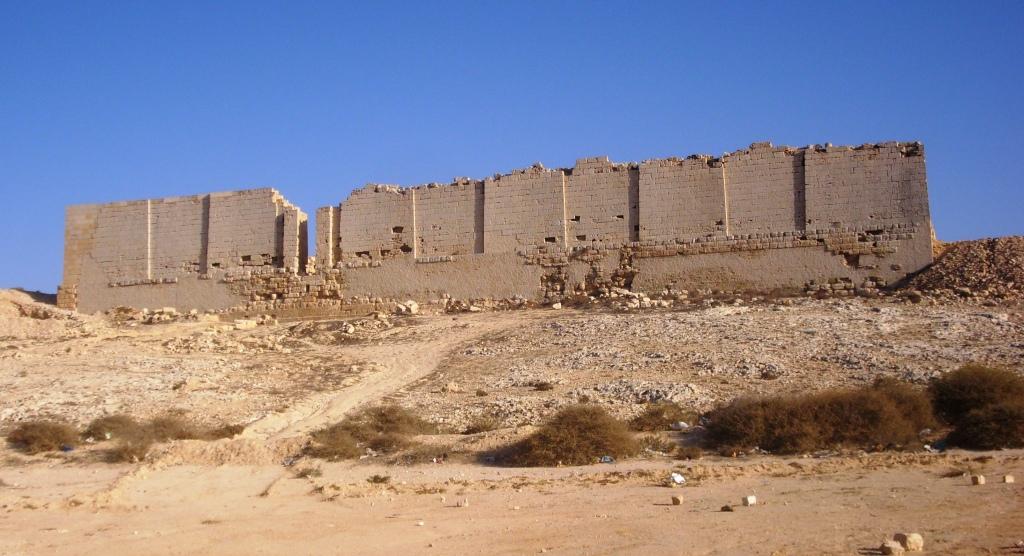
Taposiris Magna
Ancient city with temple and tombs