Explore the Map
Wah-Sut
26.1772° N, 31.9314° E
About
Wah-Sut, located south of Abydos in Middle Egypt, is an archaeological site of a town built during the Middle Kingdom, specifically in the 12th Dynasty around c. 1850 BCE. The town was established to accommodate workers and officials involved in constructing and maintaining the funerary complex of Pharaoh Senusret III. This complex includes a mortuary temple built of limestone and a hidden tomb carved into the rock. Wah-Sut reflects significant governmental, cultural, and religious transformations of the Middle Kingdom, such as the rise of centralized administration and the use of amulets and magic wands in religious practices. The town continued to be significant well into the 13th Dynasty, demonstrating its enduring role in ancient Egyptian society.
Historical Timeline
Journey through time and discover key events in this site's history
Construction of Wah-Sut
c. 1850 BCE
Use during Thirteenth Dynasty
c. 1730 BCE
Archaeological Features
Unique architectural and cultural elements found at this historical site
Storage Structures
Burial and Funerary Structures
Religious and Ritual Structures
Domestic and Habitation Structures
Frequently Asked Questions
Plan Your Visit
Tours, travel arrangements, and practical information
More Sites in Egypt
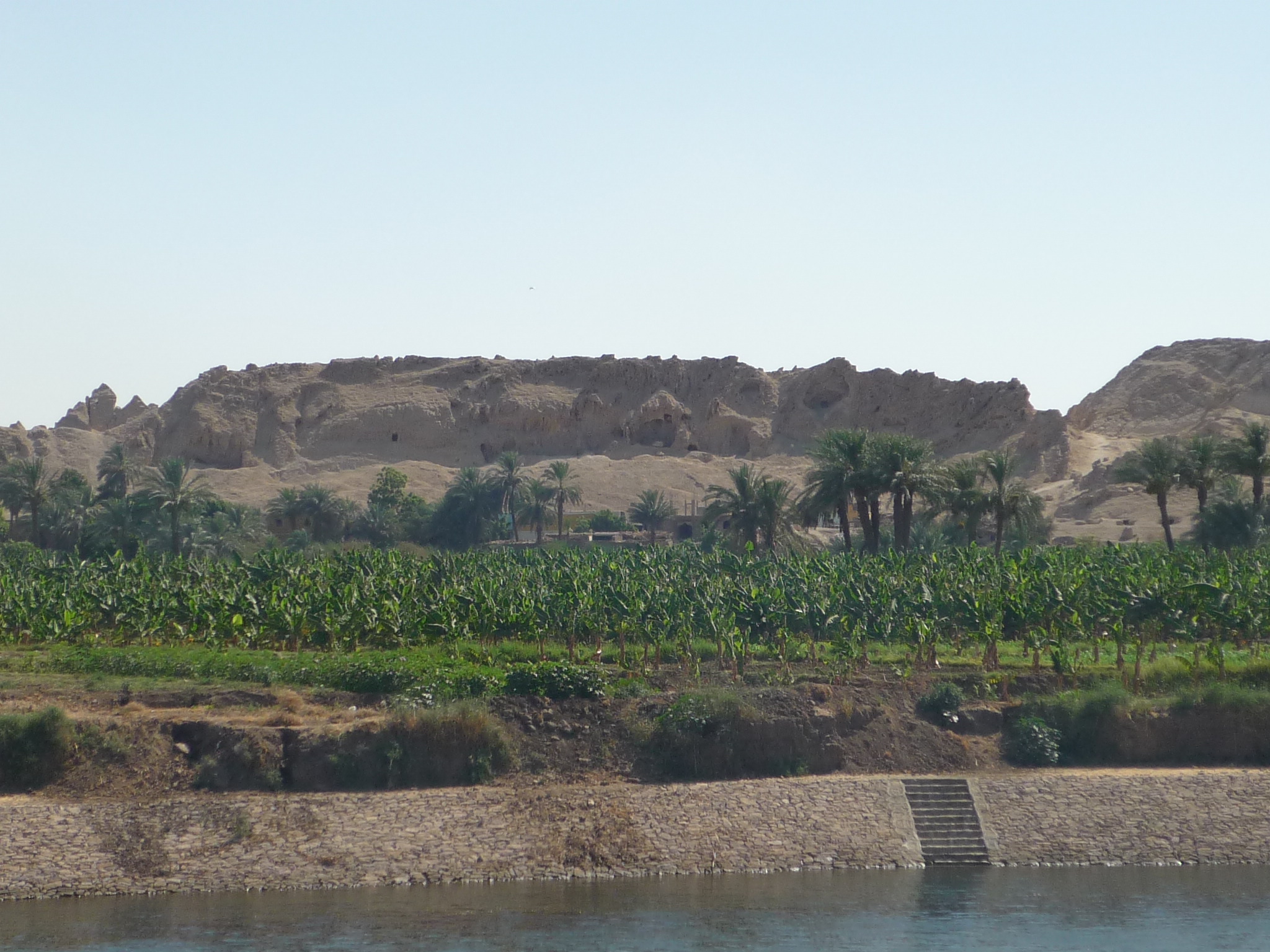
Gebelein
Archaeological site with mummies and temple ruins
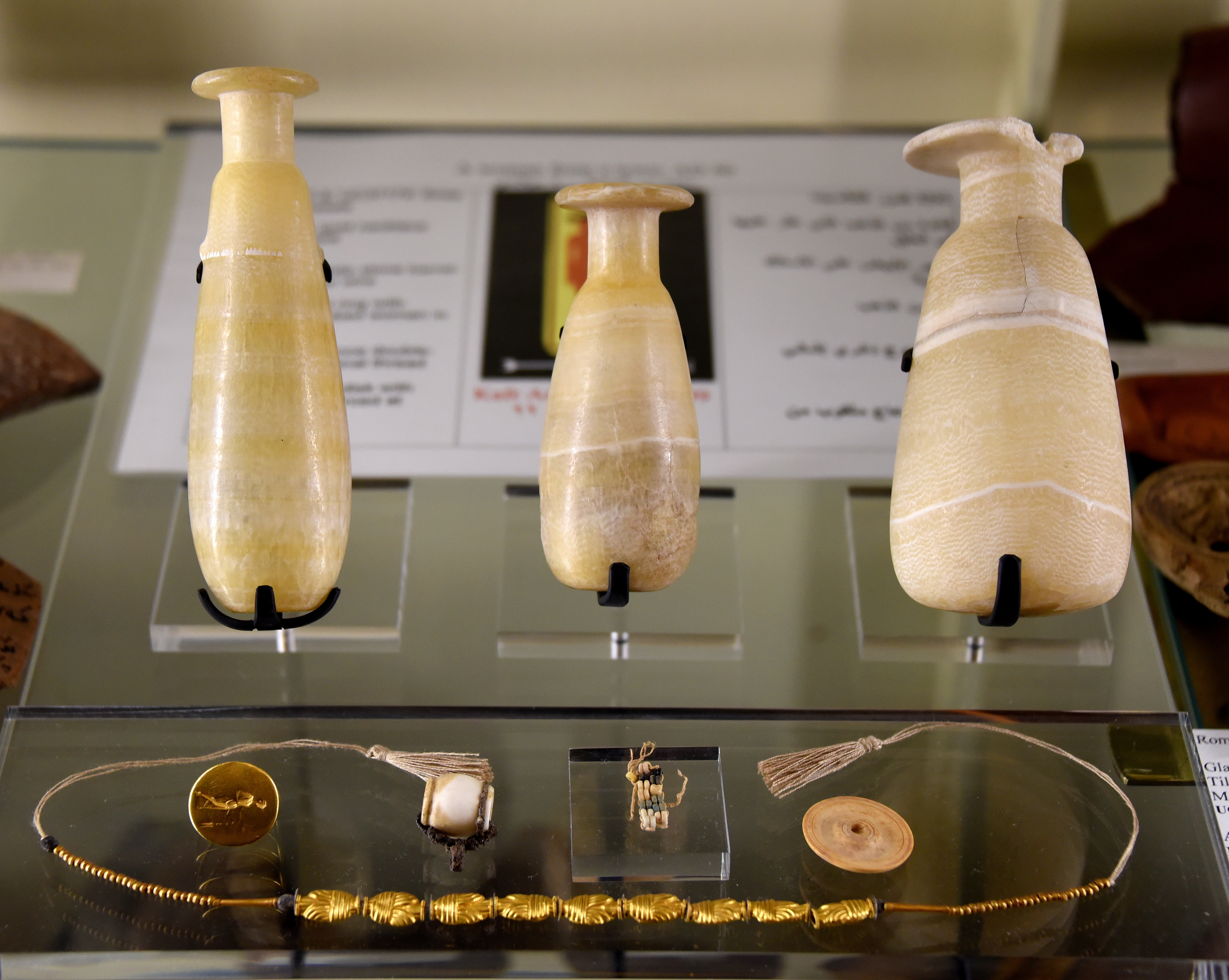
Tarkhan (Egypt)
Ancient Egyptian necropolis with mastabas and tombs.
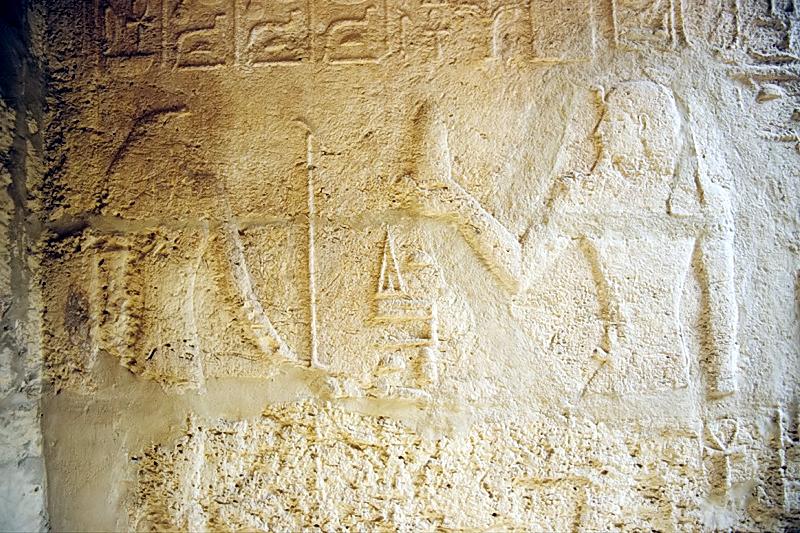
Medinet Madi
Greco-Roman town with Middle Kingdom temple
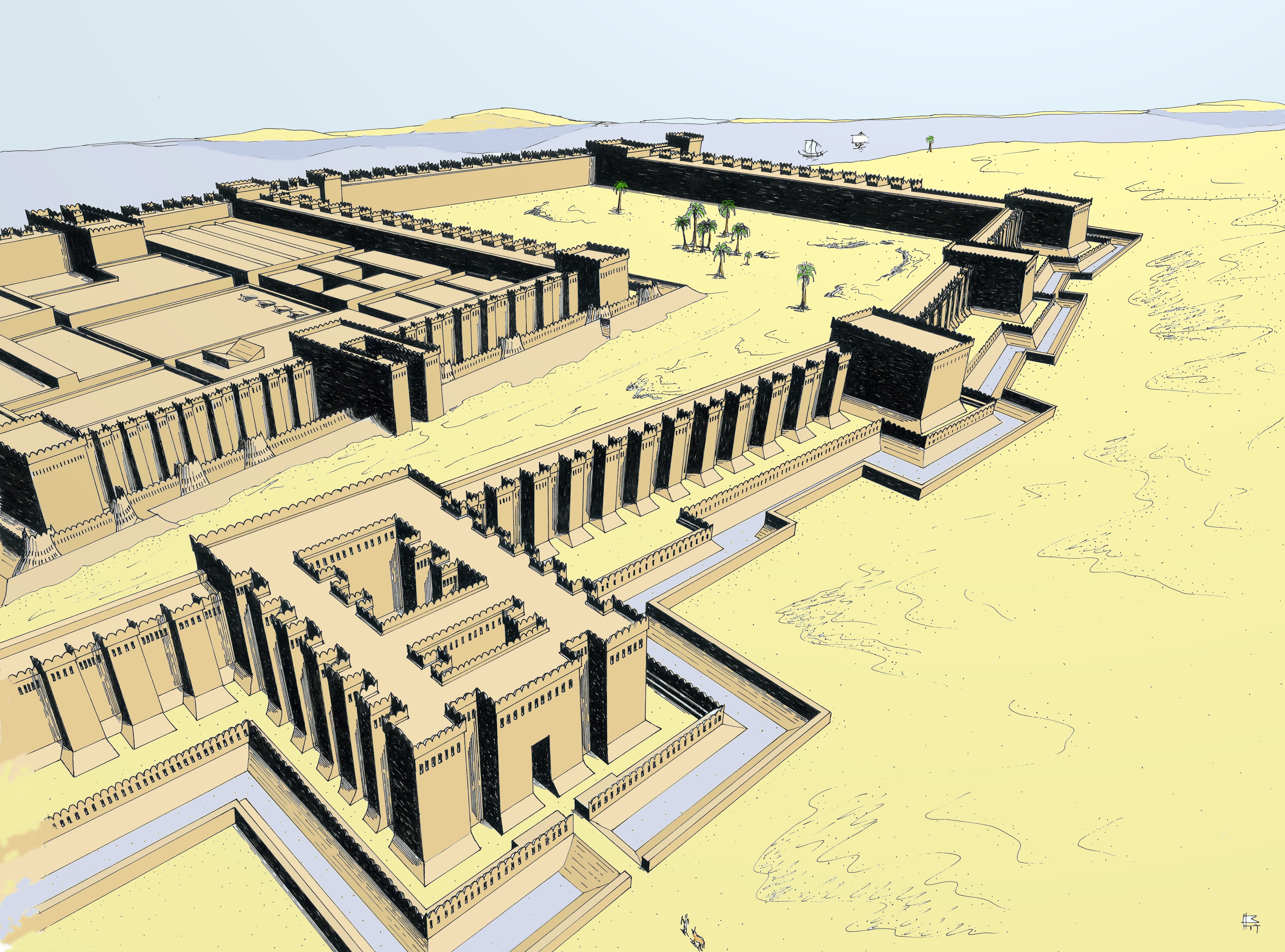
Buhen
Ancient Egyptian fortress with copper smelting.
Mendes
Ancient city with significant religious structures.
Bubastis
Ancient Egyptian city with Bastet temple