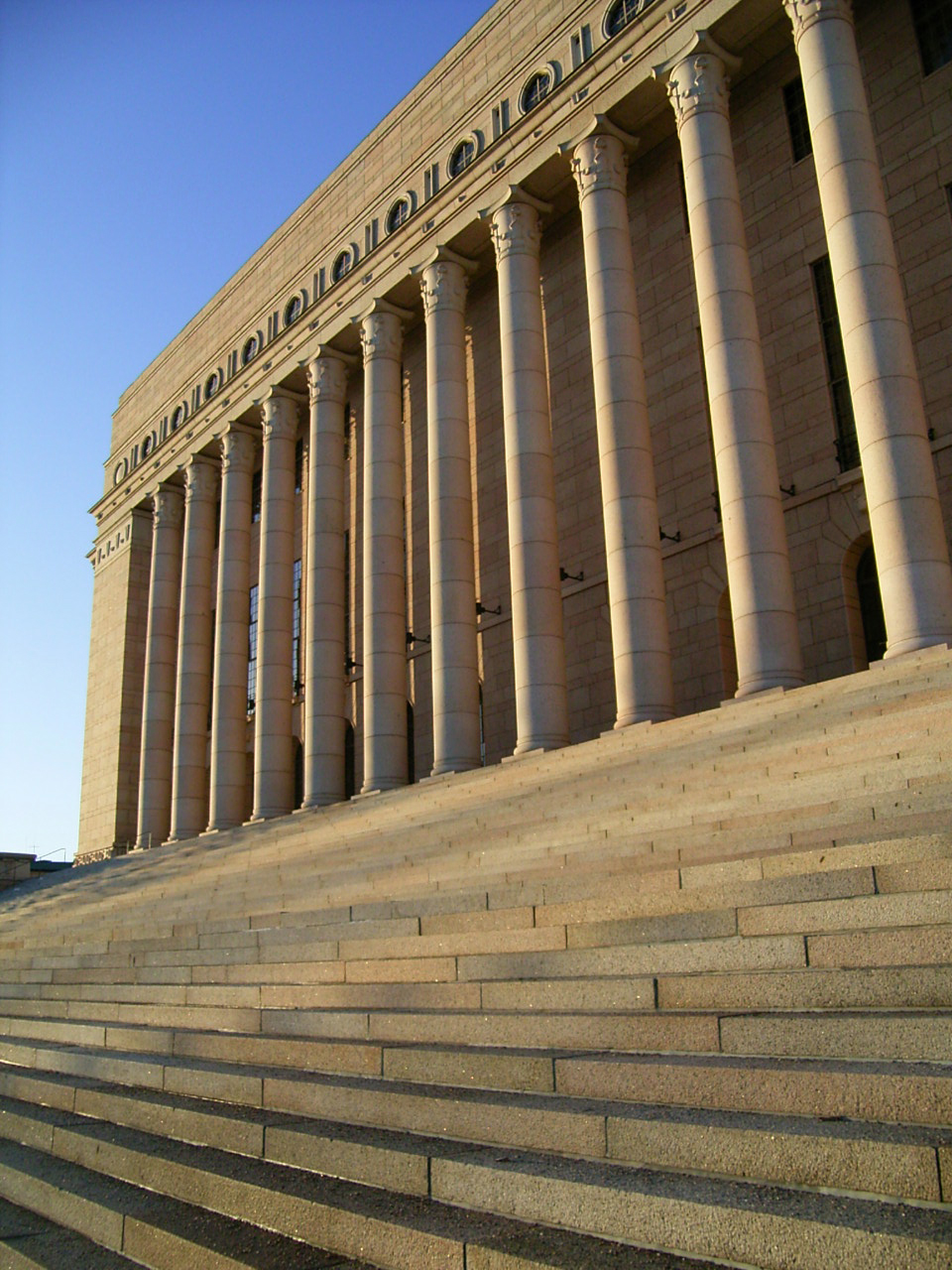
Explore the Map
Rapola Castle
61.2056° N, 24.0569° E
About
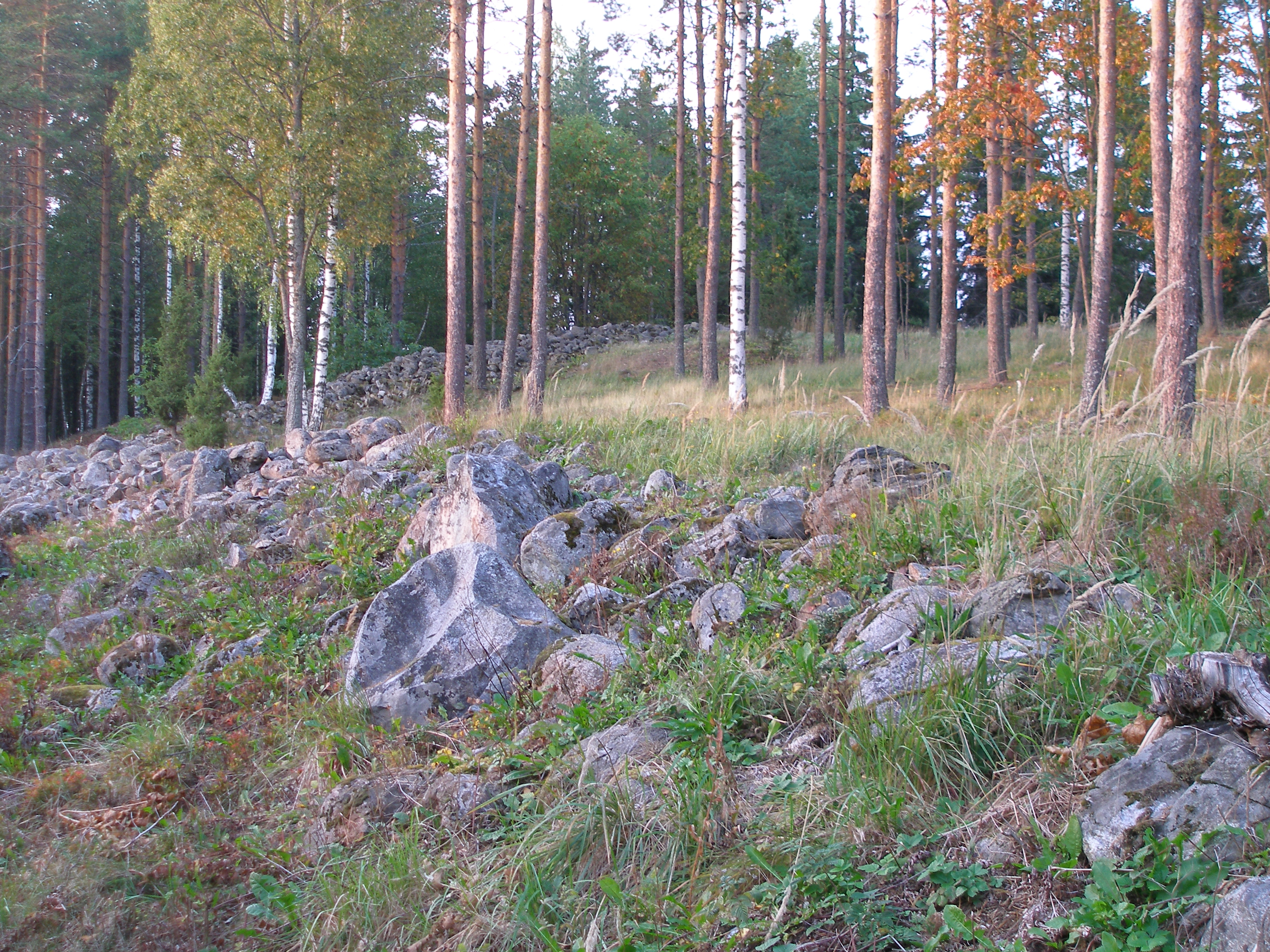
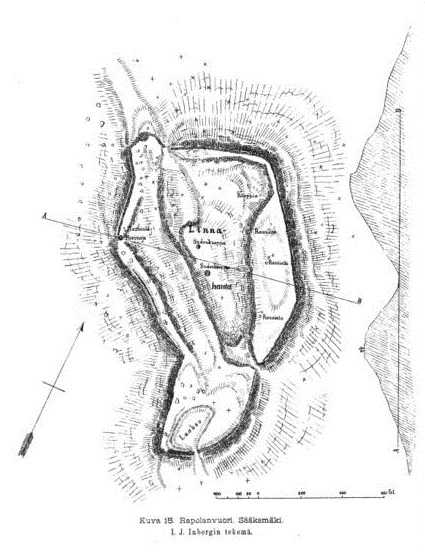
Rapola hill fort, situated in Valkeakoski, Finland, is the largest known hill fort in the country, encompassing an area of 58,000 square meters. Its origins trace back to the 7th century CE when the area was first inhabited. The fort was actively used during the 13th and 15th centuries, suggesting its construction was a strategic response to threats from Novgorodians and Swedes. Excavations have uncovered defensive walls, habitation areas with depressions for residences, and hearths, but only a small fraction of the site has been explored. A 1340 Papal Bull references a local leader, hinting at the region's resistance against external control. The nearby medieval Sääksmäki church underscores the site's historical significance. Despite its partial excavation, Rapola remains a crucial archaeological site for understanding Finland's medieval defensive strategies and settlement patterns.
Gallery
Explore photographs of ancient structures, artifacts, and archaeological excavations
Historical Timeline
Journey through time and discover key events in this site's history
Early Inhabitance
600 CE
13th Century Operation
1200 CE
15th Century Operation
1400 CE
Archaeological Features
Unique architectural and cultural elements found at this historical site
Defensive Structures
Religious and Ritual Structures
Domestic and Habitation Structures
Food Production and Processing Features
Frequently Asked Questions
Plan Your Visit
Tours, travel arrangements, and practical information
More Sites in Finland
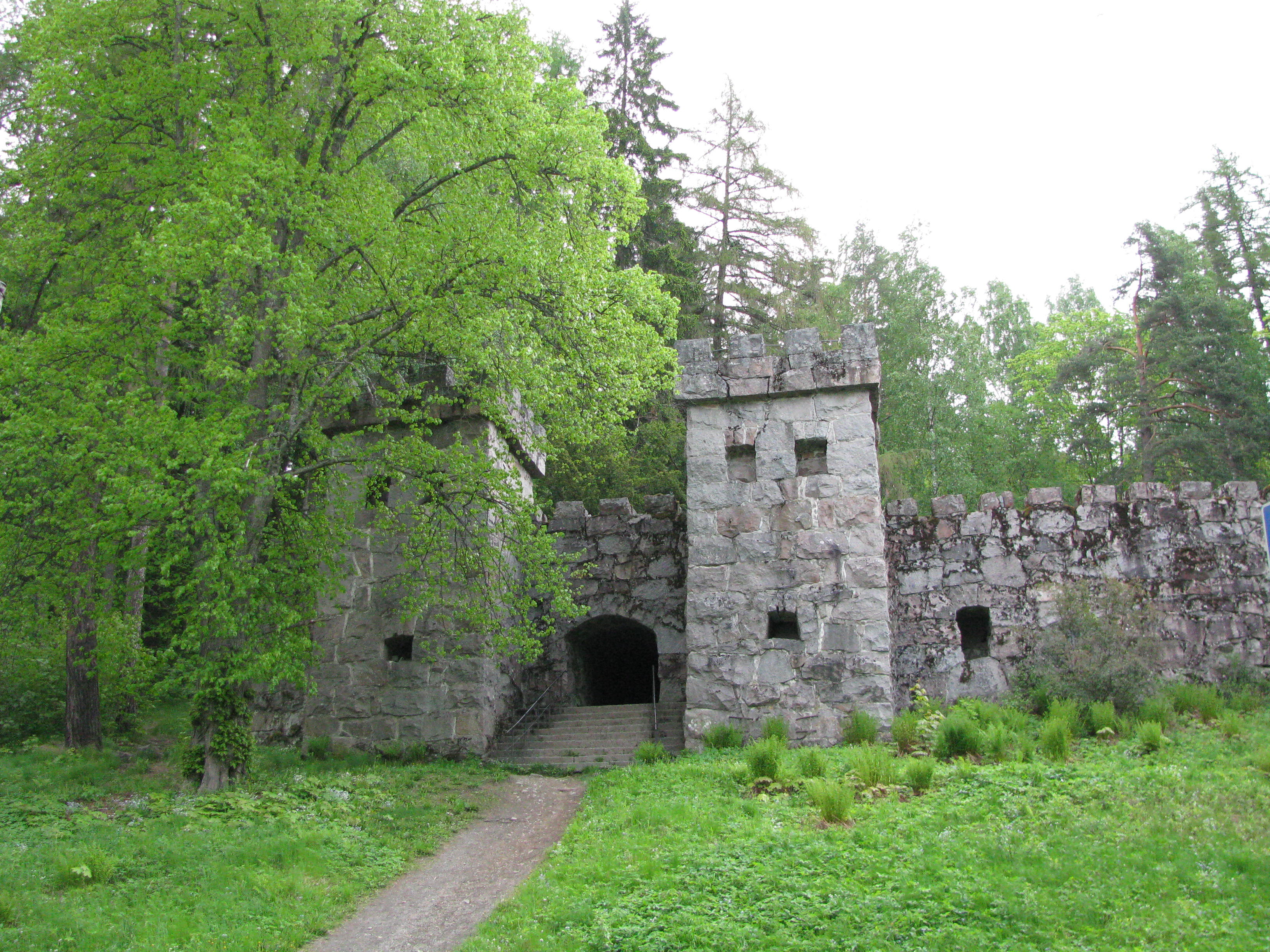
Aulanko Castle
Ancient hillfort with Iron Age origins.
Skällberget
Hillfort in Uusimaa, Finland
Ekeberga Burial Site
Stone burial mound from Roman Iron Age.
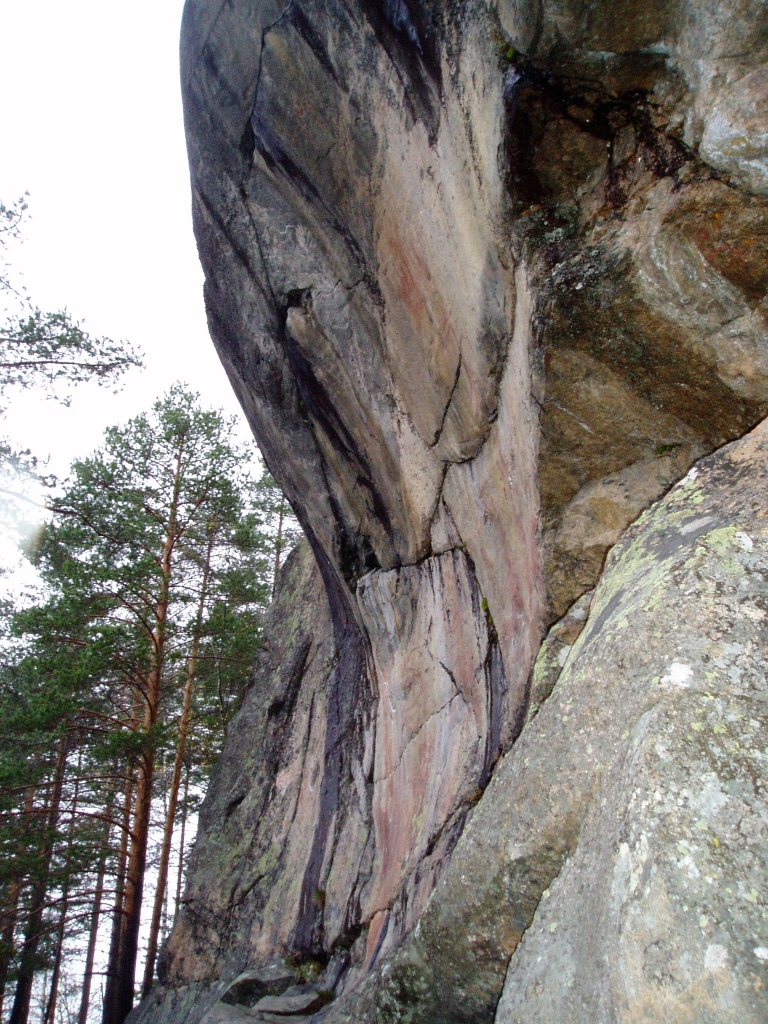
Astuvansalmi rock paintings
Rock paintings on human head-shaped cliff
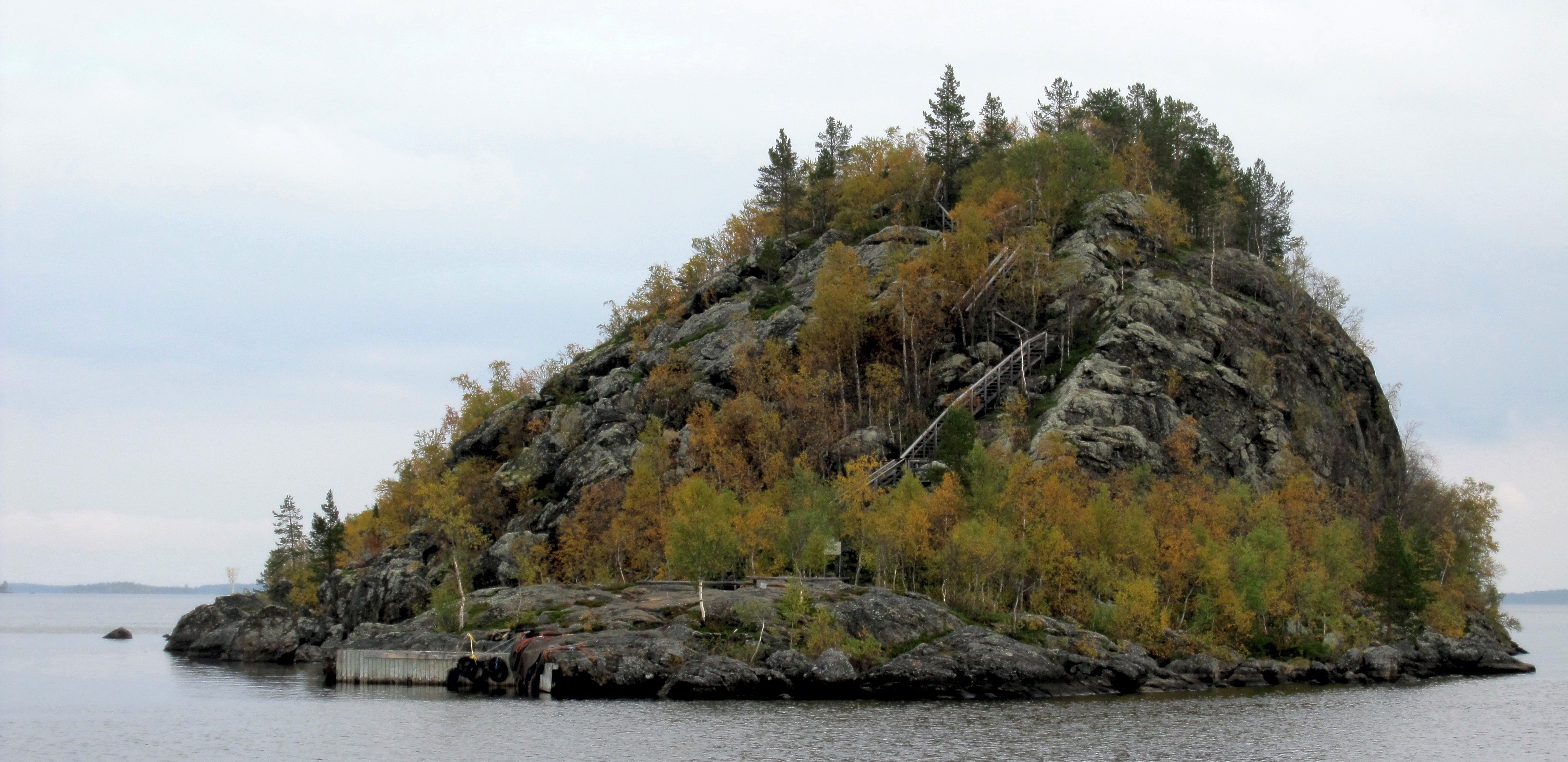
Ukonkivi
Sacred rock formation with sacrificial cave
Ravattula Church
Medieval wooden church with stone foundations