Time Periods
Paleolithic
Mesolithic
Neolithic
Chalcolithic
Bronze Age
Iron Age
Classical Period
Post-Classical Period
Early Modern Period
Industrial Period
Contemporary Period
Time Periods
Paleolithic
Mesolithic
Neolithic
Chalcolithic
Bronze Age
Iron Age
Classical Period
Post-Classical Period
Early Modern Period
Industrial Period
Contemporary Period
Location
About
The Vanaja settlement, located in present-day Tavastia Proper, Finland, is an archaeological site of significant historical interest. It is believed to be an Iron Age settlement that possibly served as a proto-urban center from the 6th to the 13th centuries. Its destruction in 1311 CE by Novgorodian forces is documented in a Novgorod chronicle, marking a pivotal event in its history. The settlement's proximity to the later Häme Castle suggests a strategic location, possibly influencing its establishment and subsequent destruction. The site is notable for its potential size, covering an estimated 5.5 hectares, and its relation to the medieval church of Vanaja, indicating religious significance. Despite limited excavations, the site offers valuable insights into Finland's early urbanization and medieval conflicts.
Gallery
Explore photographs of ancient structures, artifacts, and archaeological excavations at Vanaja (Finland)
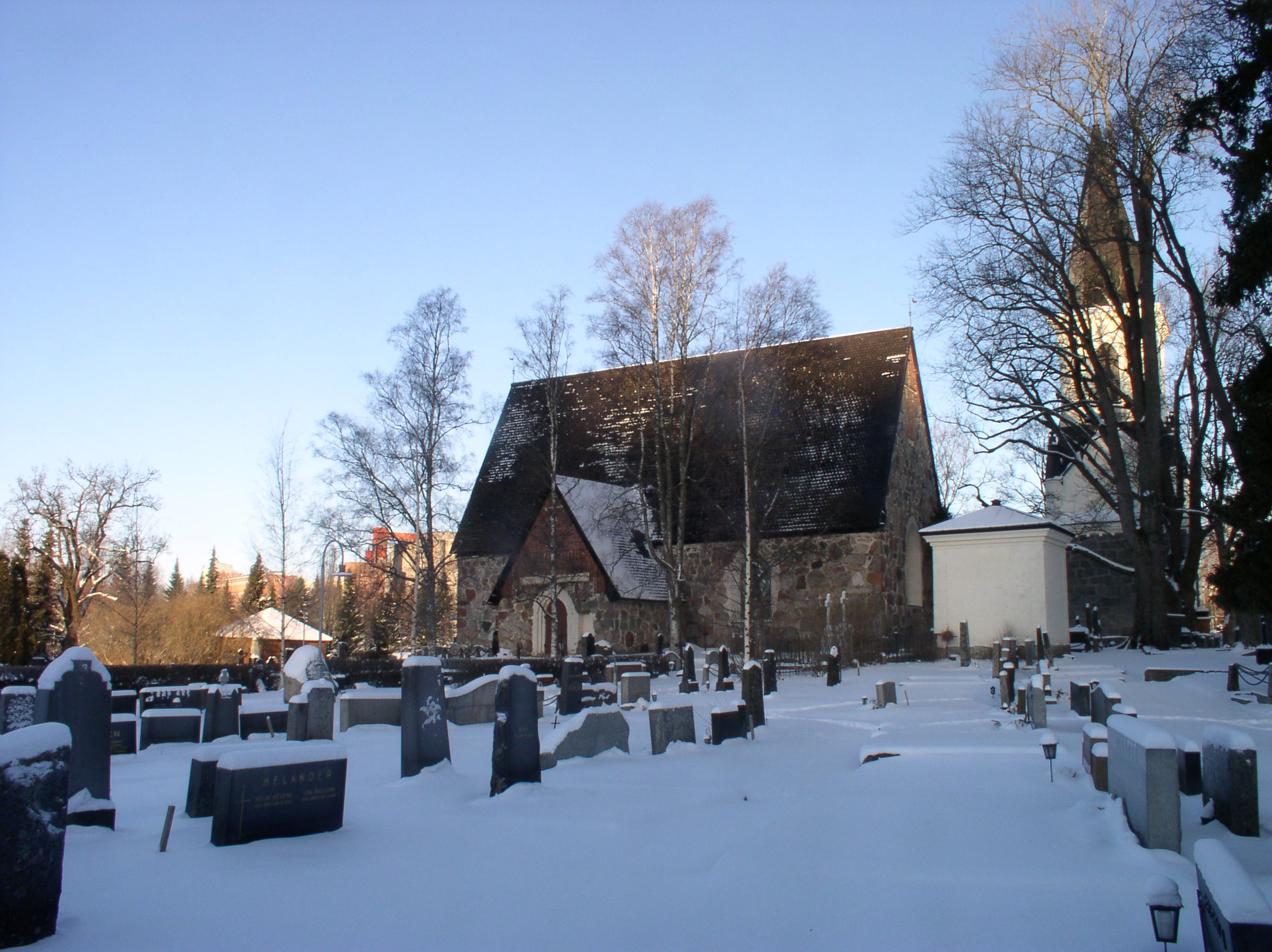
Archaeological Features
Explore the unique architectural and cultural elements found at this historical site
Defensive Structures
Religious and Ritual Structures
Domestic and Habitation Structures
Historical Timeline
Journey through time and discover key events in this site's archaeological history
Plan Your Visit
Details
- Country
- Finland
- Source
- Wikipedia
More Sites in Finland
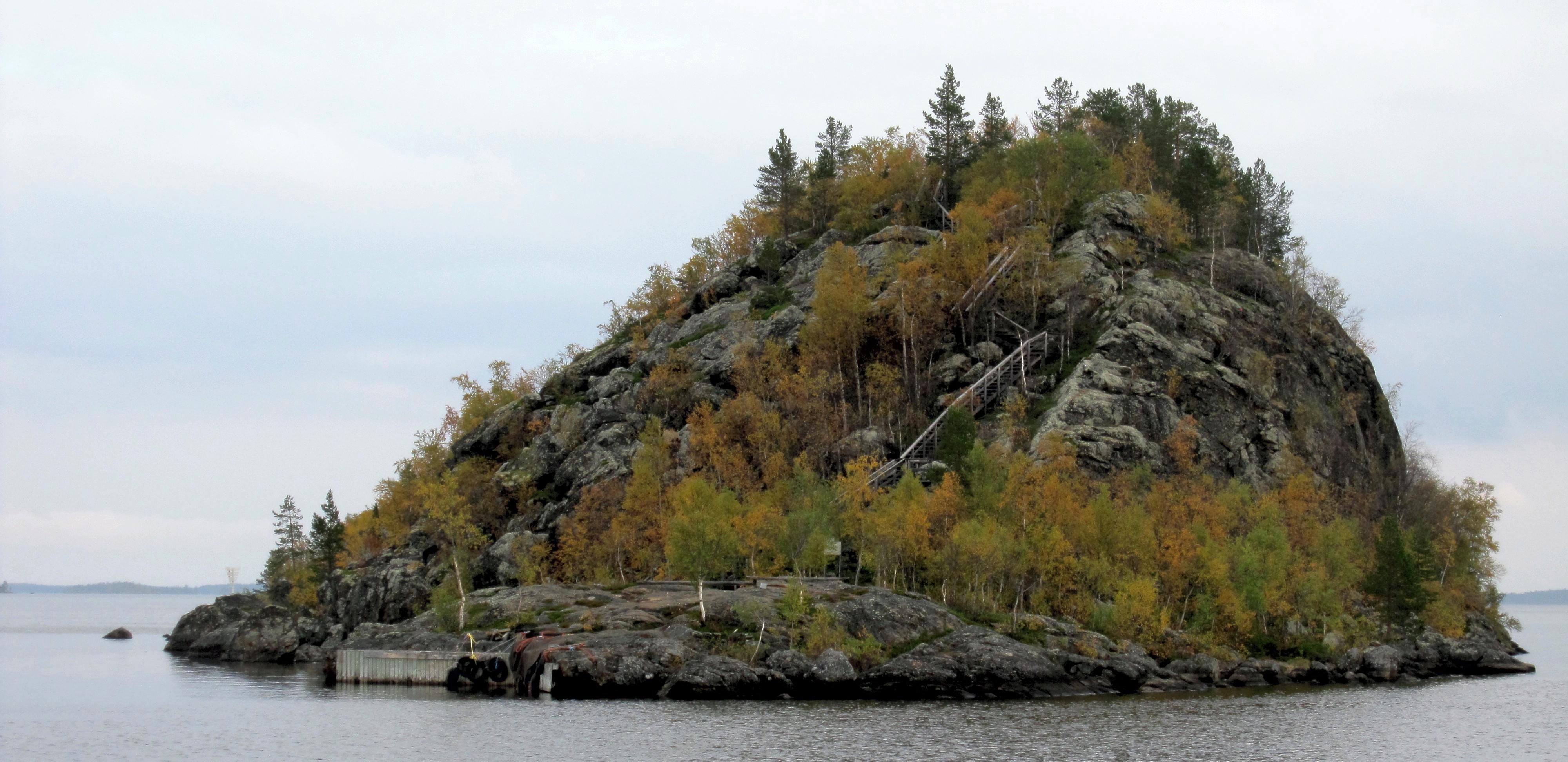
Ukonkivi
Sacred rock formation with sacrificial cave
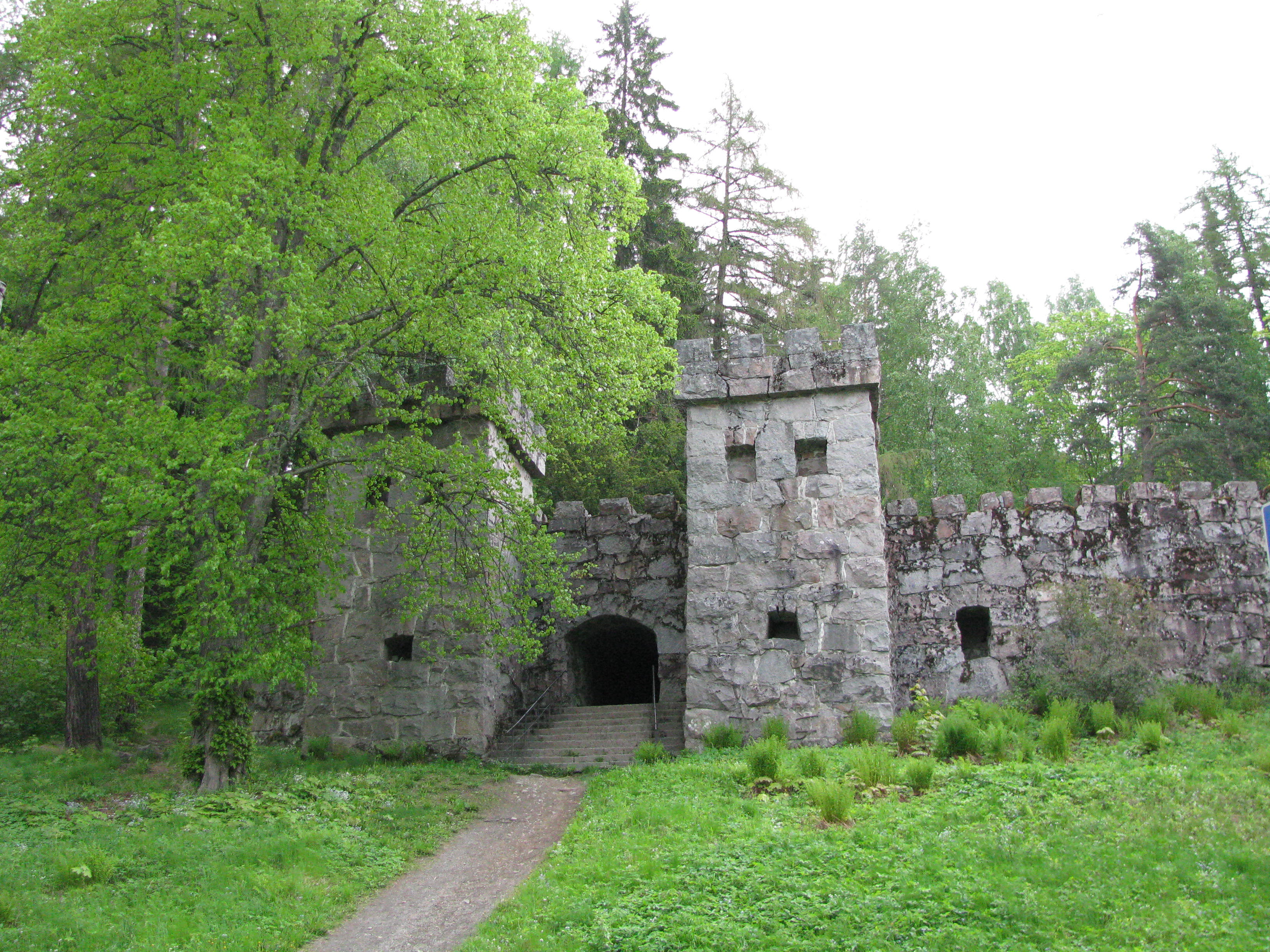
Aulanko Castle
Ancient hillfort with Iron Age origins.

Rapola Castle
Largest hill fort in Finland.
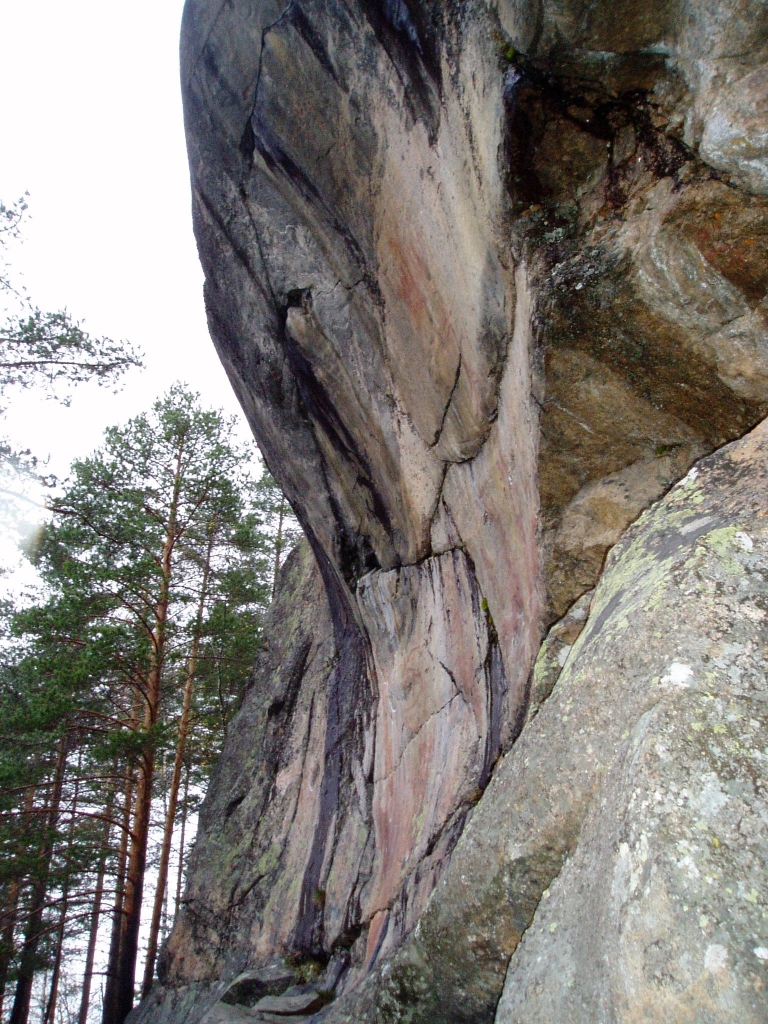
Astuvansalmi rock paintings
Rock paintings on human head-shaped cliff
Ekeberga Burial Site
Stone burial mound from Roman Iron Age.
Ravattula Church
Medieval wooden church with stone foundations