
Explore the Map
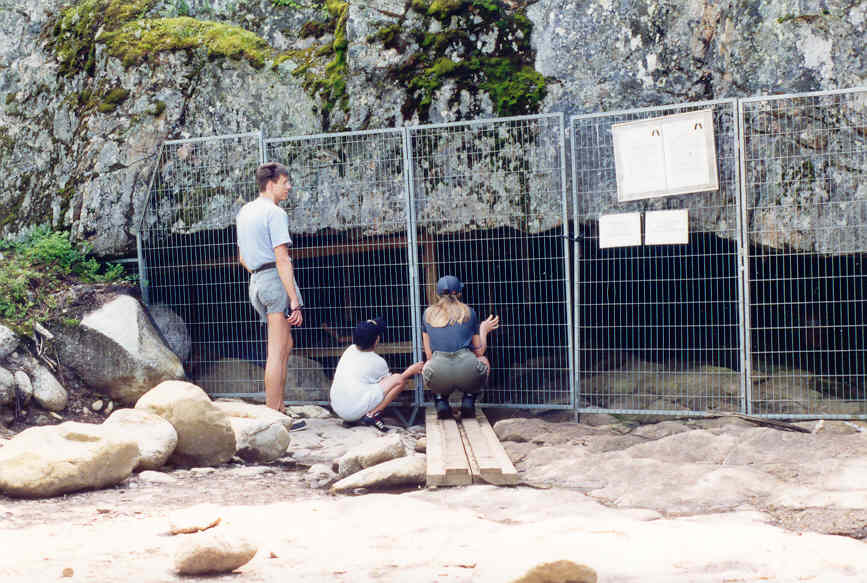
Wolf Cave
62.3028° N, 21.6608° E
About
Wolf Cave, located in Kristinestad, Finland, is a significant archaeological site due to its potential as the only known location of Neanderthal artifacts in the Nordic countries. The site, a soil-packed crack on Pyhävuori mountain, was discovered in 1996 when stone tools suggesting human creation were found. These tools, believed to be from the Middle Paleolithic period, include scrapers and bolt stones made from materials not native to the area, indicating a level of mobility or trade. Debate surrounds the authenticity of these artifacts; some scholars argue that the cave was underwater during the proposed habitation period, while others defend the presence of human-made tools. Despite the controversy, Wolf Cave remains a site of interest for understanding potential Neanderthal presence in the region.
Gallery
Explore photographs of ancient structures, artifacts, and archaeological excavations
Historical Timeline
Journey through time and discover key events in this site's history
Potential Neanderthal habitation
120,000 years ago BCE
Archaeological Features
Unique architectural and cultural elements found at this historical site
Domestic and Habitation Structures
Environmental and Natural Features
Frequently Asked Questions
Plan Your Visit
Tours, travel arrangements, and practical information
More Sites in Finland
Skällberget
Hillfort in Uusimaa, Finland
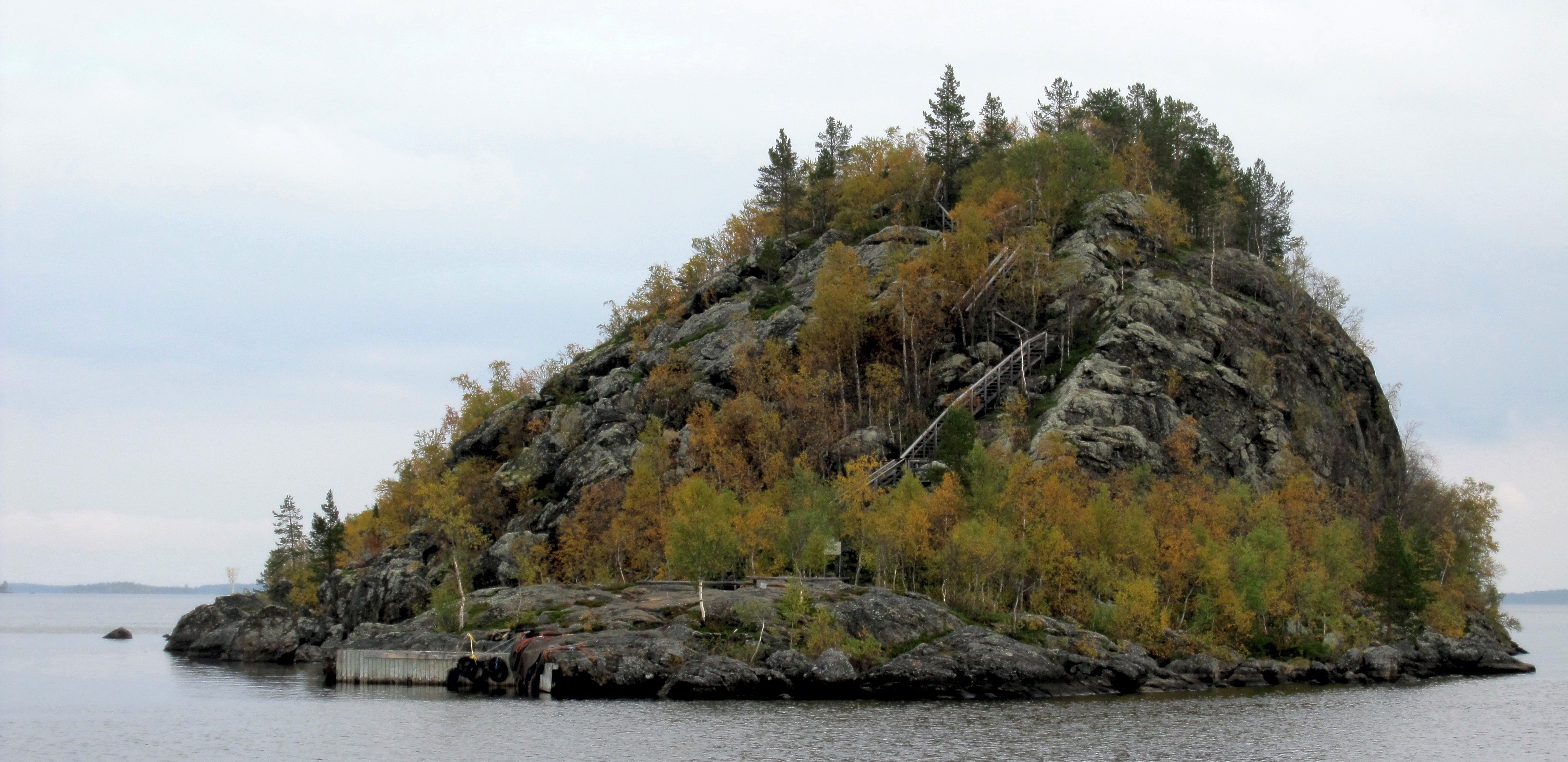
Ukonkivi
Sacred rock formation with sacrificial cave
Kastelli Giant's Church
Large prehistoric stone enclosure with cairns
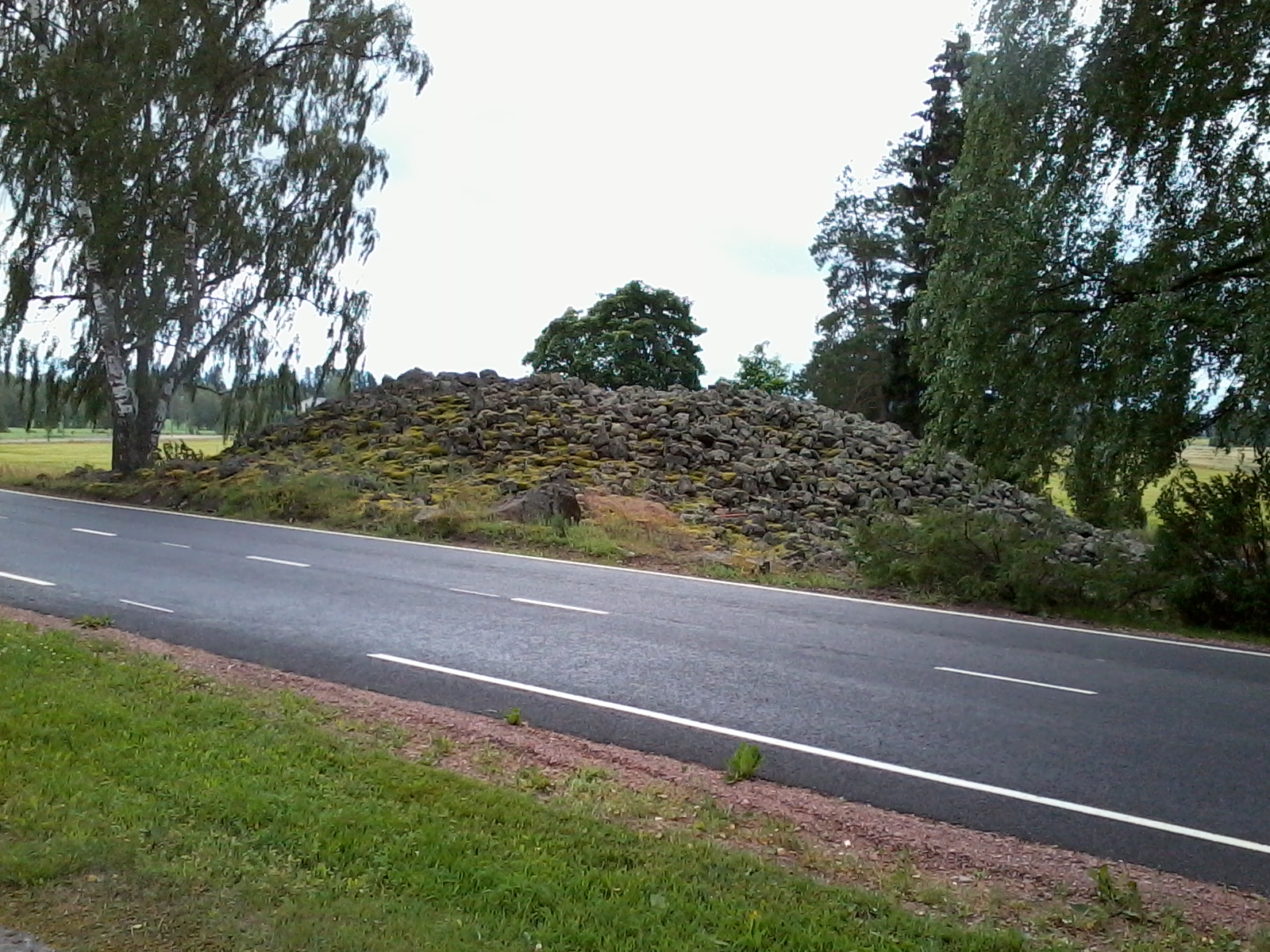
Kuninkaanhauta
Large Bronze Age burial cairn in Finland
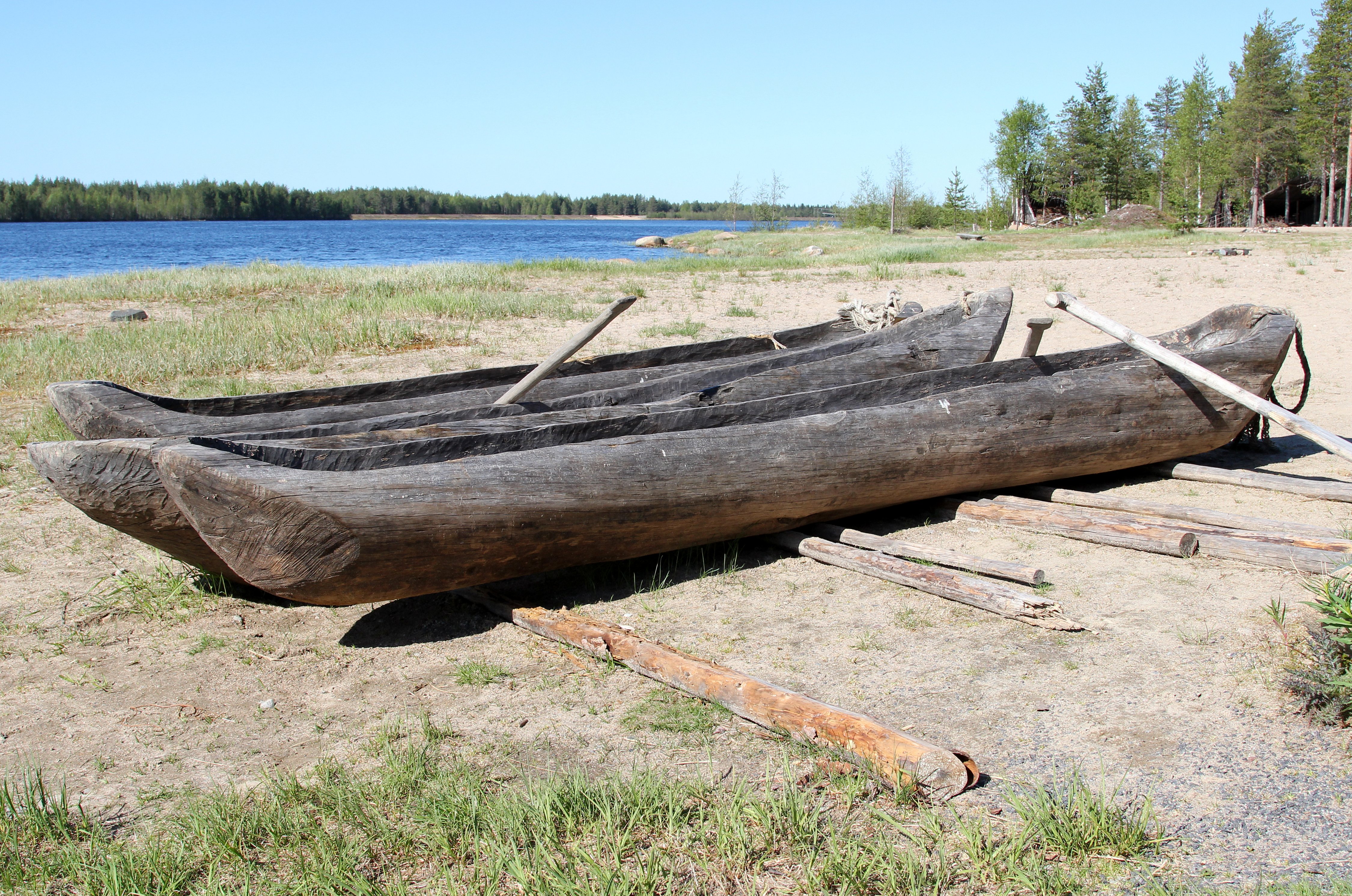
Kierikki
Stone Age village with trade evidence

Rapola Castle
Largest hill fort in Finland.