Time Periods
Paleolithic
Mesolithic
Neolithic
Chalcolithic
Bronze Age
Iron Age
Classical Period
Post-Classical Period
Early Modern Period
Industrial Period
Contemporary Period
Time Periods
Paleolithic
Mesolithic
Neolithic
Chalcolithic
Bronze Age
Iron Age
Classical Period
Post-Classical Period
Early Modern Period
Industrial Period
Contemporary Period
Location
About
The site of Uxellodunum was a fortified hill fort that played a crucial role in the final phases of the Gallic Wars. Located strategically with natural defenses such as a river and a mountainside, it was a stronghold for Gallic leaders Lucterius and Drapes. The fortifications were enhanced by the Carduci tribe, making it a formidable defensive position. Despite its robust fortifications, the Romans, led by Gaius Julius Caesar and his legates, employed strategic tactics, including cutting off the water supply, to achieve a decisive victory. The siege of Uxellodunum marked the final major military action in the Roman conquest of Gaul, symbolizing the effective pacification of the region under Roman rule in 51 BCE.
Gallery
Explore photographs of ancient structures, artifacts, and archaeological excavations at Siege of Uxellodunum
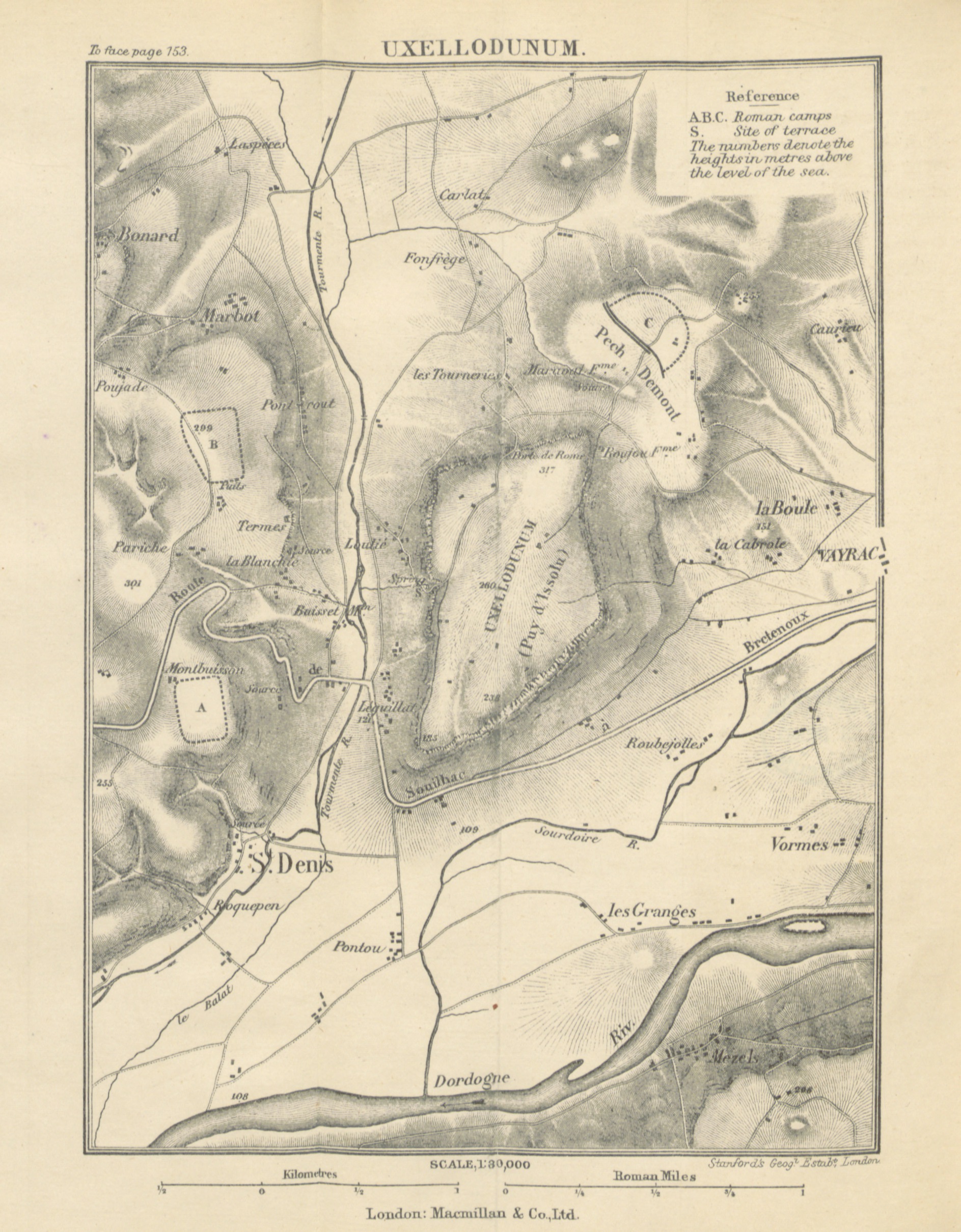
Archaeological Features
Explore the unique architectural and cultural elements found at this historical site
Defensive Structures
Military Installations
Water Management Features
Domestic and Habitation Structures
Historical Timeline
Journey through time and discover key events in this site's archaeological history
Plan Your Visit
Details
- Country
- France
- Source
- Wikipedia
More Sites in France
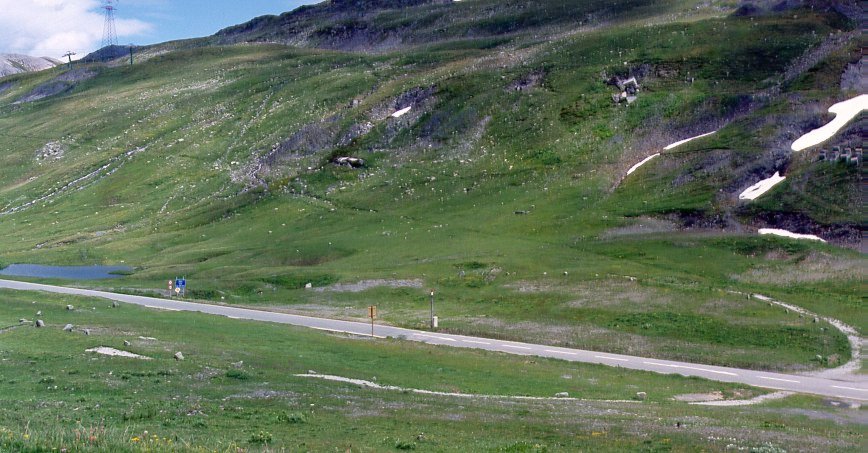
Little St Bernard Pass
Iron Age stone circle and Roman temple
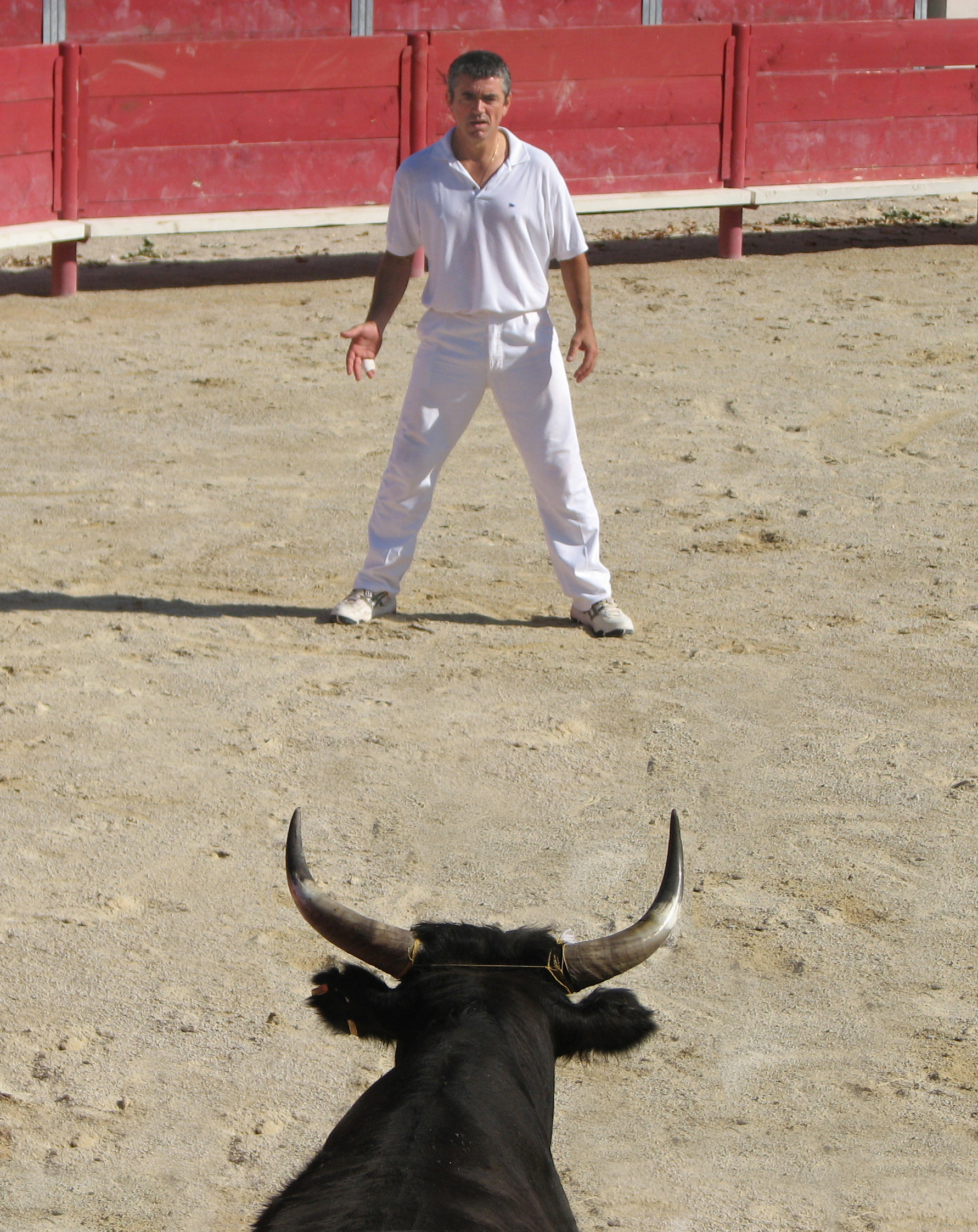
Aimargues
Ancient town with Roman origins, castle.
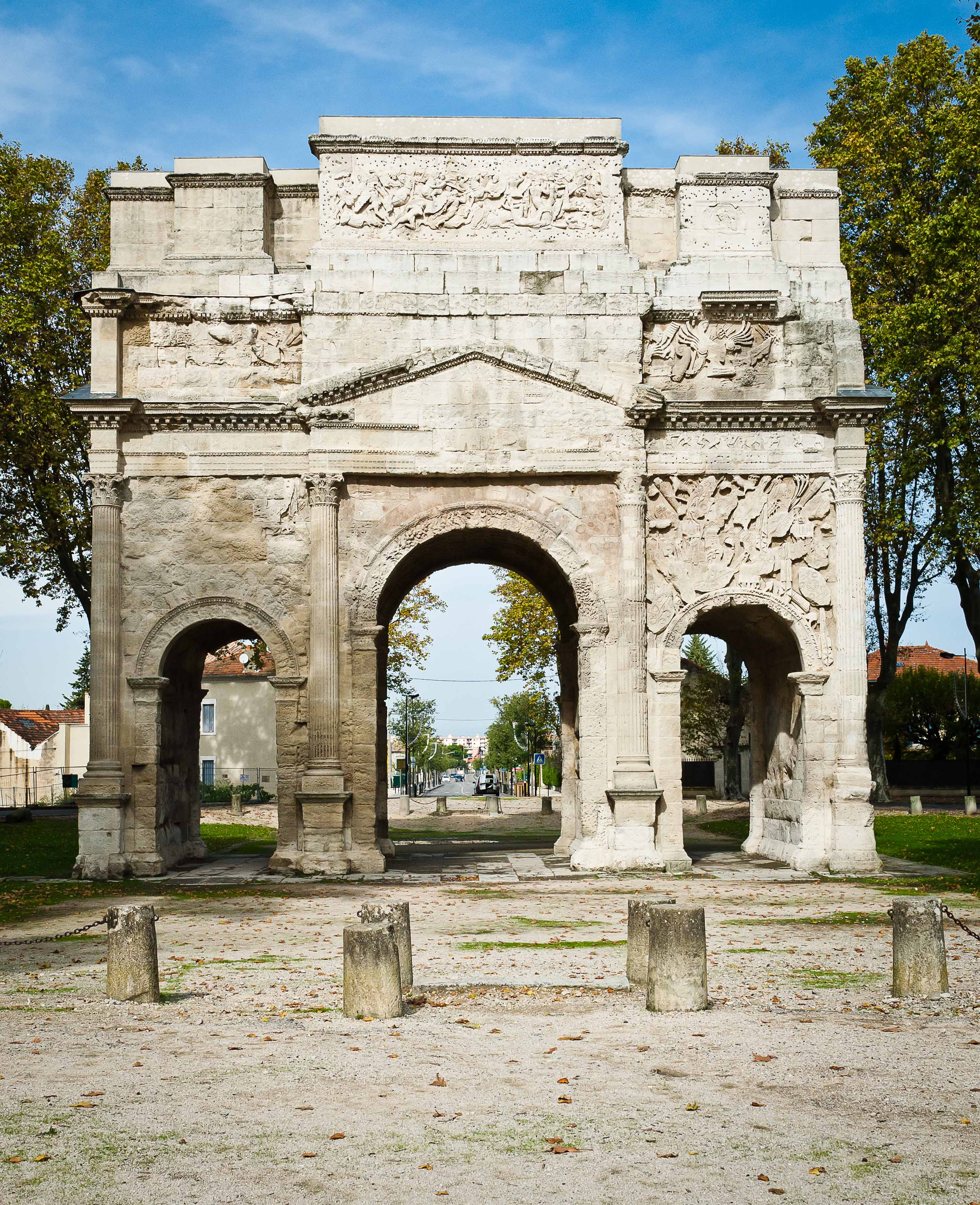
Triumphal Arch of Orange
Oldest surviving Roman triumphal arch.
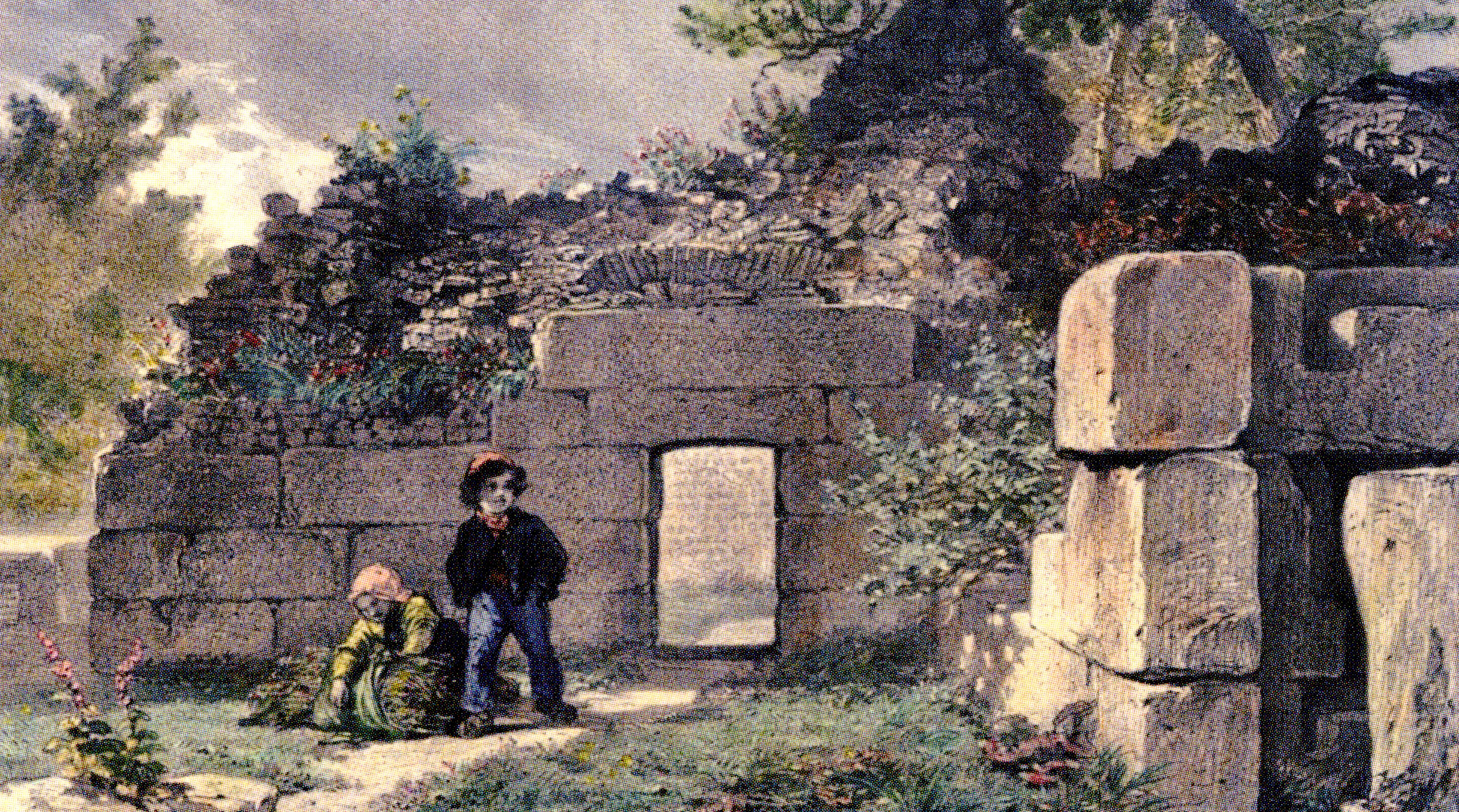
Jublains archeological site
Roman city ruins with Celtic origins
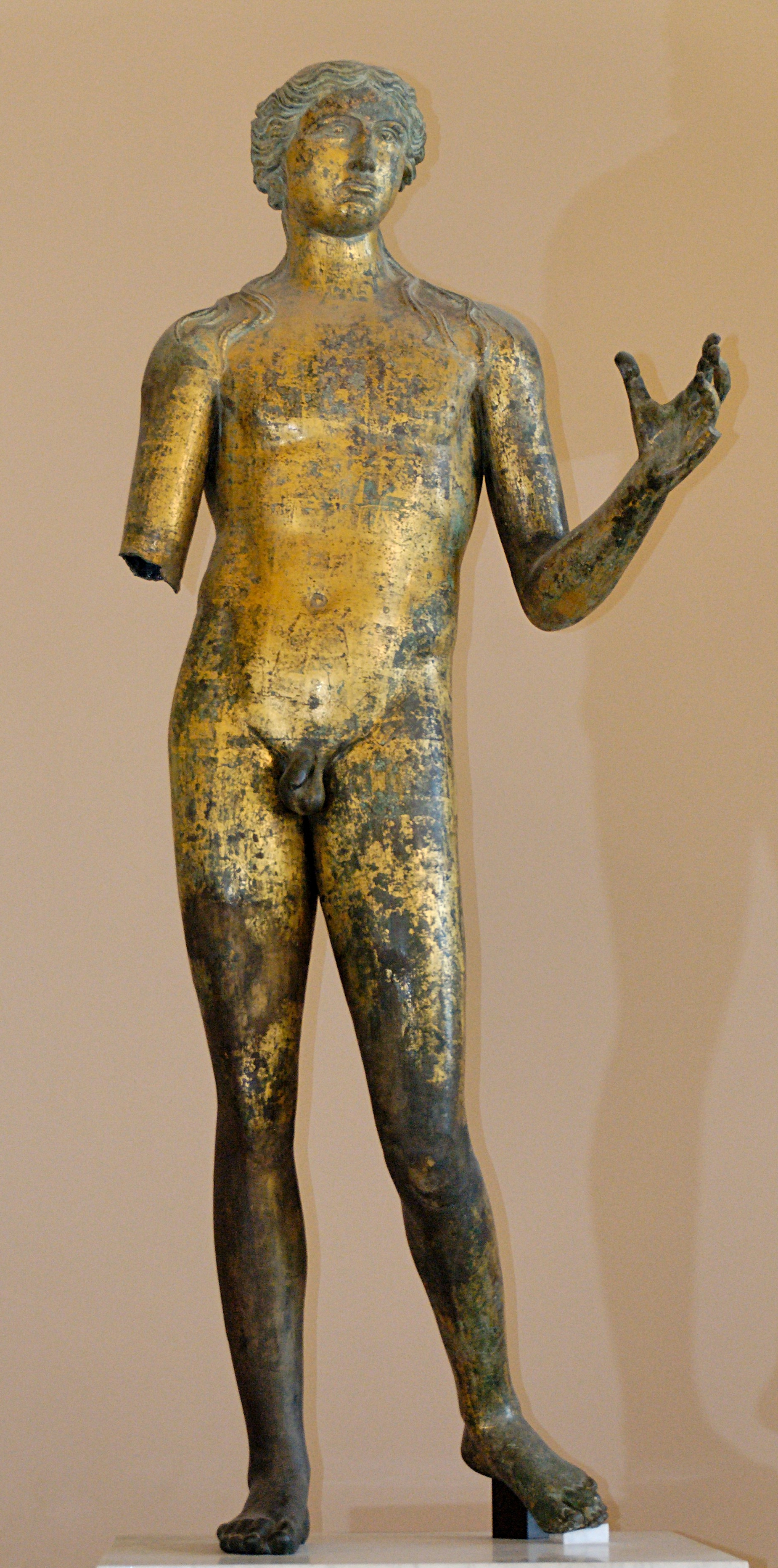
Lillebonne
Ancient Roman city with theatre and baths
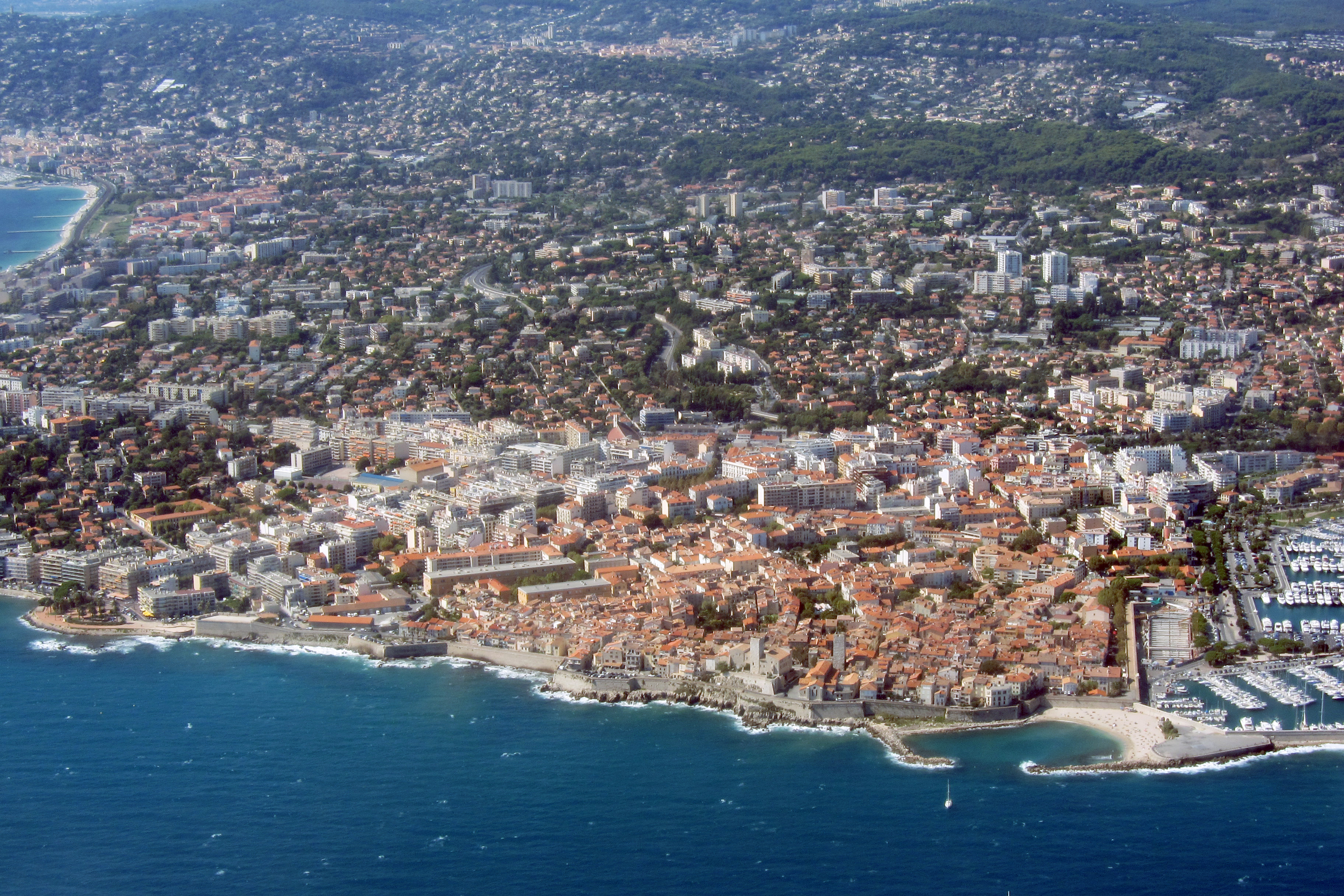
Antibes
Ancient Greek colony with medieval fortifications.