
Explore the Map
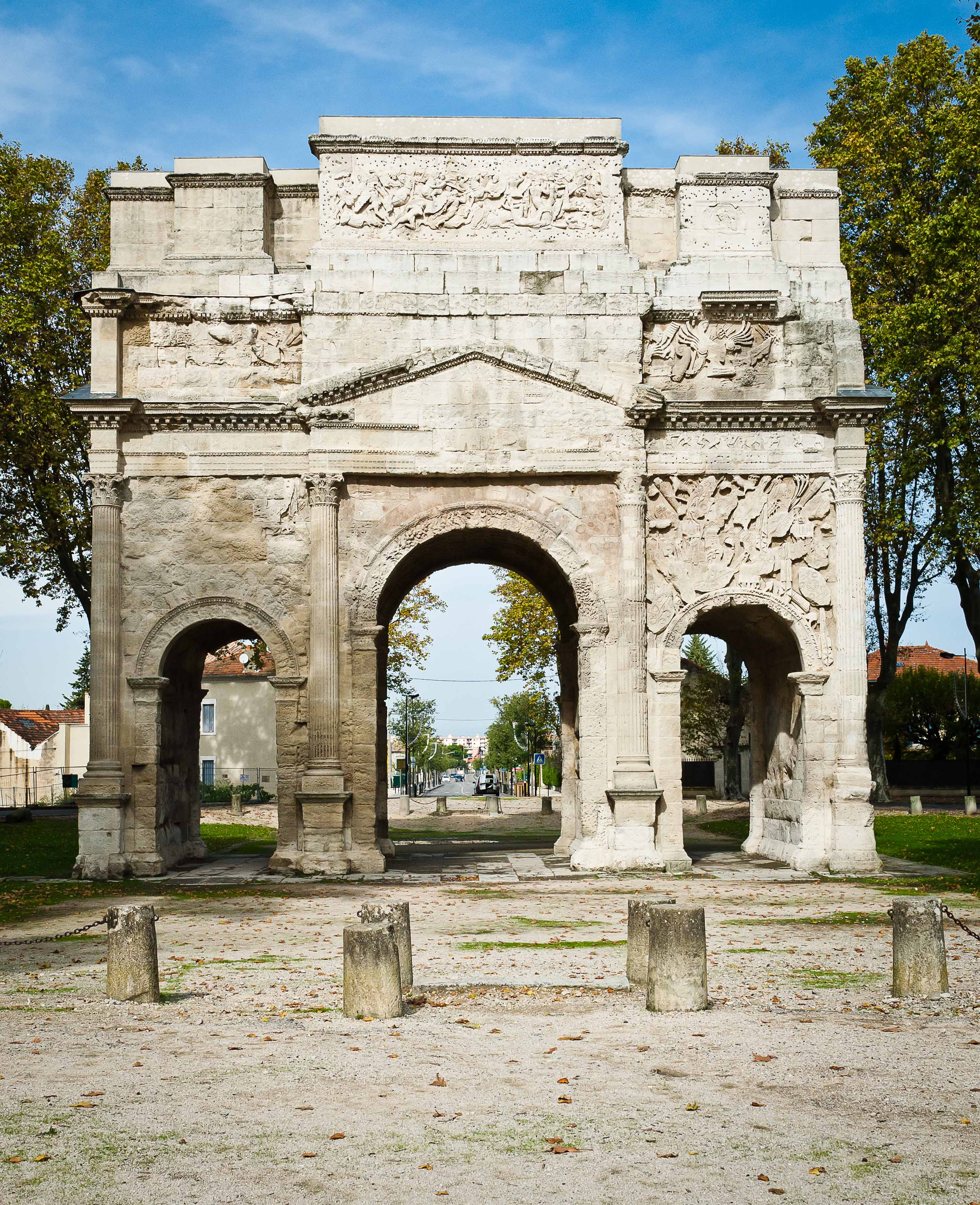
Triumphal Arch of Orange
44.1419° N, 4.8051° E
About
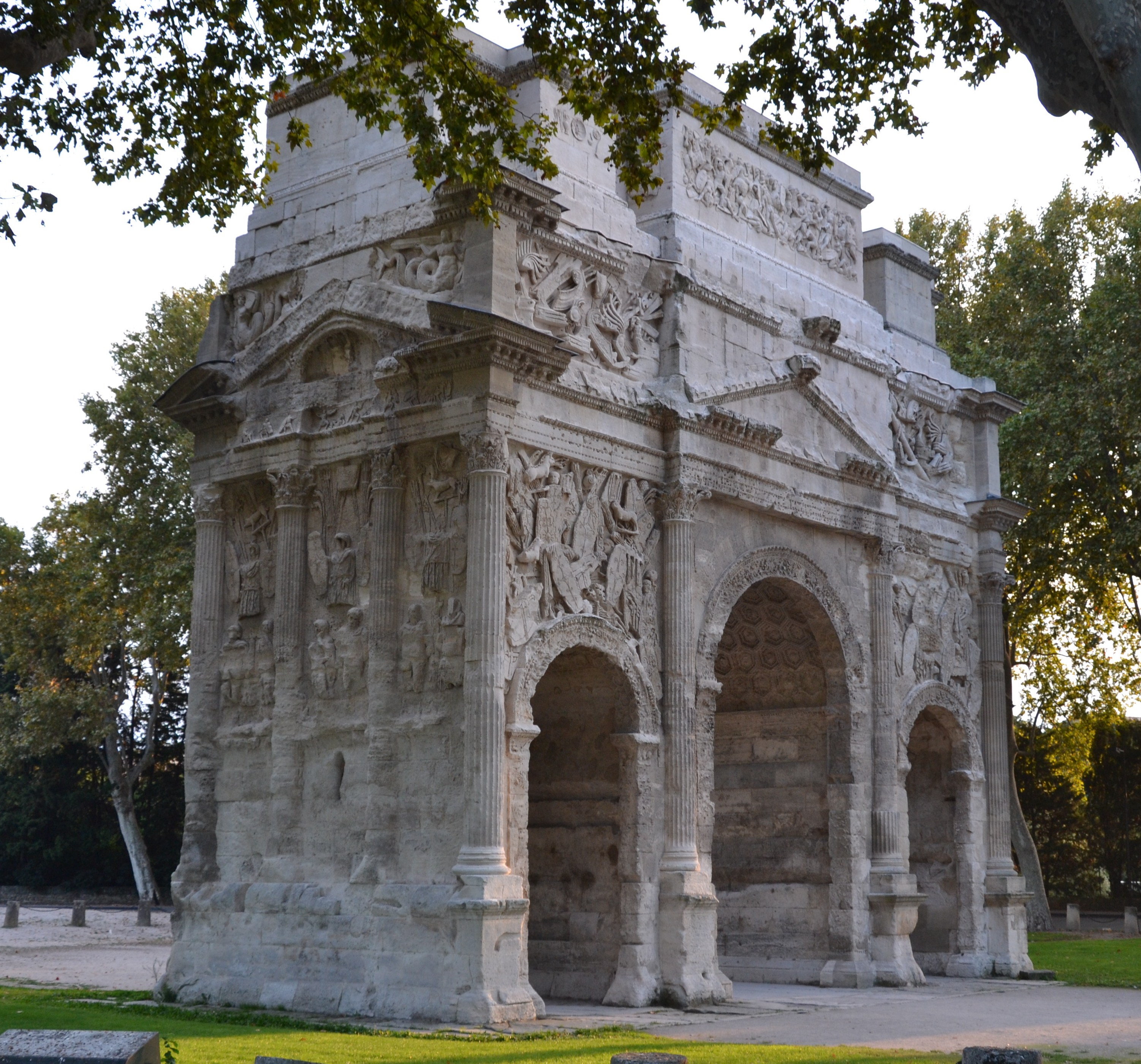
The Triumphal Arch of Orange, located in southeast France, is an exemplary Roman monument celebrated for its historical and architectural significance. Constructed initially during the reign of Emperor Augustus (27 BCE–14 CE), it served to honor veterans of the Gallic Wars and members of Legio II Augusta. This arch is notably one of the oldest surviving examples of a Roman triumphal arch, predating those found in Rome, such as the Arch of Septimius Severus. Emperor Tiberius later reconstructed the arch (c. 20–27 CE) to commemorate Germanicus' victories over Germanic tribes, as evidenced by the inscriptions and elaborate military-themed reliefs that adorn the structure. The arch’s integration into the town’s medieval fortifications further attests to its continued significance over centuries. Recognized for its exceptional preservation, it was inscribed as a UNESCO World Heritage Site in 1981.
Gallery
Explore photographs of ancient structures, artifacts, and archaeological excavations
Historical Timeline
Journey through time and discover key events in this site's history
Construction during Augustus' reign
27 BCE–14 CE
Reconstruction by Tiberius
20–27 CE
Archaeological Features
Unique architectural and cultural elements found at this historical site
Public and Civic Structures
Artistic and Decorative Features
Frequently Asked Questions
Plan Your Visit
Tours, travel arrangements, and practical information
More Sites in France

Oppidum de Nages
Iron Age hilltop oppidum with public buildings.
Isturitz and Oxocelhaya caves
Paleolithic caves in the French Basque Country
Bibracte
Gallic oppidum in Burgundy, France
Casteddu di Tappa
Torreann Bronze Age site in Corsica, France
Cave of Aurignac
Palaeolithic cave site in southwestern France
Cave of the Trois-Frères
Paleolithic cave-art complex in southwestern France