Explore the Map
Eythra
51.2333° N, 12.3000° E
About
Eythra, located near Leipzig, Germany, is an archaeologically significant site due to its role as part of one of Europe's oldest civilizations. Excavations conducted between 1993 and 2005 under Harald Stäuble uncovered a village complex and a temple spanning 25 hectares, which supported a community of up to 300 people. The site dates back to the Neolithic period, approximately around 5000 BCE, offering insight into early human settlement patterns and religious practices in Central Europe. Although the original village was demolished in the 1980s for lignite extraction, the archaeological findings at Eythra contribute valuable knowledge about early European societies and their development.
Gallery
Explore photographs of ancient structures, artifacts, and archaeological excavations
Historical Timeline
Journey through time and discover key events in this site's history
Neolithic Settlement
5000 BCE
Archaeological Features
Unique architectural and cultural elements found at this historical site
Religious and Ritual Structures
Domestic and Habitation Structures
Frequently Asked Questions
Plan Your Visit
Tours, travel arrangements, and practical information
More Sites in Germany
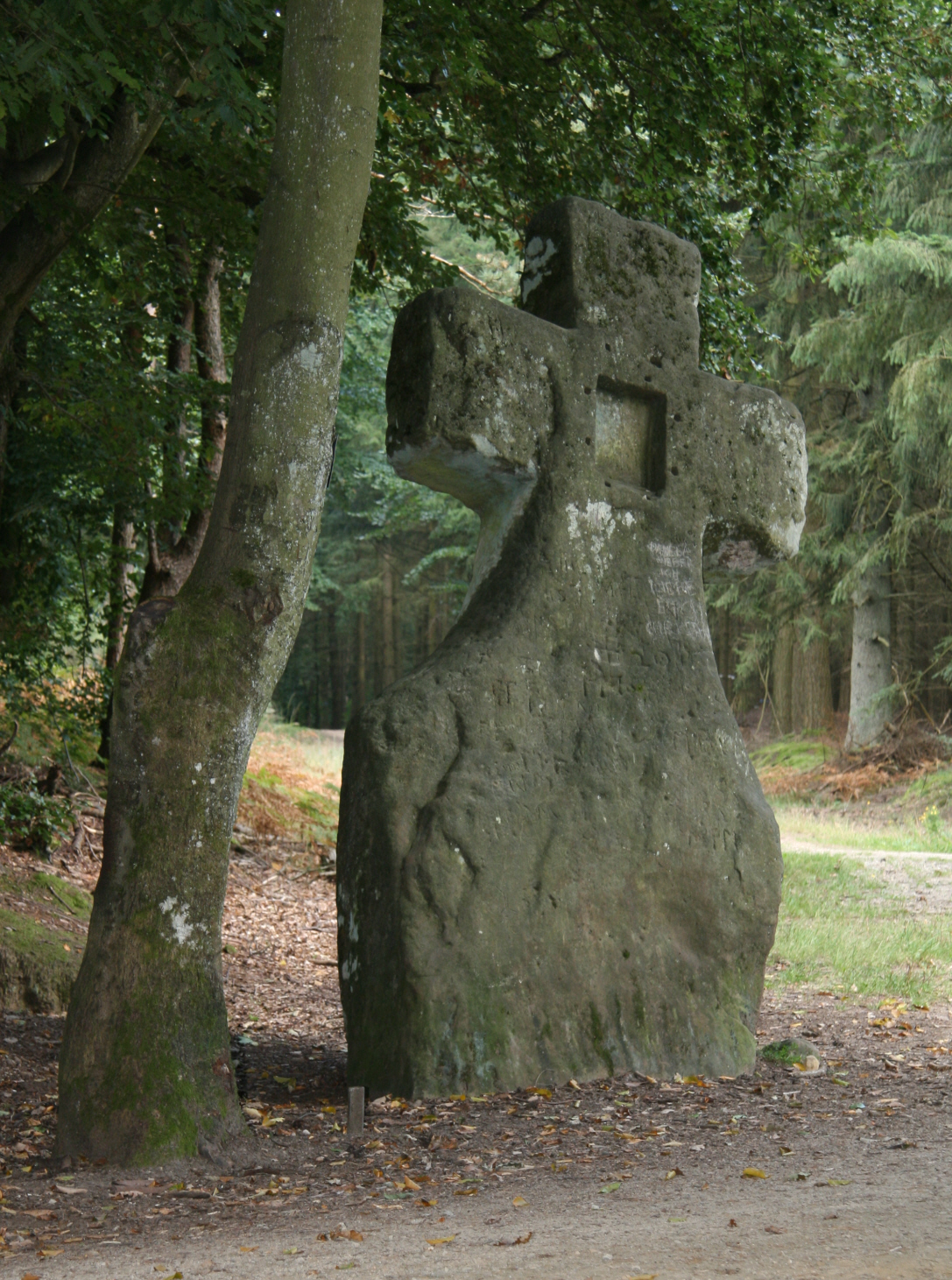
Fraubillen cross
Resculpted menhir into a Christian cross
Kyffhausen Castle
Medieval castle ruin with Neolithic origins
Langweiler (archaeological site)
Neolithic farming settlement with ritual enclosures
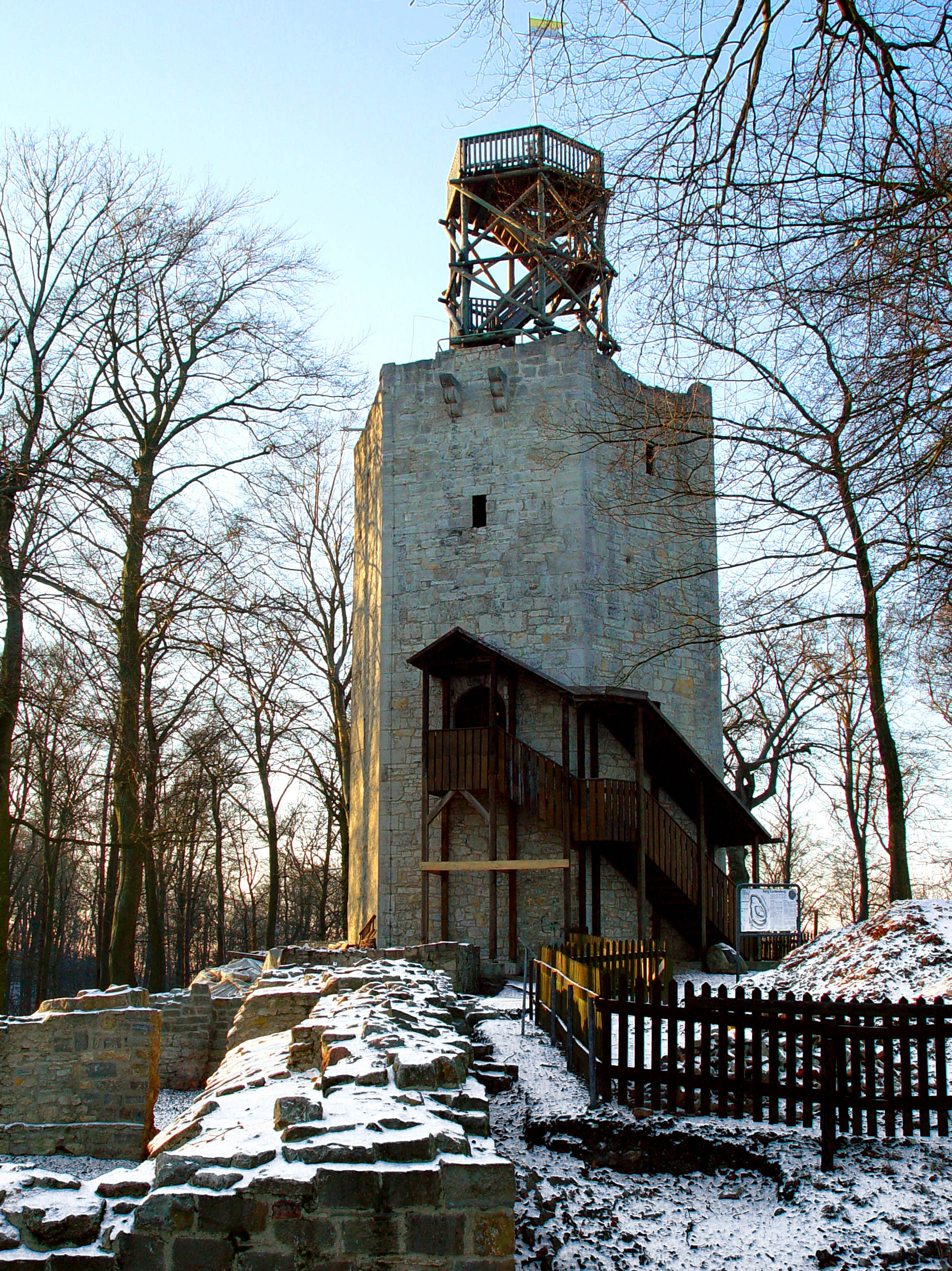
Lichtenberg Castle (Salzgitter)
12th-century hill castle ruins in Germany

Milseburg
Extinct volcano with Celtic oppidum remains
Burgstall Schlosshügel
Early medieval motte (burgstall), Upper Franconia, Germany