Explore the Map
Oppidum Steinsburg
50.4121° N, 10.5929° E
About
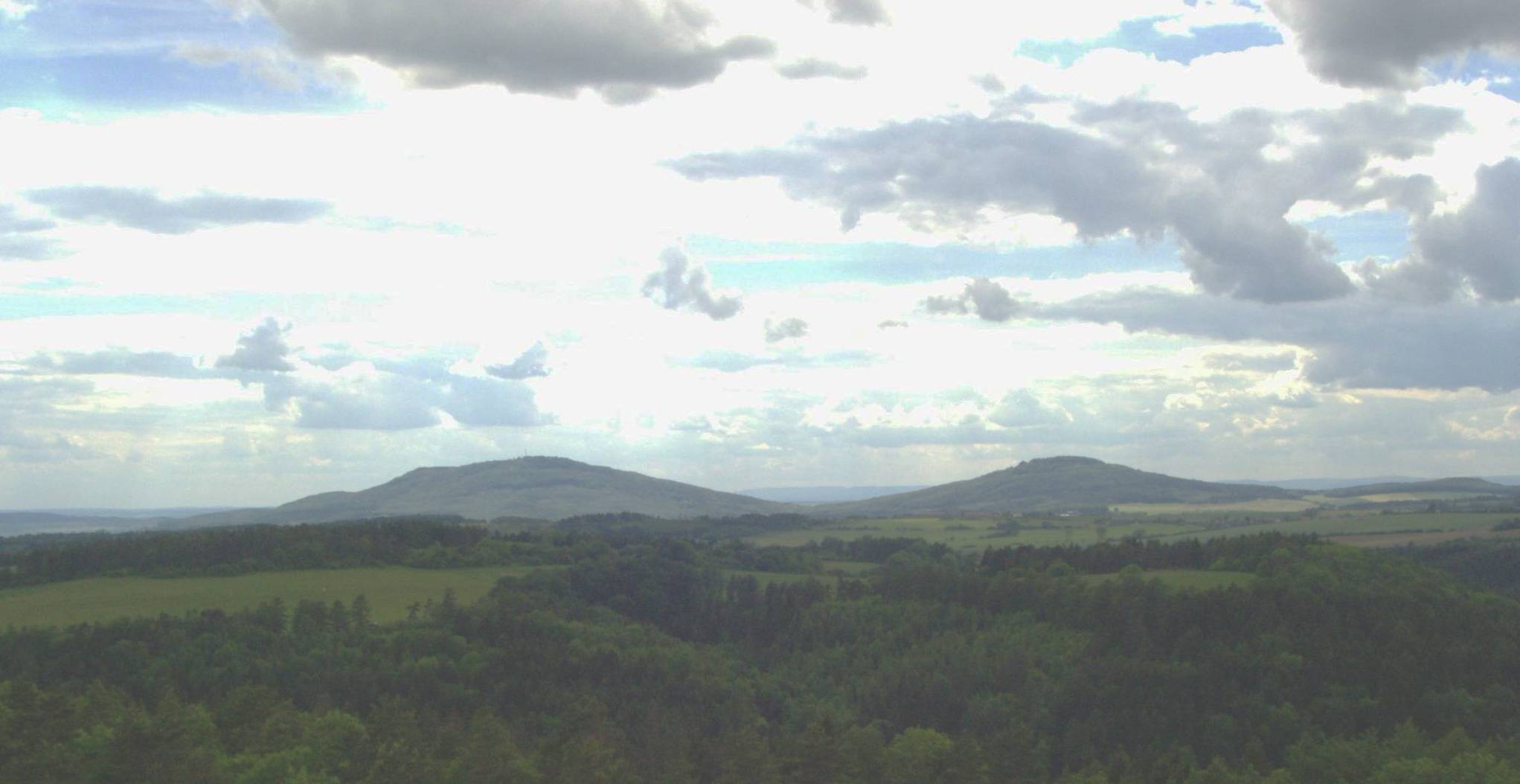
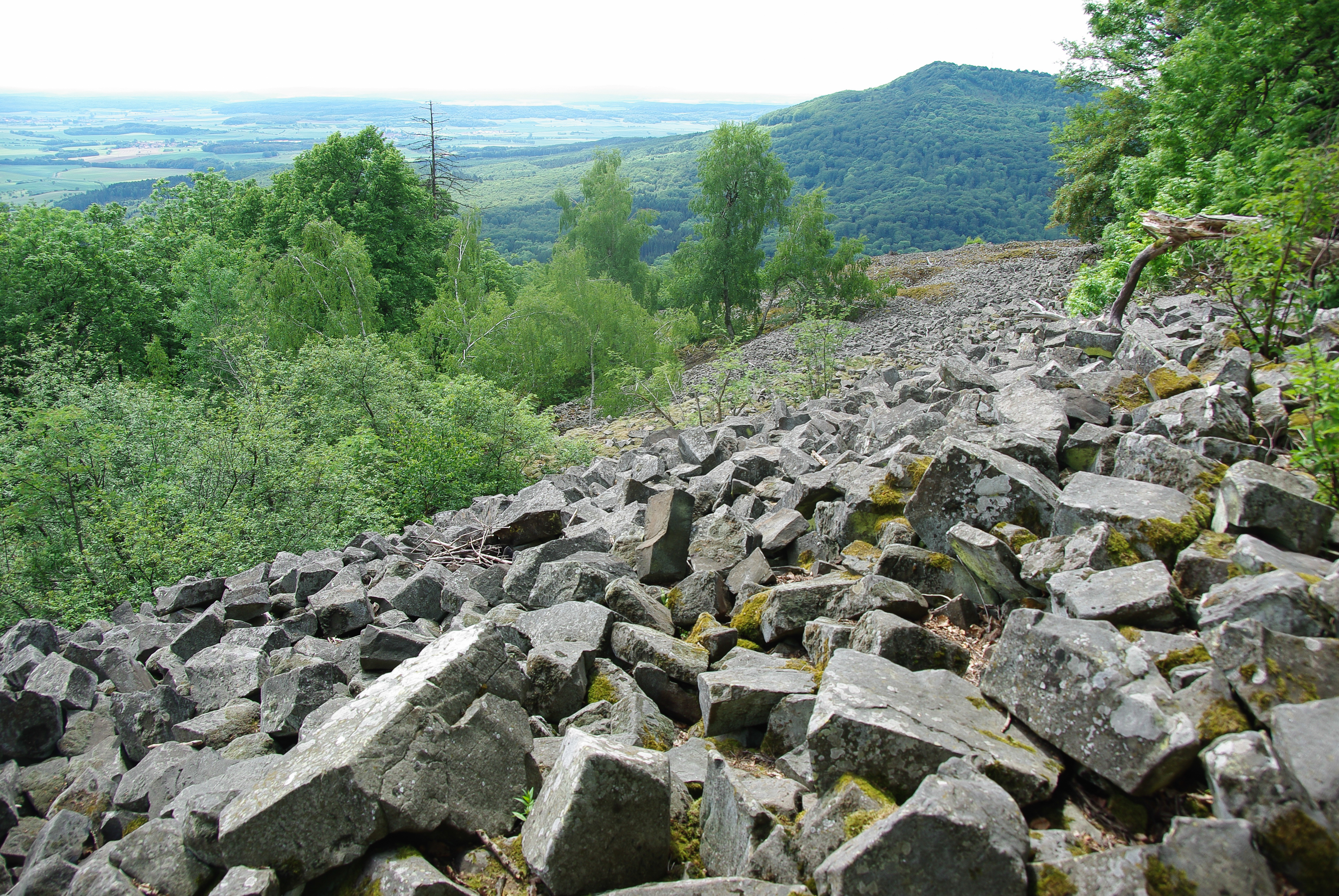
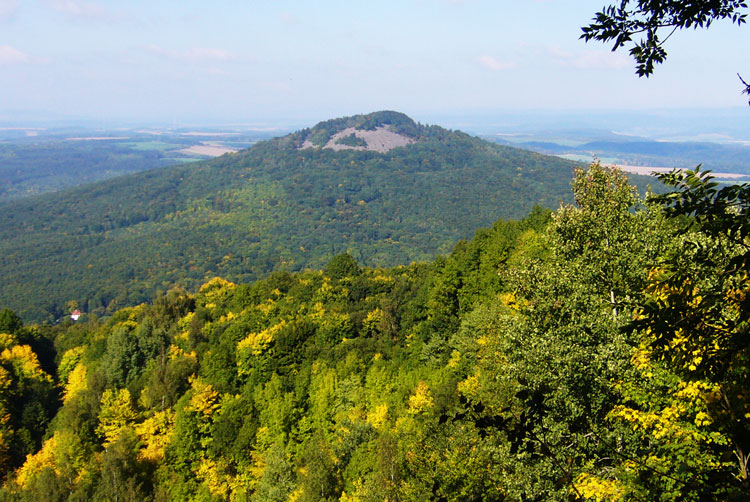
The Steinsburg oppidum, located on the Kleiner Gleichberg in South Thuringia, Germany, is a significant Celtic archaeological site. Characterized by its strategic hilltop position, the site features remnants of dry stone walls constructed from local basalt, indicative of its defensive purpose. Three concentric rings of walls were originally erected to protect the oppidum, with the outermost enclosing an area of approximately 66 hectares. Despite extensive quarrying in the 19th century which led to widespread destruction, numerous metal artifacts of Celtic origin have been uncovered, offering insights into the site's historical relevance. The Steinsburg oppidum is potentially linked to the settlement of Bicurgium, as mentioned by Ptolemy, highlighting its importance in ancient geography and history.
Gallery
Explore photographs of ancient structures, artifacts, and archaeological excavations
Historical Timeline
Journey through time and discover key events in this site's history
Construction of oppidum
1st century BCE
Archaeological Features
Unique architectural and cultural elements found at this historical site
Defensive Structures
Frequently Asked Questions
Plan Your Visit
Tours, travel arrangements, and practical information
More Sites in Germany
Kyffhausen Castle
Medieval castle ruin with Neolithic origins
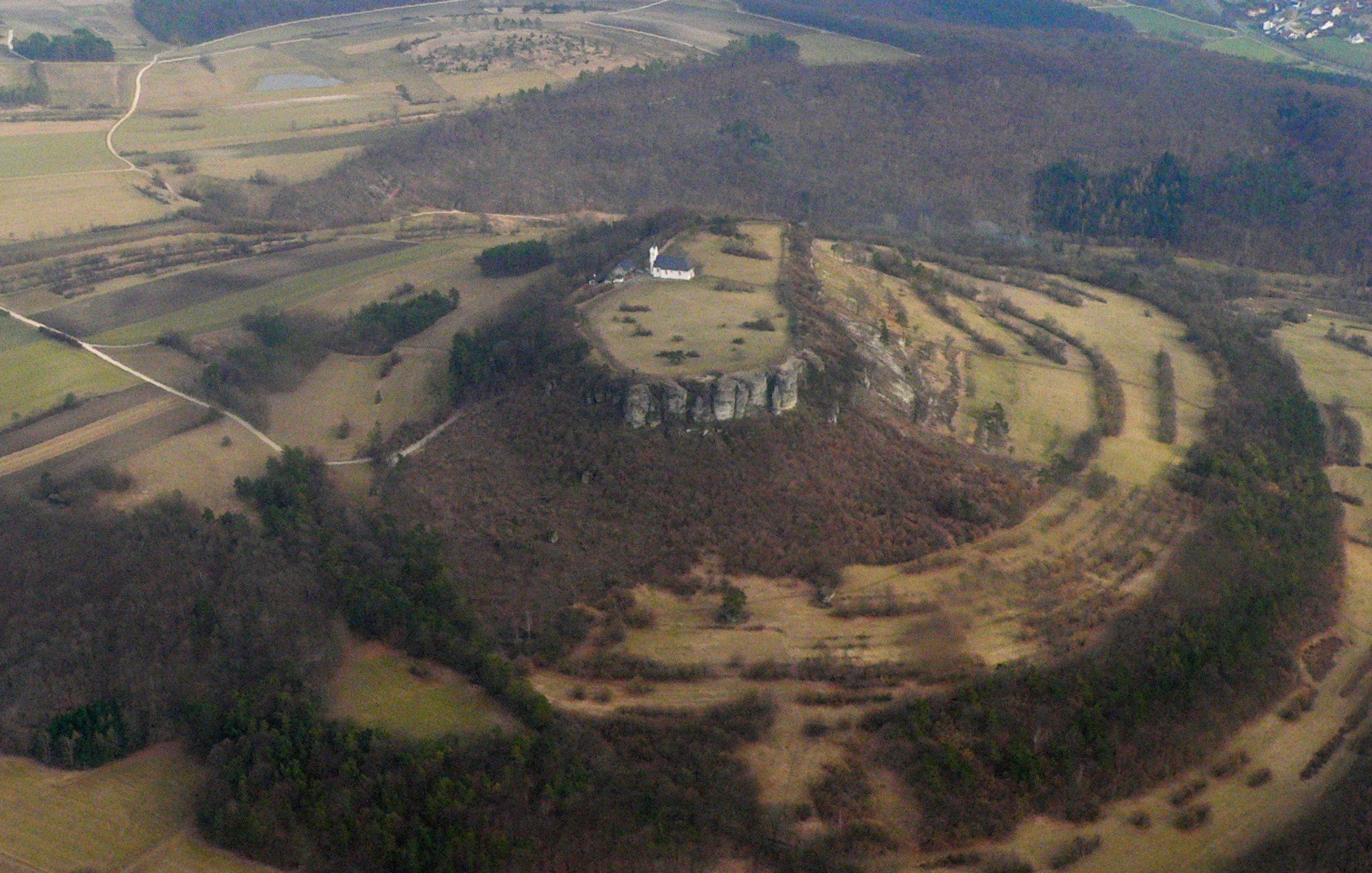
Menosgada
Celtic oppidum with defensive structures
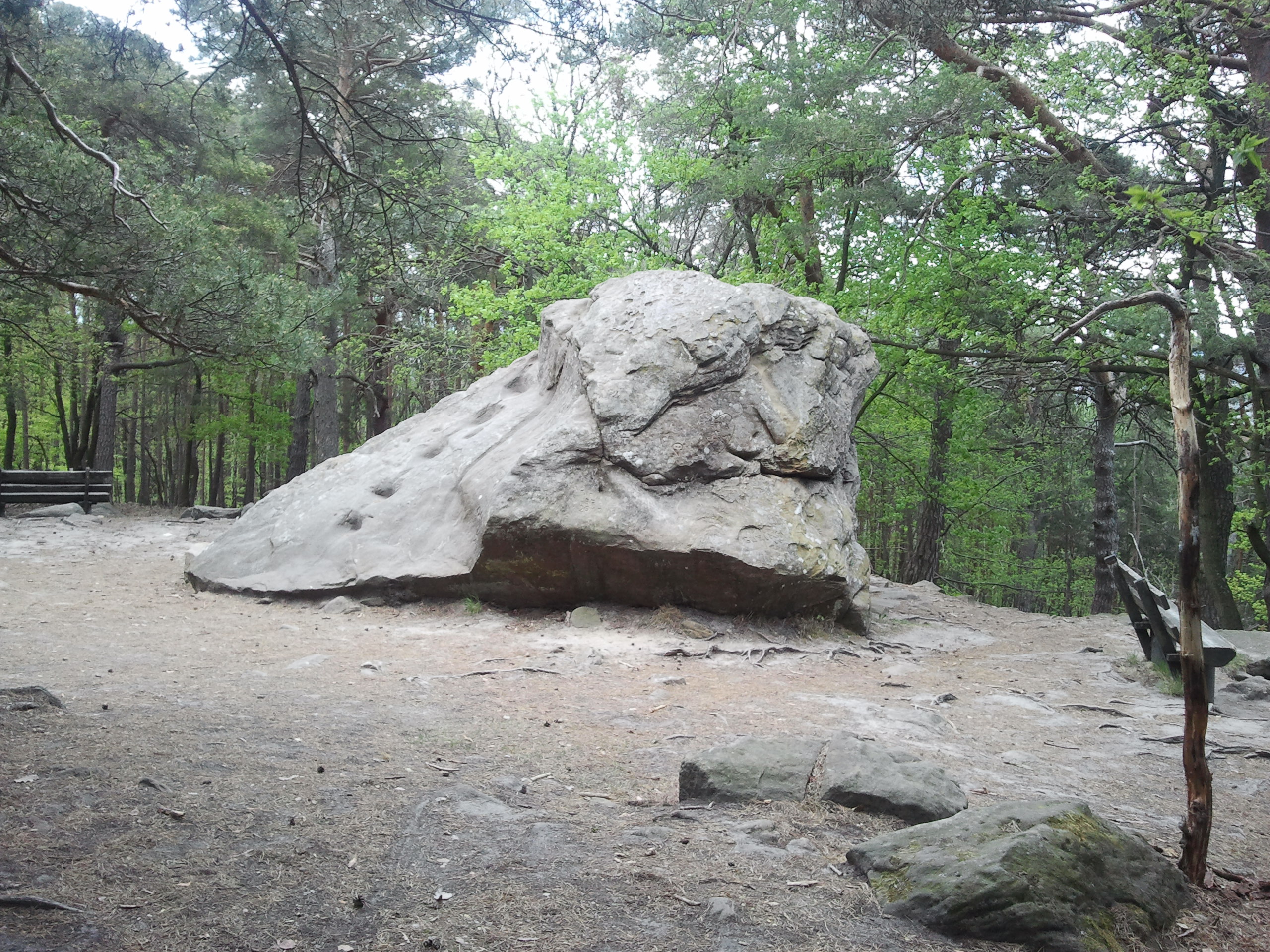
Teufelsstein (Haardt)
Monolith with Celtic and Roman carvings
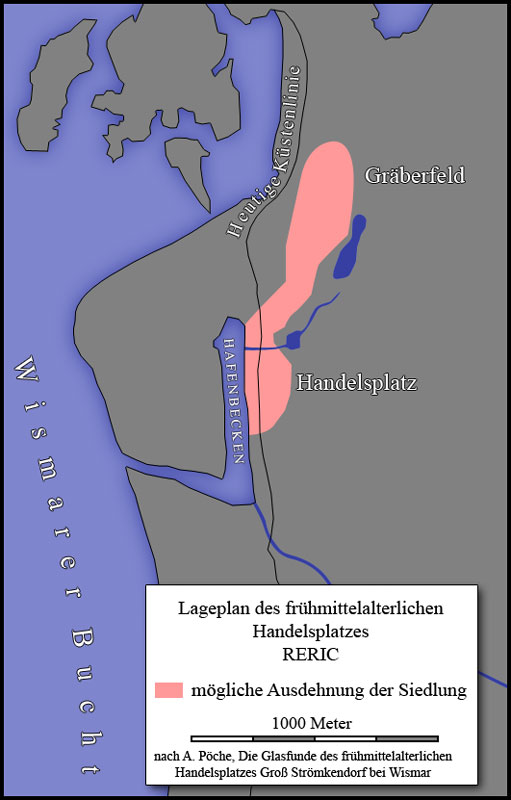
Reric
Slavic-Scandinavian Viking Age emporium remains

Milseburg
Extinct volcano with Celtic oppidum remains
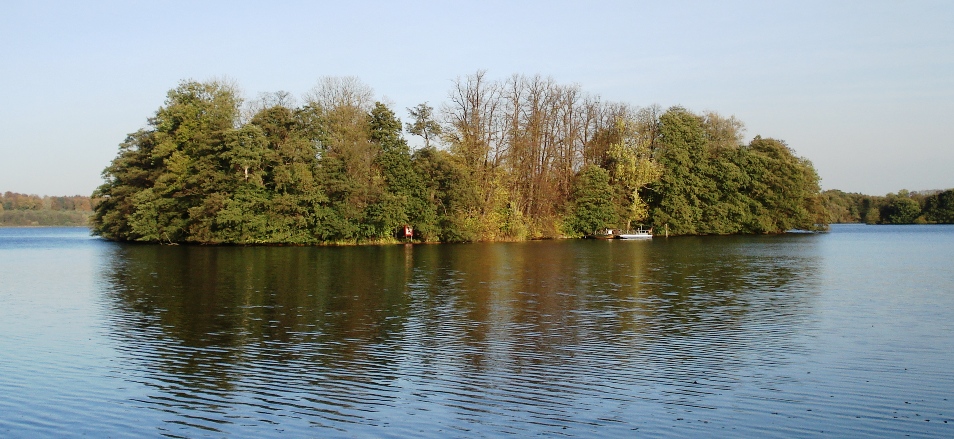
Utin (castle)
9th-century Wendish castle on island