Time Periods
Paleolithic
Mesolithic
Neolithic
Chalcolithic
Bronze Age
Iron Age
Classical Period
Post-Classical Period
Early Modern Period
Industrial Period
Contemporary Period
Time Periods
Paleolithic
Mesolithic
Neolithic
Chalcolithic
Bronze Age
Iron Age
Classical Period
Post-Classical Period
Early Modern Period
Industrial Period
Contemporary Period
Location
About
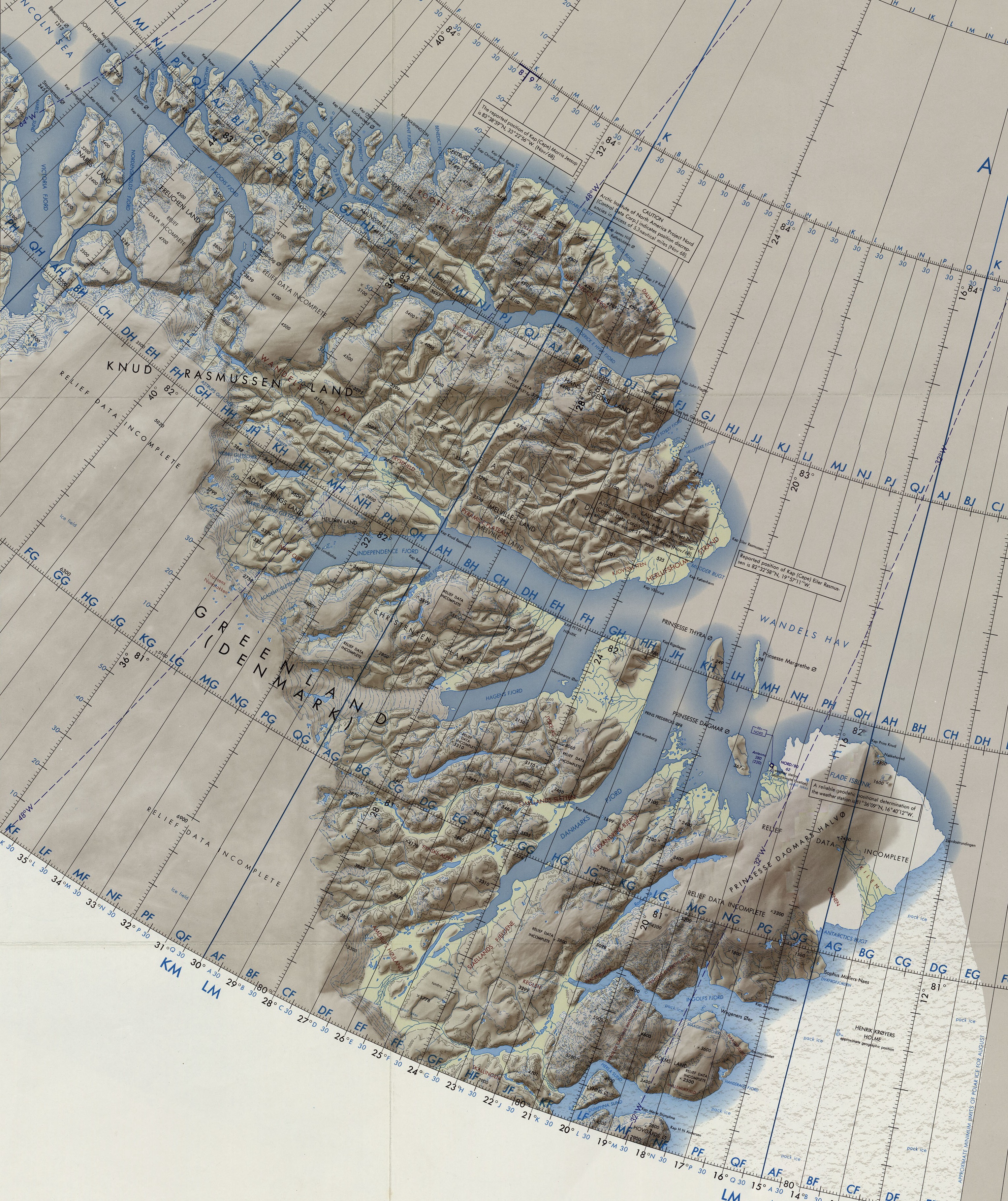
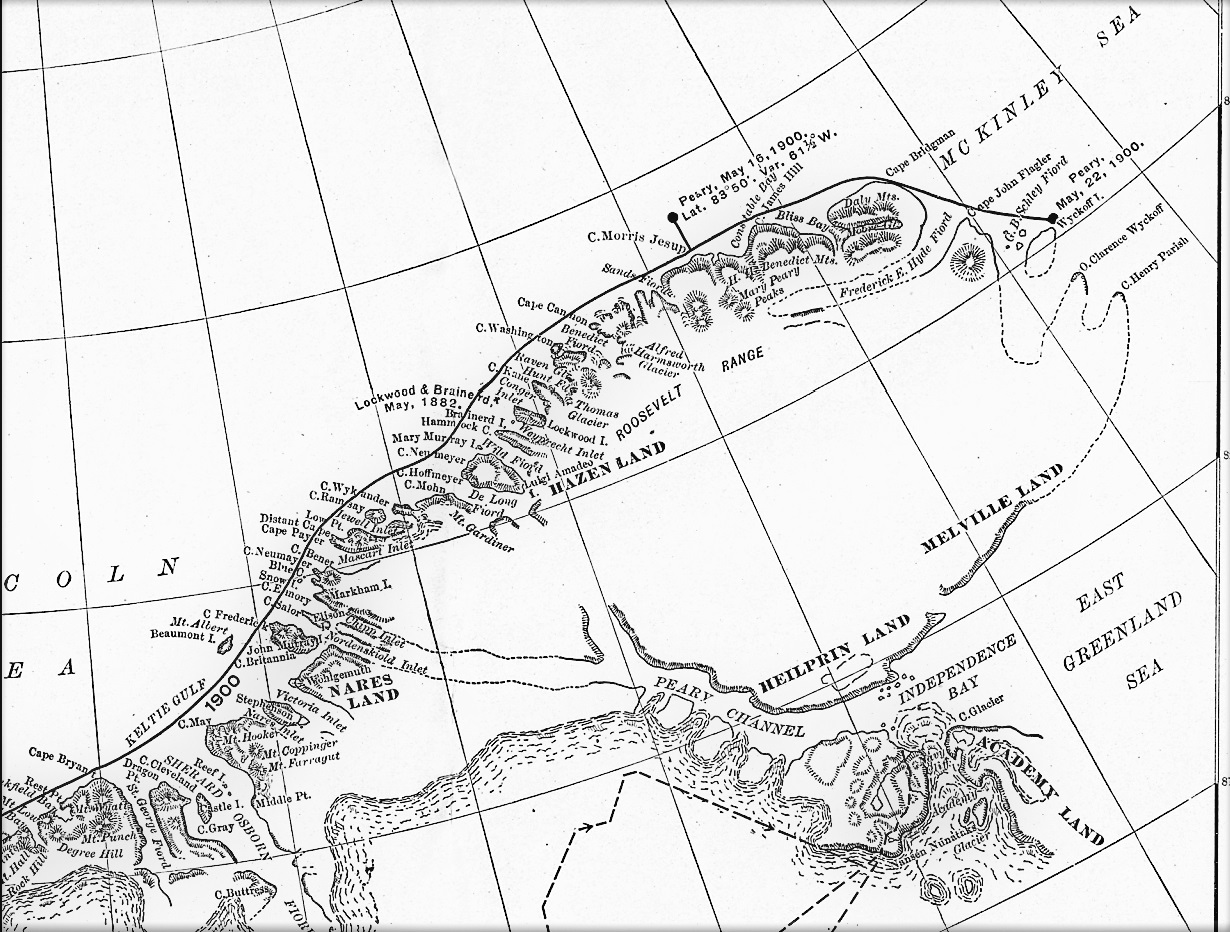
Independence Fjord in northern Greenland is an area rich in archaeological significance, known for its traces of ancient human activity. The fjord region is associated with two distinct paleo-Eskimo cultures, the Independence I and Independence II cultures. The earliest human presence dates back to around 2400 BCE, characterized by the construction of elliptical dwellings and subsistence practices focused on hunting musk oxen and Arctic hares. The Independence I culture thrived until approximately 1300 BCE, after which there is evidence of a cultural shift to the Independence II culture around 800 BCE. This later culture built more complex residential structures and continued to inhabit the region south of the fjord. The archaeological findings at Independence Fjord offer valuable insights into the adaptation and survival strategies of early Arctic populations.
Gallery
Explore photographs of ancient structures, artifacts, and archaeological excavations at Independence Fjord
Archaeological Features
Explore the unique architectural and cultural elements found at this historical site
Domestic and Habitation Structures
Historical Timeline
Journey through time and discover key events in this site's archaeological history
Plan Your Visit
Details
- Country
- Greenland
- Source
- Wikipedia
More Sites in Greenland
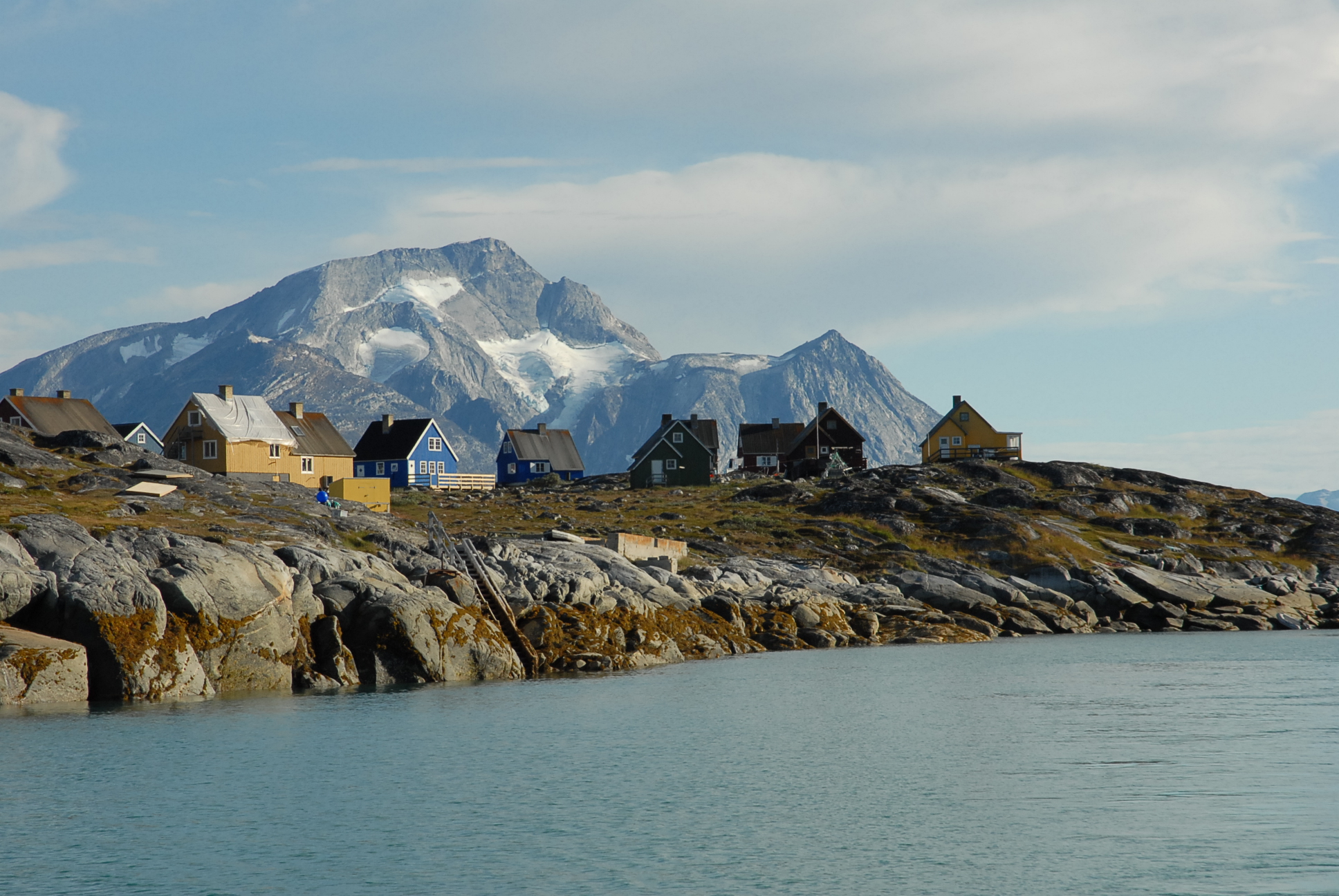
Qoornoq
Uninhabited village with Inuit and Norse ruins
Deltaterrasserne
Pre-Inuit site with terraced stone structures
Nipisat Island
Well-preserved Saqqaq culture site on island
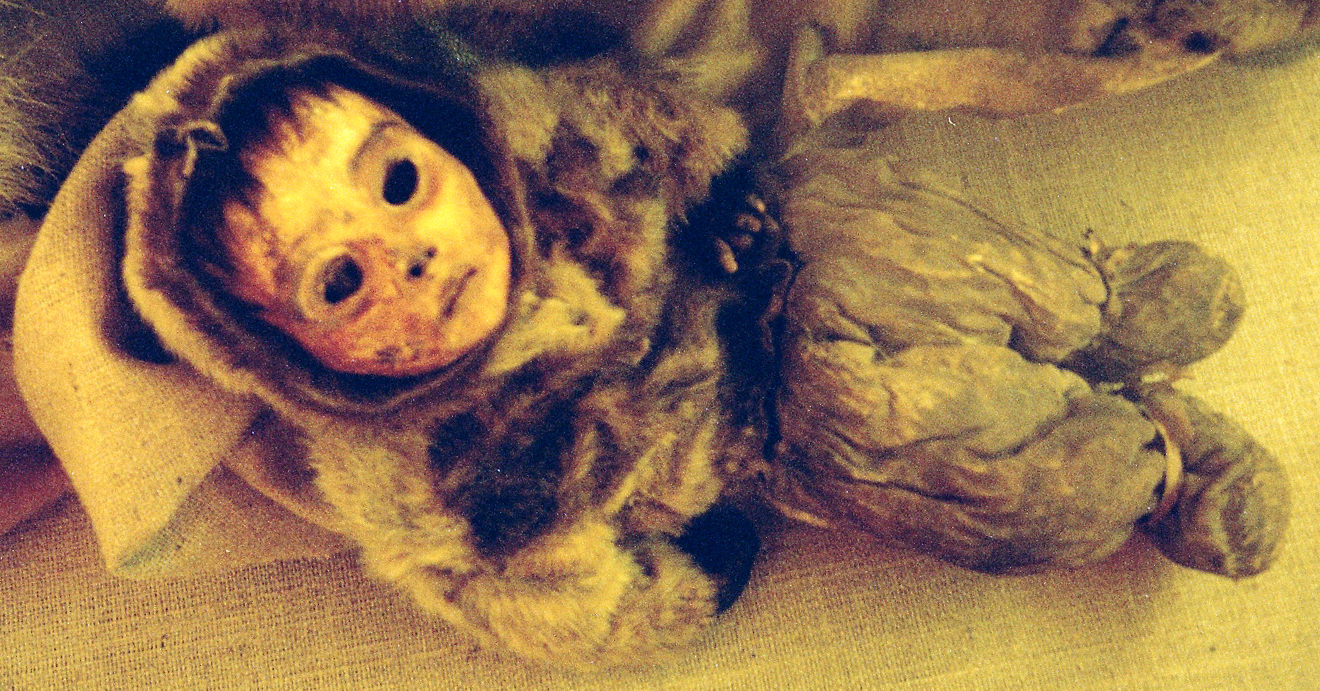
Qilakitsoq
Abandoned Thule-period settlement with mummies
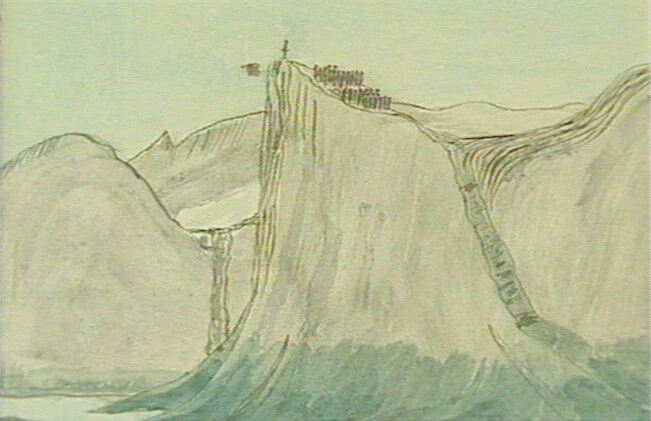
Pisissarfik
Steep coastal cliff with Inuit graves
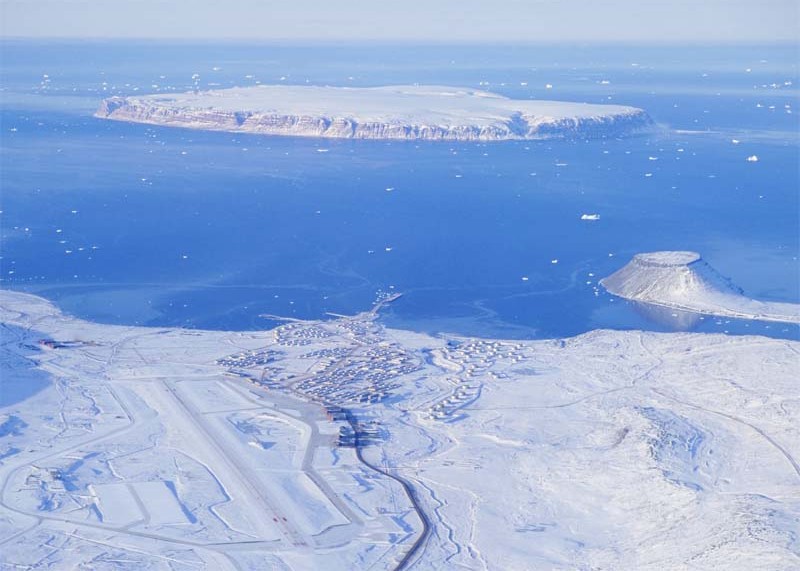
Comer's Midden
Thule culture site with house ruins