
Time Periods
Paleolithic
Mesolithic
Neolithic
Chalcolithic
Bronze Age
Iron Age
Classical Period
Post-Classical Period
Early Modern Period
Industrial Period
Contemporary Period
Time Periods
Paleolithic
Mesolithic
Neolithic
Chalcolithic
Bronze Age
Iron Age
Classical Period
Post-Classical Period
Early Modern Period
Industrial Period
Contemporary Period
Location
About
Nipisat Island is an archaeologically significant site located in central-western Greenland, notable for its well-preserved Saqqaq culture artifacts. The site offers a glimpse into the early human occupation of the region, with stone tools and bone fragments that date back to the Upper Paleolithic period. The island also witnessed brief European activity in the 18th century when Danish settlers established a trading station and mission, which was later abandoned and destroyed. The site is unique in that it has not been overlaid by later Dorset or Thule cultural layers, preserving its original Saqqaq heritage. In 2018, Nipisat Island was inscribed as part of the UNESCO World Heritage Site 'Aasivissuit – Nipisat: Inuit Hunting Ground between Ice and Sea', highlighting its significance in understanding Greenland's hunter-gatherer societies over millennia.
Archaeological Features
Explore the unique architectural and cultural elements found at this historical site
Environmental and Natural Features
Historical Timeline
Journey through time and discover key events in this site's archaeological history
Plan Your Visit
Details
- Country
- Greenland
- Source
- Wikipedia
More Sites in Greenland
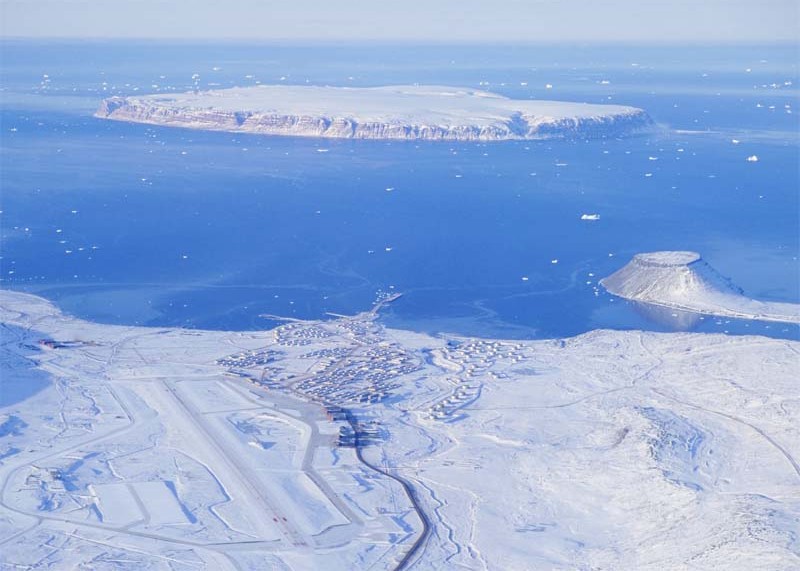
Comer's Midden
Thule culture site with house ruins
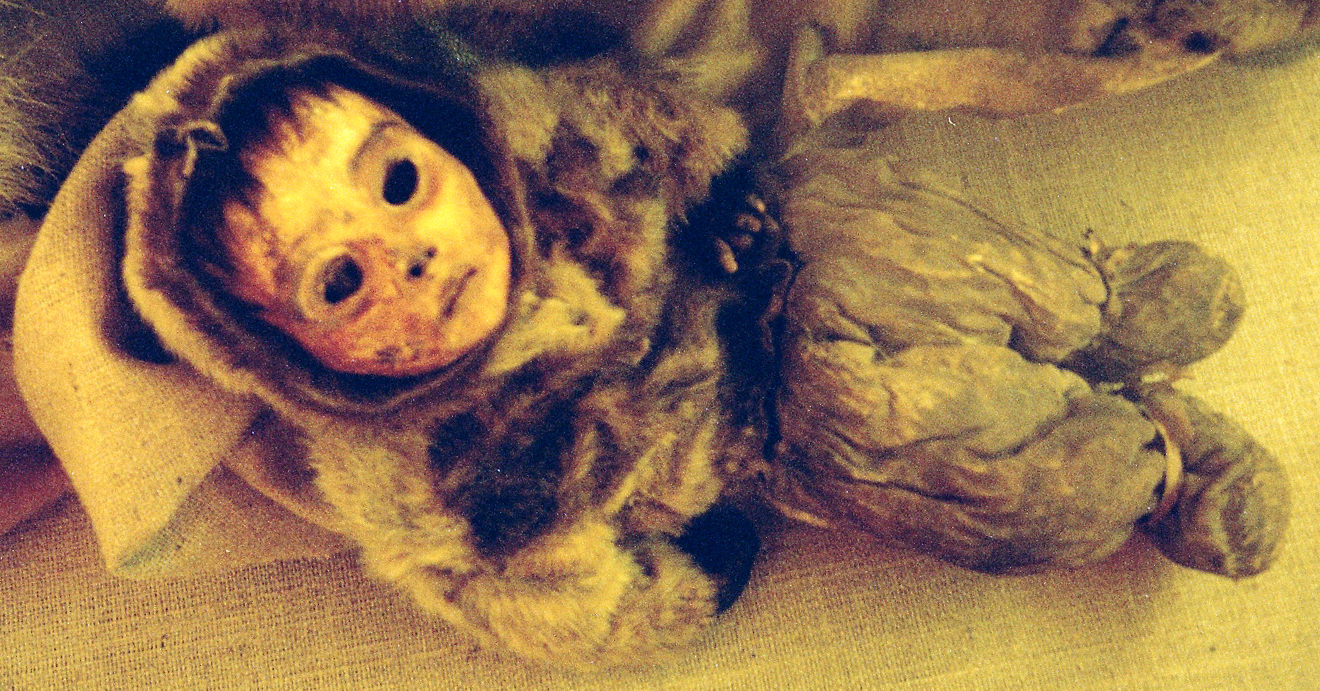
Qilakitsoq
Abandoned Thule-period settlement with mummies
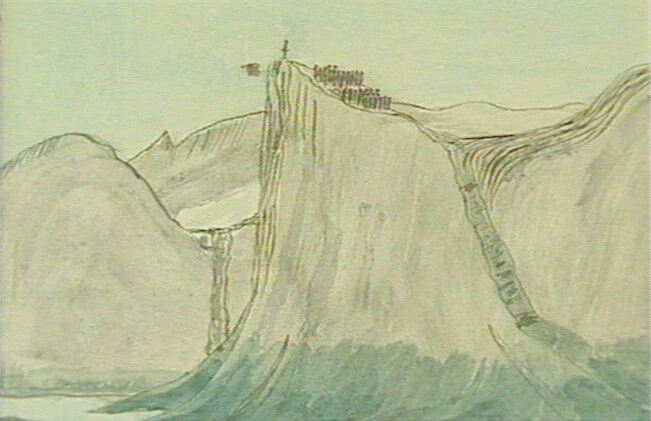
Pisissarfik
Steep coastal cliff with Inuit graves
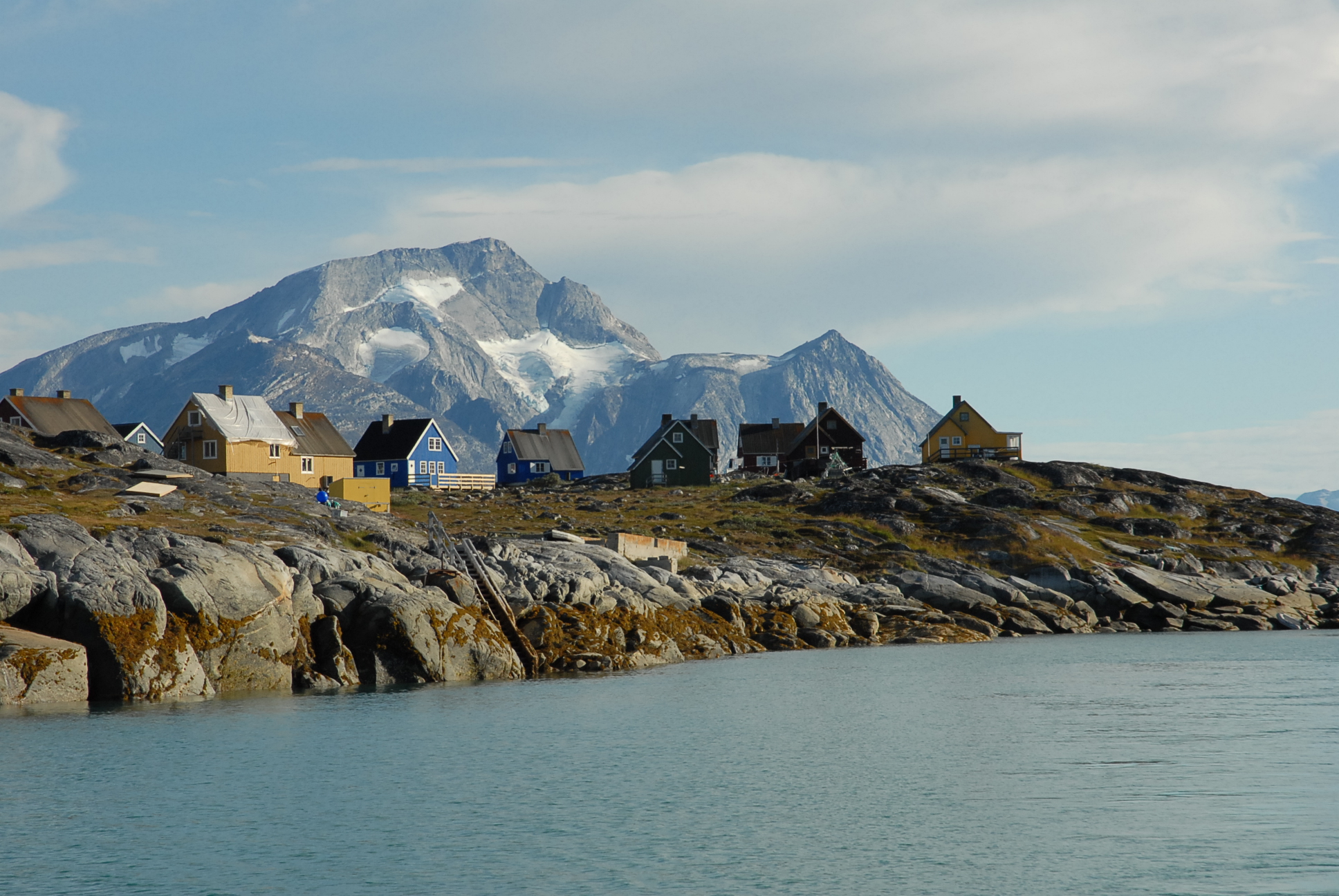
Qoornoq
Uninhabited village with Inuit and Norse ruins
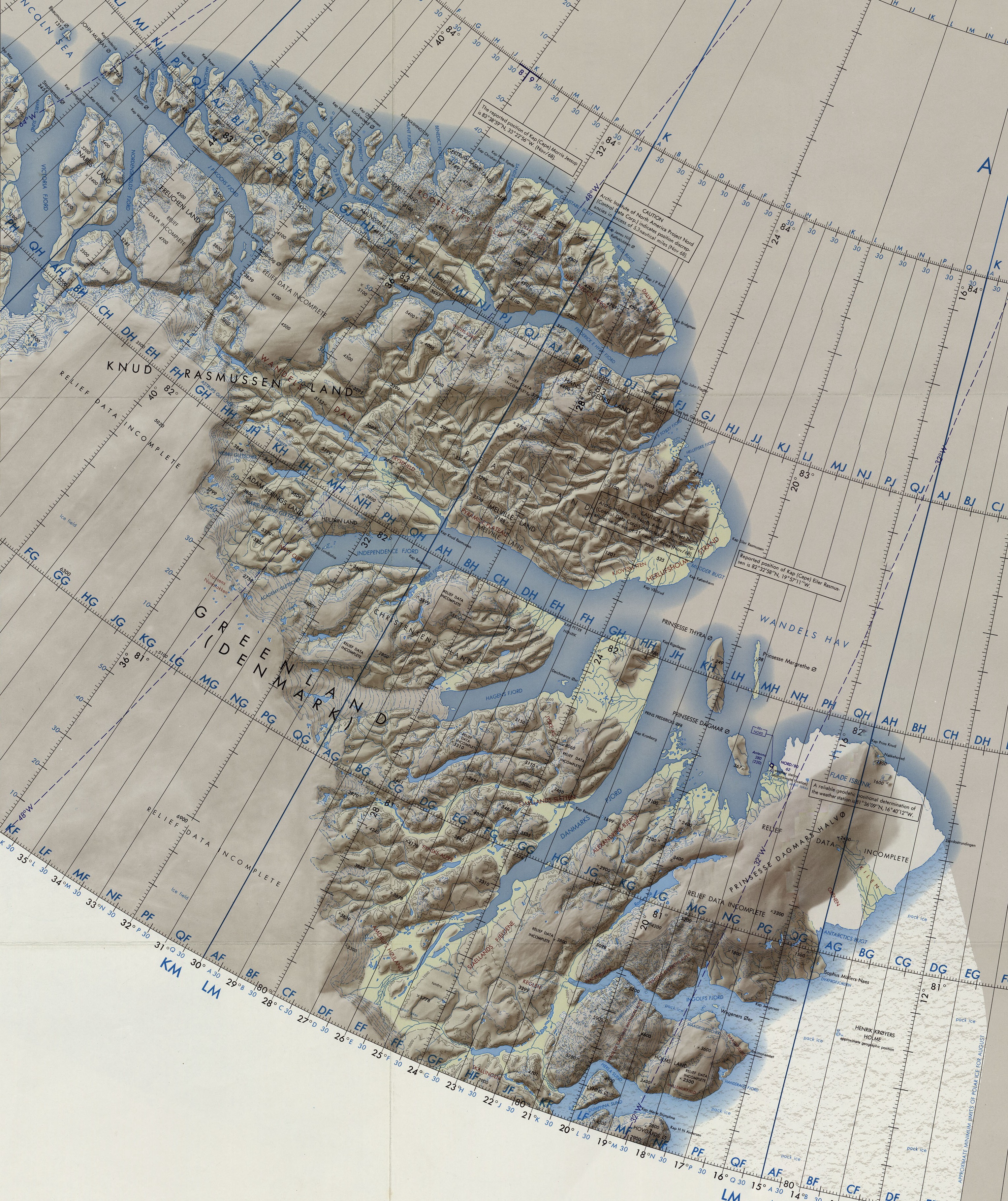
Independence Fjord
Large fjord with ancient human settlements
Deltaterrasserne
Pre-Inuit site with terraced stone structures