Explore the Map
Qilakitsoq
70.6086° N, -52.1819° E
About
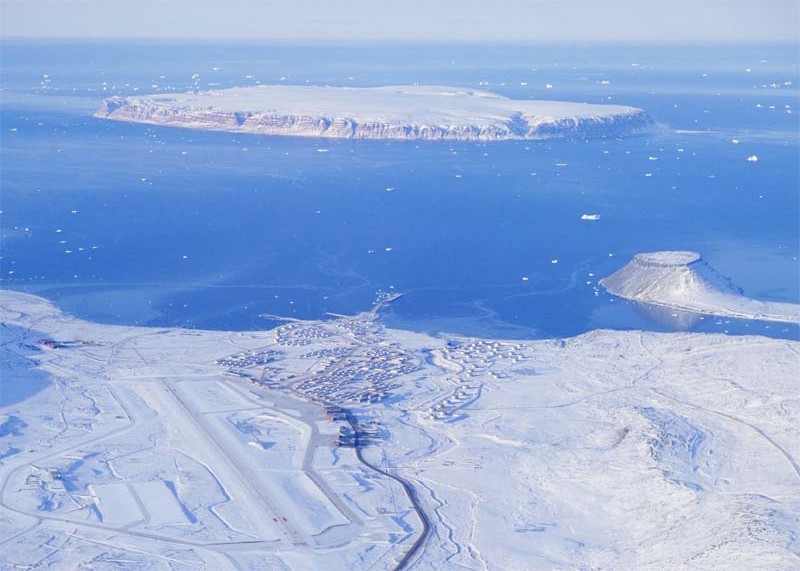
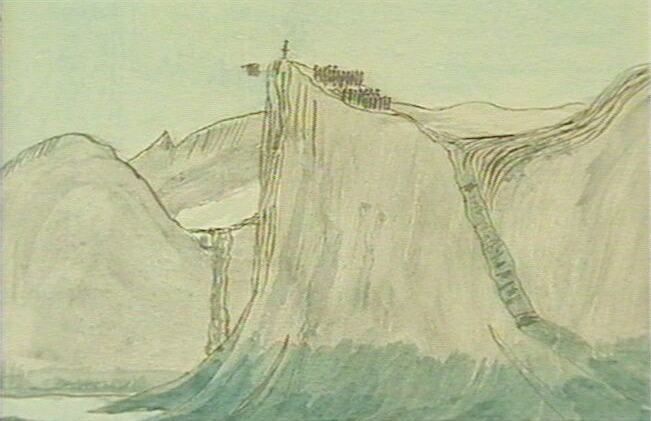
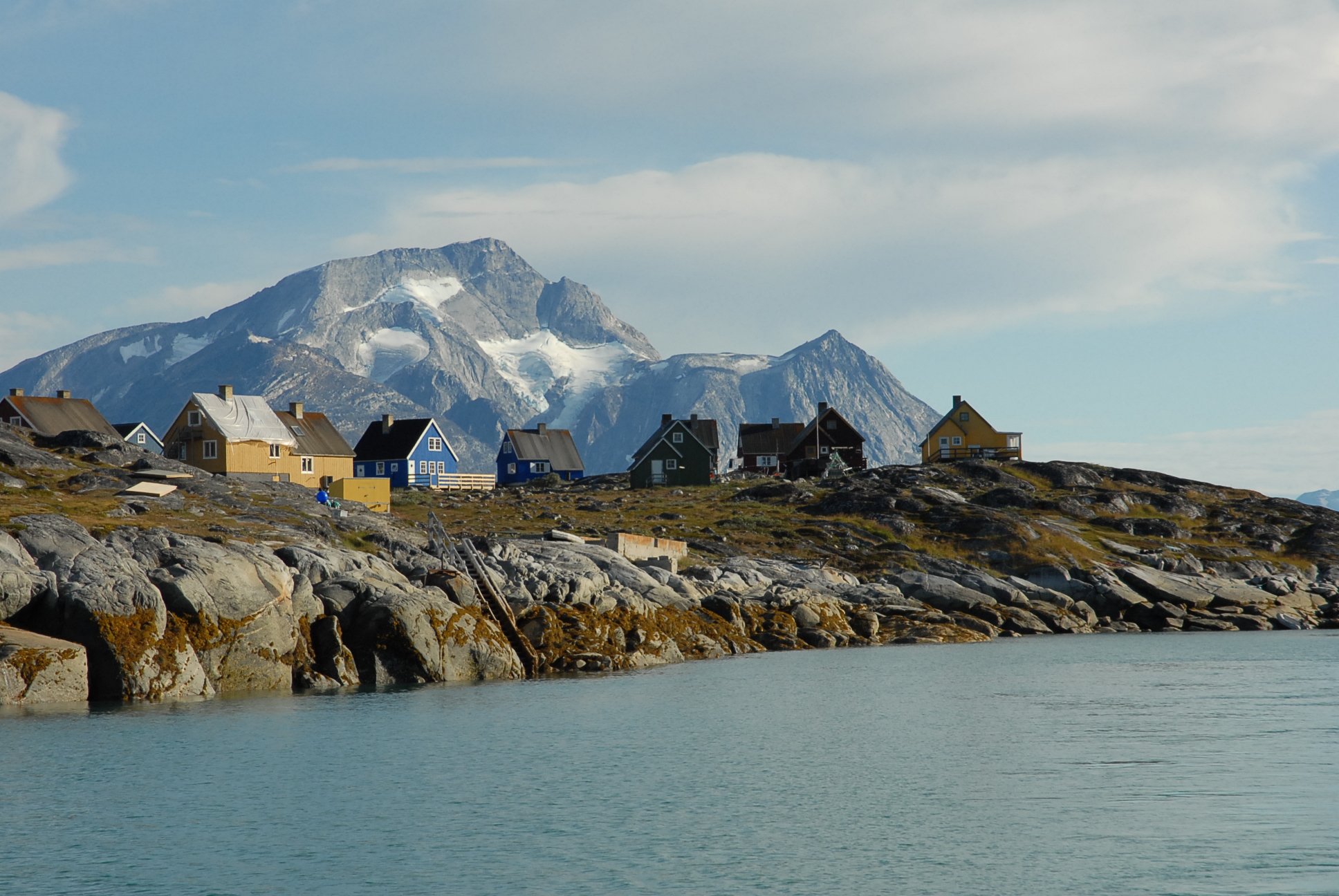
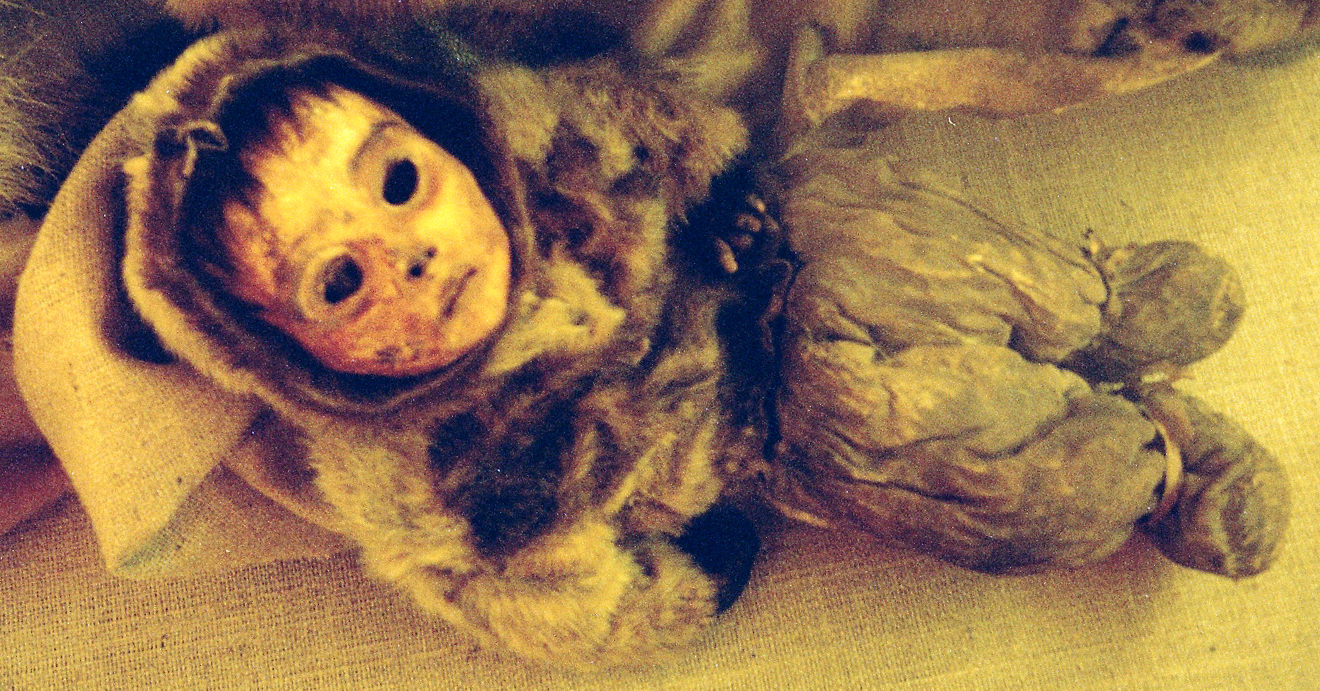
Qilakitsoq is a significant archaeological site located in West Greenland, known for its discovery of mummified Inuit bodies from the Thule period, dating back to approximately 1475 CE. The site provides valuable insights into the Thule culture's lifestyle, characterized by their hunter-gatherer existence and unique burial practices. The mummies were found in stone graves, naturally preserved due to the cold, dry conditions. Qilakitsoq's history spans from the Saqqaq culture's initial settlement around 2300 BCE, through the Thule culture's occupation beginning around 1000 CE, until its abandonment in the early 19th century. The site's archaeological significance is further underscored by its role as a repository of Greenlandic cultural heritage, with four well-preserved mummies now housed at the Greenland National Museum in Nuuk.
Gallery
Explore photographs of ancient structures, artifacts, and archaeological excavations
Historical Timeline
Journey through time and discover key events in this site's history
Saqqaq culture settlement
2300 BCE
Thule culture occupation
1000 CE
Probable time of death of mummies
1475 CE
Abandonment of settlement
1811 CE
Archaeological Features
Unique architectural and cultural elements found at this historical site
Burial and Funerary Structures
Environmental and Natural Features
Frequently Asked Questions
Plan Your Visit
Tours, travel arrangements, and practical information