Explore the Map
Pisissarfik
64.4500° N, -50.5833° E
About
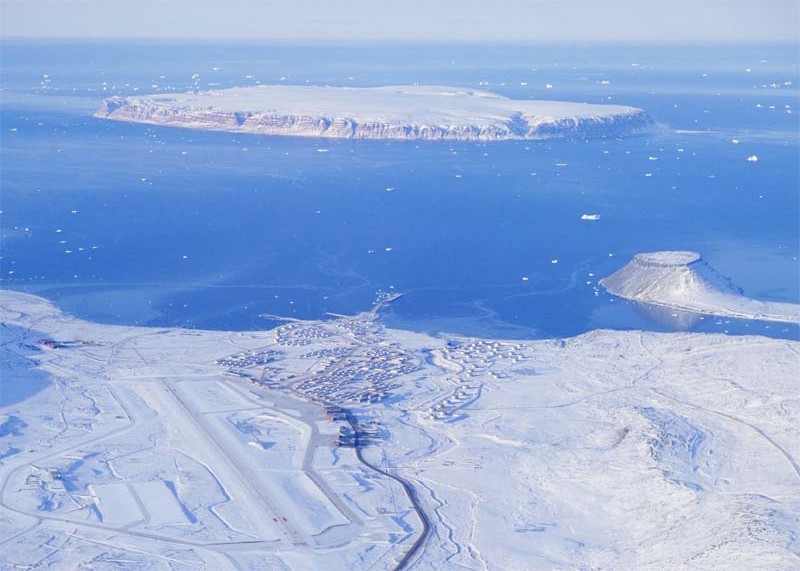
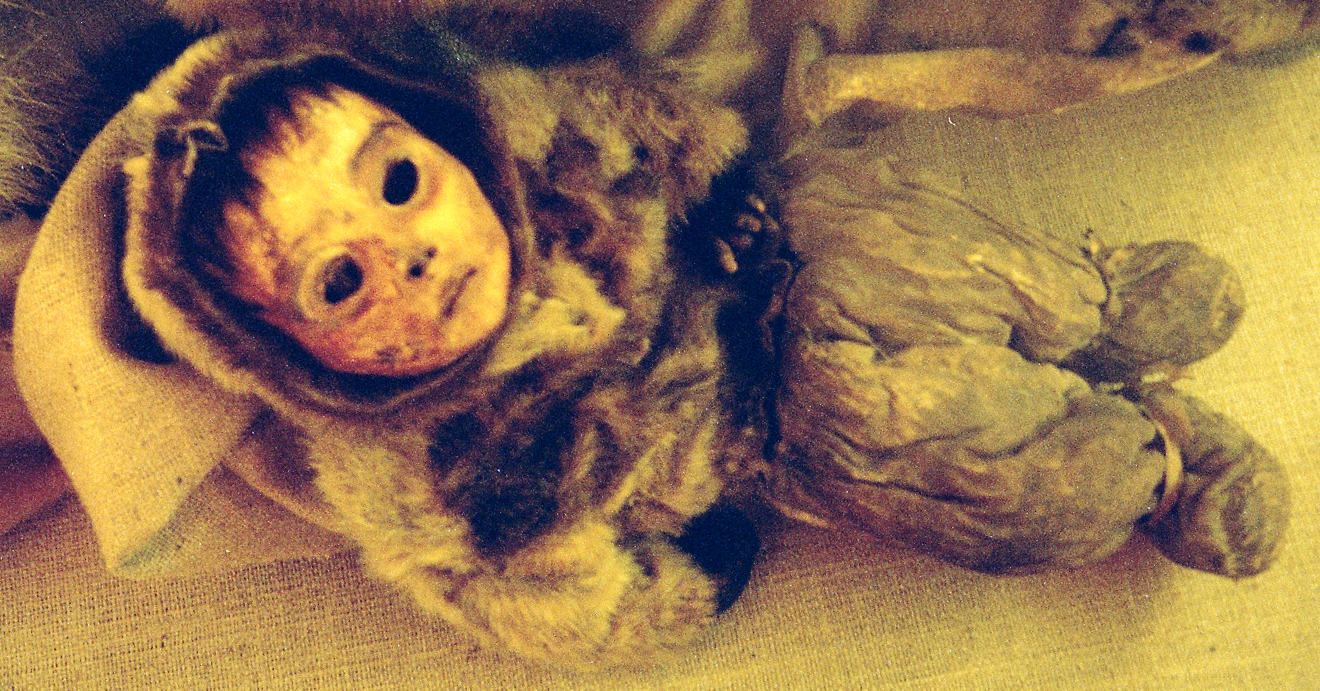
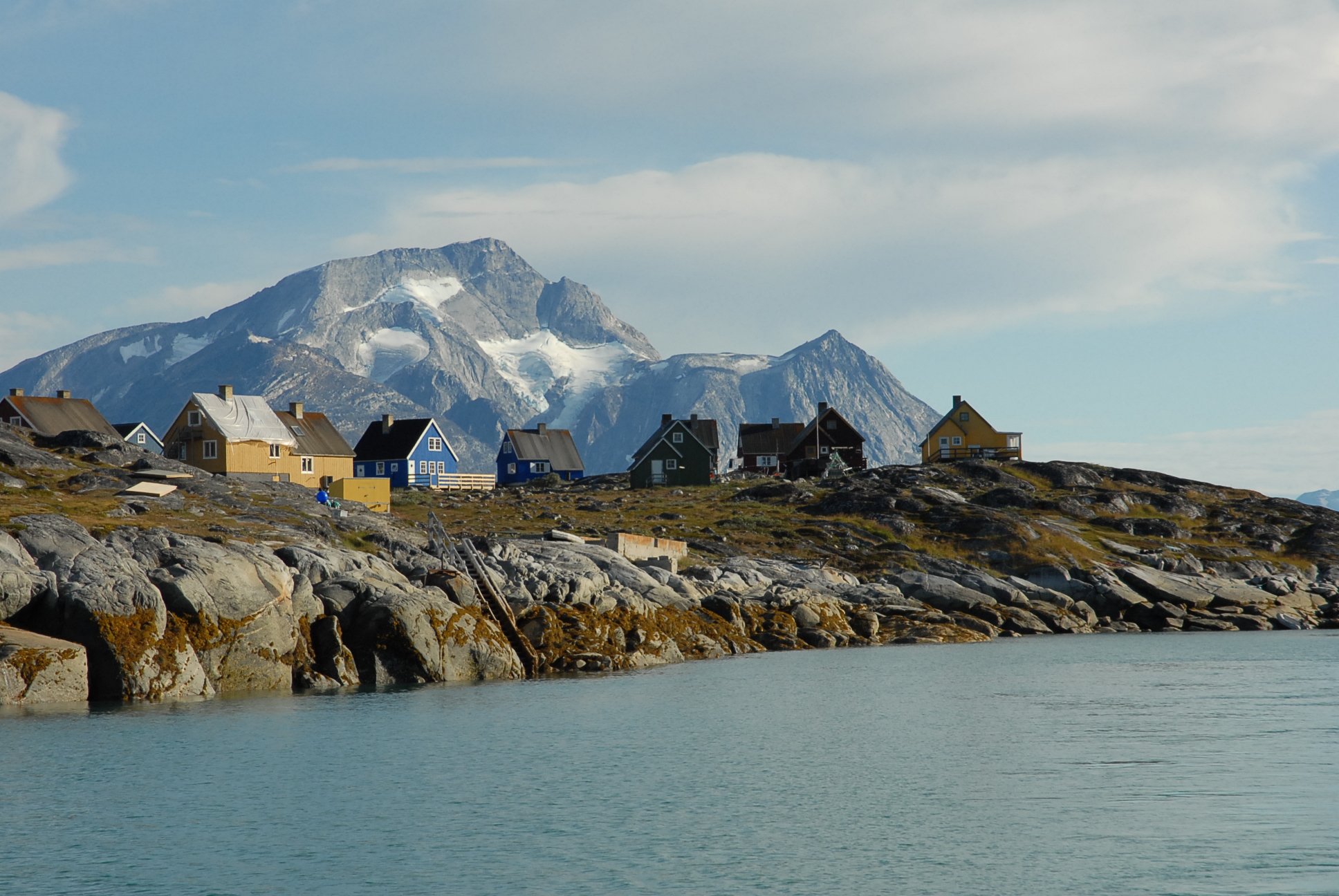
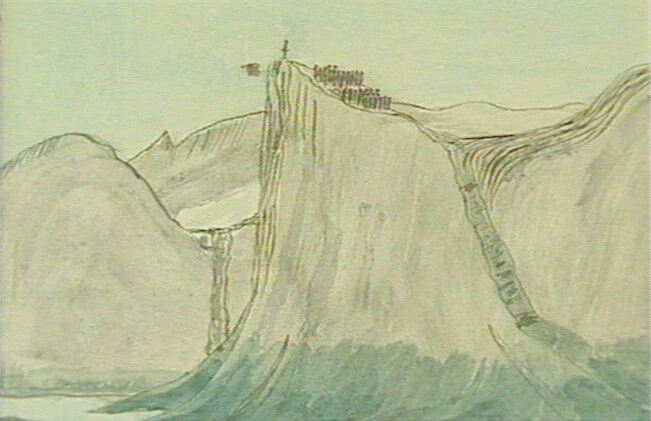
Pisissarfik is a notable archaeological site in West Greenland, characterized by its steep coastal cliff and the surrounding landscapes near the settlement of Kapisillit. The site holds significant historical relevance, as it was once the location of Scandinavian farmsteads until approximately 1350 CE, marking the presence of the Western Settlement. The area is steeped in local Inuit mythology, with legends recounting a decisive battle between Vikings and Inuit. Archaeologically, the site is remarkable for its graves dating from the 16th to 17th centuries, which offer insights into Inuit burial practices, including naturally mummified corpses clad in traditional clothing. Additionally, Pisissarfik played a role in the Christianisation of Greenland, hosting the first Deutsche Messe in 1749 CE.
Gallery
Explore photographs of ancient structures, artifacts, and archaeological excavations
Historical Timeline
Journey through time and discover key events in this site's history
Western Settlement Farmsteads
1350 CE
Inuit Graves
16th century CE
First Deutsche Messe
1749 CE
Archaeological Features
Unique architectural and cultural elements found at this historical site
Burial and Funerary Structures
Frequently Asked Questions
Plan Your Visit
Tours, travel arrangements, and practical information