Explore the Map
Qoornoq
64.5333° N, -51.0944° E
About
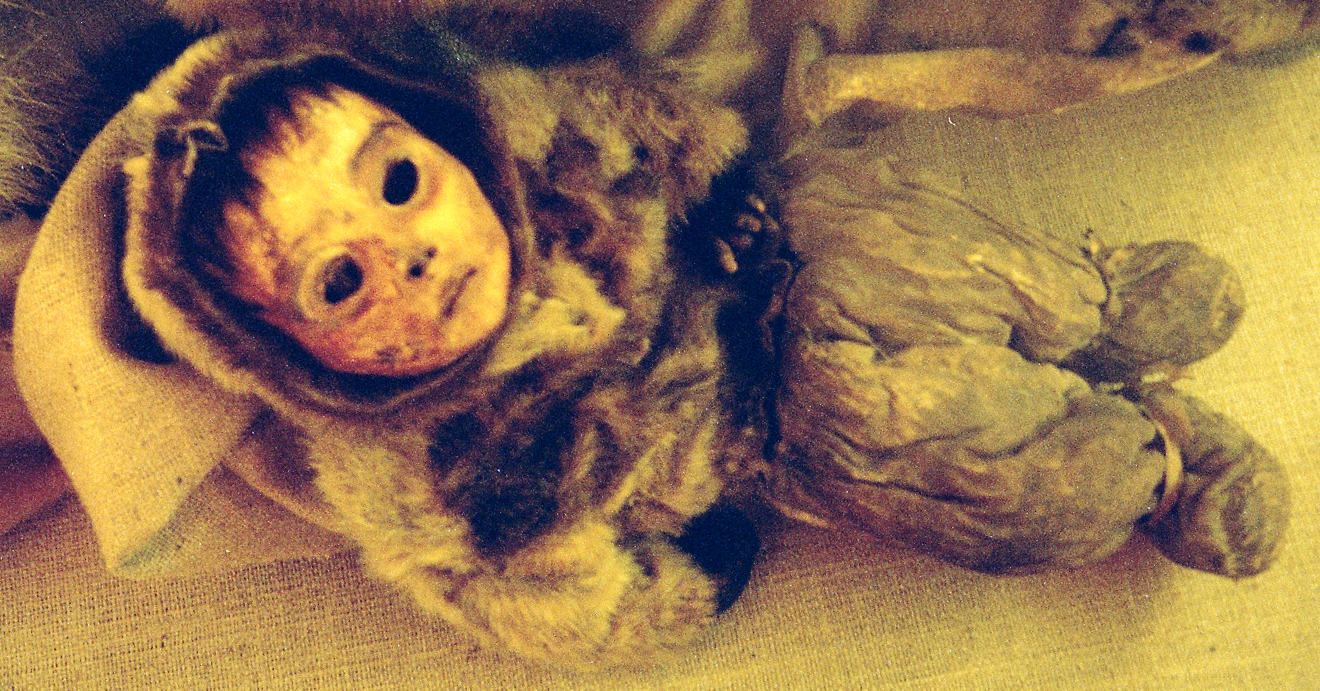
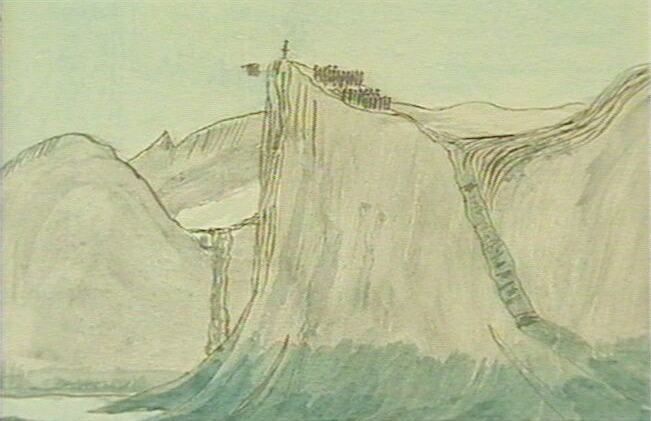
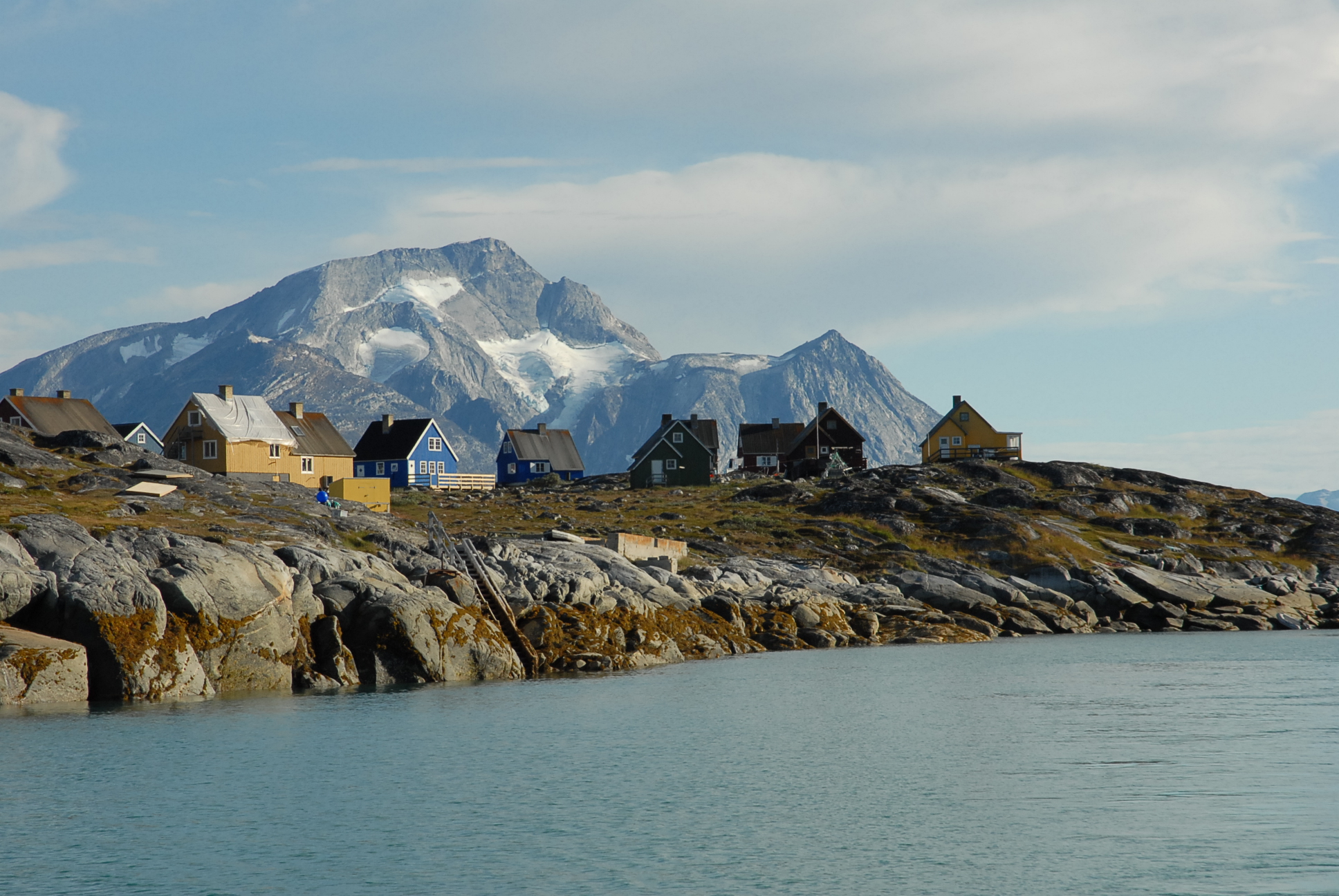
Qoornoq, an uninhabited fishing village in southwestern Greenland, is an archaeological site of significant historical interest. The village, now part of the Sermersooq municipality, was once inhabited by the Saqqaq culture as early as 2200 BCE. It features archaeological remnants of both ancient Inuit and Norse origins, including the ruins of a Norse farm with double-hatched outer walls and several Inuit houses. These findings highlight the site's cultural interactions and transitions over centuries. Despite its abandonment in 1972, descendants still visit in summer, maintaining a connection to their heritage. The presence of a mid-20th-century railway for fish transportation adds an industrial layer to its historical narrative.
Gallery
Explore photographs of ancient structures, artifacts, and archaeological excavations
Historical Timeline
Journey through time and discover key events in this site's history
Saqqaq culture habitation
2200 BCE
Inuit habitation
Unknown
Norse farm construction
Unknown
Last resident departs
1972 CE
Archaeological Features
Unique architectural and cultural elements found at this historical site
Domestic and Habitation Structures
Frequently Asked Questions
Plan Your Visit
Tours, travel arrangements, and practical information