
Lubang Jeriji Saléh
Limestone cave with ancient hand stencils and bovine paintings, Indonesia
Explore the Map
Lubang Jeriji Saléh
1.2415° N, 117.3291° E
About
Lubang Jeriji Saleh is a limestone cave complex in Indonesia in the Sangkulirang-Mangkalihat Karst, located in the remote jungle of Bengalon district in East Kutai, East Kalimantan province on Borneo island. In a 2018 publication, a team of researchers announced to have found the then-oldest known work of figurative art on the world among the cave paintings, at 40,000 years old. However, the same team has since found and dated an elaborate therianthrope rock art panel in the Leang Bulu' Sipong 4 cave in Sulawesi's Maros-Pangkep karst to around 44,000 years ago.
Historical Timeline
Journey through time and discover key events in this site's history
Initial exploration
1994
Formal discovery of Lubang Jeriji Saleh
September 1998
Early dating published
2003
World‑leading dating results announced
2018
Archaeological Features
Unique architectural and cultural elements found at this historical site
Artistic and Decorative Features
Domestic and Habitation Structures
Environmental and Natural Features
Frequently Asked Questions
Plan Your Visit
Tours, travel arrangements, and practical information
More Sites in Indonesia
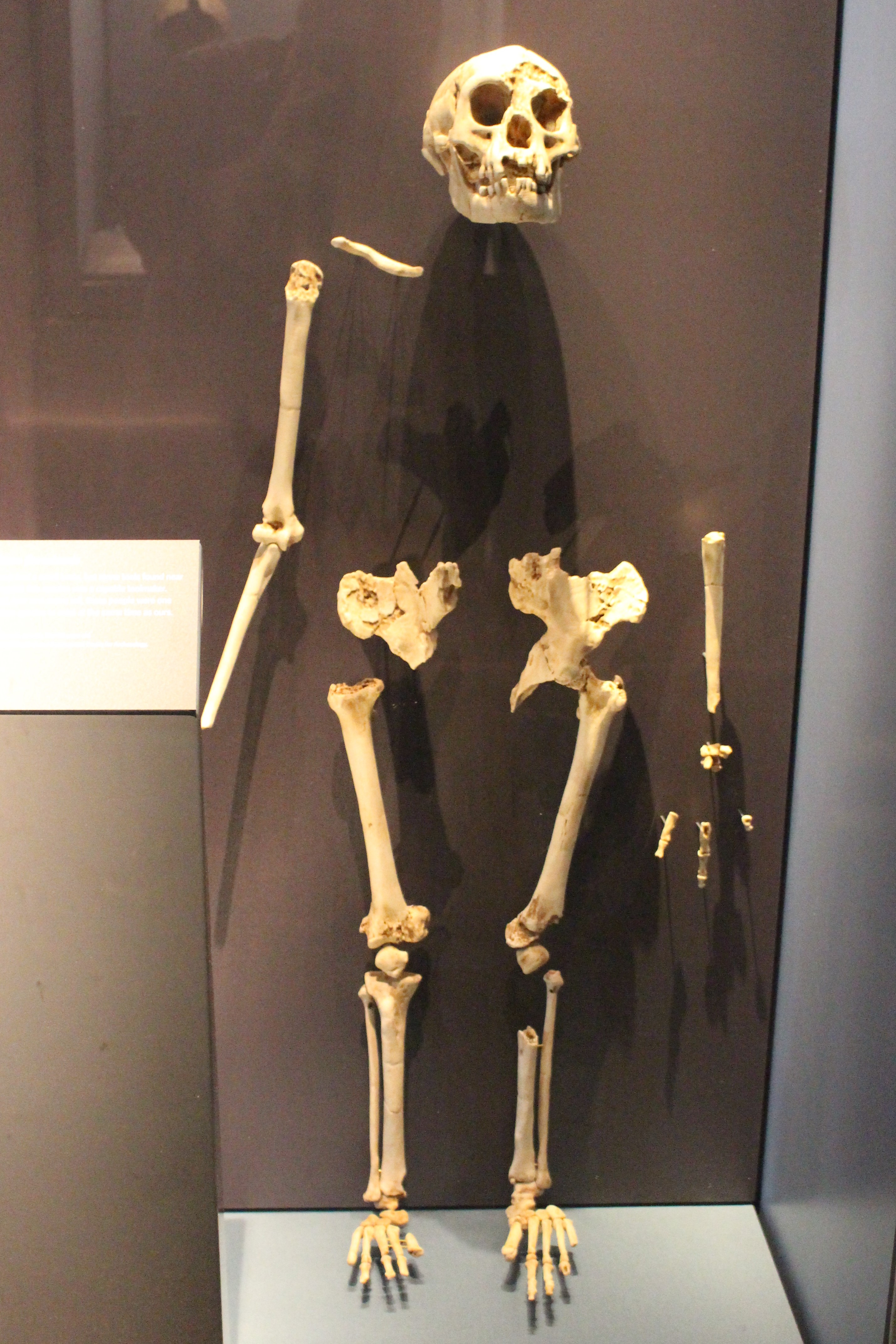
Liang Bua
Limestone cave with hominid remains
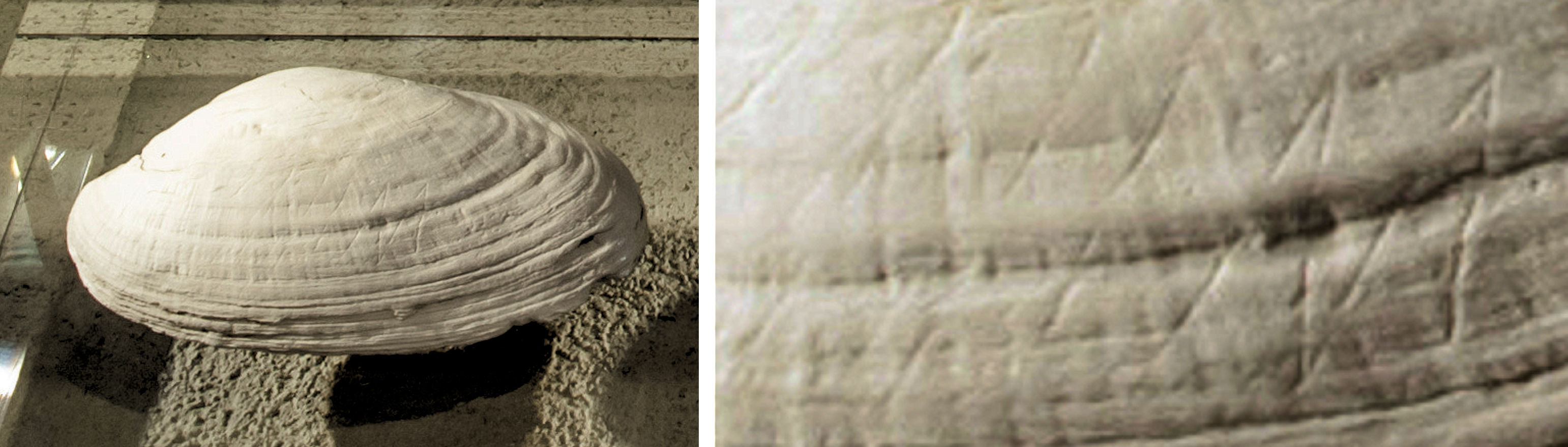
Trinil
Homo erectus discovery site in Java.
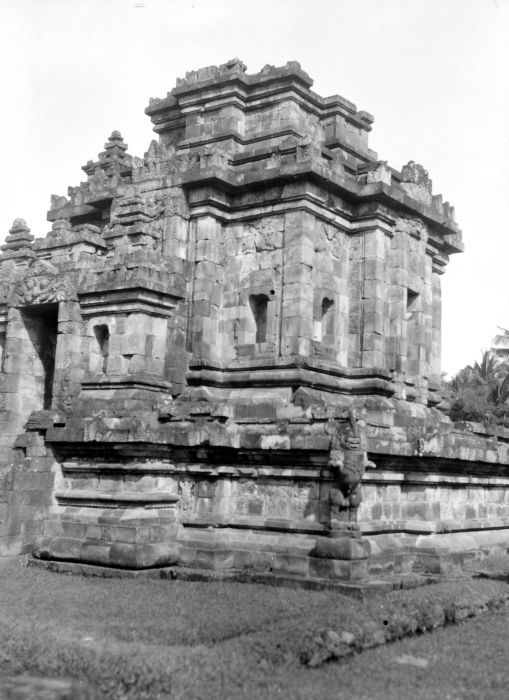
Ngawen
8th-century Buddhist temple with lion statues
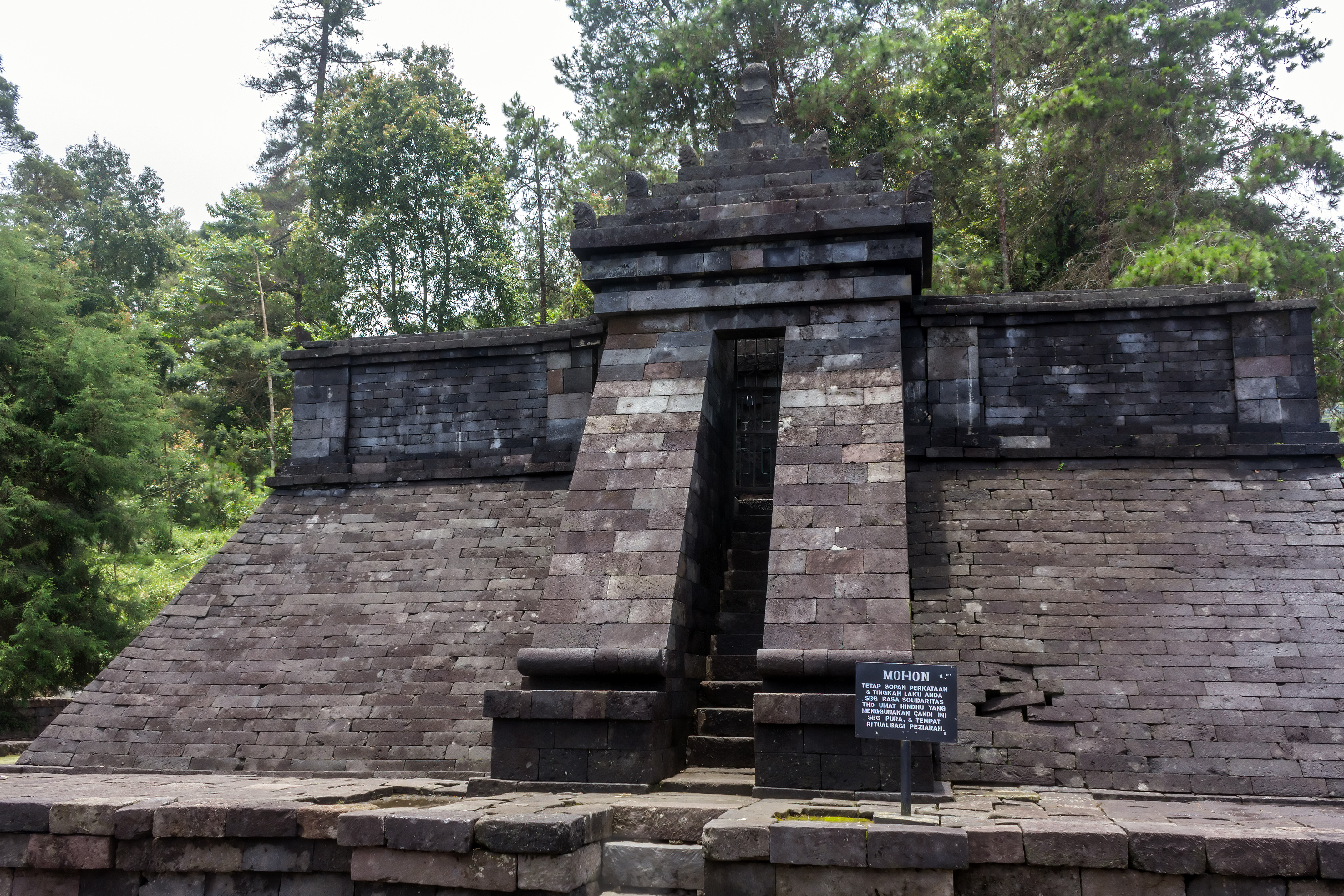
Ceto Temple
Fifteenth-century Javanese-Hindu temple on Mount Lawu.
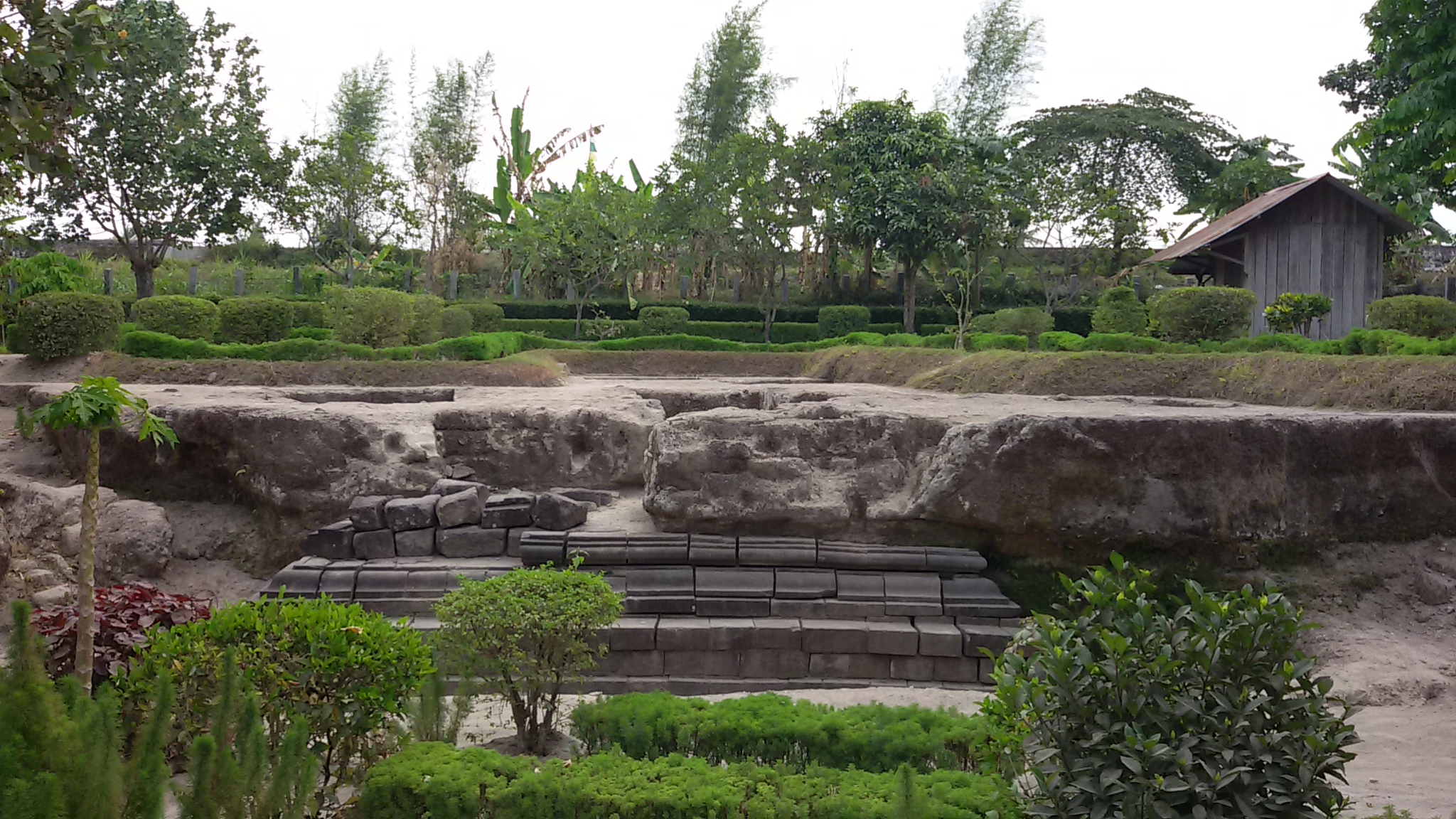
Kadisoka
Partially excavated Hindu temple in Indonesia.
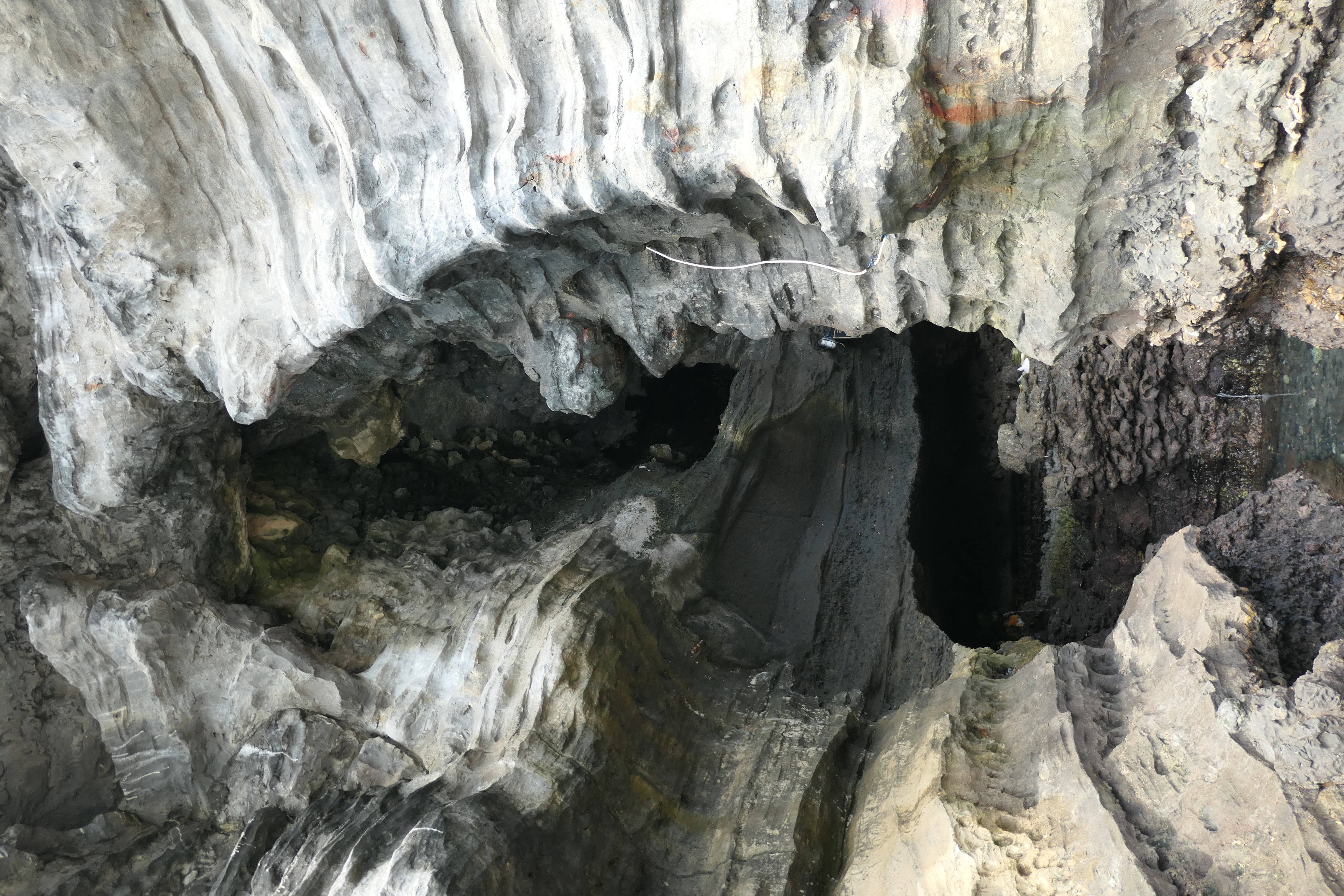
Tanah Lot
Hindu sea temple on an offshore rock, Bali