
Explore the Map
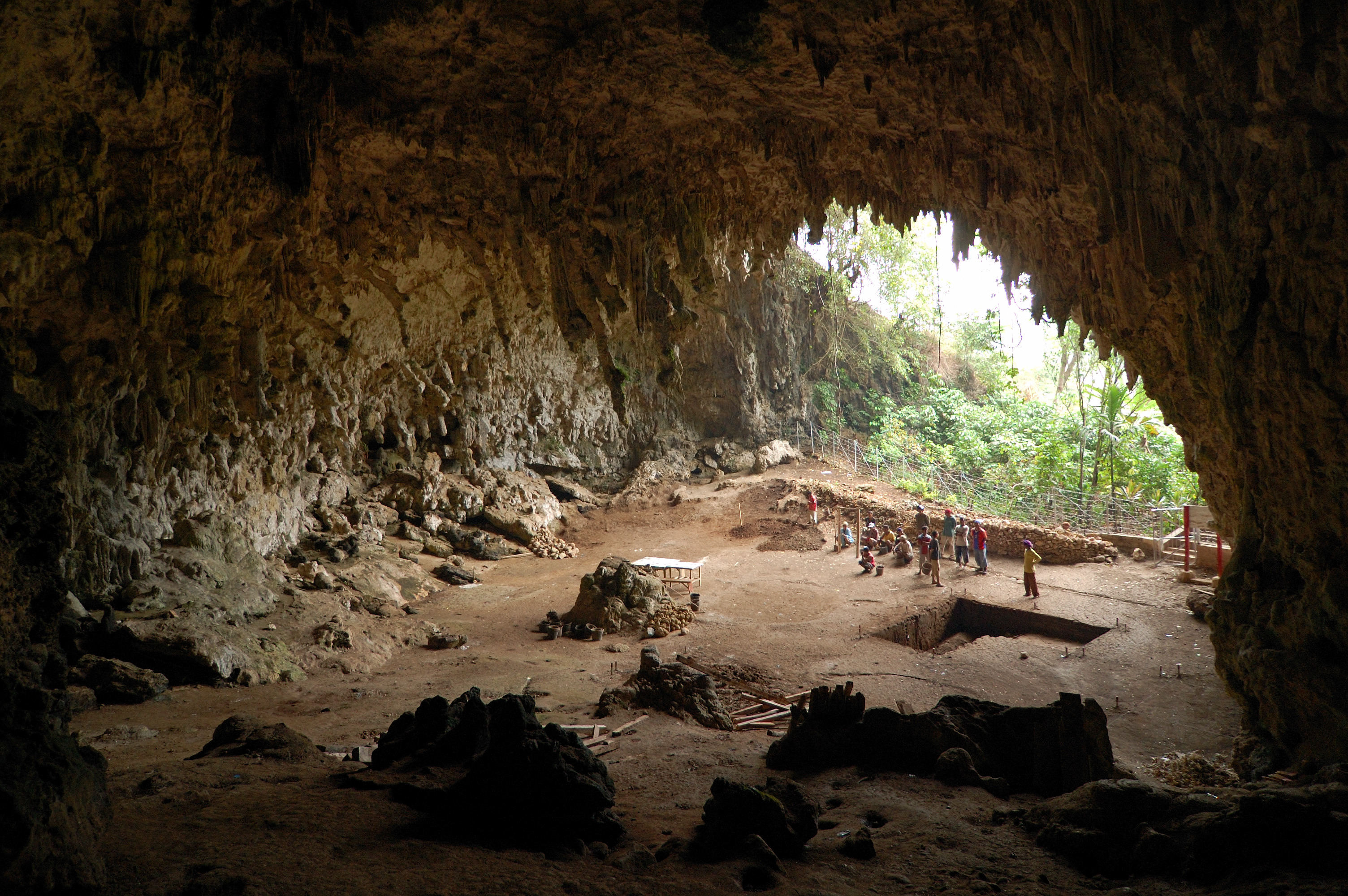
Liang Bua
-8.5342° N, 120.4603° E
About
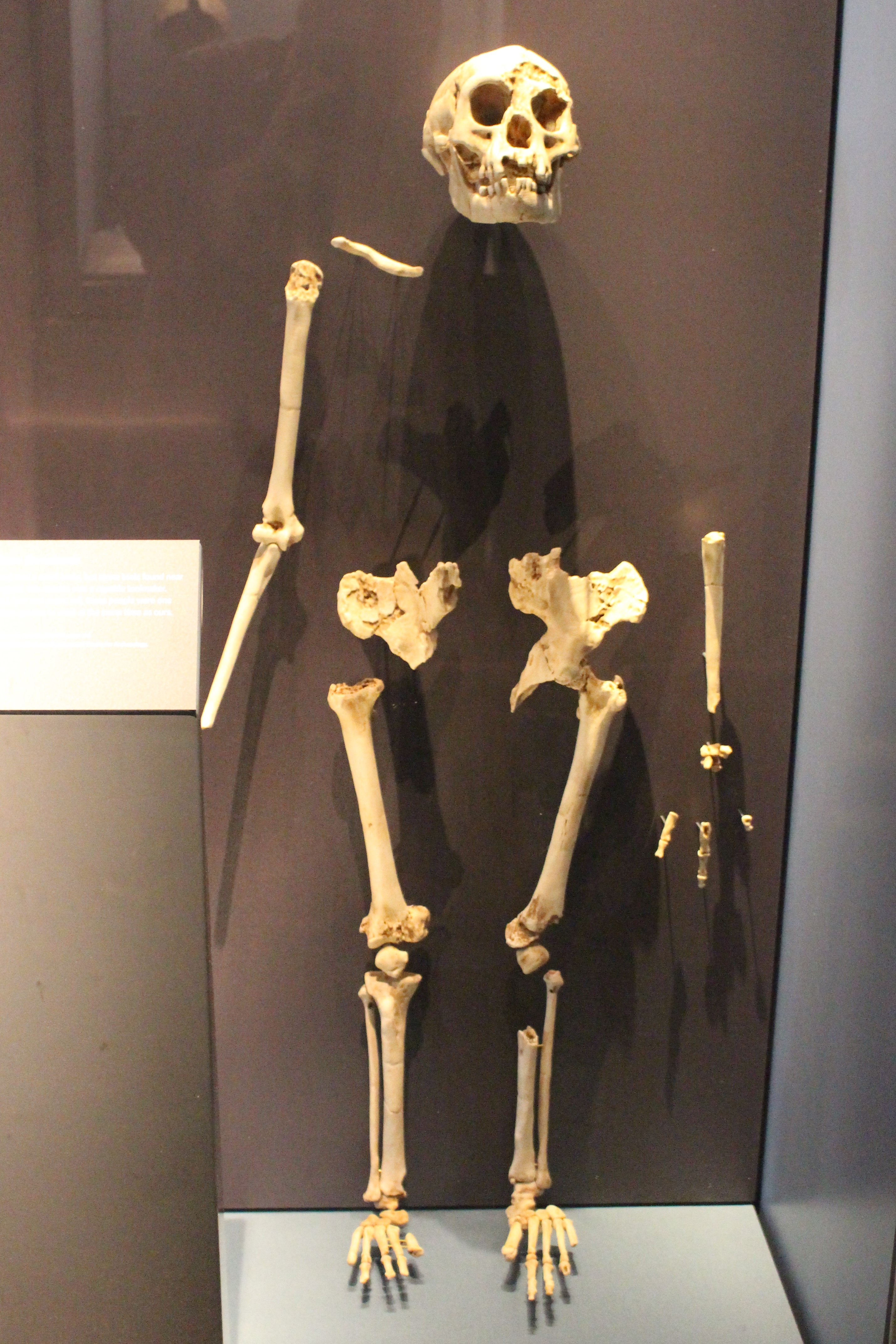
Liang Bua is an archaeological site situated on the island of Flores in Indonesia, best known for the discovery of Homo floresiensis, a distinct hominid species with small stature and brain size. This limestone cave has yielded significant archaeological and paleontological finds, including stone tools and skeletal remains dating back to the Upper Paleolithic period. The site indicates that Homo floresiensis inhabited the cave between approximately 190,000 and 50,000 years ago and later overlapped with modern humans starting around 46,000 years ago. The presence of stone tools and animal remains suggests that the inhabitants were capable of hunting and tool-making. Liang Bua offers crucial insights into the diversity of hominid species and their interactions with the environment and other hominids.
Gallery
Explore photographs of ancient structures, artifacts, and archaeological excavations
Historical Timeline
Journey through time and discover key events in this site's history
Homo floresiensis presence
50,000 BCE
Modern human arrival
46,000 BCE
Archaeological Features
Unique architectural and cultural elements found at this historical site
Domestic and Habitation Structures
Environmental and Natural Features
Frequently Asked Questions
Plan Your Visit
Tours, travel arrangements, and practical information
More Sites in Indonesia
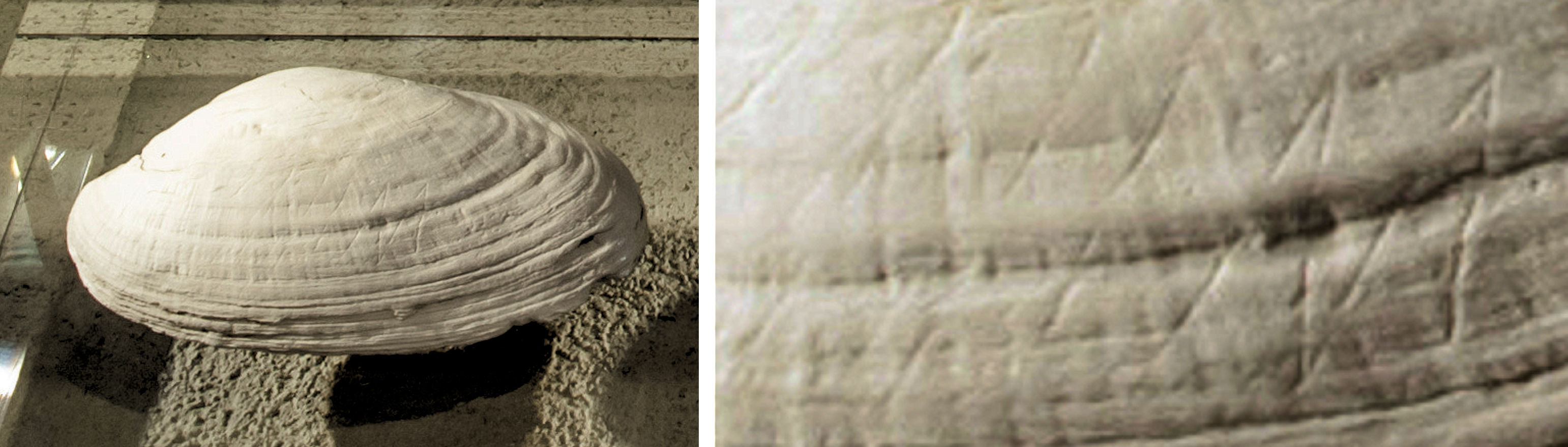
Trinil
Homo erectus discovery site in Java.
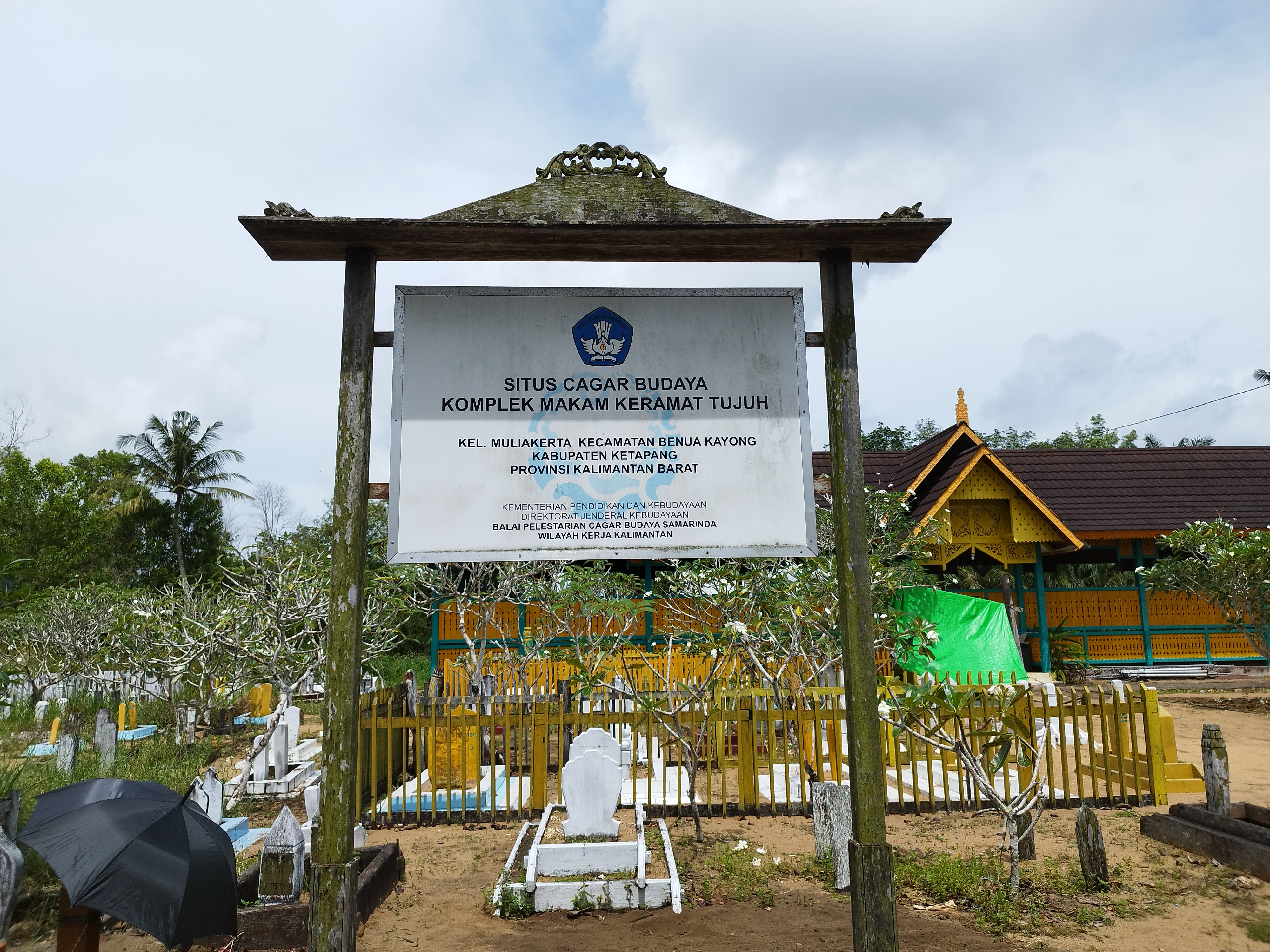
Makam Keramat Tujuh
Historic funerary and religious complex
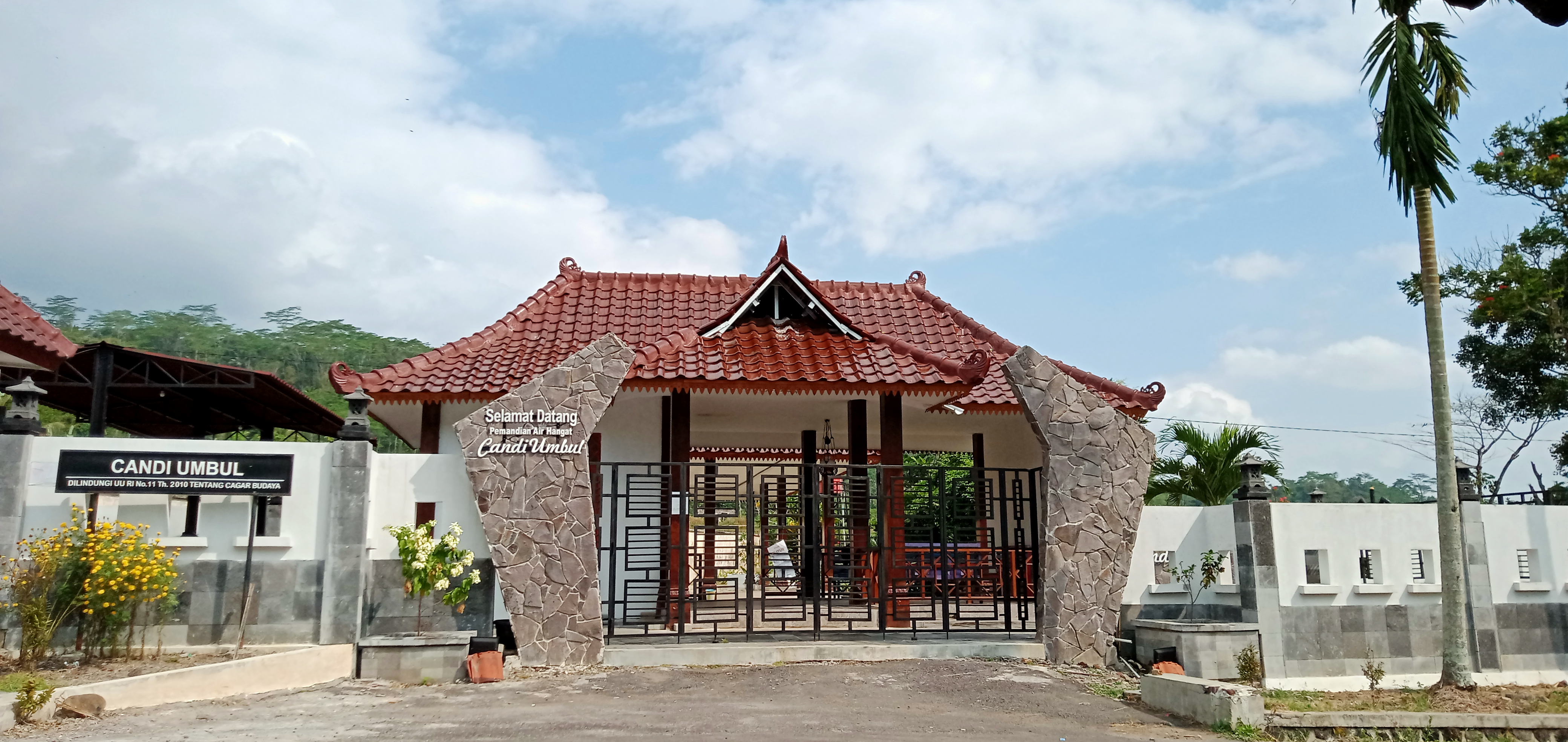
Umbul Temple
9th-century Hindu temple with bathing pools.
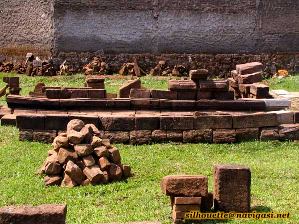
Bojongmenje
7th-century Hindu temple ruins in Java.
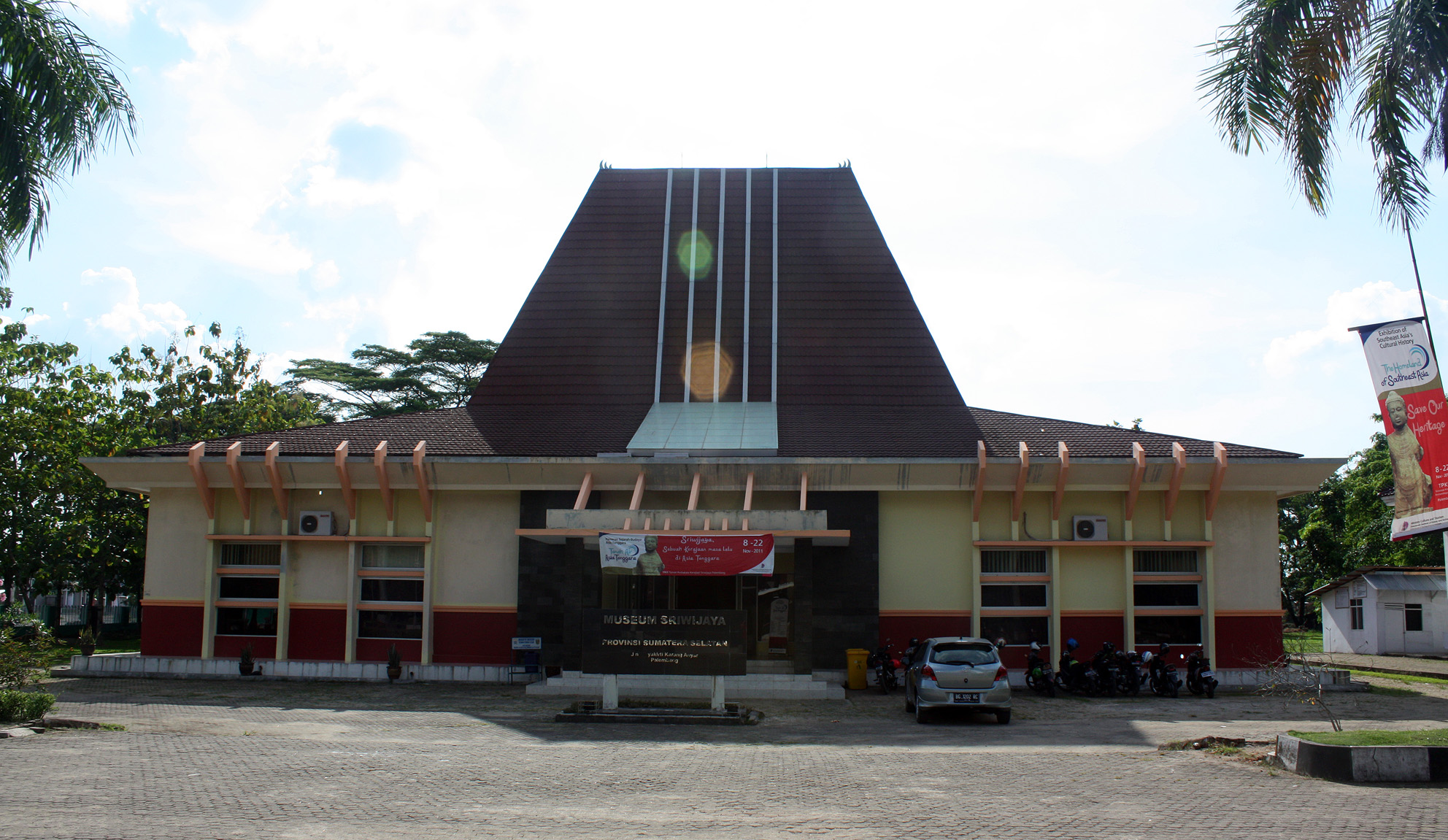
Sriwijaya Kingdom Archaeological Park
Ancient habitation with canals and ponds.
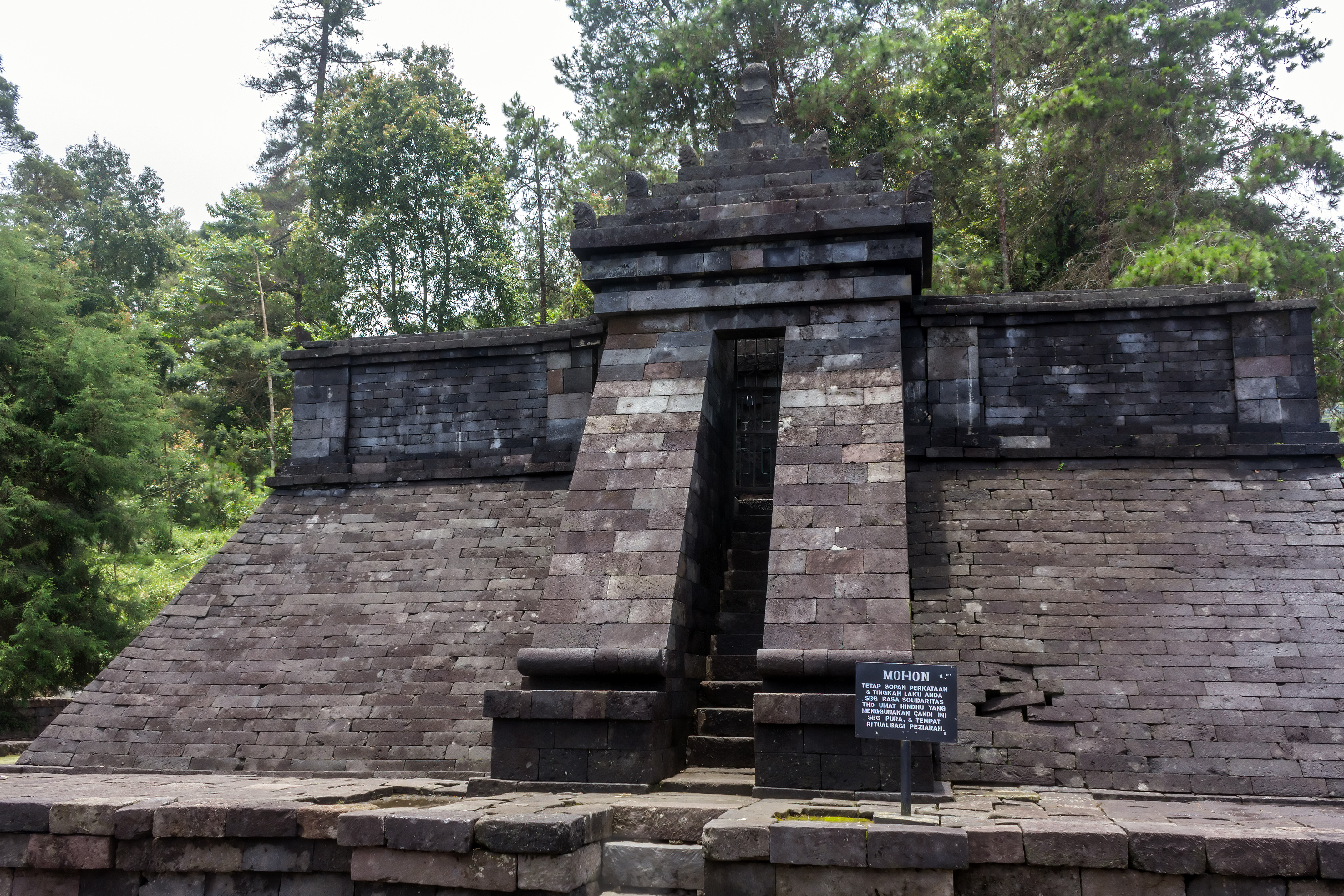
Ceto Temple
Fifteenth-century Javanese-Hindu temple on Mount Lawu.