Explore the Map
Trinil
-7.3743° N, 111.3578° E
About
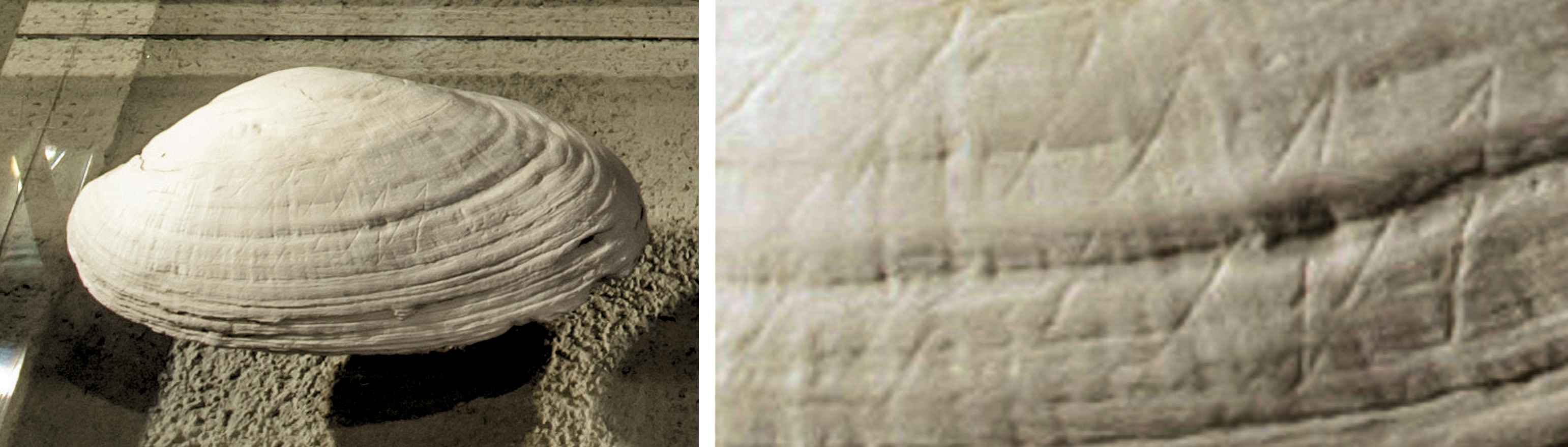
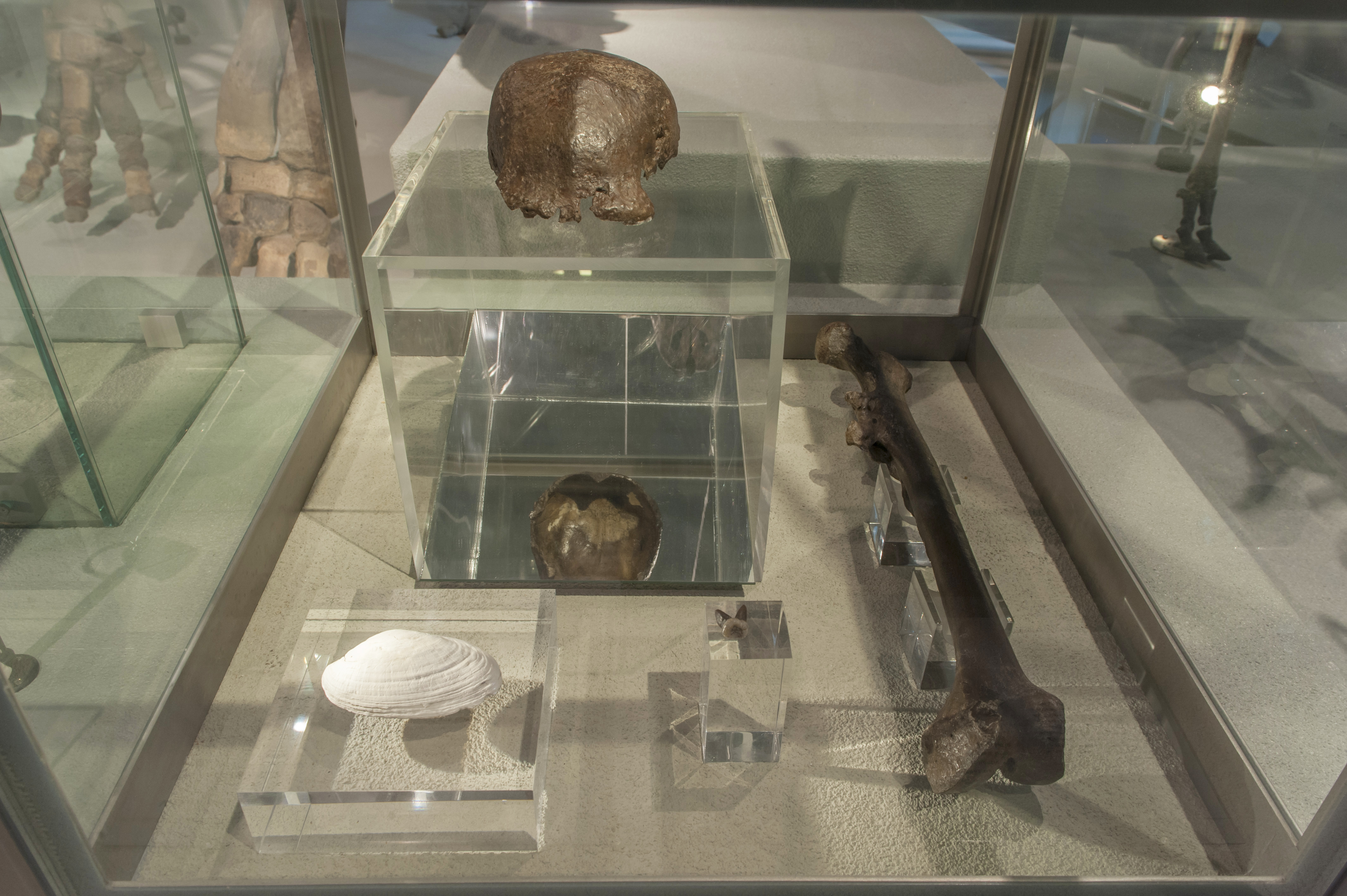
Trinil is a significant paleontological and archaeological site located on the banks of the Bengawan Solo River in Ngawi Regency, East Java, Indonesia. It is renowned for being the discovery site of the 'Java Man' (Homo erectus erectus), a pivotal find in the study of human evolution. The discovery, made by Dutch anatomist Eugène Dubois in 1891, marked the first time early hominin remains were found outside of Europe, providing crucial evidence of the migration and evolution of early humans in Asia. The site is primarily associated with the Lower Paleolithic period, offering insights into the behaviors and environmental conditions of early hominins in the region.
Gallery
Explore photographs of ancient structures, artifacts, and archaeological excavations
Historical Timeline
Journey through time and discover key events in this site's history
Homo erectus Occupation
Approximately 1.5 million years ago
Frequently Asked Questions
Plan Your Visit
Tours, travel arrangements, and practical information
More Sites in Indonesia
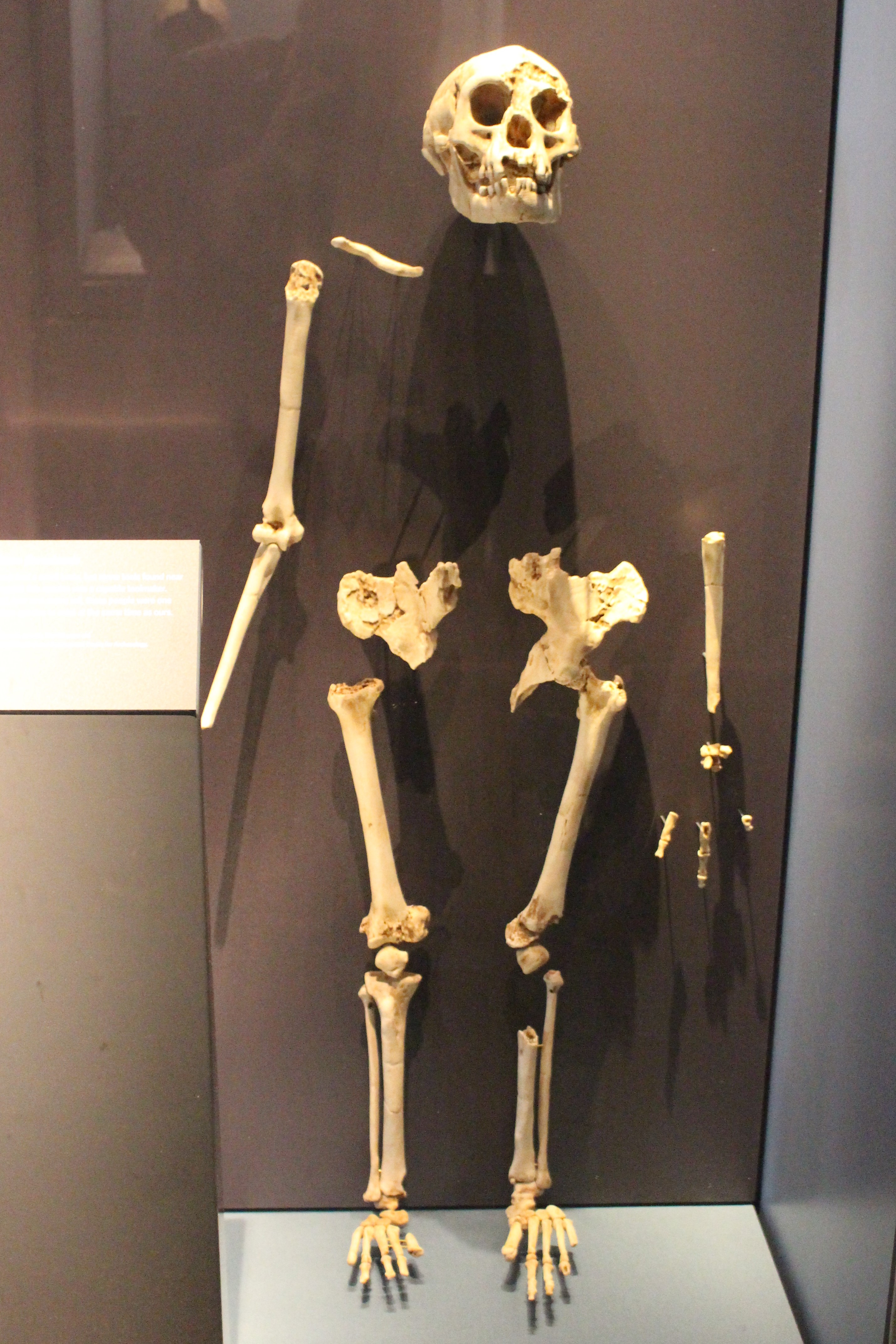
Liang Bua
Limestone cave with hominid remains
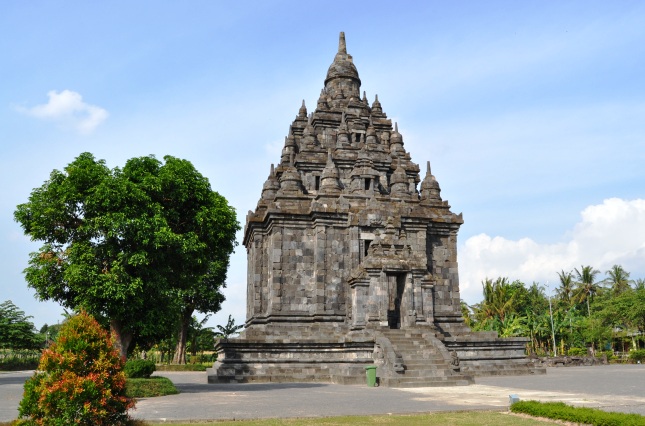
Sojiwan
9th-century Mahayana Buddhist temple complex
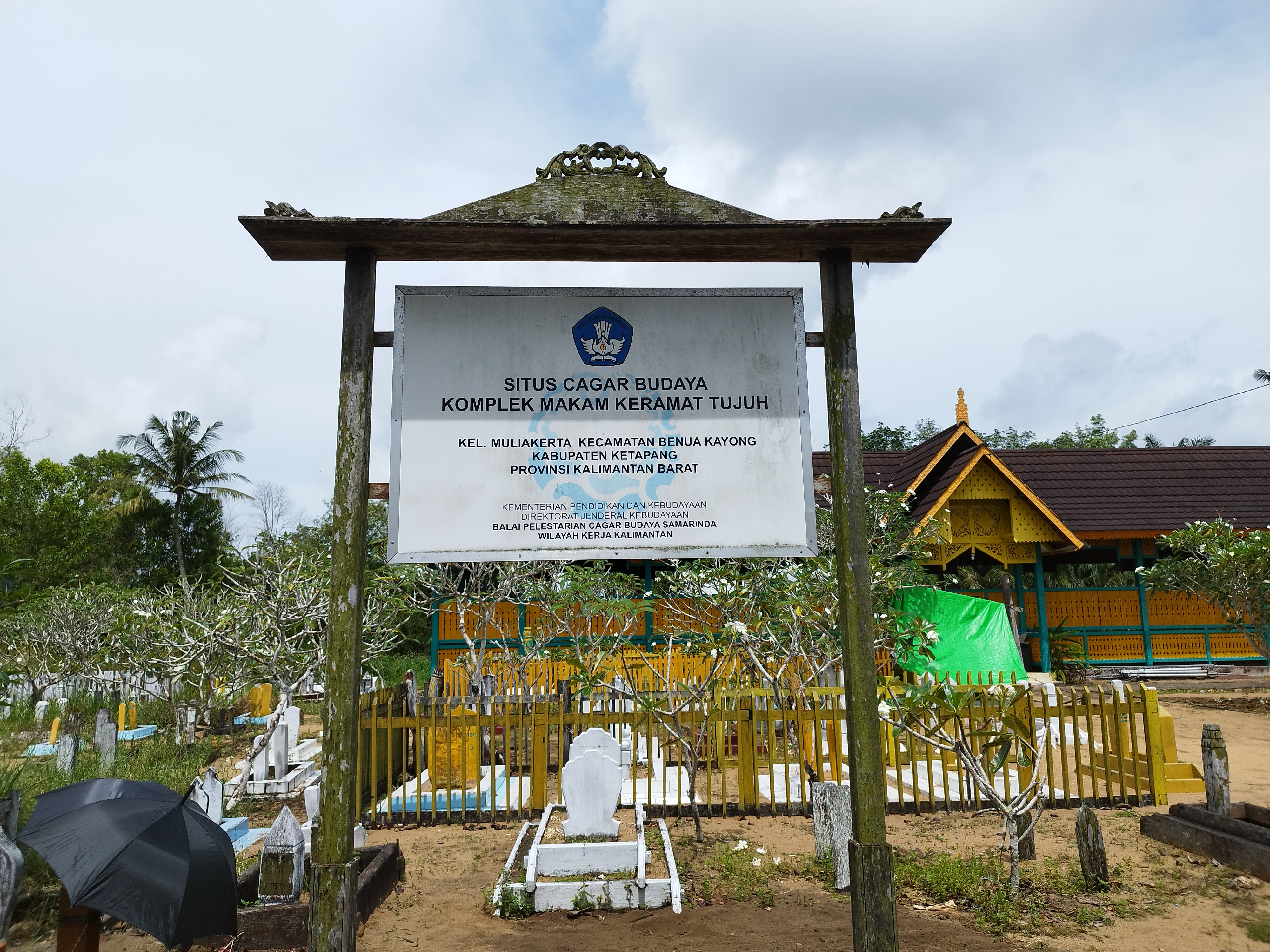
Makam Keramat Tujuh
Historic funerary and religious complex
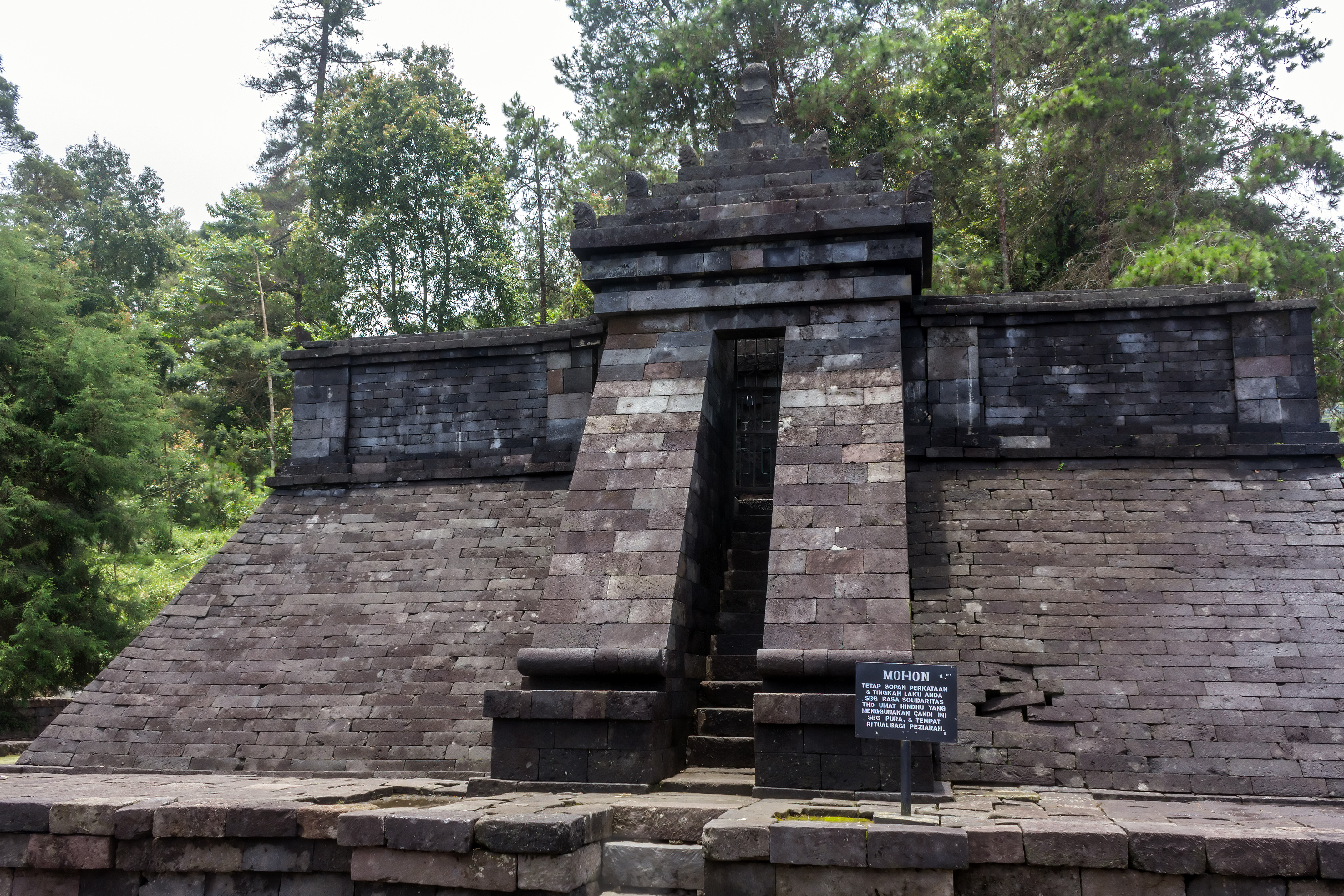
Ceto Temple
Fifteenth-century Javanese-Hindu temple on Mount Lawu.
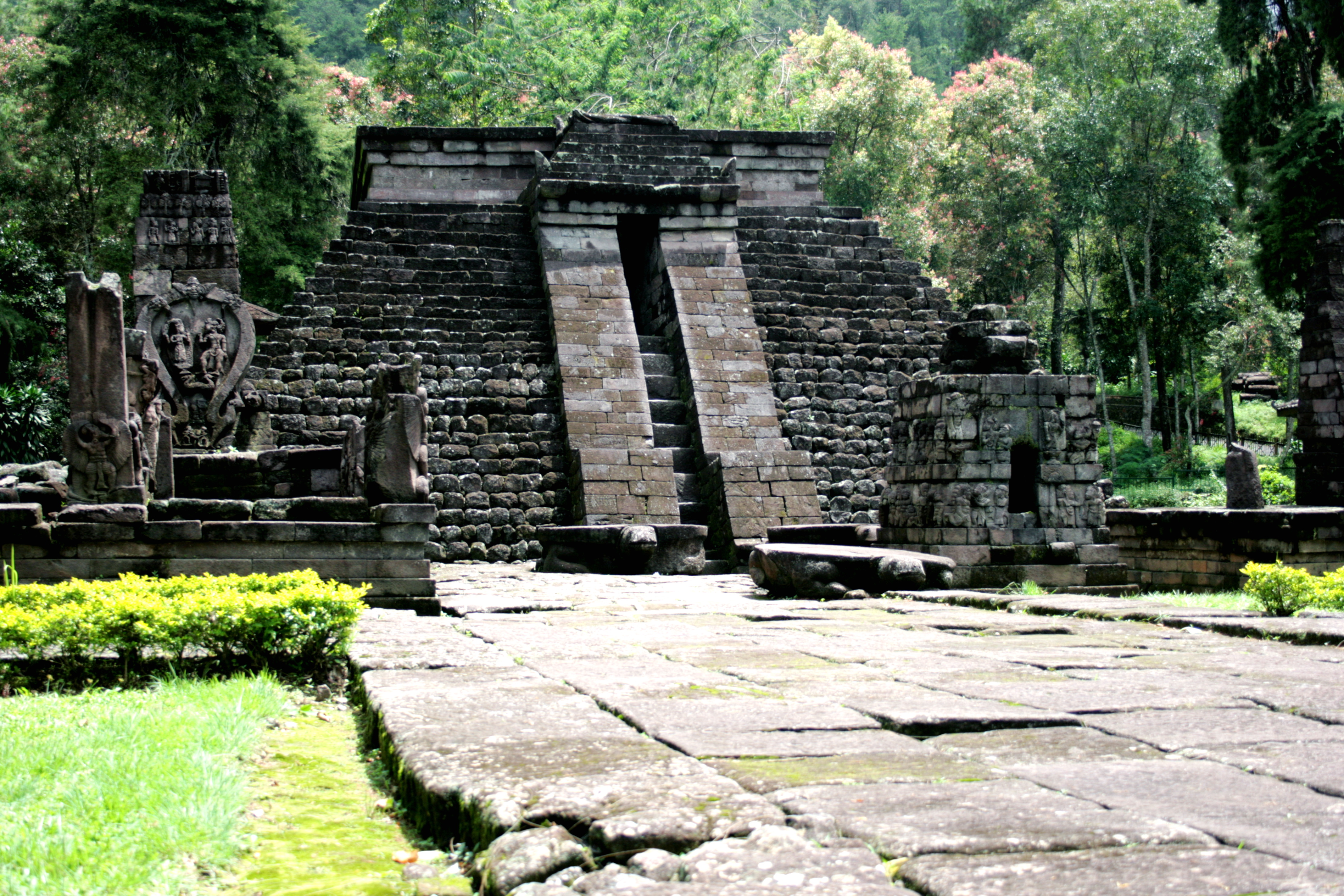
Sukuh
15th-century Javanese-Hindu pyramid temple
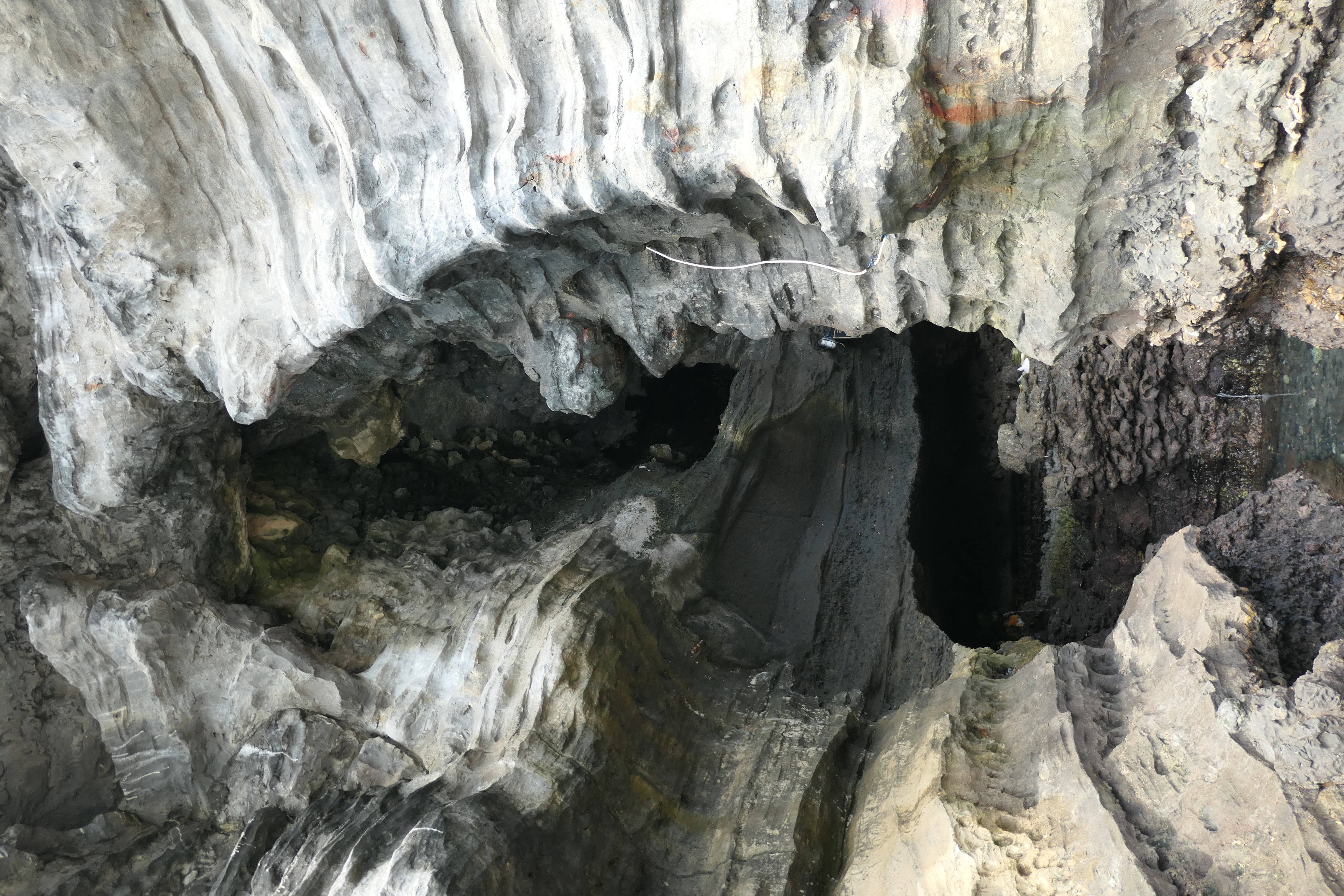
Tanah Lot
Hindu sea temple on an offshore rock, Bali