Explore the Map
Sangiran
-7.4500° N, 110.8333° E
About
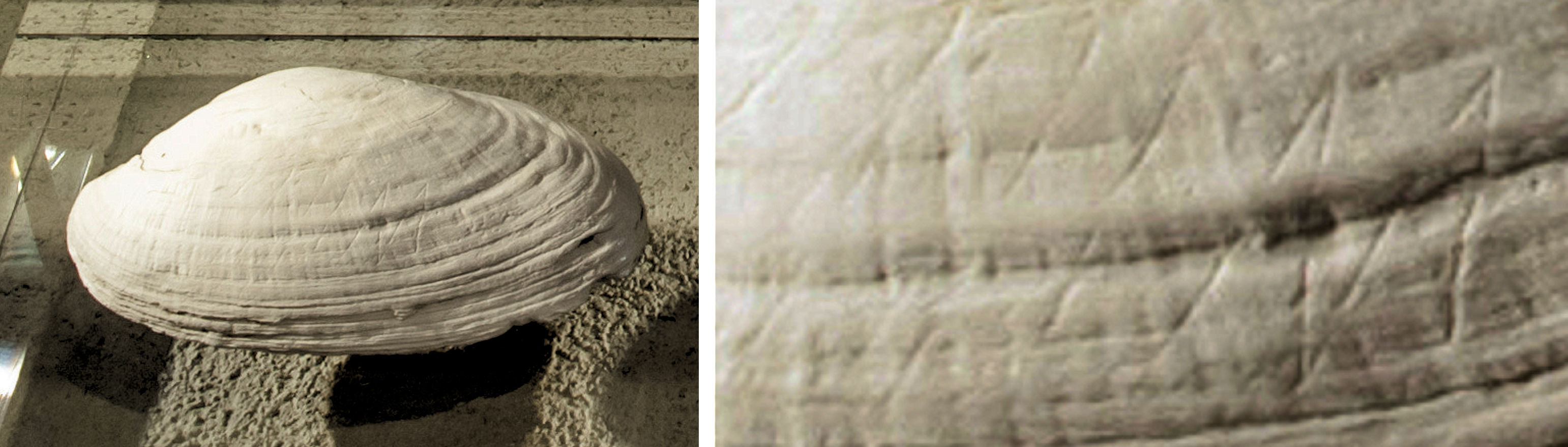
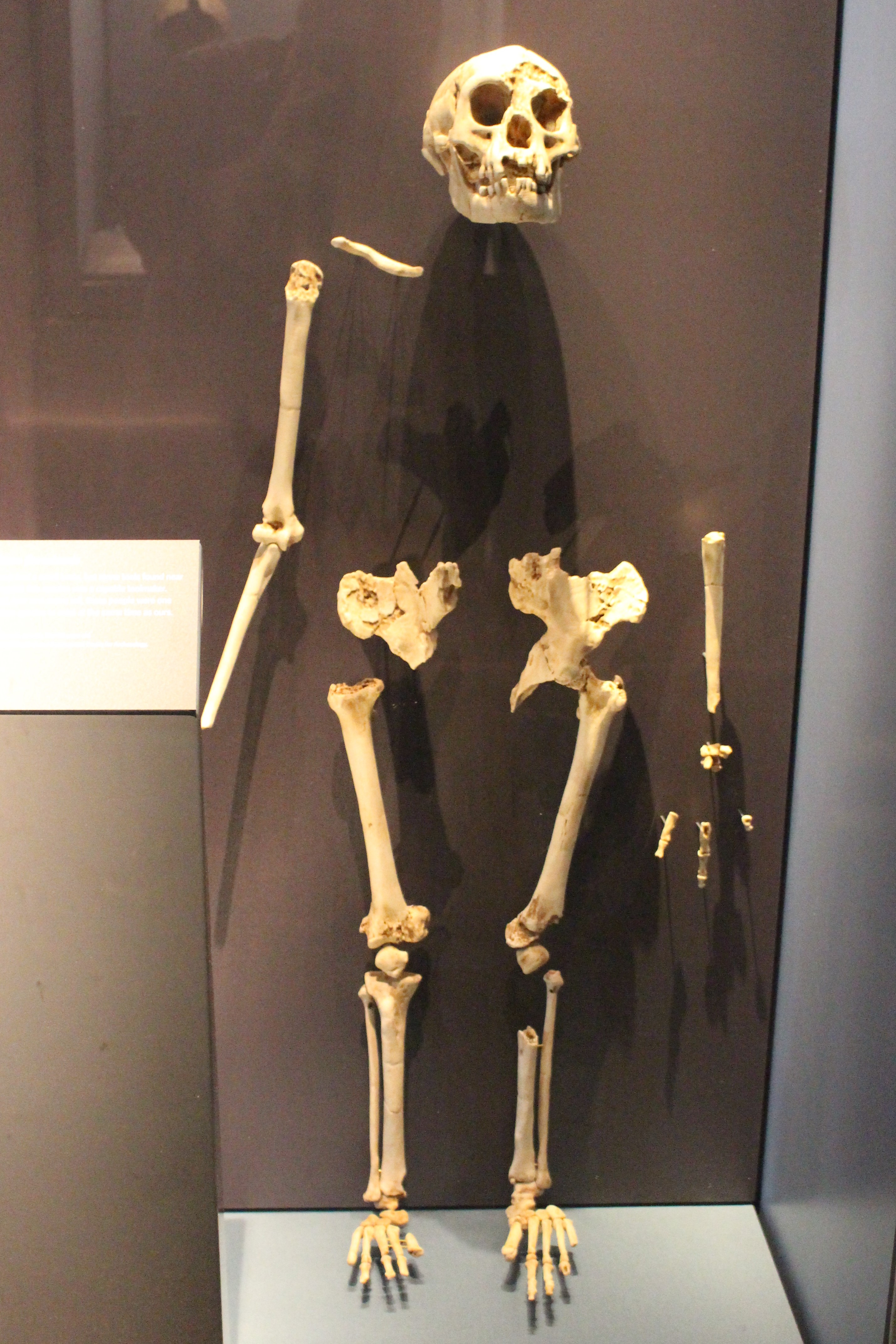
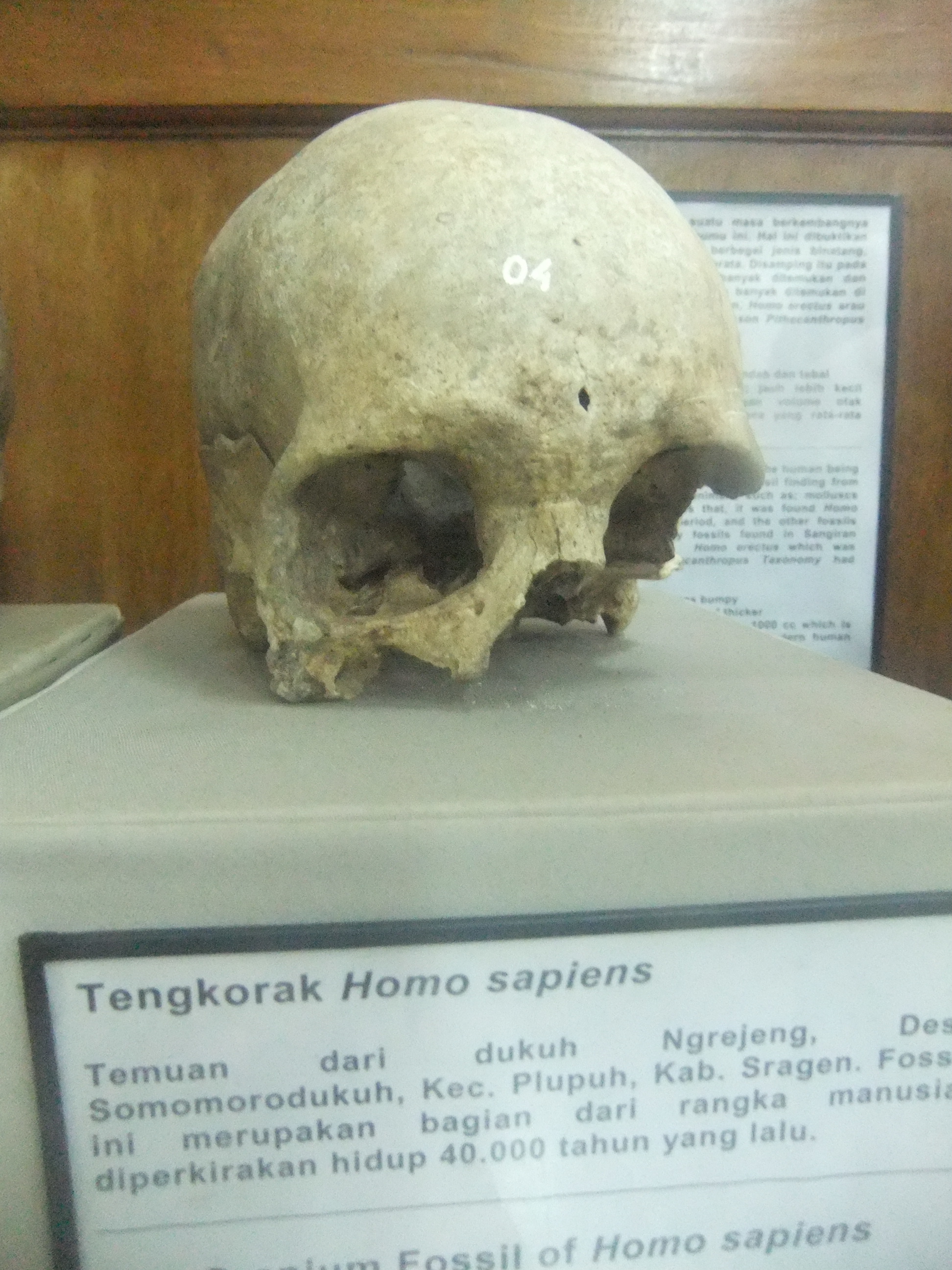
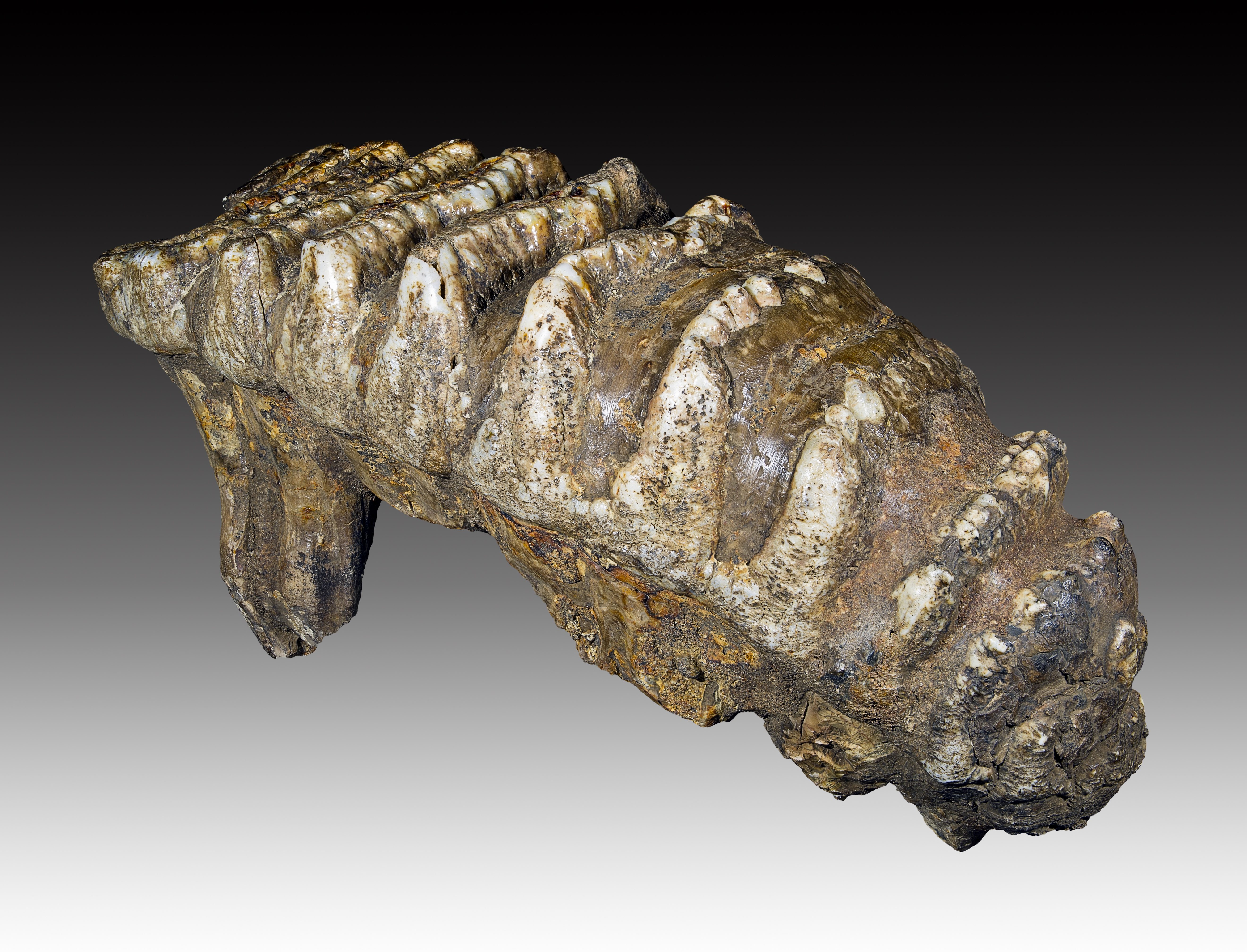
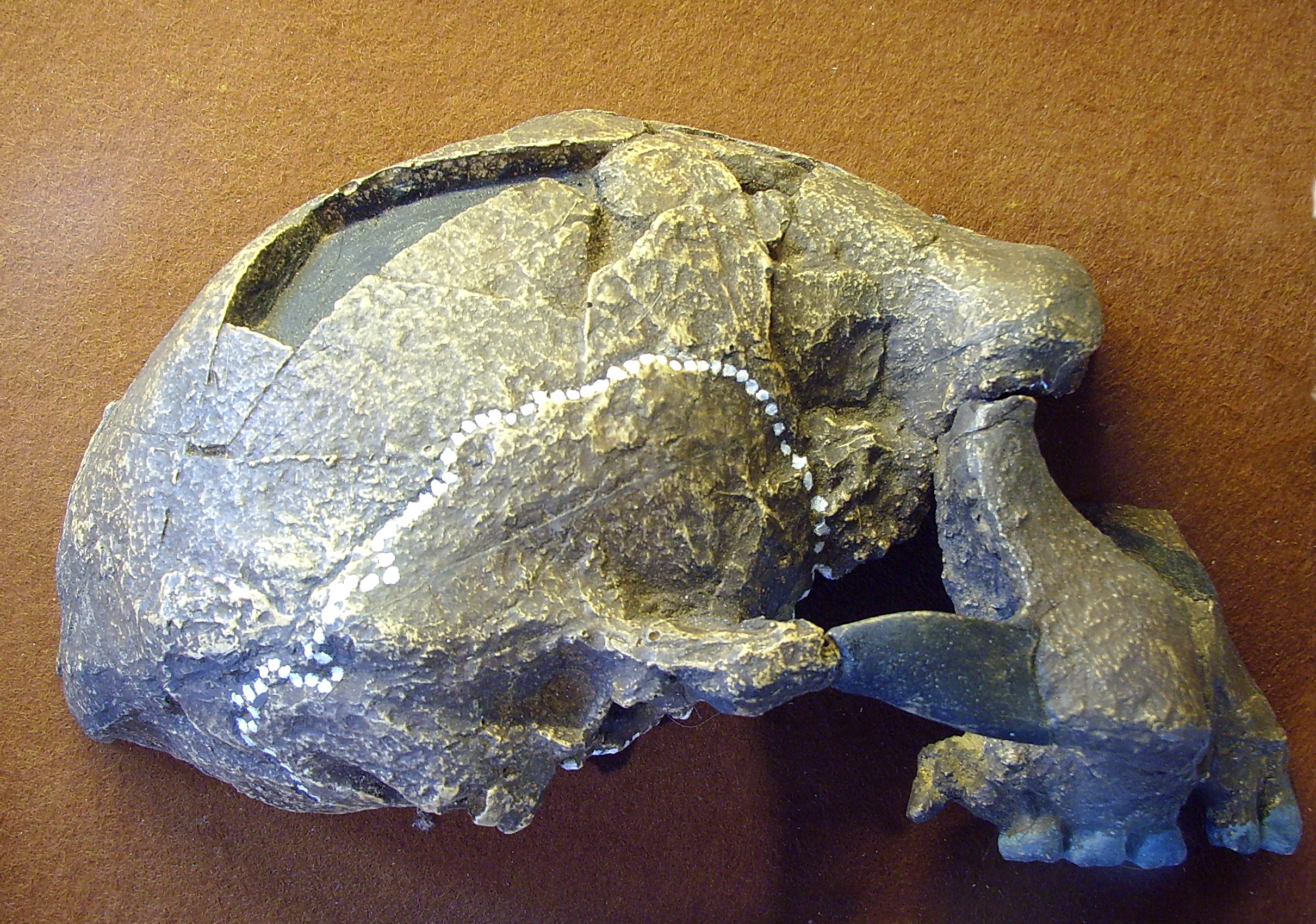
Sangiran is a globally significant archaeological site located in Central Java, Indonesia. Spanning approximately 56 square kilometers, the site is renowned for its rich fossil deposits that provide critical insights into early human evolution. Formed millions of years ago through tectonic activity, the geological dome at Sangiran was subsequently eroded, revealing layers abundant with archaeological records. Sangiran has been instrumental in the study of fossil man, offering more fruitful discoveries than other prominent sites like Zhoukoudian and Olduvai Gorge. The site's fossil layers date back to the Lower Paleolithic period, making it a key location for understanding early hominid life. The Sangiran Museum, established to showcase these findings, features extensive displays and dioramas depicting the area's prehistoric environment and inhabitants.
Gallery
Explore photographs of ancient structures, artifacts, and archaeological excavations
Historical Timeline
Journey through time and discover key events in this site's history
Formation of geological dome
Millions of years ago
Archaeological Features
Unique architectural and cultural elements found at this historical site
Environmental and Natural Features
Frequently Asked Questions
Plan Your Visit
Tours, travel arrangements, and practical information