Explore the Map
Bandian complex
37.4575° N, 59.1058° E
About
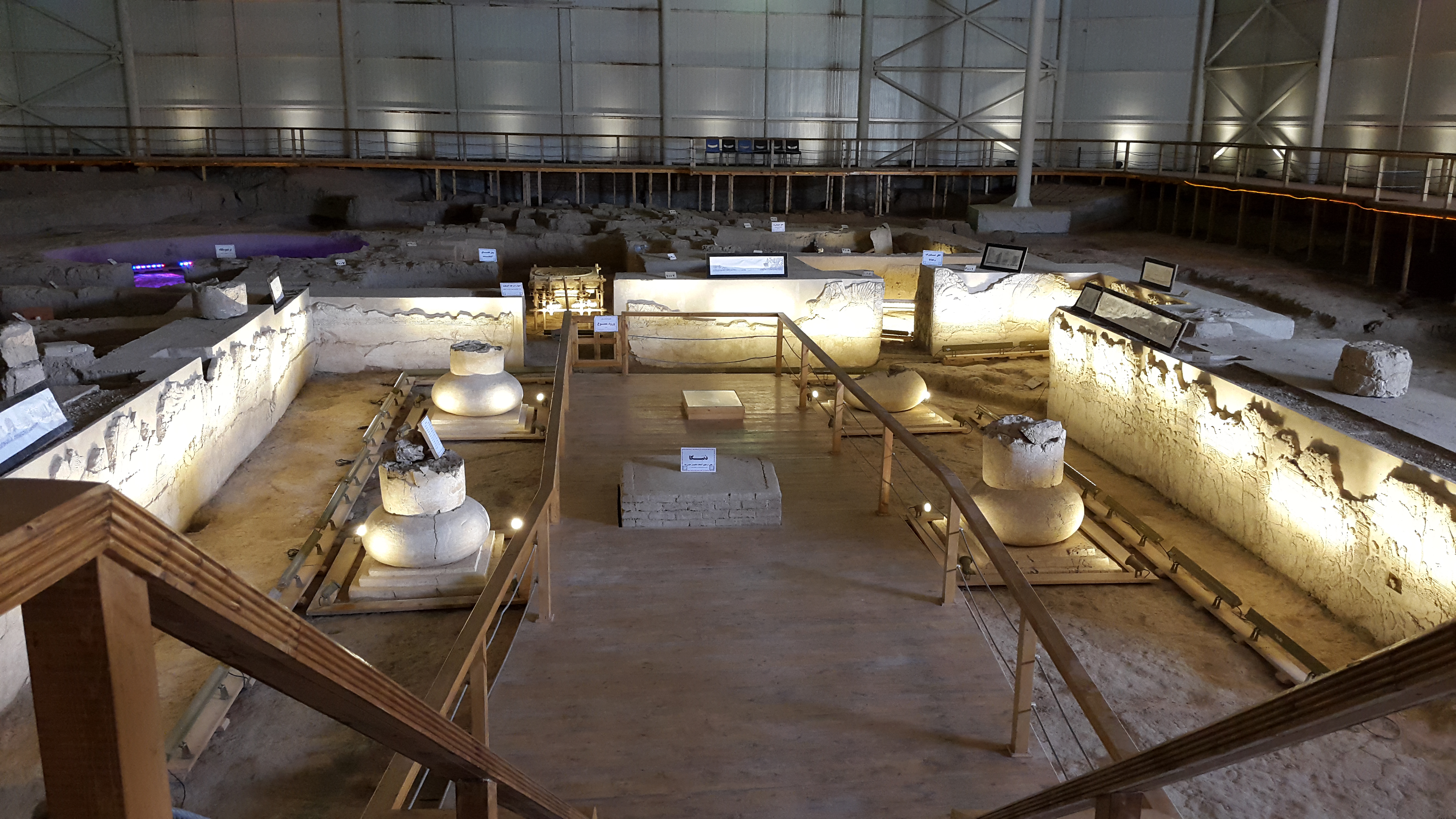
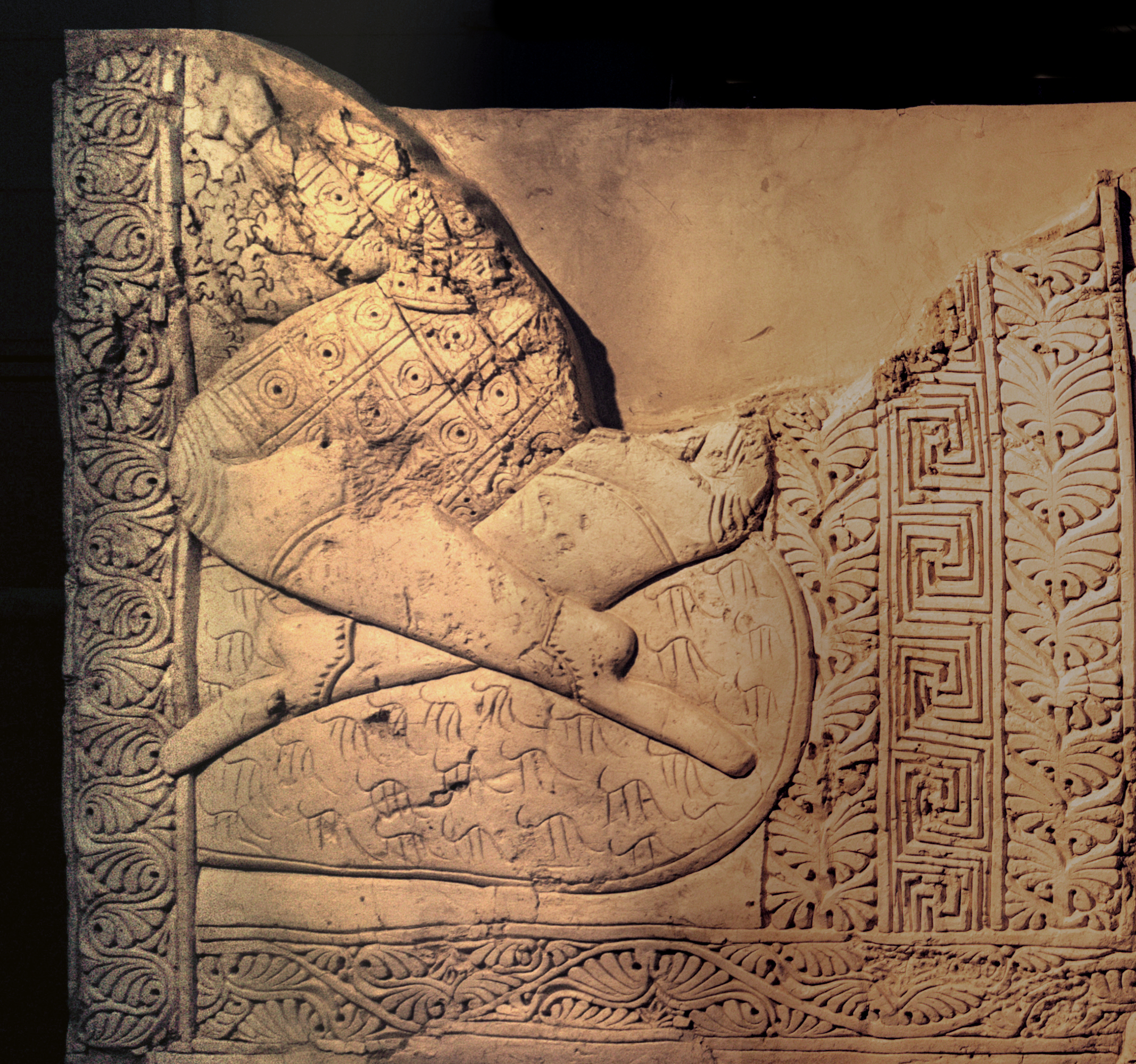
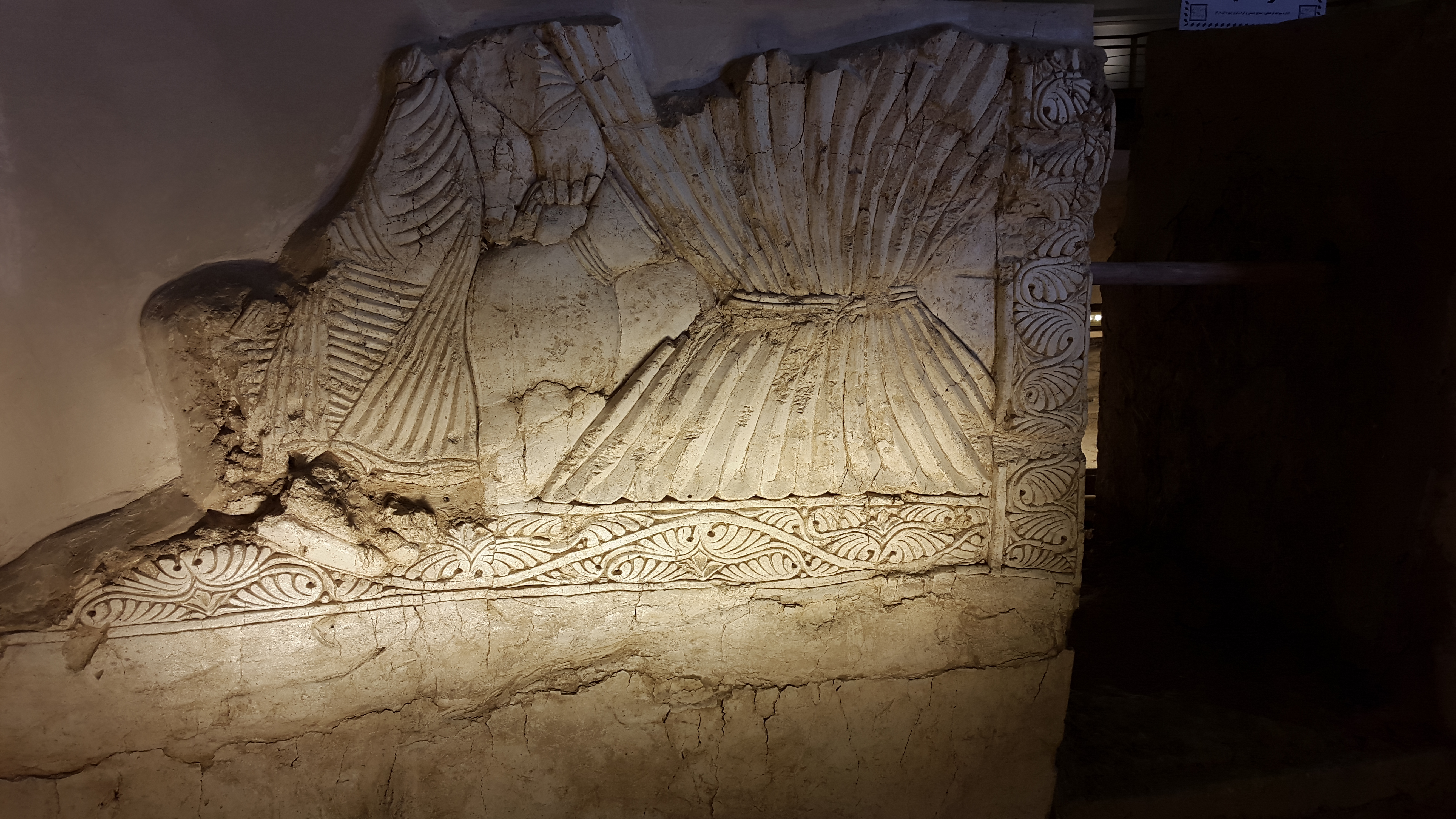
The Bandian Fire Temple, located in Dargaz County, Razavi Khorasan Province, Iran, is an archaeological site of great significance, offering insights into Sassanian art and architecture. Dating back to the Late Classical to Early Post-Classical period, this site features a Zoroastrian sanctuary with stucco-decorated halls, columns, and Pahlavi inscriptions. The sanctuary, attributed to the reign of Peroz or his son Kavad I, showcases intricate stucco reliefs depicting hunting scenes, battles, and rituals. The main hall, with dimensions of 10.25x8.45 meters, is supported by four lime columns and contains a remarkable mihrab. This site not only illustrates religious practices but also reflects the Persian victories in the Hephthalite–Persian Wars. Today, the excavated area serves as a site-museum, preserving the rich cultural heritage of pre-Islamic Iran.
Gallery
Explore photographs of ancient structures, artifacts, and archaeological excavations
Historical Timeline
Journey through time and discover key events in this site's history
Depictions of Persian victories
459 CE
Construction and use of sanctuary
459 CE
Archaeological Features
Unique architectural and cultural elements found at this historical site
Public and Civic Structures
Religious and Ritual Structures
Artistic and Decorative Features
Frequently Asked Questions
Plan Your Visit
Tours, travel arrangements, and practical information
More Sites in Iran
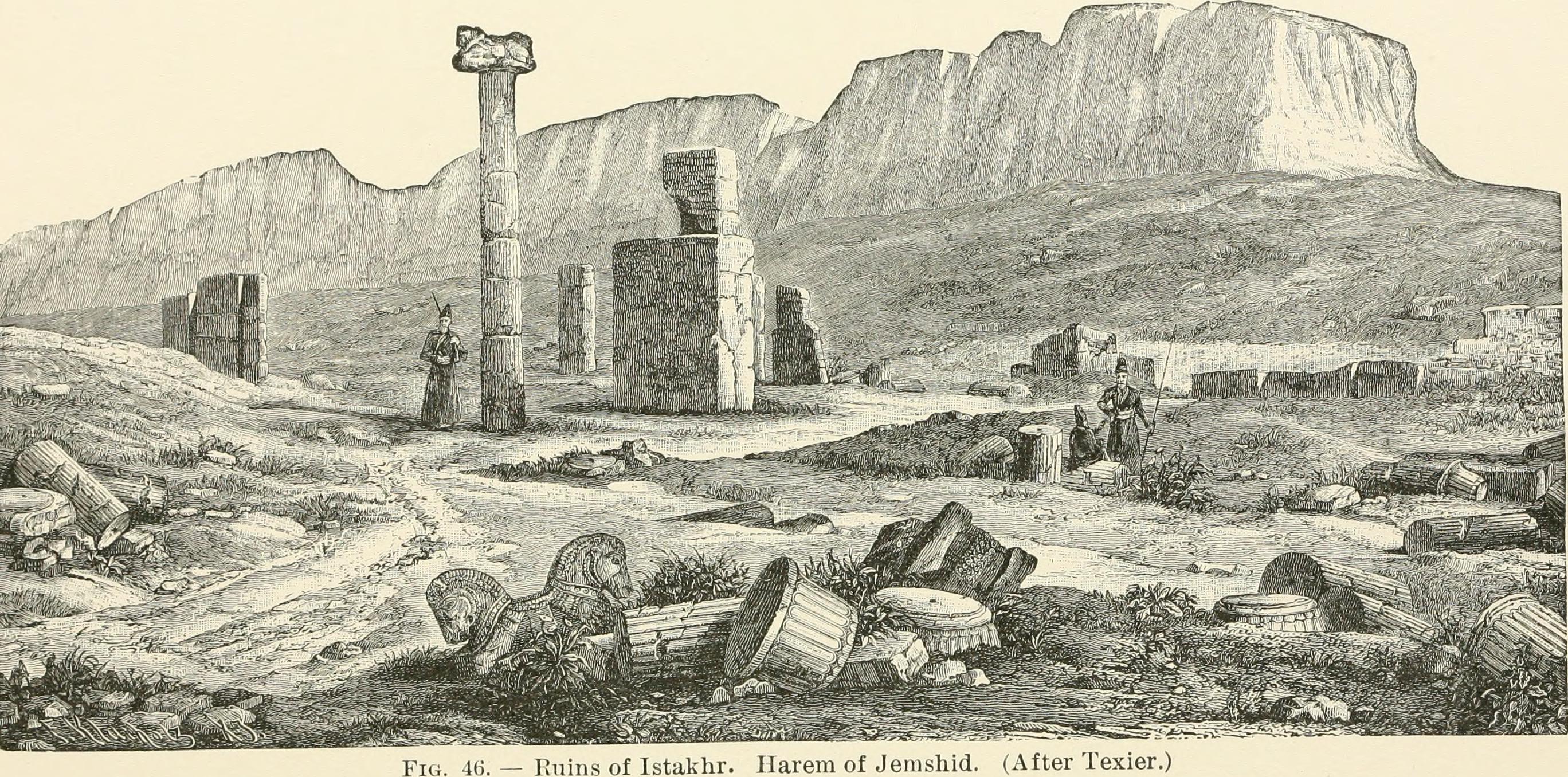
Istakhr
Ancient city with religious and defensive structures.
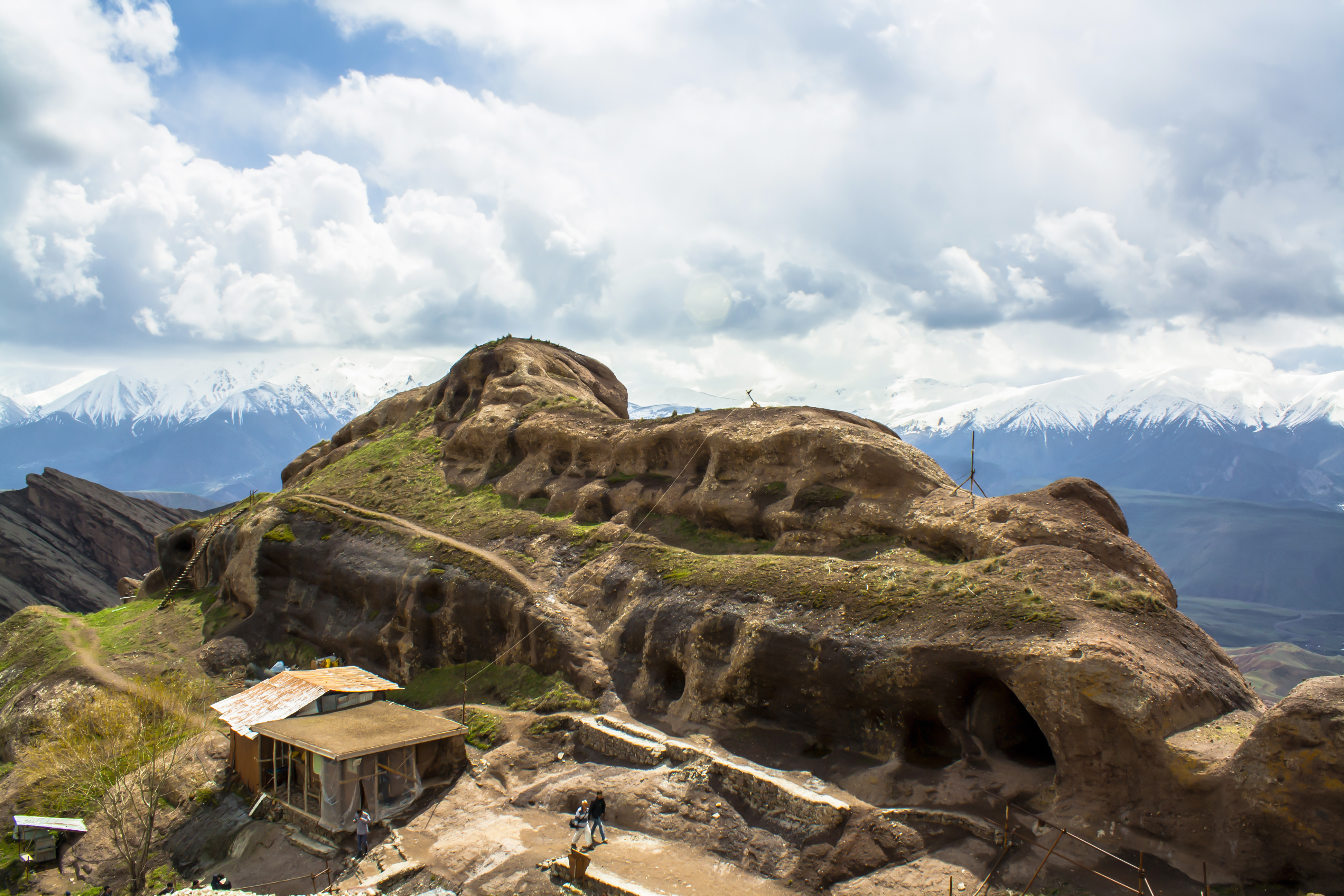
Mount Khajeh
Flat-topped basalt hill with ancient ruins
Tappeh Berdankan
Sasanian site with diverse pottery artifacts.
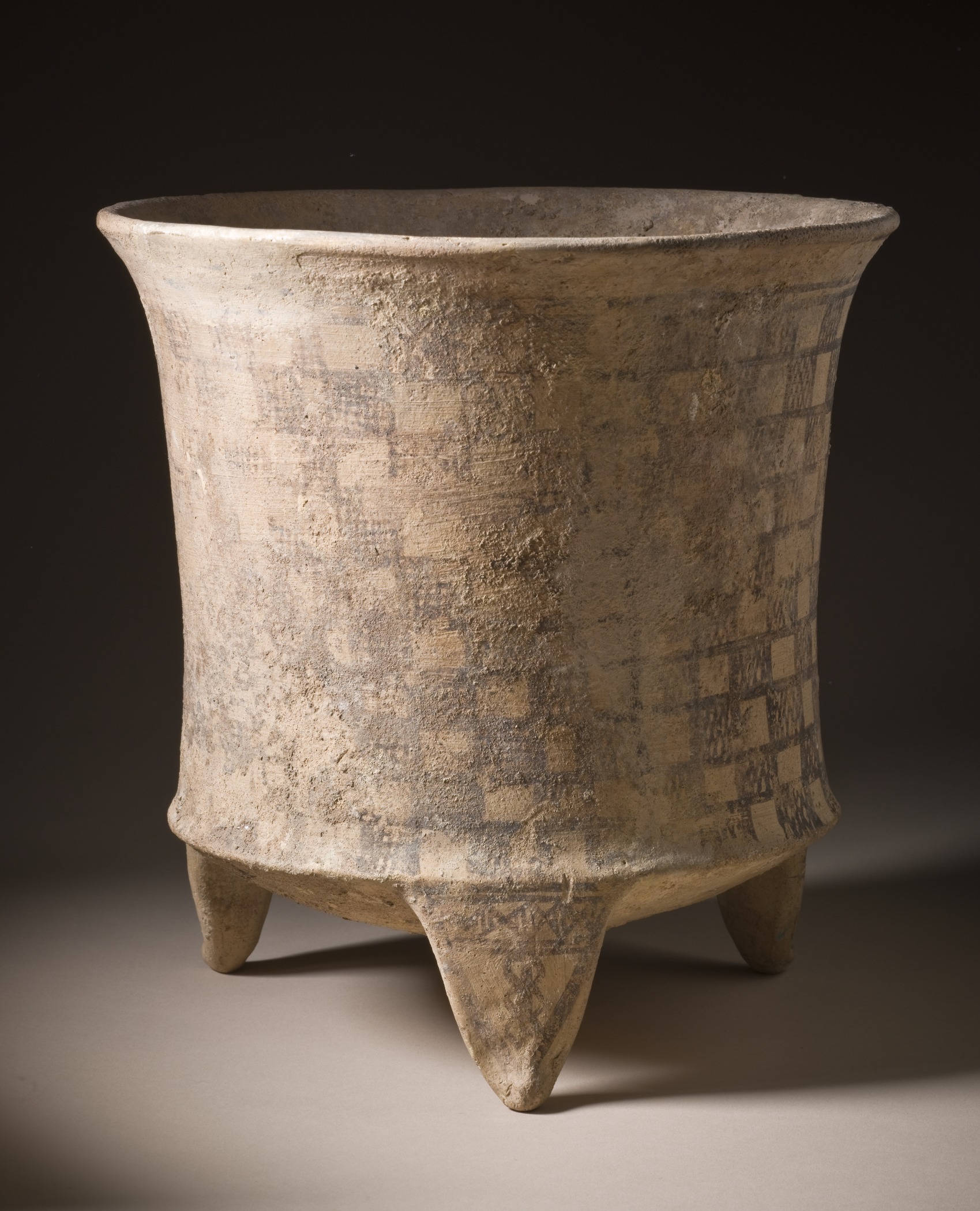
Tepe Giyan
Necropolis with distinctive pottery in Iran.
Chogha Golan
Aceramic Neolithic site with cultural deposits
Teppe Zagheh
Early urban settlement with painted buildings.