
Explore the Map
Bisitun Cave
34.3906° N, 47.4369° E
About
Bisitun Cave, located in the Zagros Mountains of Iran, is an archaeological site of great significance, providing insights into Middle Paleolithic human habitation. Excavated first in 1949 by Carlton Coon, this cave has yielded a collection of Mousterian stone tools, a hallmark of Neanderthal technology, and remains of various Pleistocene mammals. The site is particularly noteworthy for its Levallois stone tool components, which indicate advanced tool-making techniques. Although initial examination suggested hominid remains, later studies revealed only a Neanderthal radius fragment, correcting earlier misidentifications. The presence of Cervus remains hints at a once-wooded environment during a warmer late Pleistocene phase. Bisitun Cave stands as a crucial site for understanding the Middle Paleolithic period in Southwestern Asia.
Historical Timeline
Journey through time and discover key events in this site's history
Middle Paleolithic Occupation
300,000 BCE – 50,000 BCE
Archaeological Features
Unique architectural and cultural elements found at this historical site
Domestic and Habitation Structures
Environmental and Natural Features
Frequently Asked Questions
Plan Your Visit
Tours, travel arrangements, and practical information
More Sites in Iran
Qaleh Kurd
Prehistoric cave site with human activity evidence
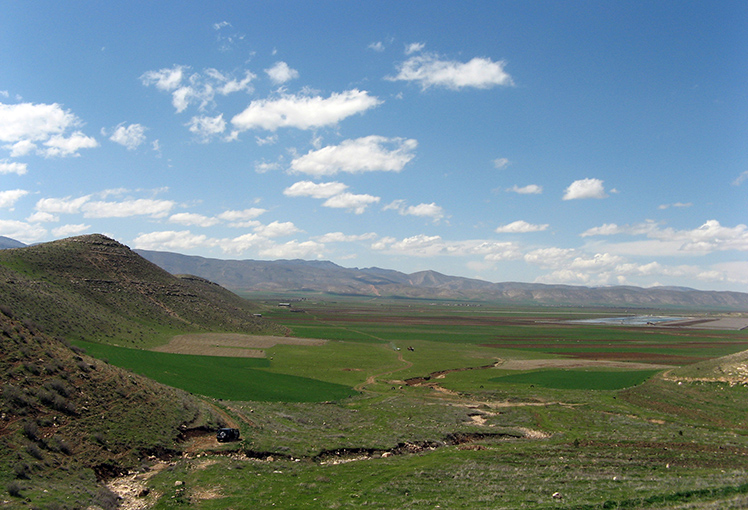
Wezmeh
Pleistocene cave site in western Iran
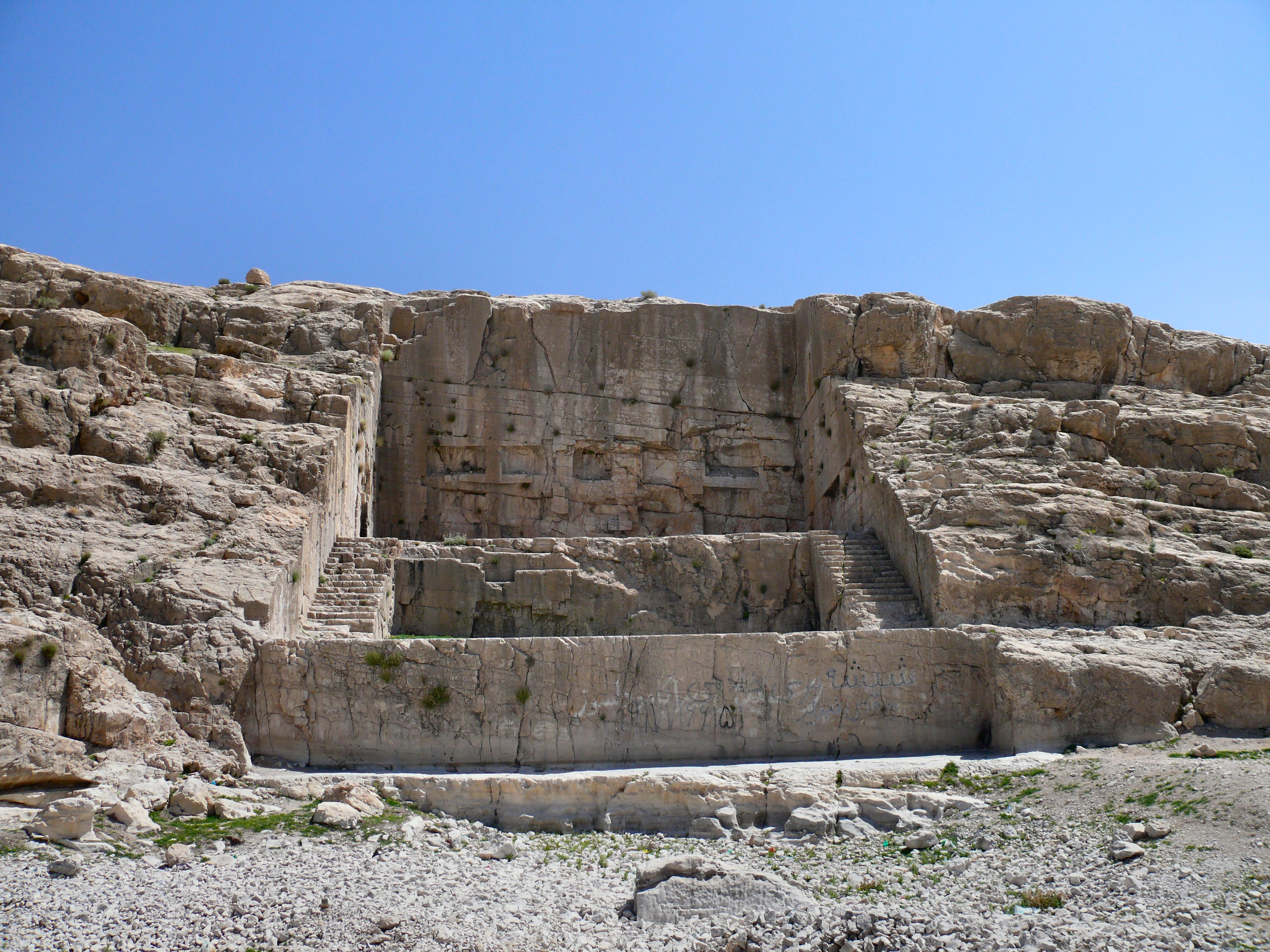
Qadamgah (ancient site)
Achaemenid rock-cut monument with terraces
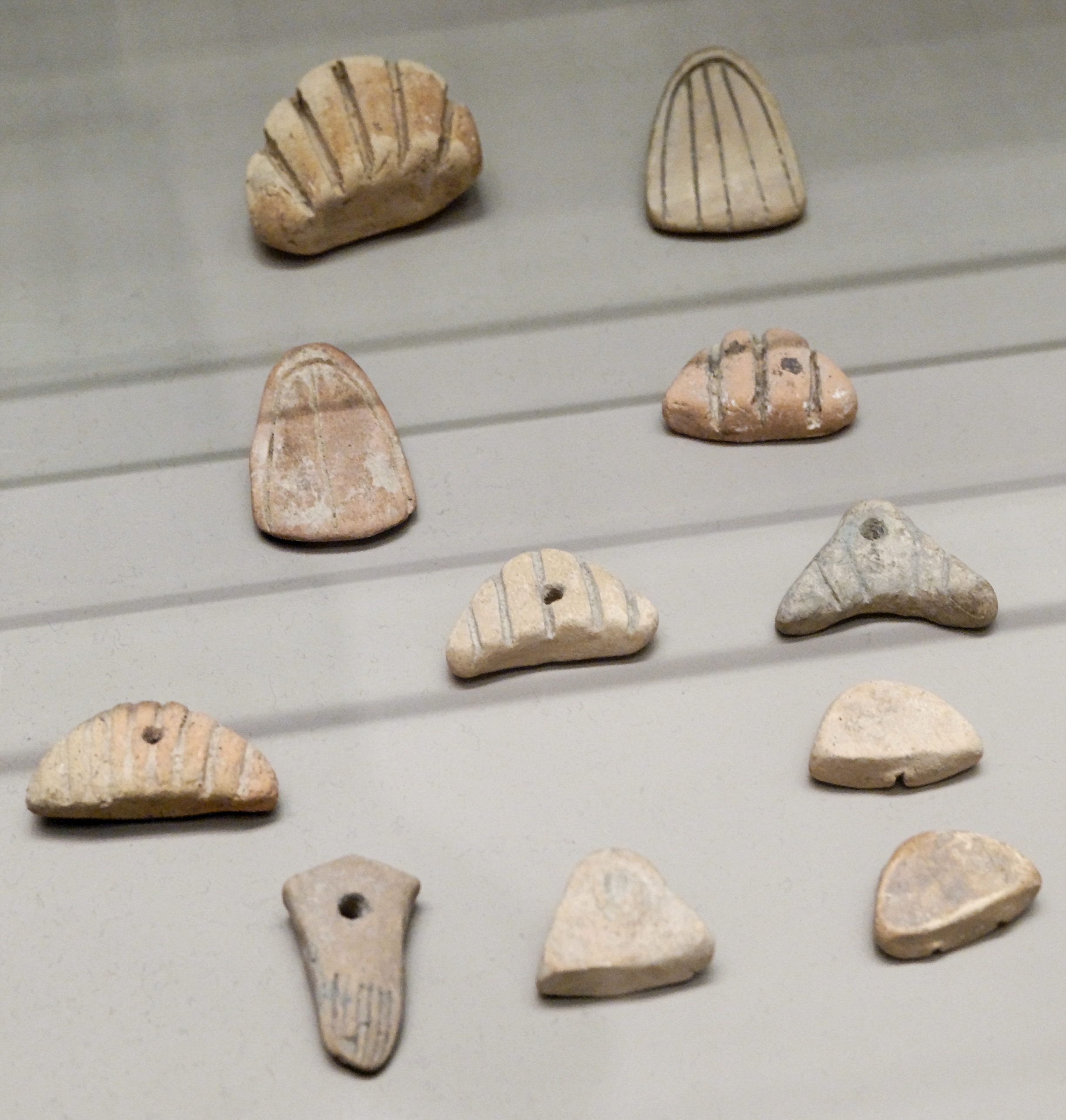
Tepe Sofalin
Ancient mound with Proto-Elamite artifacts
Chogha Bonut
Oldest lowland village in southwestern Iran.
Tappeh Berdankan
Sasanian site with diverse pottery artifacts.