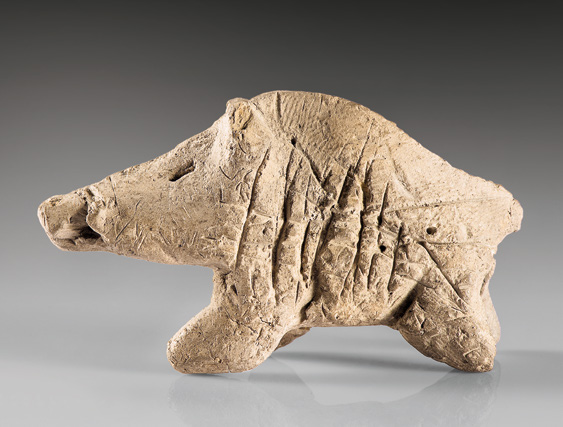
Explore the Map
Ganj Dareh
34.2721° N, 47.4758° E
About
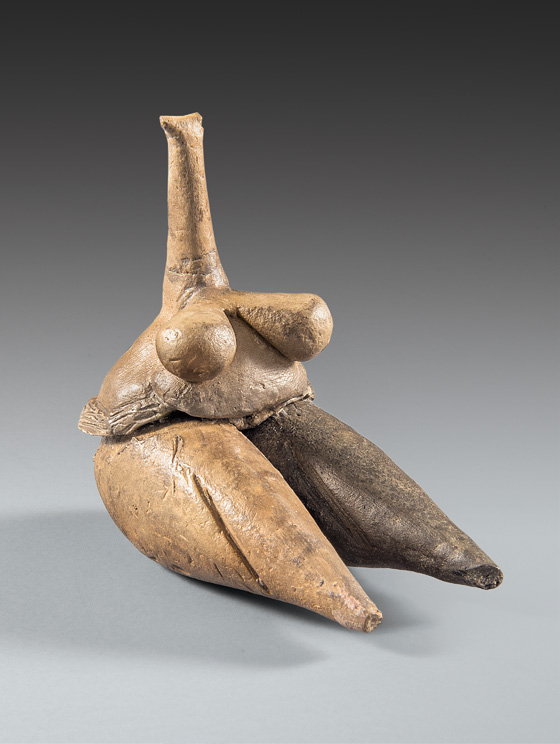
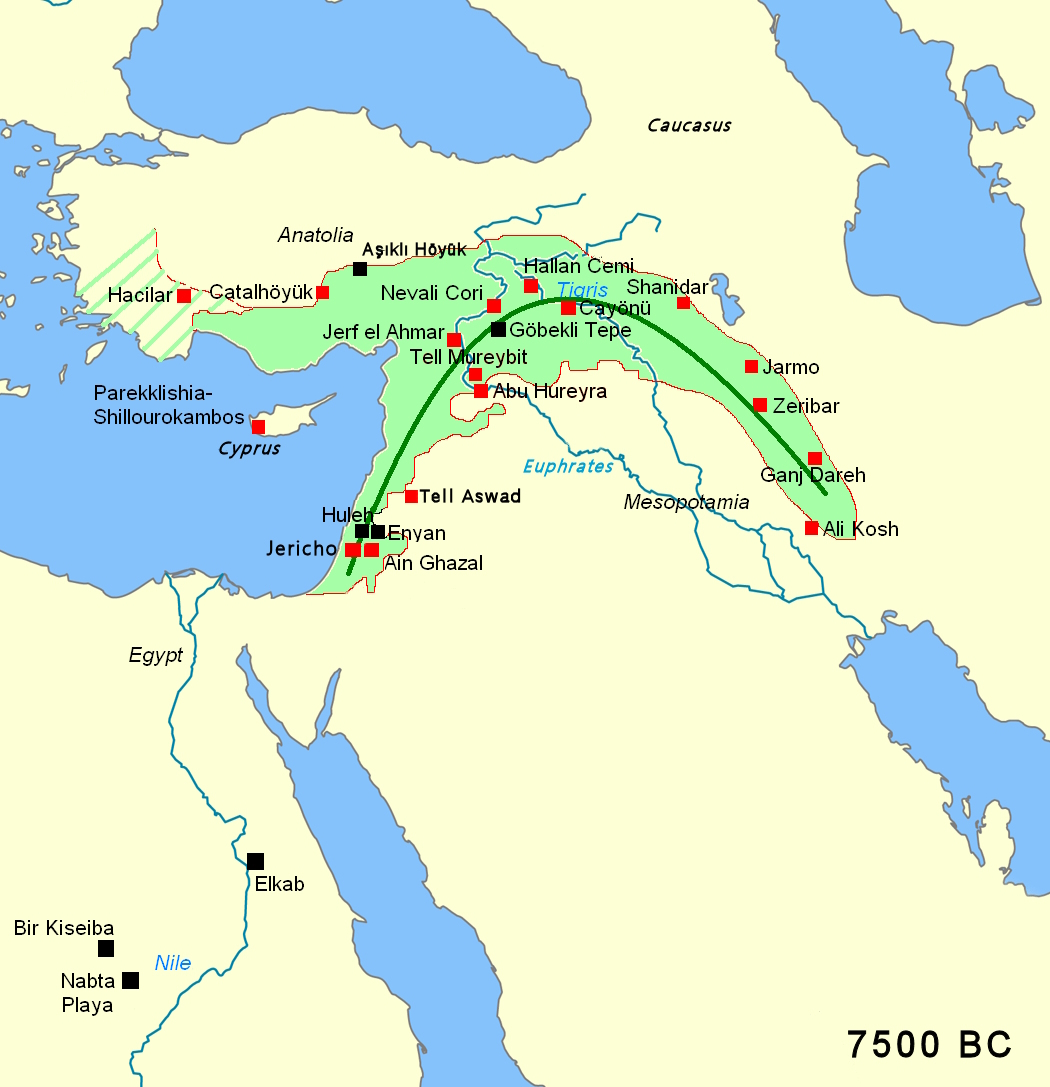
Ganj Dareh is a significant Neolithic archaeological site located in western Iran, within the central Zagros Mountains. Dating back to around 8000 BCE, it provides crucial evidence for the early domestication of goats, marking a pivotal advancement in animal husbandry. Excavations have revealed five levels of occupation, indicating a long-term settlement. The site is also notable for its early ceramic traditions, including clay figurines and mud-walled structures, which are shared with nearby sites Tepe Guran and Tepe Sarab. Genomic analysis of remains from Ganj Dareh has contributed to understanding the genetic makeup of Neolithic populations in this region, highlighting its importance in the broader context of early human civilization in the Near East.
Gallery
Explore photographs of ancient structures, artifacts, and archaeological excavations
Historical Timeline
Journey through time and discover key events in this site's history
Earliest settlement
8000 BCE
Goat domestication evidence
8000 BCE
Ceramic traditions
7300 BCE
Archaeological Features
Unique architectural and cultural elements found at this historical site
Industrial and Craft Structures
Artistic and Decorative Features
Agricultural and Land Use Features
Domestic and Habitation Structures
Frequently Asked Questions
Plan Your Visit
Tours, travel arrangements, and practical information
More Sites in Iran
Chogha Bonut
Oldest lowland village in southwestern Iran.
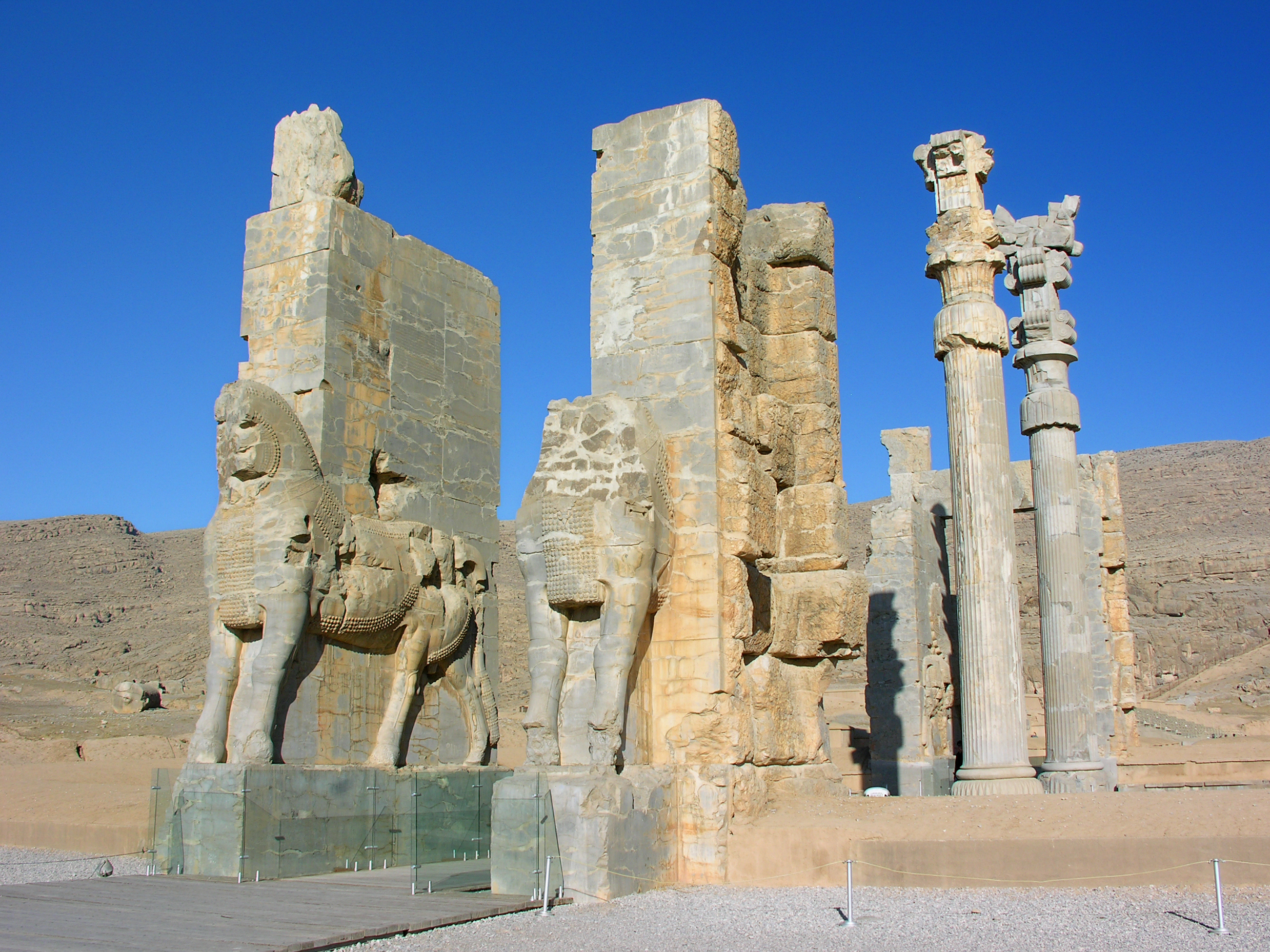
Rahmatabad Mound
Ancient Chalcolithic settlement with industrial features
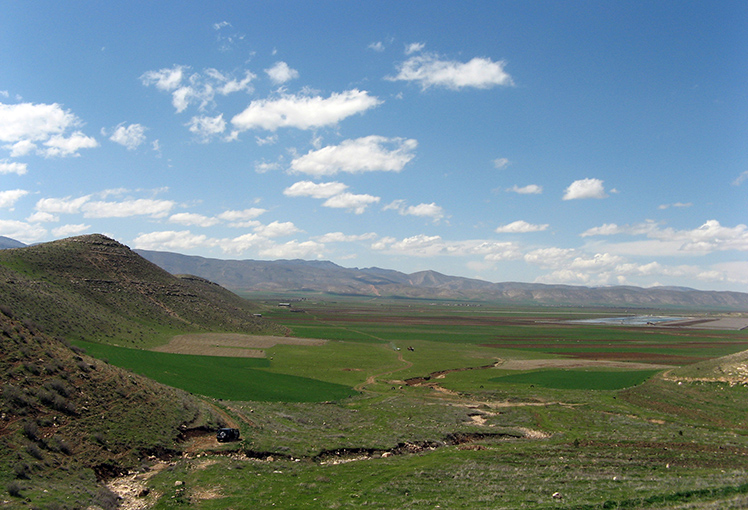
Wezmeh
Pleistocene cave site in western Iran
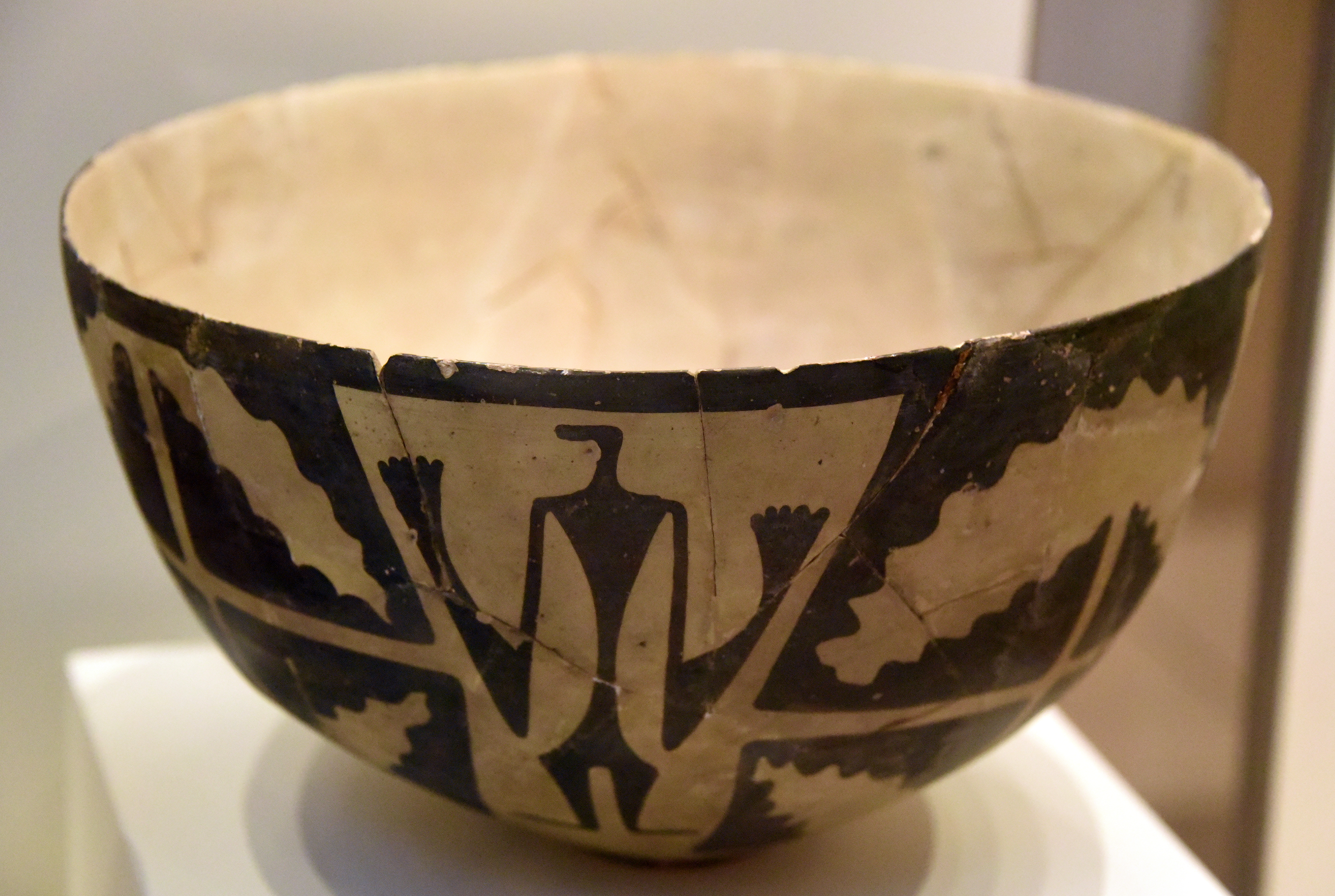
Tall-i Bakun
Prehistoric mounds with rich pottery culture
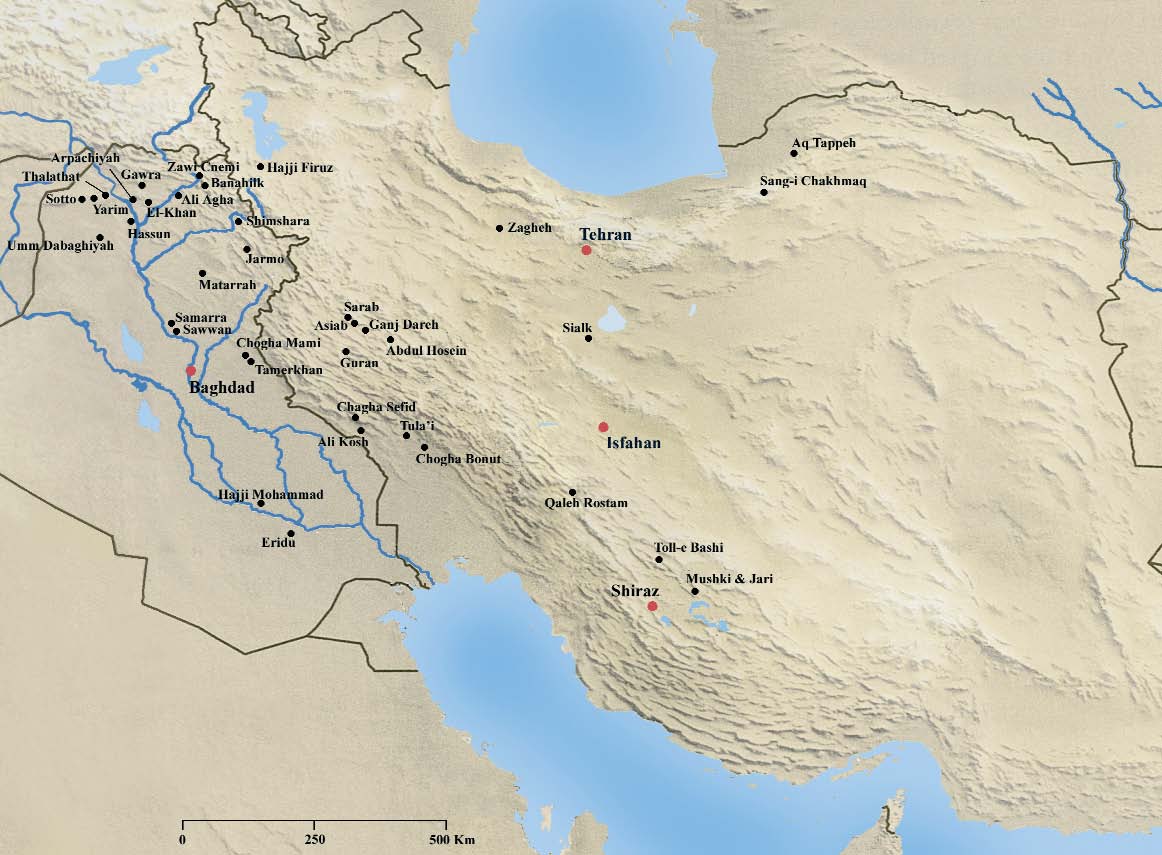
Chia Jani
Neolithic site with obsidian bladelets.
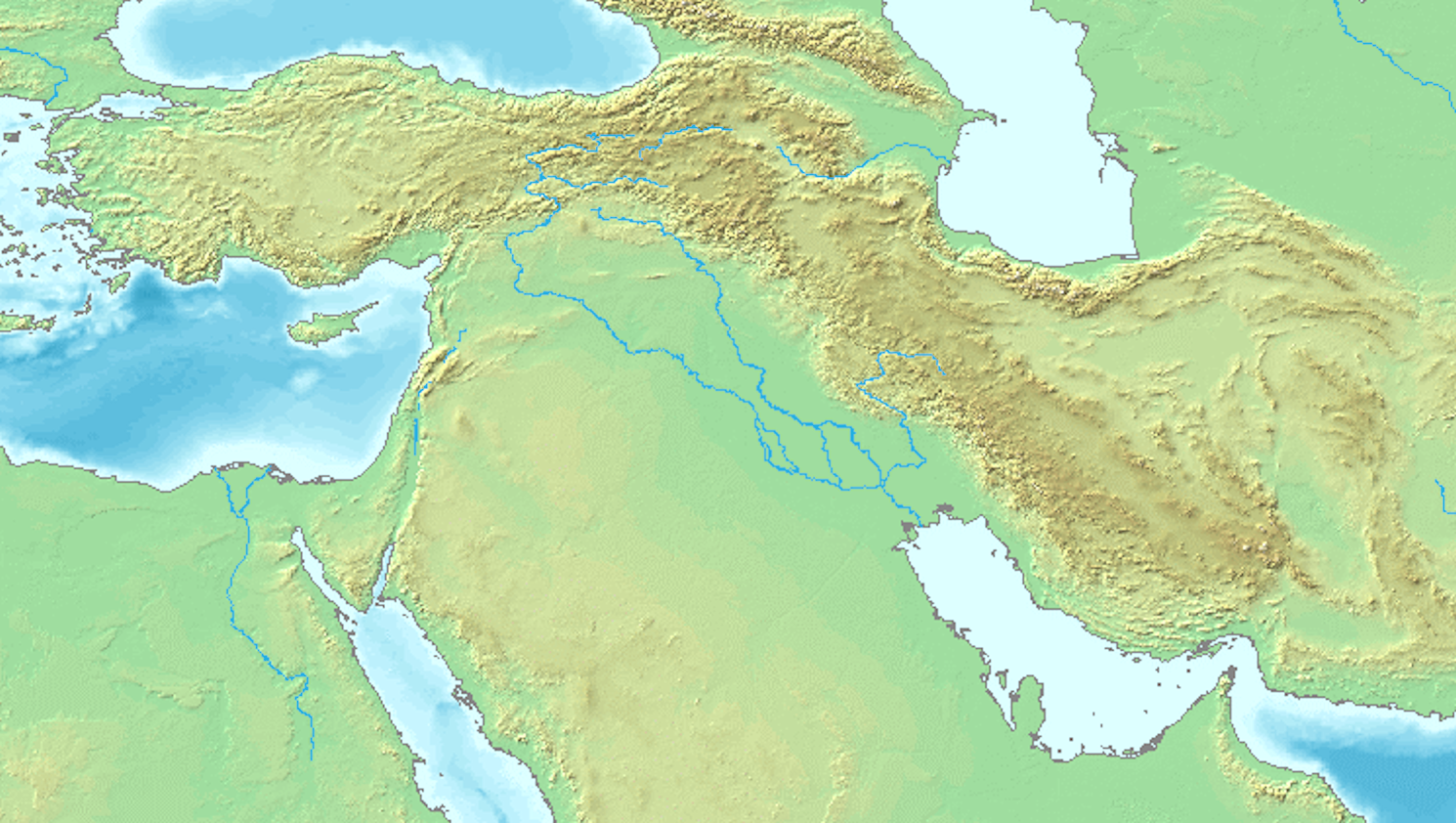
Teppe Zagheh
Early urban settlement with painted buildings.