Explore the Map
Kebar Dam
34.4700° N, 51.0128° E
About
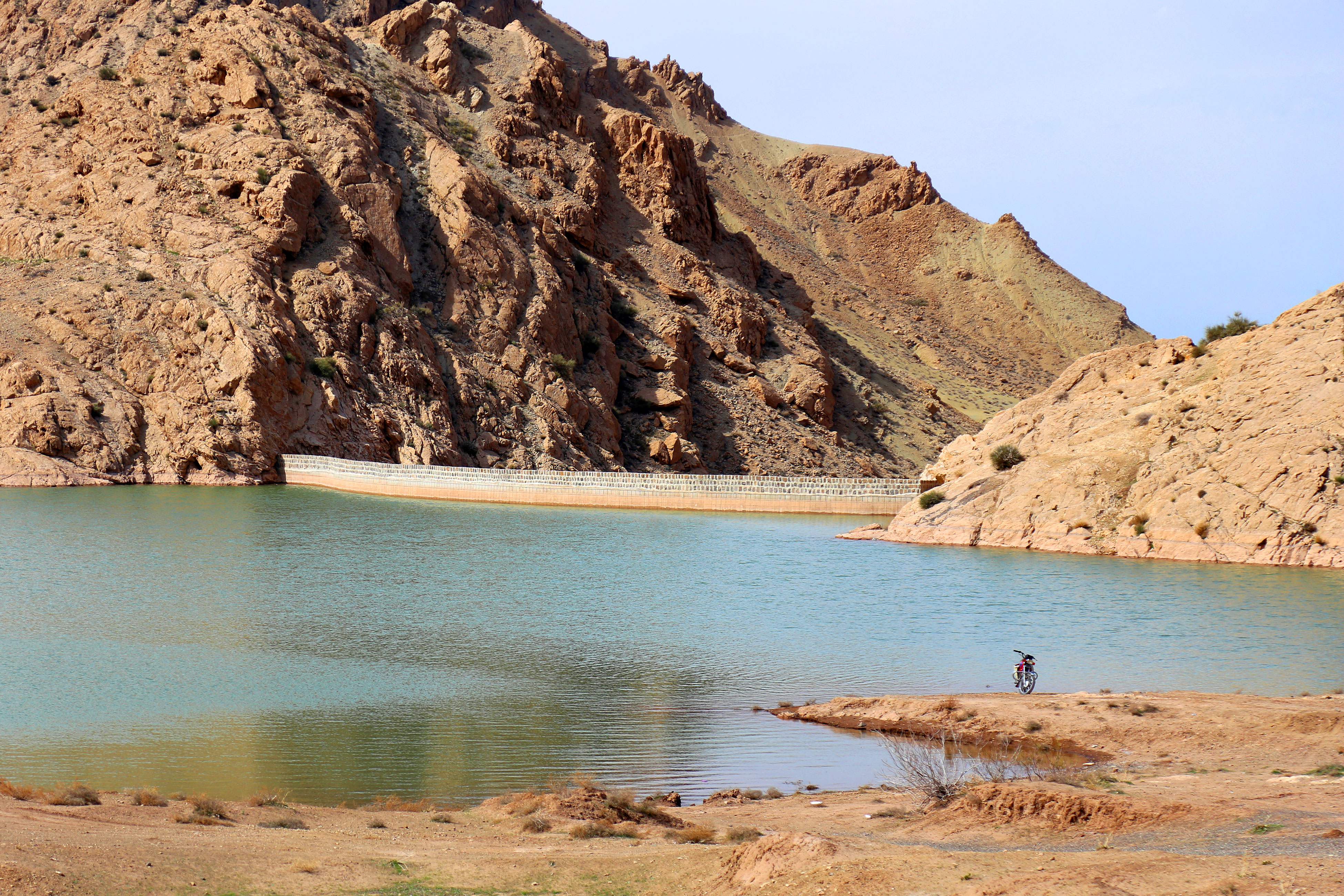
The Kebar Dam, located on the Kebar River near the town of Qom in Iran, is a significant archaeological site as it represents the oldest surviving arch dam. Constructed by the Mongolians around 1300 CE, this masonry arch dam was an innovative engineering feat of its time, showcasing early advanced water management techniques. Originally built to stand at 24 meters tall, the dam was later modified in the 17th century with an additional 2 meters to enhance its capacity for irrigation water supply. The dam features a 35-meter radius arch with a 45-degree angle, supported by wing walls that serve as abutments. Despite the reservoir being mostly filled with silt today, the structure remains a testament to the Mongolians' architectural ingenuity and their contributions to infrastructure development during the Late Post-Classical Period.
Gallery
Explore photographs of ancient structures, artifacts, and archaeological excavations

Historical Timeline
Journey through time and discover key events in this site's history
Construction of Kebar Dam
1300 CE
Height Extension
1600s CE
Archaeological Features
Unique architectural and cultural elements found at this historical site
Water Management Features
Frequently Asked Questions
Plan Your Visit
Tours, travel arrangements, and practical information
More Sites in Iran
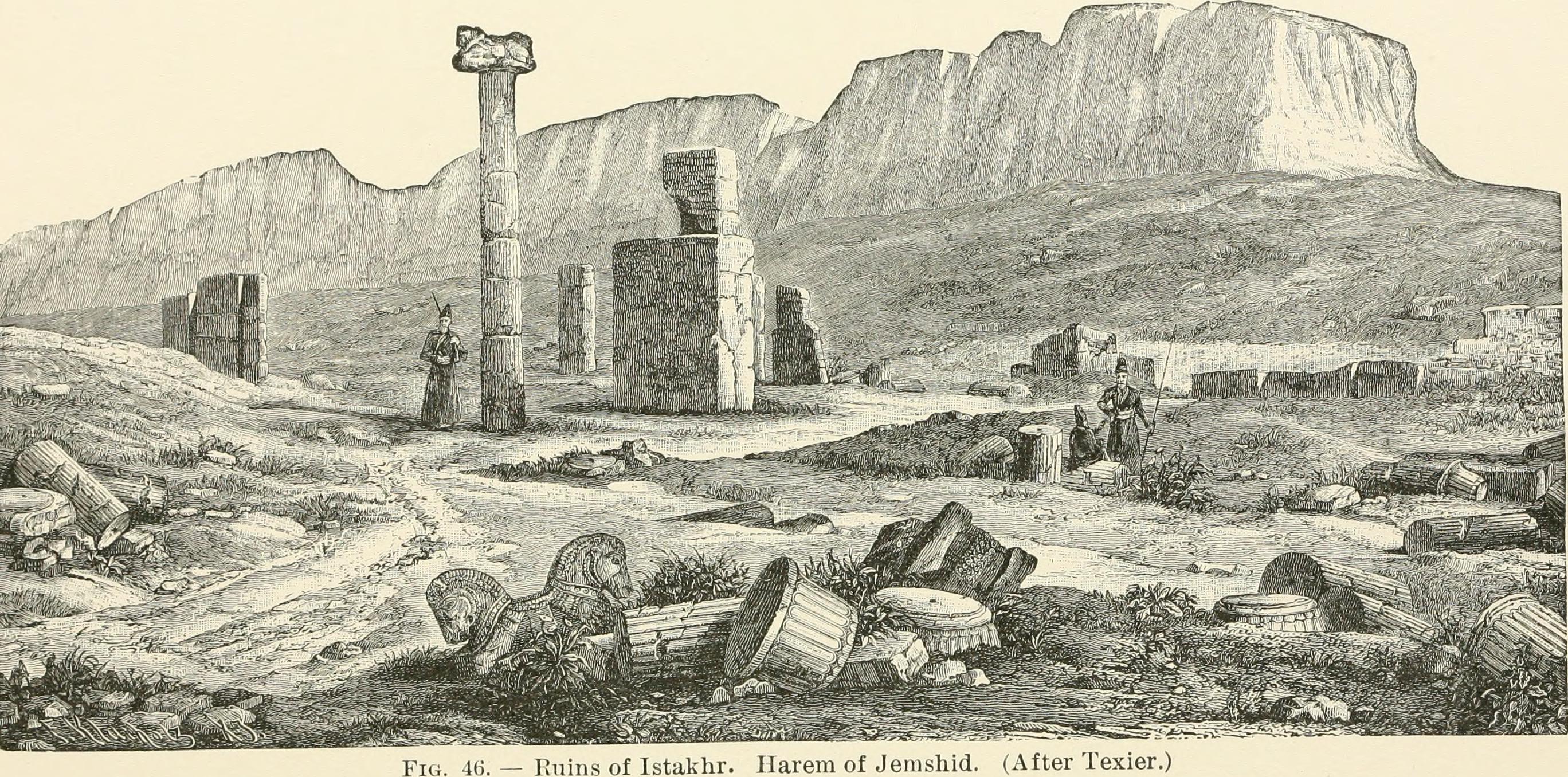
Istakhr
Ancient city with religious and defensive structures.
Tappeh Berdankan
Sasanian site with diverse pottery artifacts.
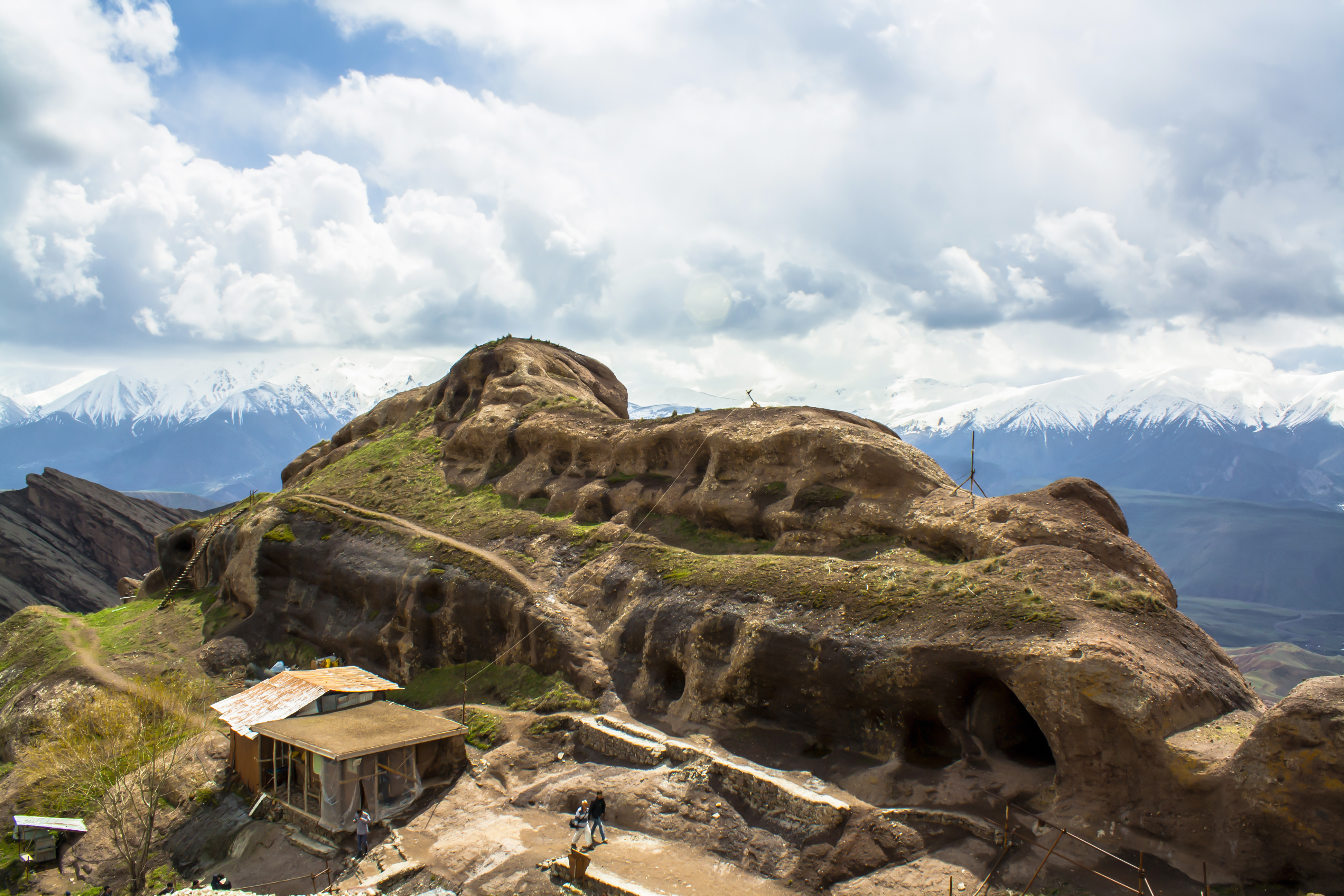
Mount Khajeh
Flat-topped basalt hill with ancient ruins
Wezmeh
Pleistocene cave site in western Iran
Chogha Golan
Aceramic Neolithic site with cultural deposits
Chia Jani
Neolithic site with obsidian bladelets.