
Time Periods
Paleolithic
Mesolithic
Neolithic
Chalcolithic
Bronze Age
Iron Age
Classical Period
Post-Classical Period
Early Modern Period
Industrial Period
Contemporary Period
Time Periods
Paleolithic
Mesolithic
Neolithic
Chalcolithic
Bronze Age
Iron Age
Classical Period
Post-Classical Period
Early Modern Period
Industrial Period
Contemporary Period
Location
About
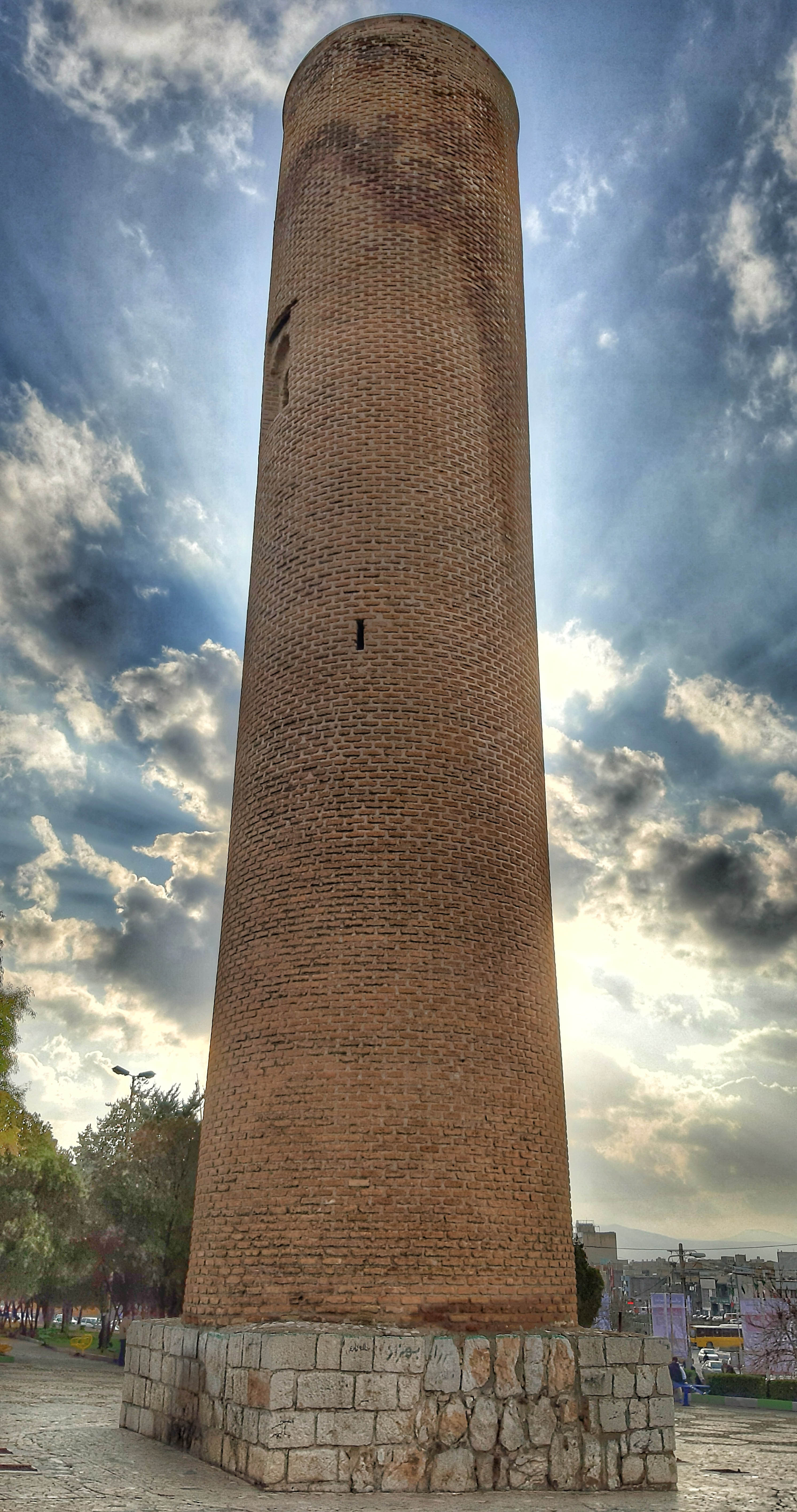
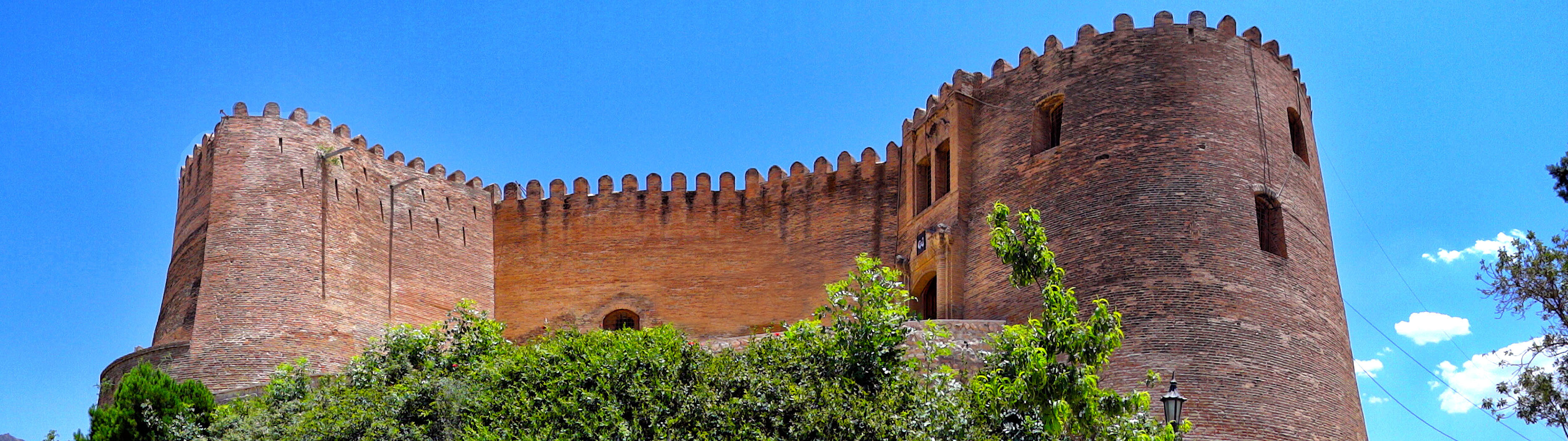
Khorramabad, nestled in the Zagros Mountains of Iran, is a city rich in historical significance. It features notable ancient structures such as the Shapoori Bridge from the Sassanid era and a Brick Minaret from the Seljuq and Buyid dynasties. These structures highlight the city’s strategic importance for defense and communication from the Late Classical to the Late Post-Classical periods. During the Safavid dynasty, Khorramabad served as an administrative center, reflecting its enduring prominence. The city was later conquered by the Ottomans in the 18th century. With its mix of defensive towers and transportation bridges, Khorramabad offers insights into the architectural and historical evolution of the region over several centuries.
Gallery
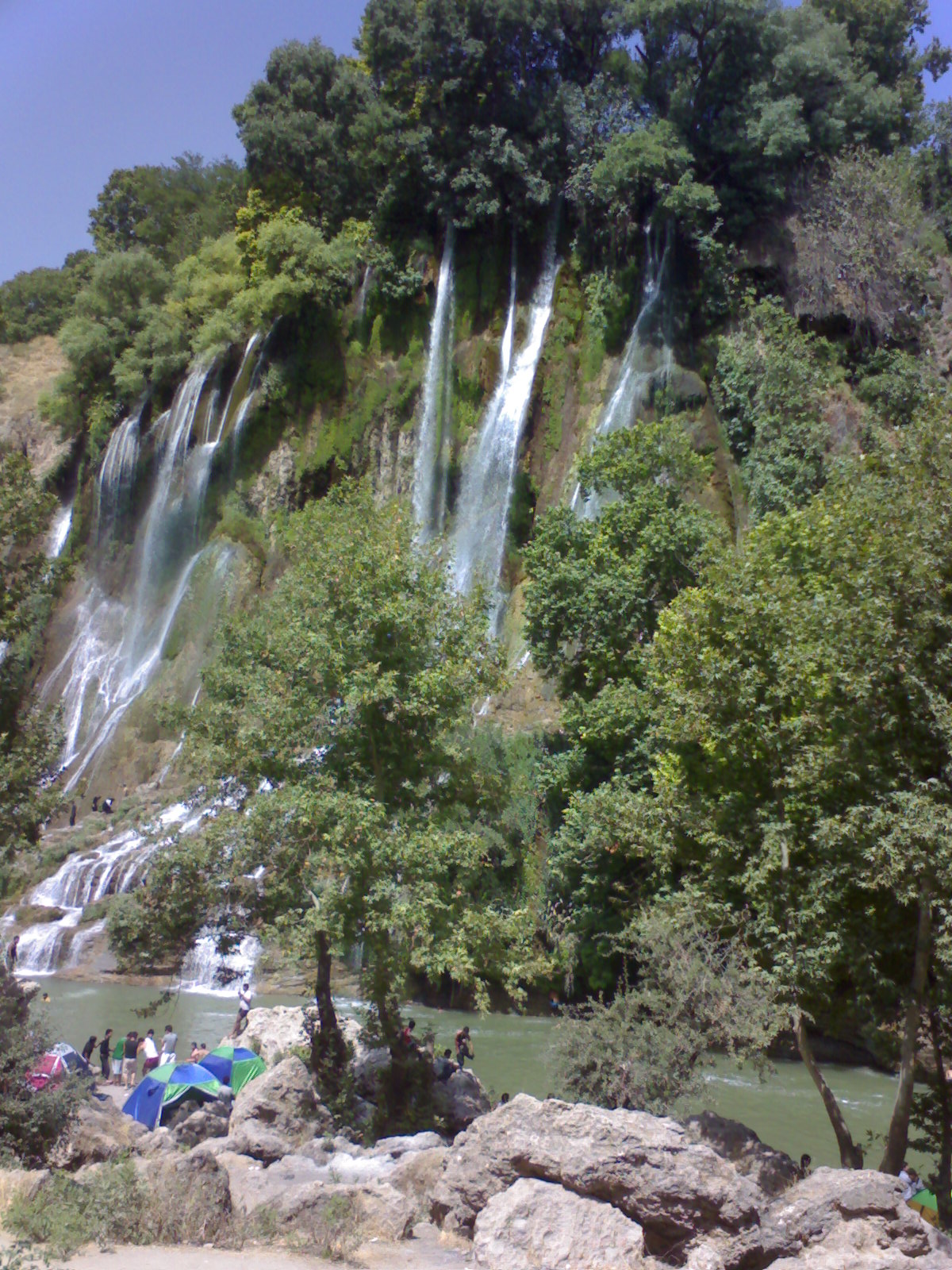
Explore photographs of ancient structures, artifacts, and archaeological excavations at Khorramabad
Archaeological Features
Explore the unique architectural and cultural elements found at this historical site
Defensive Structures
Domestic and Habitation Structures
Transportation and Communication Structures
Historical Timeline
Journey through time and discover key events in this site's archaeological history
Plan Your Visit
Details
- Country
- Iran
- Source
- Wikipedia
More Sites in Iran
Teppe Hasanlu
Ancient city with well-preserved ruins

Taq-e Bostan
Sassanid rock reliefs in Zagros Mountains
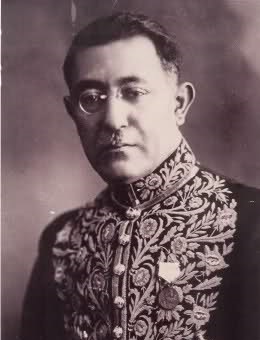
Sari, Iran
Ancient city with rich archaeological history
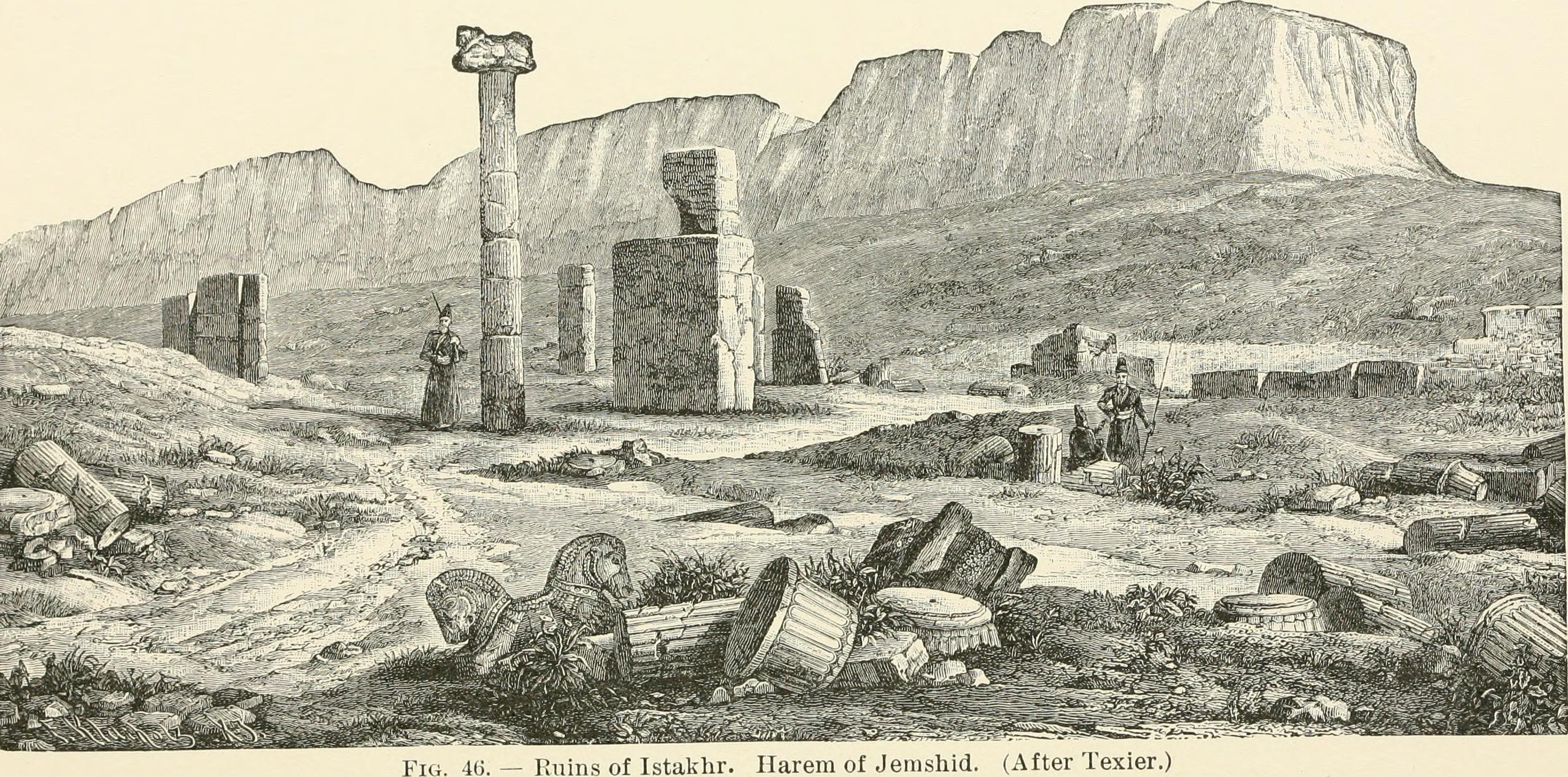
Istakhr
Ancient city with religious and defensive structures.
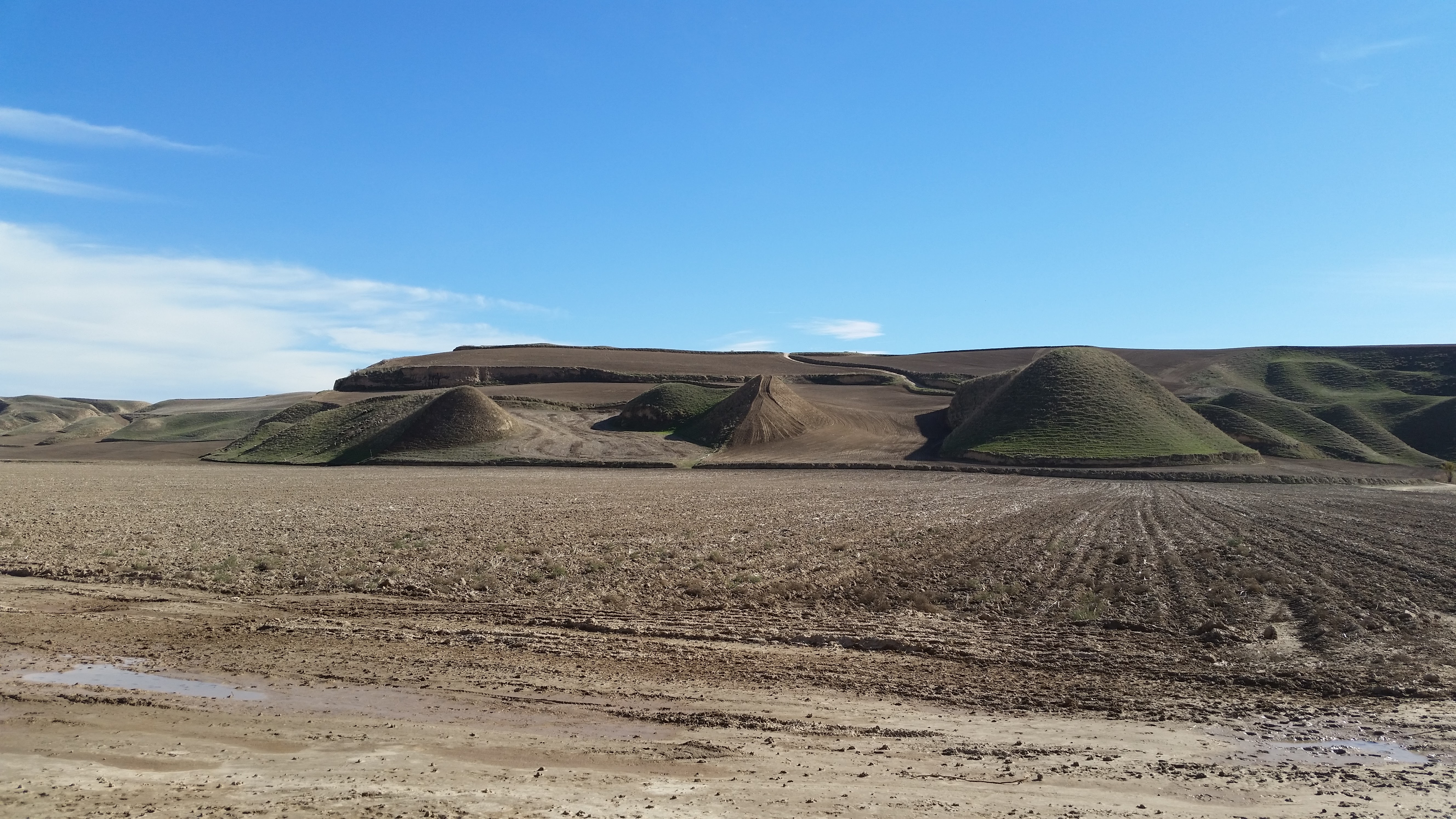
Great Wall of Gorgan
Sasanian-era defensive wall in Iran
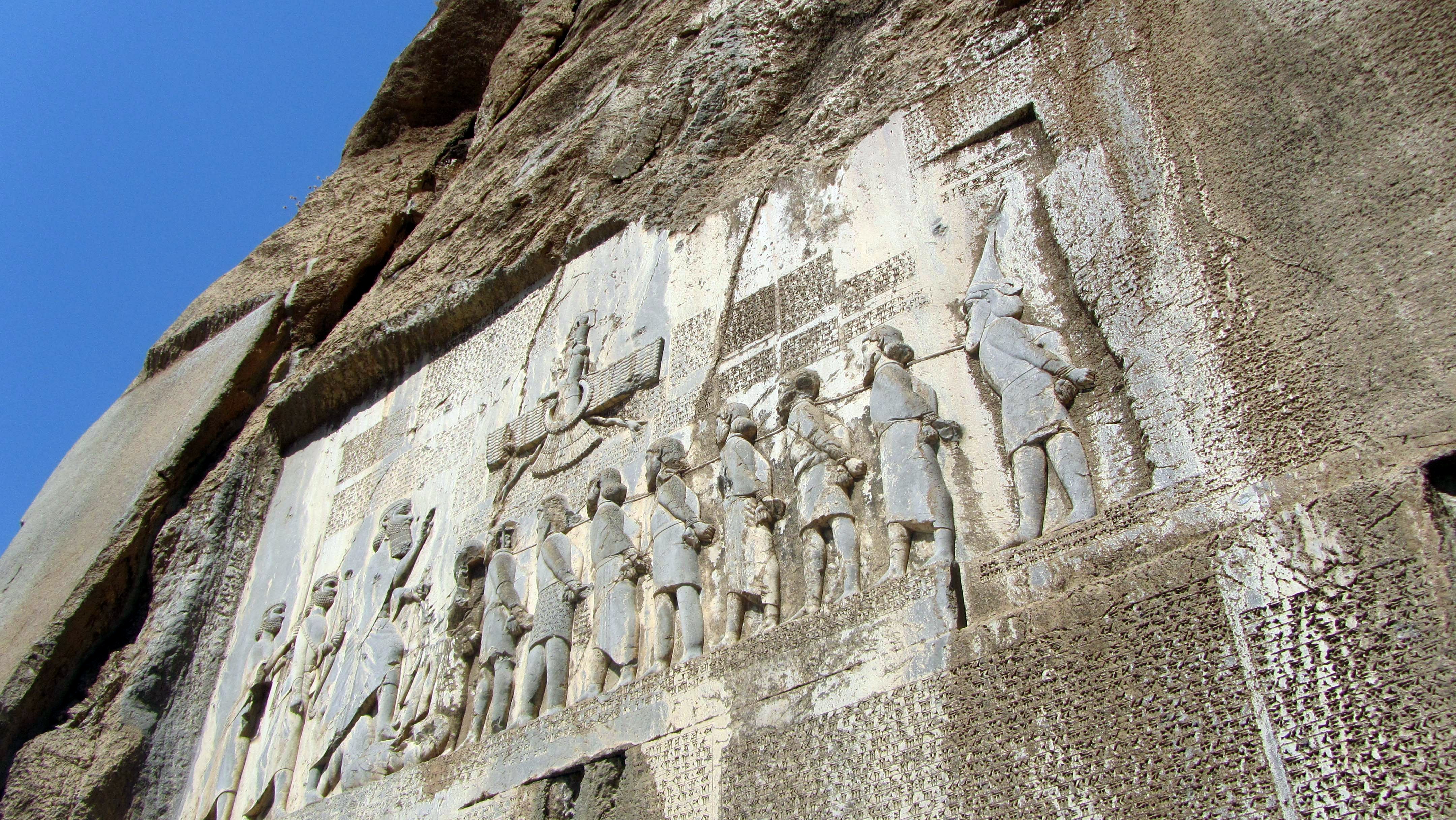
Mount Behistun
Mountain with ancient multilingual inscription