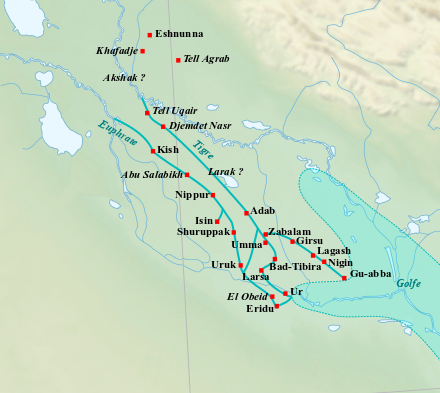
Explore the Map
Abu Salabikh
32.2667° N, 45.0833° E
About
The archaeological site of Abu Salabikh in Iraq is a notable Sumerian city that thrived from the Neolithic through the late 3rd millennium BCE. Situated northwest of ancient Nippur, the site consists of three mounds, with the main Early Dynastic mound surrounded by a defensive wall. The city, connected culturally to Kish, Mari, and Ebla, is characterized by its rectilinear urban planning evident from Early Dynastic times. Abu Salabikh is significant for yielding around 500 tablets, including some of the earliest Sumerian literature, such as the Instructions of Shuruppak. The site also features remnants of an Early Dynastic palace and a temple. Notably, the city experienced decline when the Euphrates River shifted its course, leading to abandonment.
Gallery
Explore photographs of ancient structures, artifacts, and archaeological excavations
Historical Timeline
Journey through time and discover key events in this site's history
Neolithic Occupation
6000 BCE
Uruk Period Settlement
3500 BCE
Early Dynastic City
2800 BCE
Cultural Decline
2100 BCE
Archaeological Features
Unique architectural and cultural elements found at this historical site
Defensive Structures
Religious and Ritual Structures
Domestic and Habitation Structures
Environmental and Natural Features
Frequently Asked Questions
Plan Your Visit
Tours, travel arrangements, and practical information
More Sites in Iraq
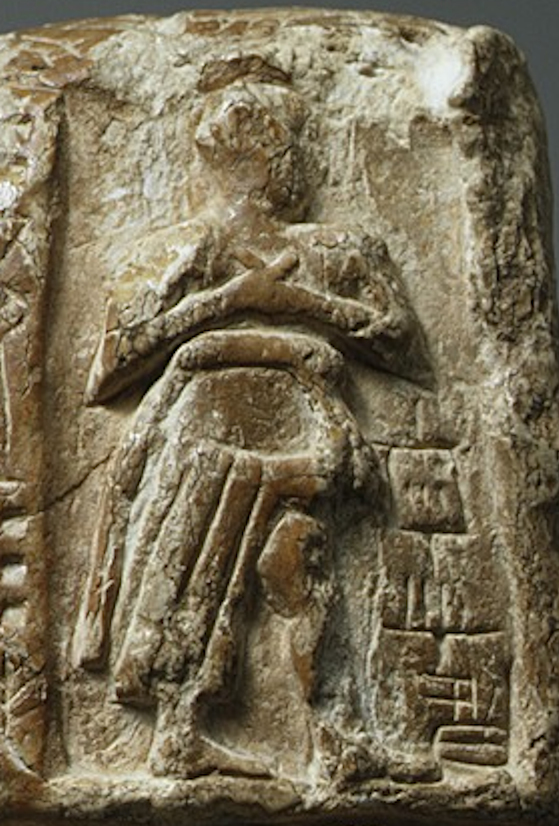
Larsa
Sumerian city-state and temple complex, Isin–Larsa period
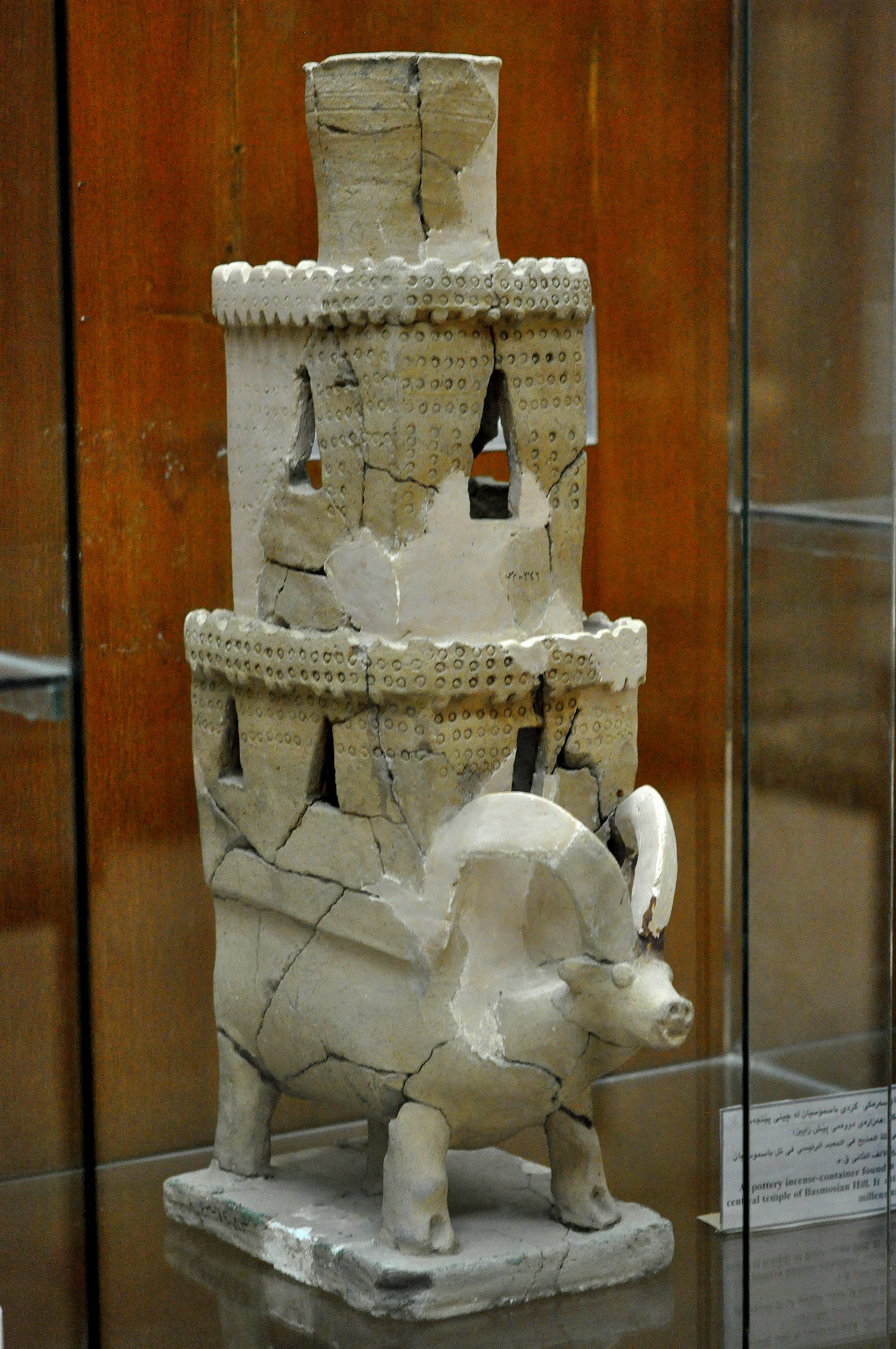
Tell Bazmusian
Large tell site with multi-period occupation.
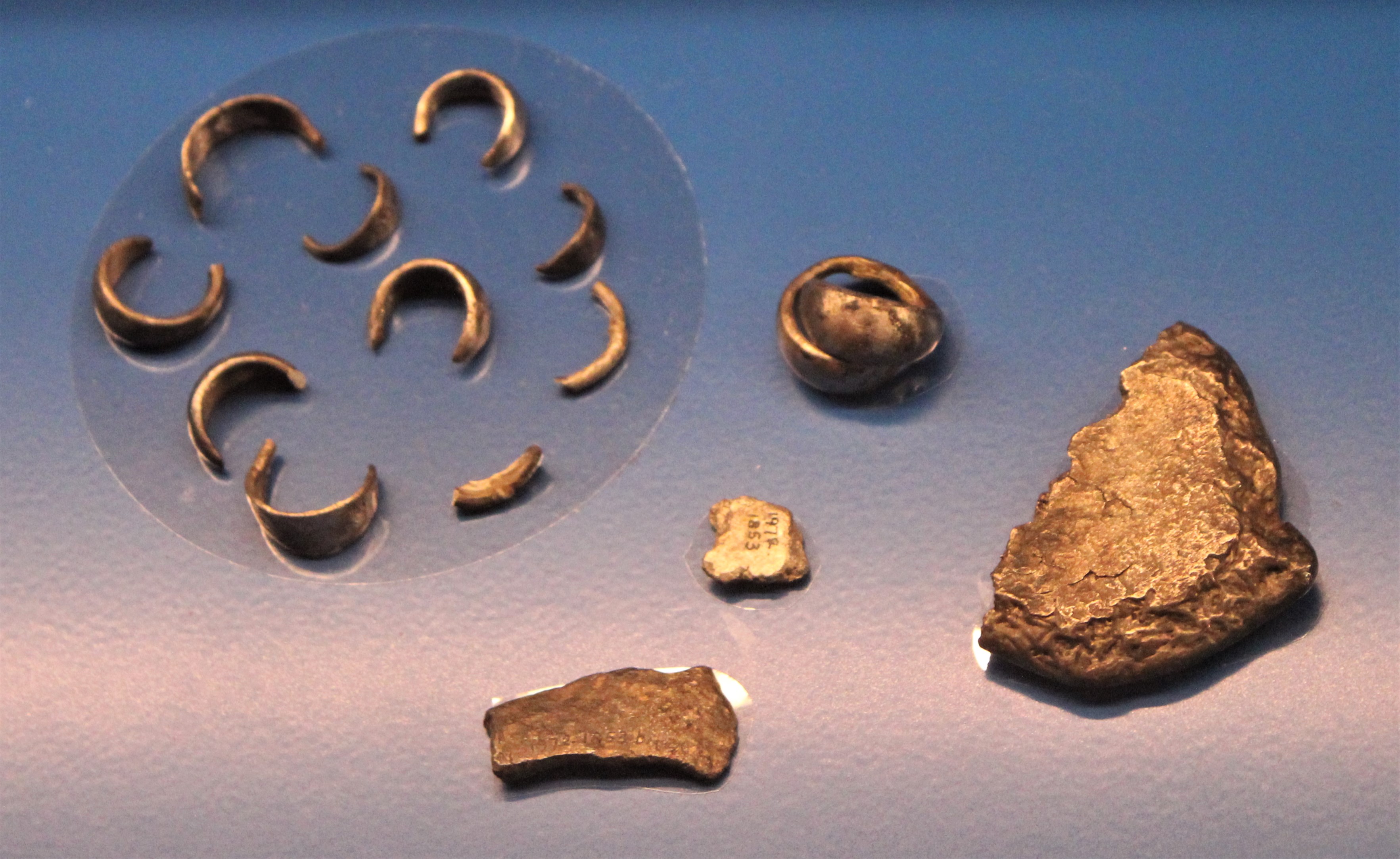
Tell Taya
Ancient hill city with fortifications and artifacts.
Tell al-Lahm
Oblong mound with city wall remnants
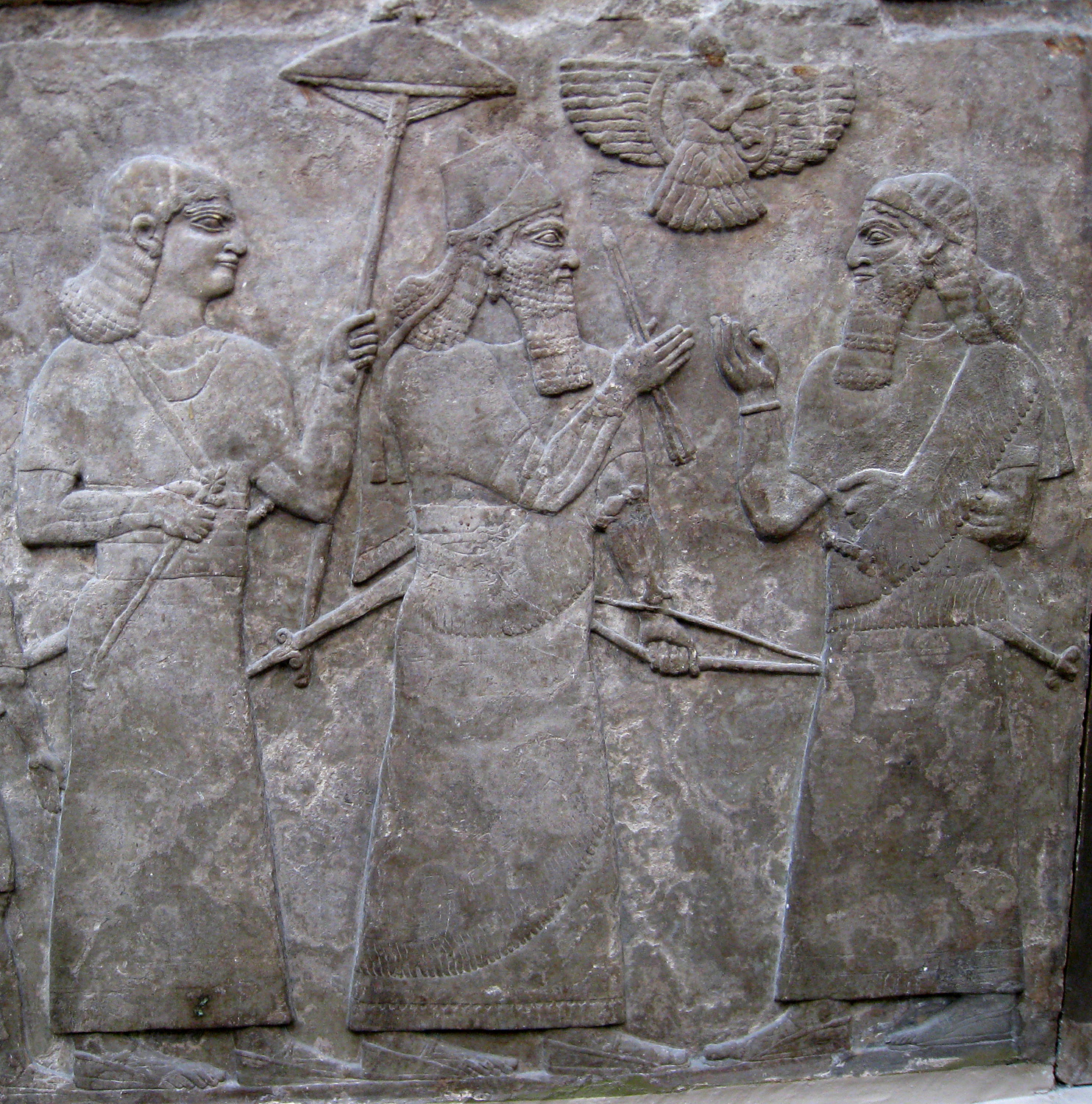
Assur
Ancient Assyrian city on the Tigris River
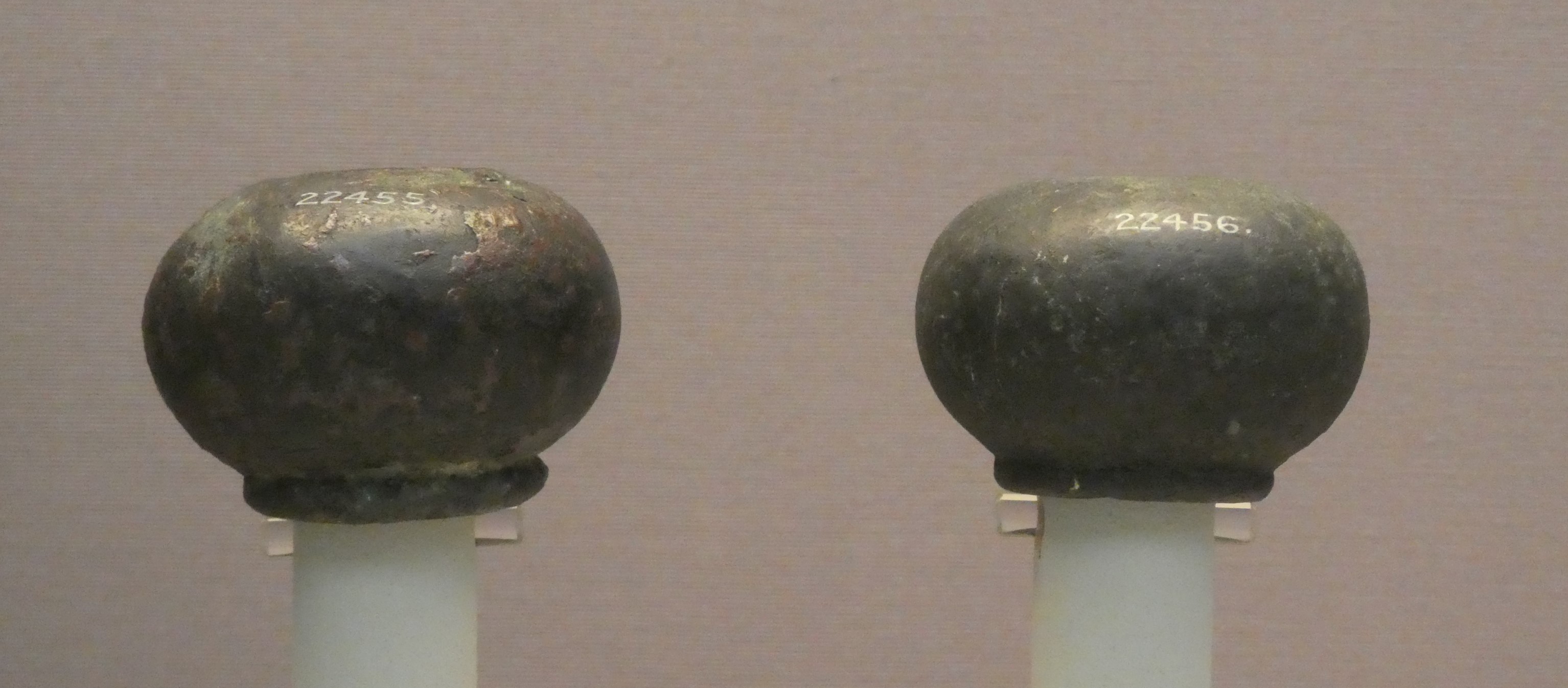
Tell Muhammad
Ancient site with fortifications and tablets