Explore the Map
Adab (city)
31.9469° N, 45.9689° E
About
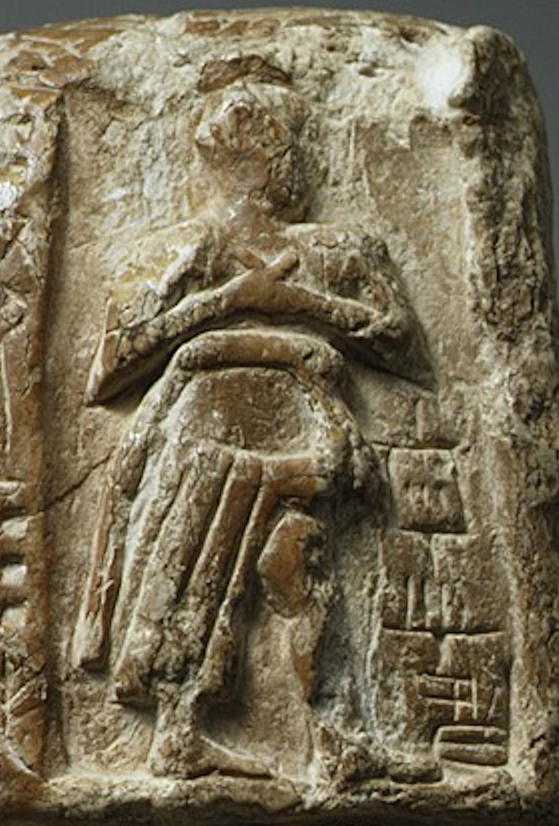
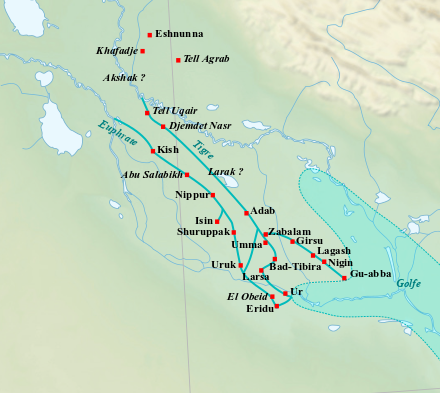
Adab, an ancient Sumerian city located at present-day Bismaya in Iraq, was a significant urban center during the Early Dynastic, Akkadian, and Ur III periods, stretching into the Kassite period. The site, characterized by numerous mounds, was fortified with a double wall and featured significant religious structures, including temples dedicated to deities like Inanna and Ninhursag. The city also had a ziggurat and an extensive canal system, suggesting sophisticated water management. Its archaeological significance is underscored by discoveries of inscribed tablets and artifacts that provide insights into Sumerian civilization. Despite extensive looting, Adab's historical and cultural layers reveal its importance in ancient Mesopotamian history.
Gallery
Explore photographs of ancient structures, artifacts, and archaeological excavations

Historical Timeline
Journey through time and discover key events in this site's history
Early Dynastic Period Occupation
2900 BCE to 2400 BCE
Akkadian Empire Rule
2300 BCE
Ur III Empire Period
2100 BCE
Kassite Period Occupation
1375 BCE
Archaeological Features
Unique architectural and cultural elements found at this historical site
Defensive Structures
Water Management Features
Religious and Ritual Structures
Artistic and Decorative Features
Domestic and Habitation Structures
Environmental and Natural Features
Frequently Asked Questions
Plan Your Visit
Tours, travel arrangements, and practical information
More Sites in Iraq
Tell Khoshi
Oval walled city with two mounds.
Tell Yelkhi
Oval mound with Kassite and earlier remains.
Tell Taya
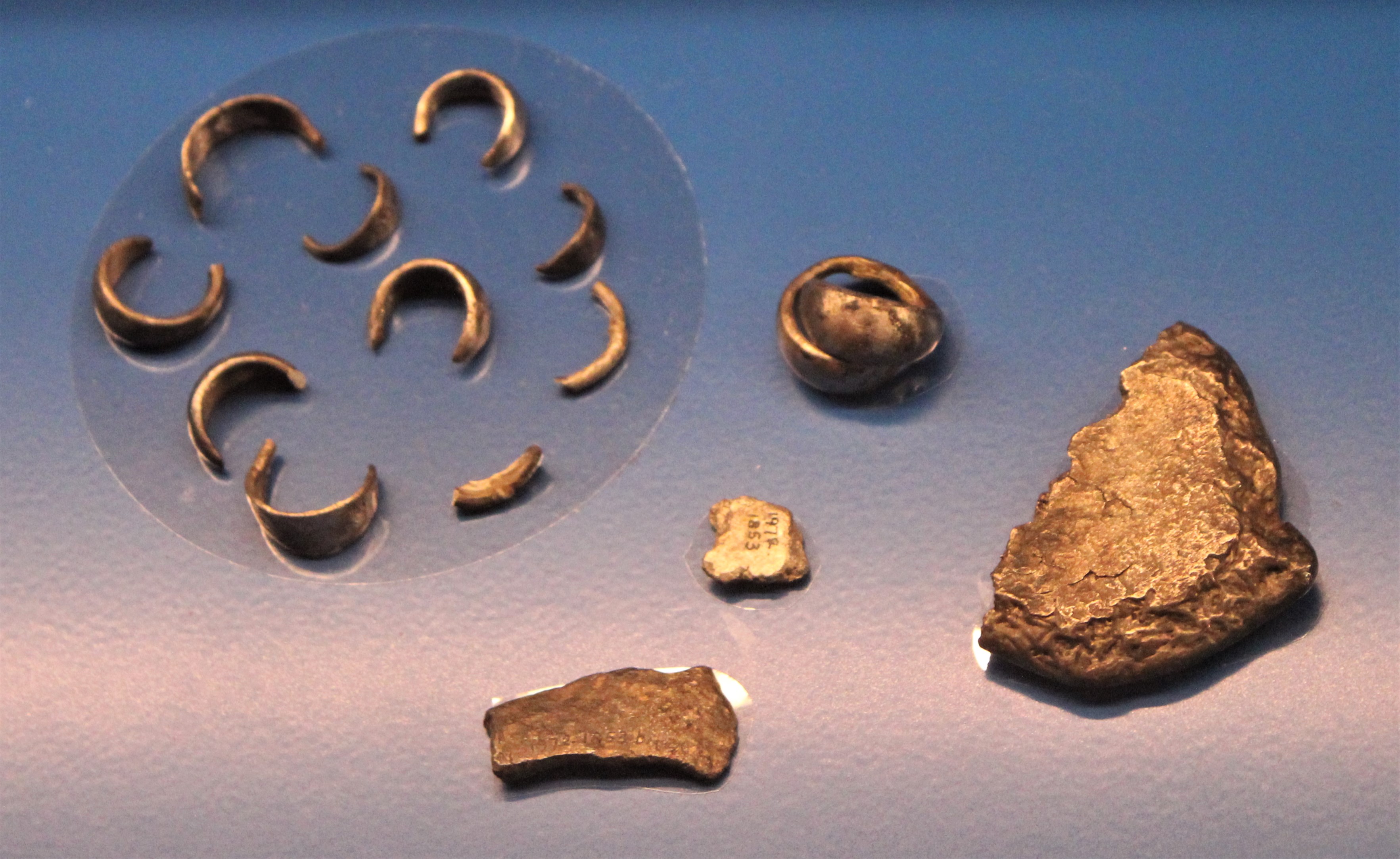
Ancient hill city with fortifications and artifacts.
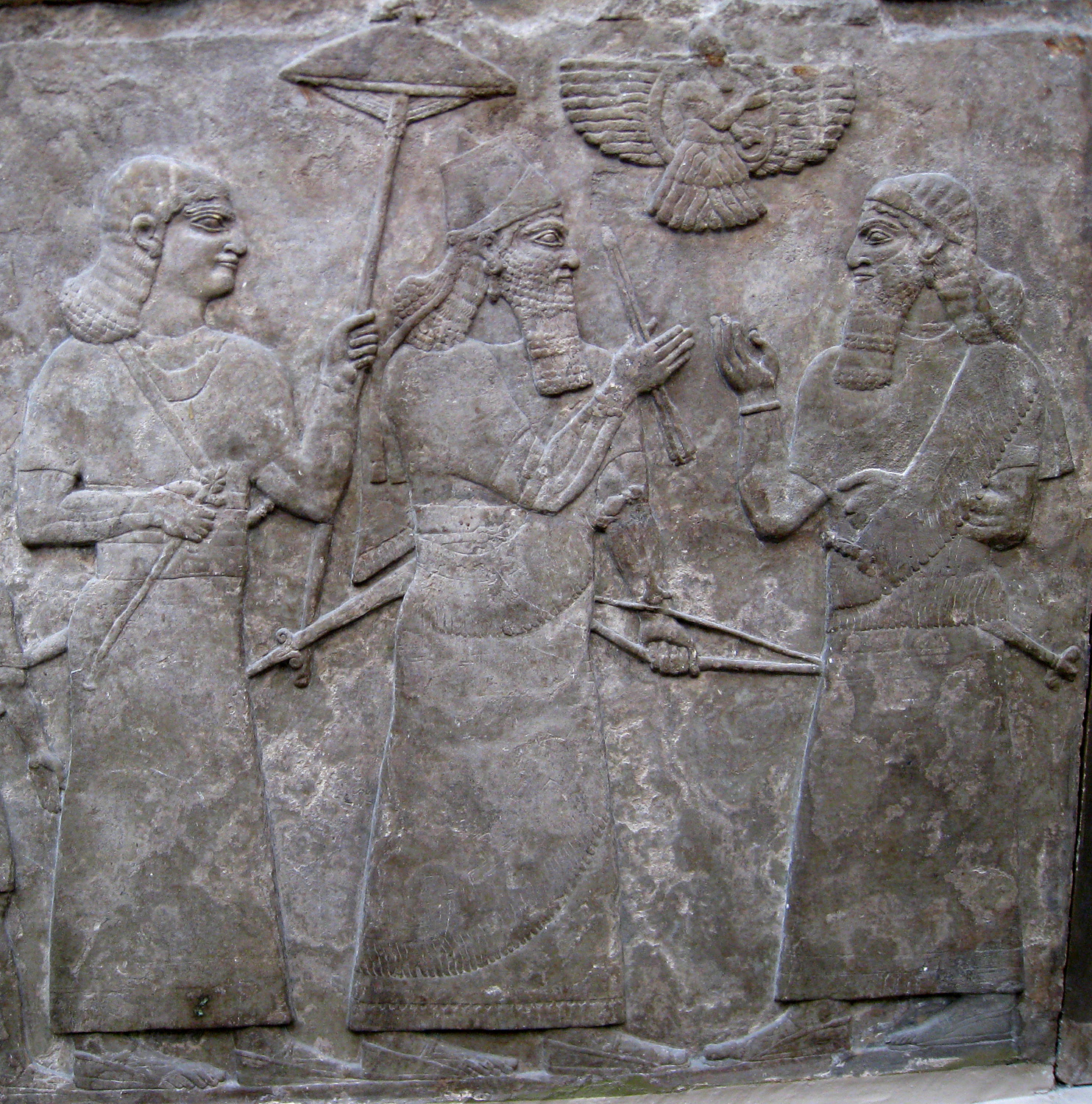
Assur
Ancient Assyrian city on the Tigris River
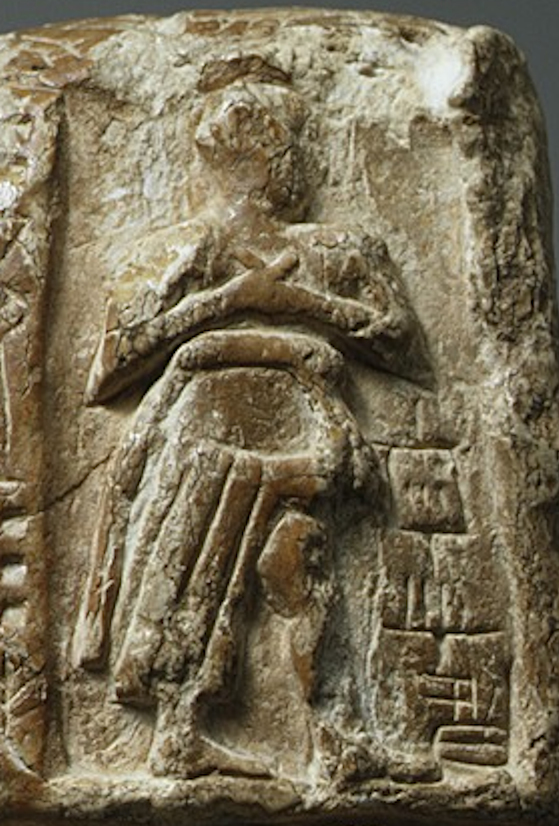
Larsa
Sumerian city-state and temple complex, Isin–Larsa period
Tarbisu
Ancient Assyrian city with palaces and temples