Explore the Map
Dur-Sharrukin
36.5094° N, 43.2294° E
About
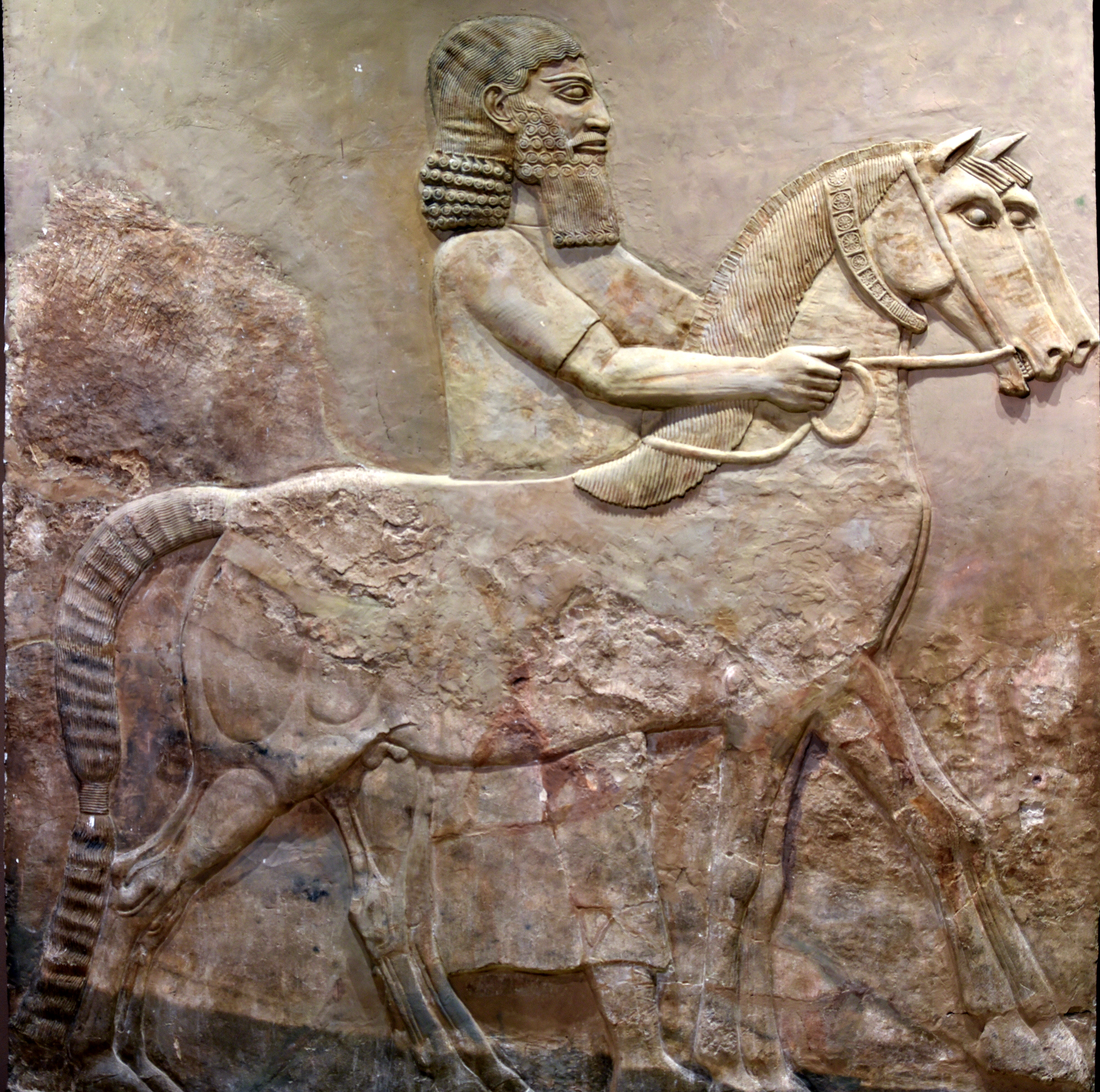
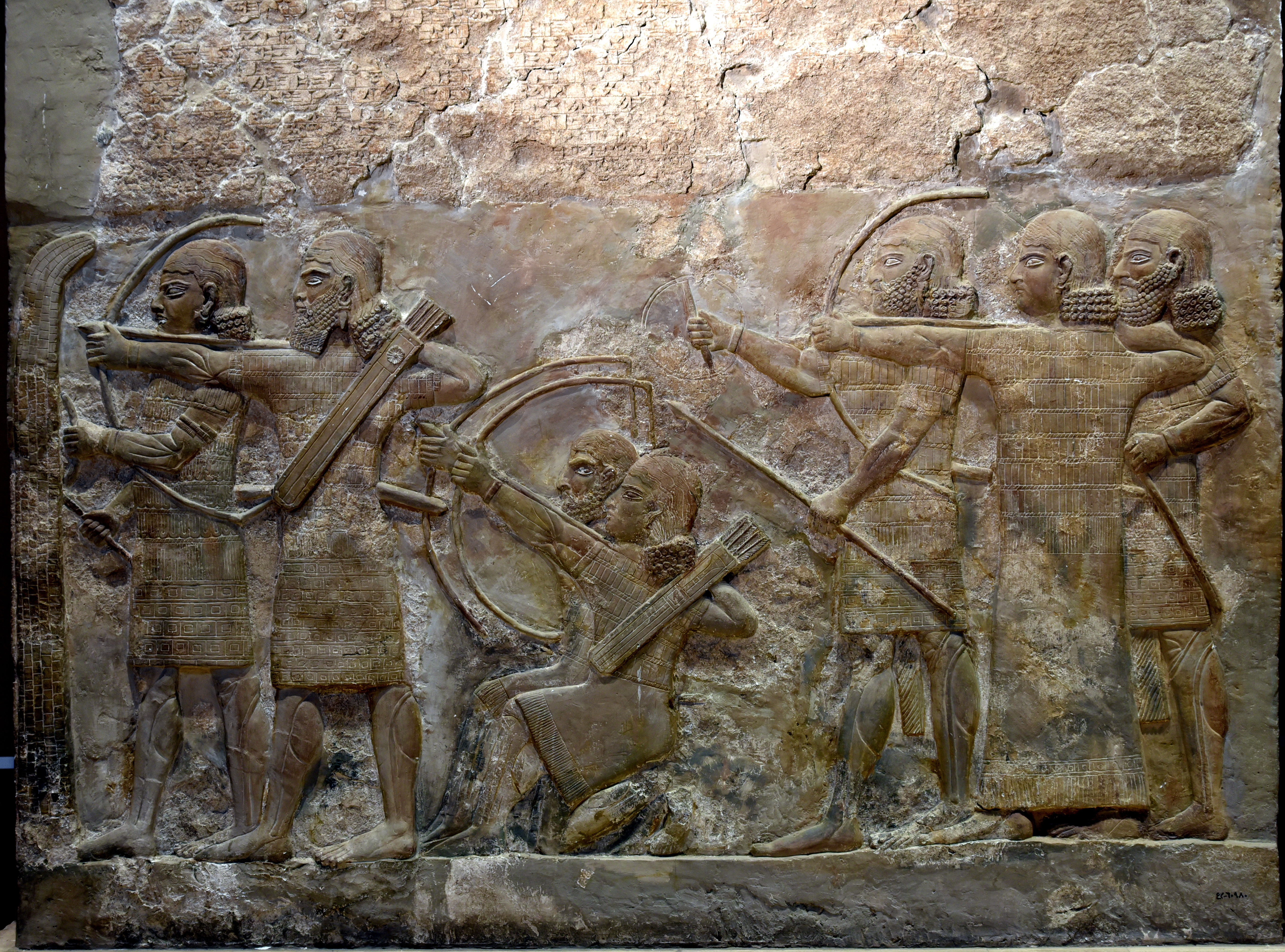
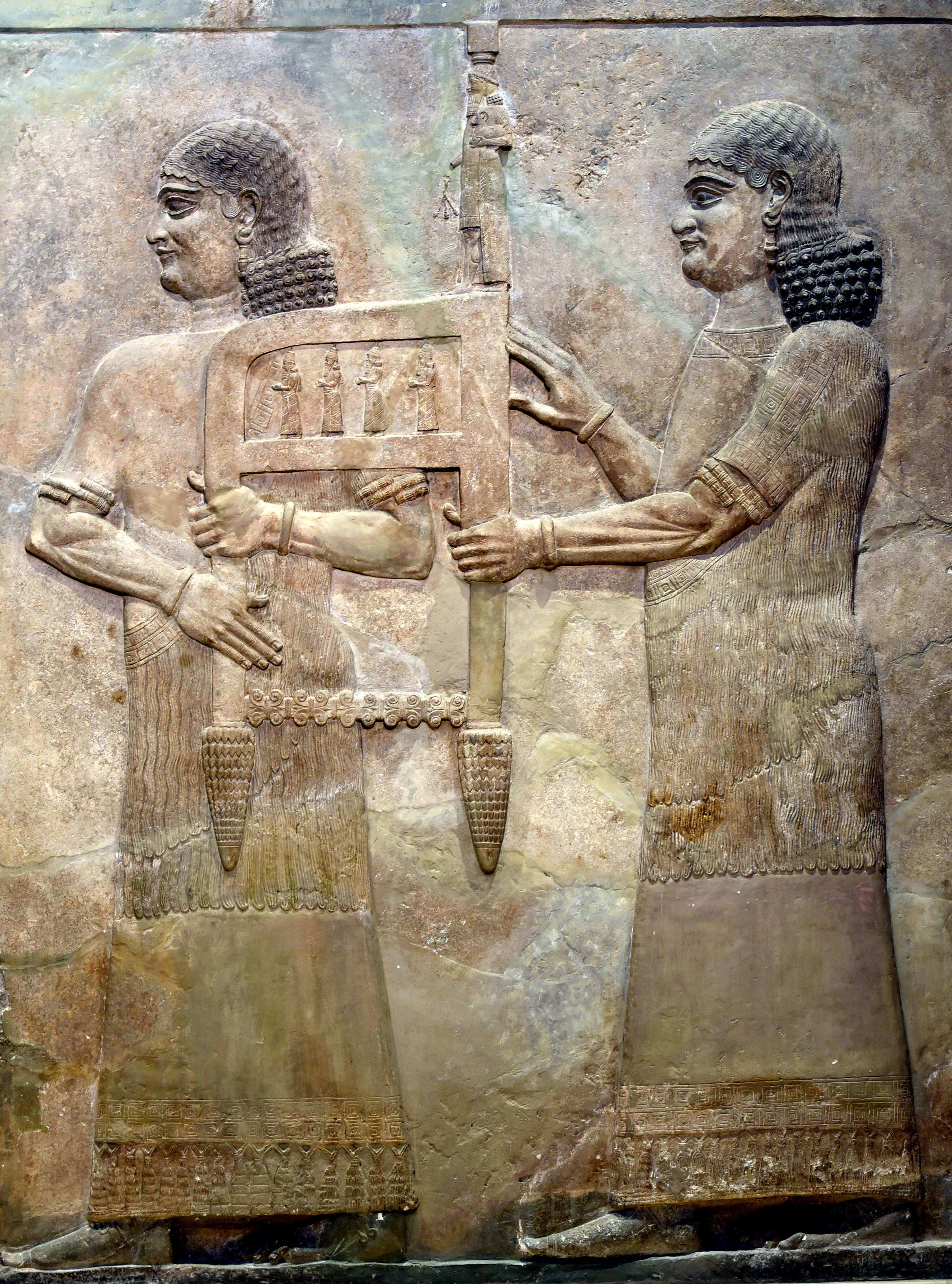
Dur-Sharrukin, also known as Fortress of Sargon, was a significant Neo-Assyrian city constructed under the reign of Sargon II between 722 BCE and 706 BCE. Located near present-day Khorsabad in northern Iraq, the city's strategic design included massive defensive walls, 157 protective towers, and seven gates. It was a hub of religious activity, with temples dedicated to several Mesopotamian deities and a unique ziggurat featuring a helical ramp. The city's architecture and art, including intricate reliefs and colossal statues, reflect the grandeur of the Assyrian Empire. Despite its ambitious construction, the city was abandoned after Sargon II's death and the subsequent shift of the capital to Nineveh. Its archaeological significance lies in its well-preserved structures, offering insights into Assyrian art and urban planning.
Gallery
Explore photographs of ancient structures, artifacts, and archaeological excavations
Historical Timeline
Journey through time and discover key events in this site's history
Construction of Dur-Sharrukin
722 BCE to 706 BCE
Sargon II's Death
705 BCE
Relocation of Capital to Nineveh
705 BCE
Abandonment of Dur-Sharrukin
7th century BCE
Archaeological Features
Unique architectural and cultural elements found at this historical site
Defensive Structures
Religious and Ritual Structures
Artistic and Decorative Features
Agricultural and Land Use Features
Domestic and Habitation Structures
Frequently Asked Questions
Plan Your Visit
Tours, travel arrangements, and practical information
More Sites in Iraq
Tell al-Lahm
Oblong mound with city wall remnants
Tell Yelkhi
Oval mound with Kassite and earlier remains.
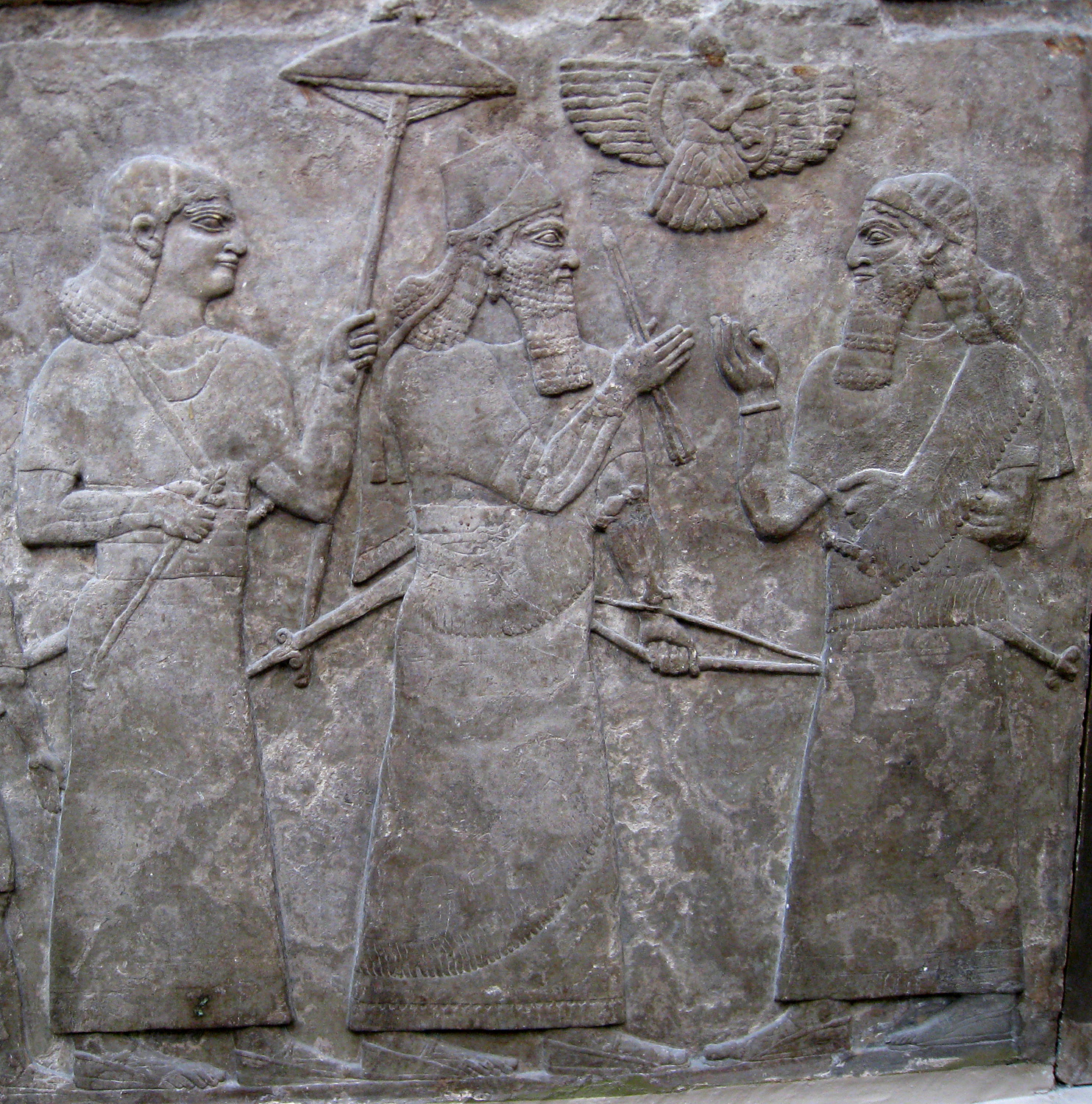
Assur
Ancient Assyrian city on the Tigris River
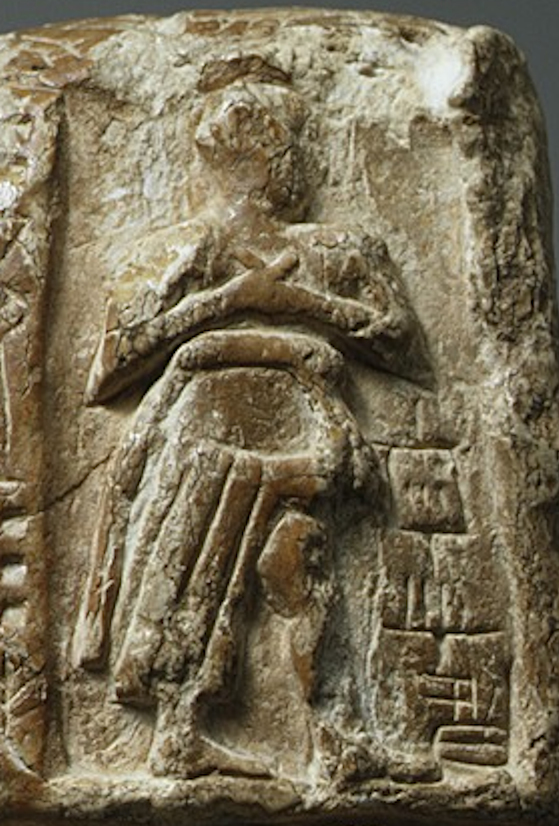
Larsa
Sumerian city-state and temple complex, Isin–Larsa period
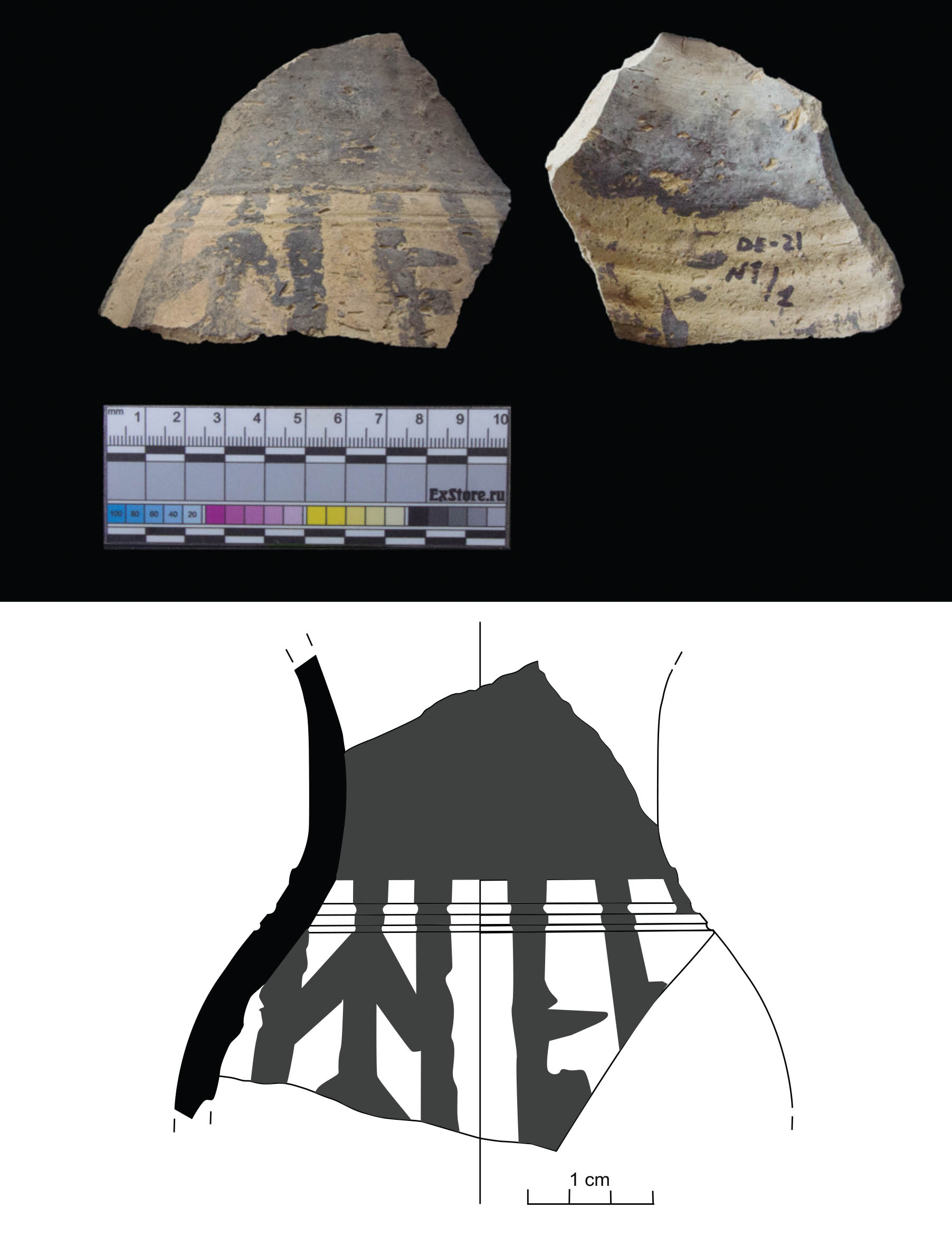
Tell Dehaila
Ancient tell site with mudbrick structures
Tarbisu
Ancient Assyrian city with palaces and temples