Explore the Map
Isin
31.8850° N, 45.2686° E
About
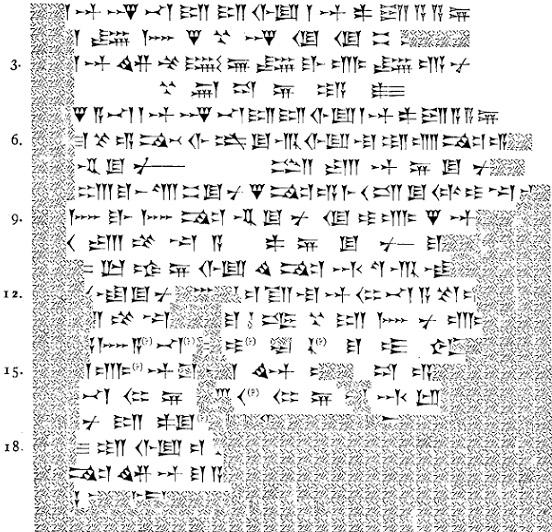
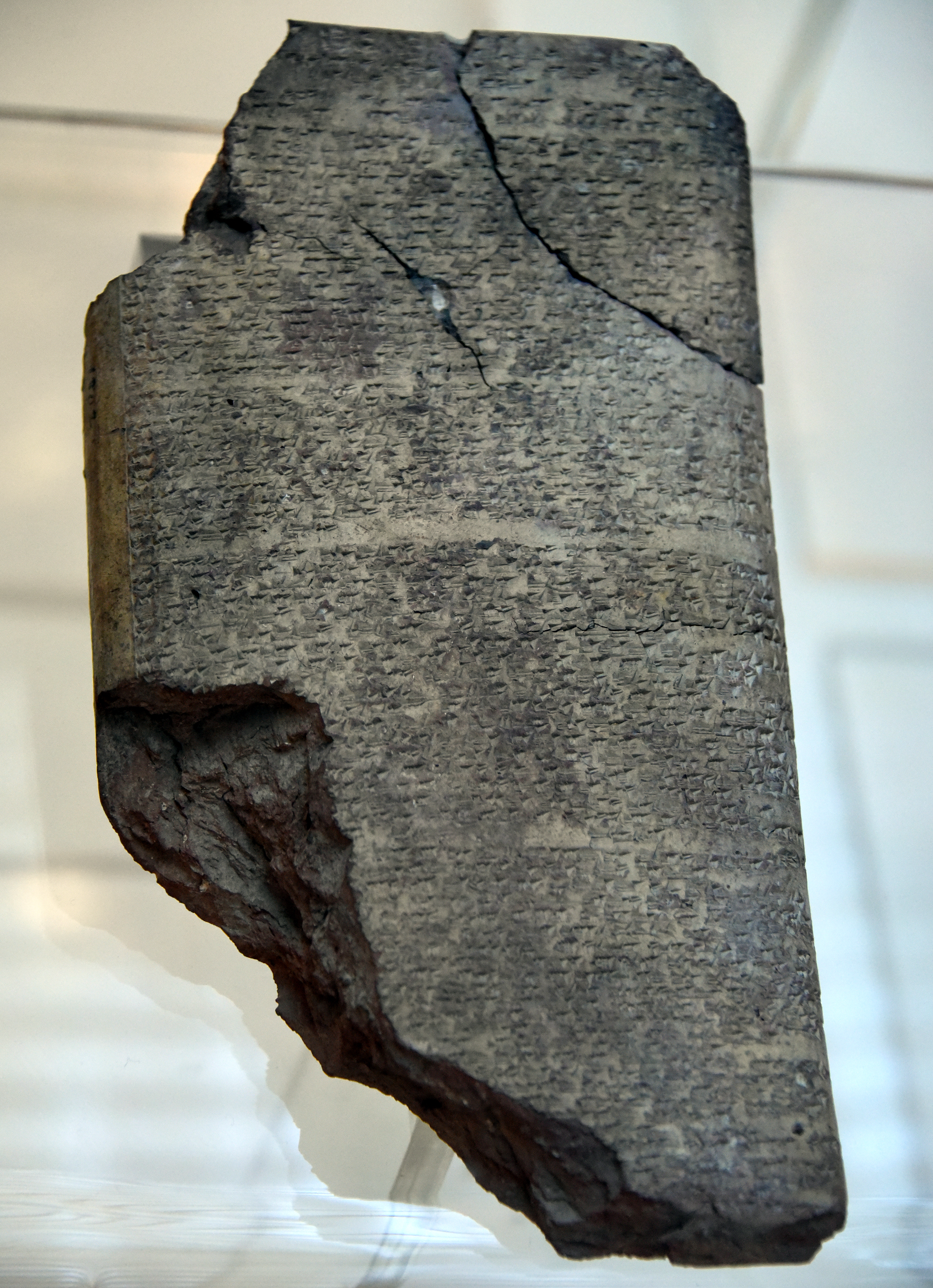
Isin is an archaeological site located in Al-Qādisiyyah Governorate, Iraq, known for its long history of occupation from the late 4th millennium BCE until at least the late 1st millennium BCE. The site spans an area of approximately 150 hectares and includes significant features such as defensive walls, temples dedicated to the goddess Gula, and various artifacts like cuneiform tablets and inscribed bricks. Isin played a critical role during various periods, including the Early Dynastic, Akkadian Empire, and the Ur III empire. The site witnessed significant cultural and political changes, notably during the First Dynasty of Isin and under Kassite and Neo-Babylonian influences. It offers valuable insights into the ancient civilizations of Mesopotamia, their religious practices, and political dynamics.
Gallery
Explore photographs of ancient structures, artifacts, and archaeological excavations
Historical Timeline
Journey through time and discover key events in this site's history
Ubaid period occupation
4000 BCE
Early Dynastic period significance
3000 BCE
Akkadian Empire presence
2200 BCE
Ur III empire building
2100 BCE
First Dynasty of Isin
2000 BCE
Babylon captures Isin
1800 BCE
Kassite period revival
1500 BCE
Neo-Babylonian period
600 BCE
Archaeological Features
Unique architectural and cultural elements found at this historical site
Defensive Structures
Burial and Funerary Structures
Religious and Ritual Structures
Domestic and Habitation Structures
Frequently Asked Questions
Plan Your Visit
Tours, travel arrangements, and practical information
More Sites in Iraq
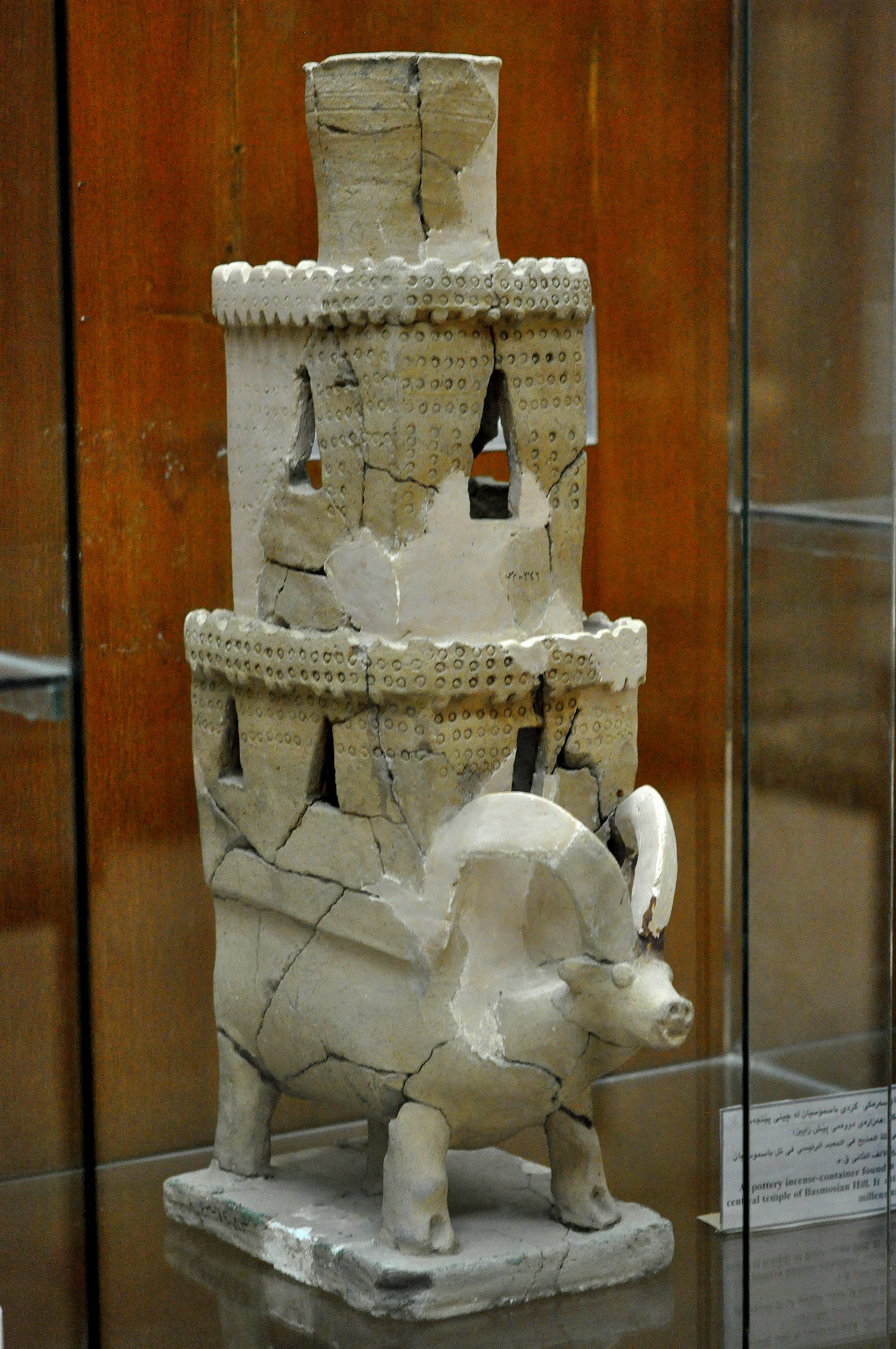
Tell Bazmusian
Large tell site with multi-period occupation.
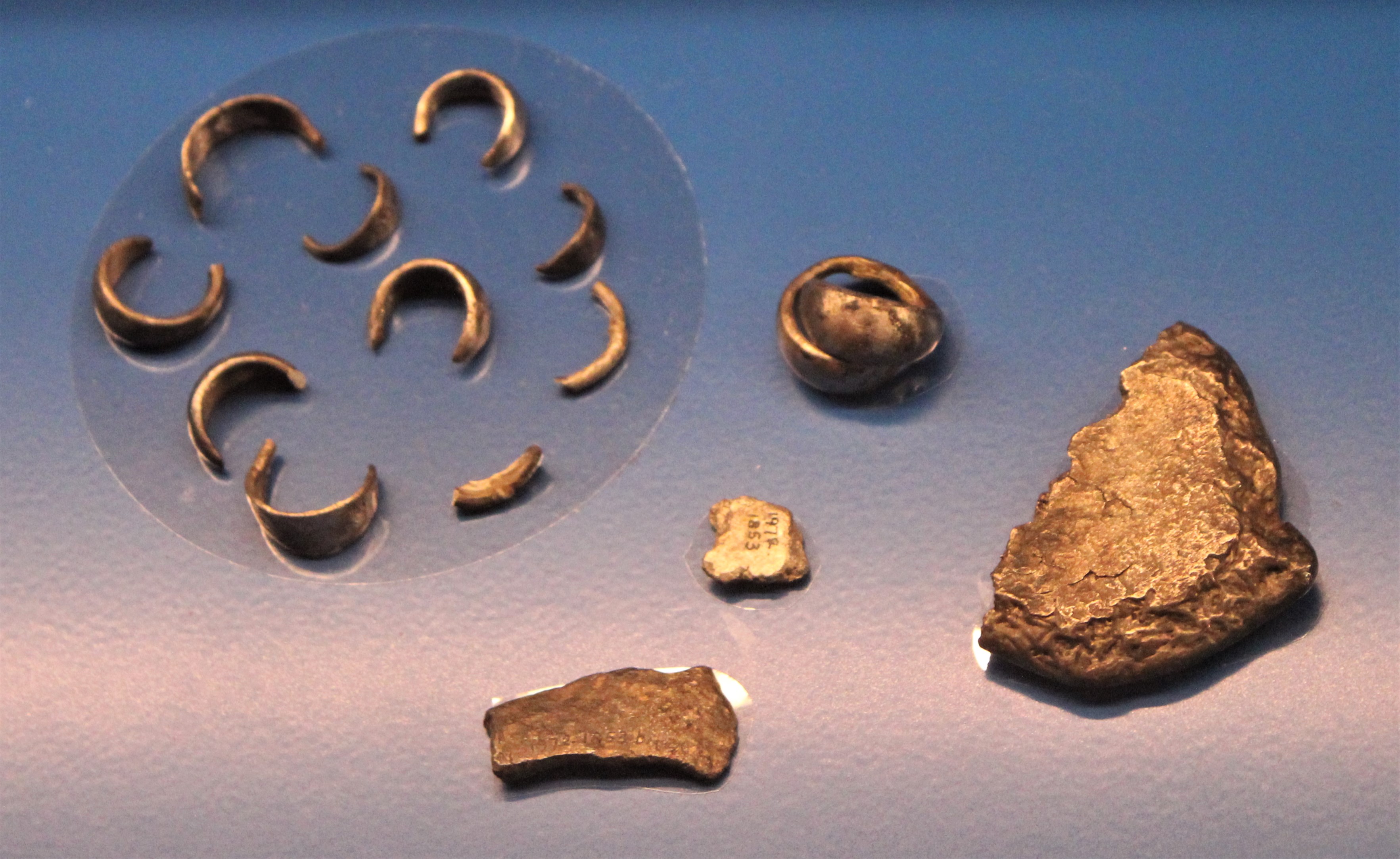
Tell Taya
Ancient hill city with fortifications and artifacts.
Tell al-Lahm
Oblong mound with city wall remnants
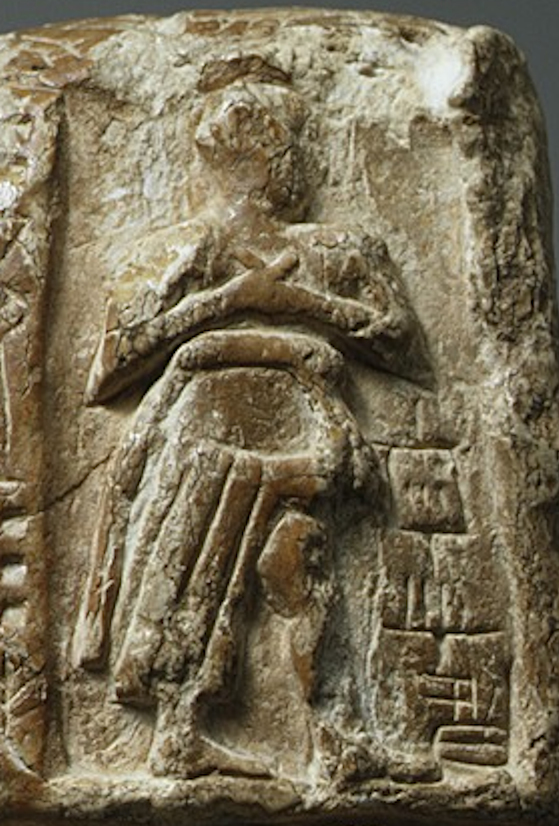
Larsa
Sumerian city-state and temple complex, Isin–Larsa period
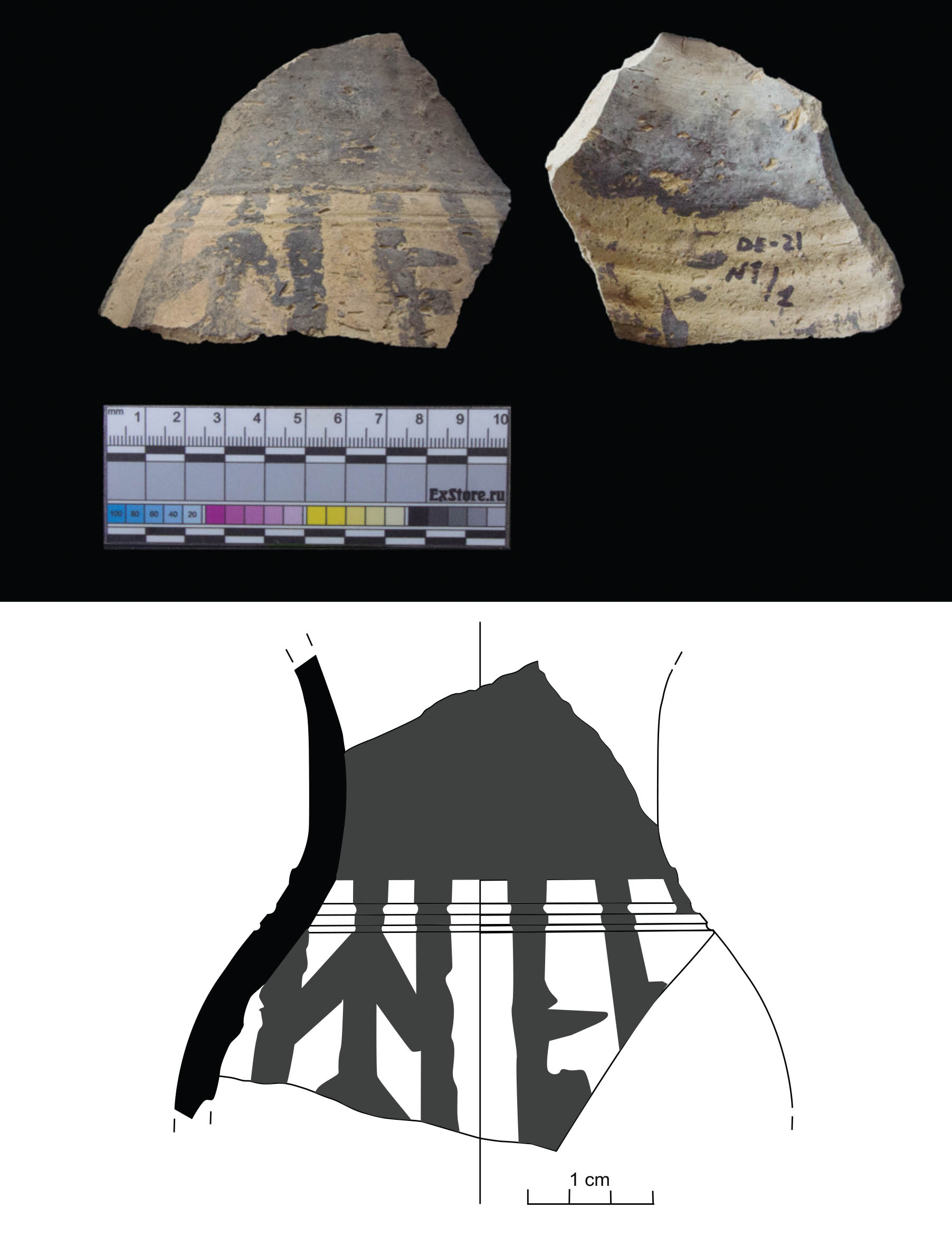
Tell Dehaila
Ancient tell site with mudbrick structures
Tarbisu
Ancient Assyrian city with palaces and temples