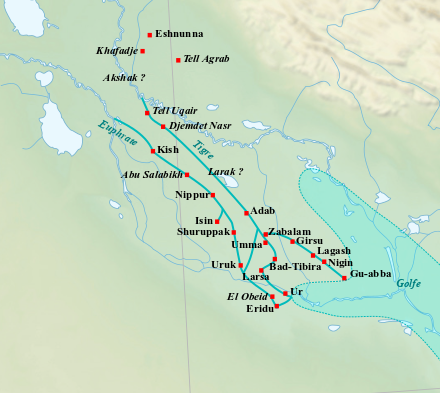
Explore the Map
Zabala (Sumer)
31.7433° N, 45.8767° E
About
Zabala, an ancient city of Sumer, stood at the intersection of the Iturungal and Ninagina canals northwest of Umma in present-day Iraq. Known for its dedication to the goddess Inanna, the city features prominently in periods of ancient Mesopotamian history. Its earliest mentions date back to the Jemdet Nasr period, with control shifting through significant rulers like Lugalzagesi and later the Akkadian Empire. The site boasts a rich history of religious and ritual structures, particularly temples, alongside inscriptions indicative of its cultural and administrative significance. Throughout its history, Zabala was a nexus of political power shifts, marking its role in the broader tapestry of Mesopotamian civilization.
Gallery
Explore photographs of ancient structures, artifacts, and archaeological excavations
Historical Timeline
Journey through time and discover key events in this site's history
Jemdet Nasr Period Seal Mentions
3000 BCE
Lugalzagesi Control
2300 BCE
Akkadian Rebellion
2200 BCE
Shar-kali-sharri and Naram-Sin Temple Building
2100 BCE
Isin Control
2000 BCE
Larsa Control
1900 BCE
Hammurabi Temple Construction
1700 BCE
Archaeological Features
Unique architectural and cultural elements found at this historical site
Water Management Features
Religious and Ritual Structures
Artistic and Decorative Features
Domestic and Habitation Structures
Frequently Asked Questions
Plan Your Visit
Tours, travel arrangements, and practical information
More Sites in Iraq
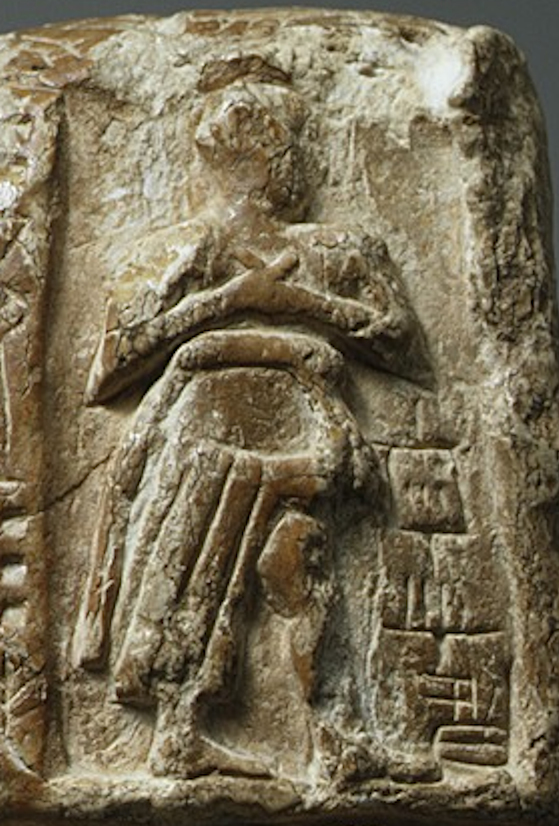
Larsa
Sumerian city-state and temple complex, Isin–Larsa period
Tell Taya
Ancient hill city with fortifications and artifacts.
Tell al-Lahm
Oblong mound with city wall remnants
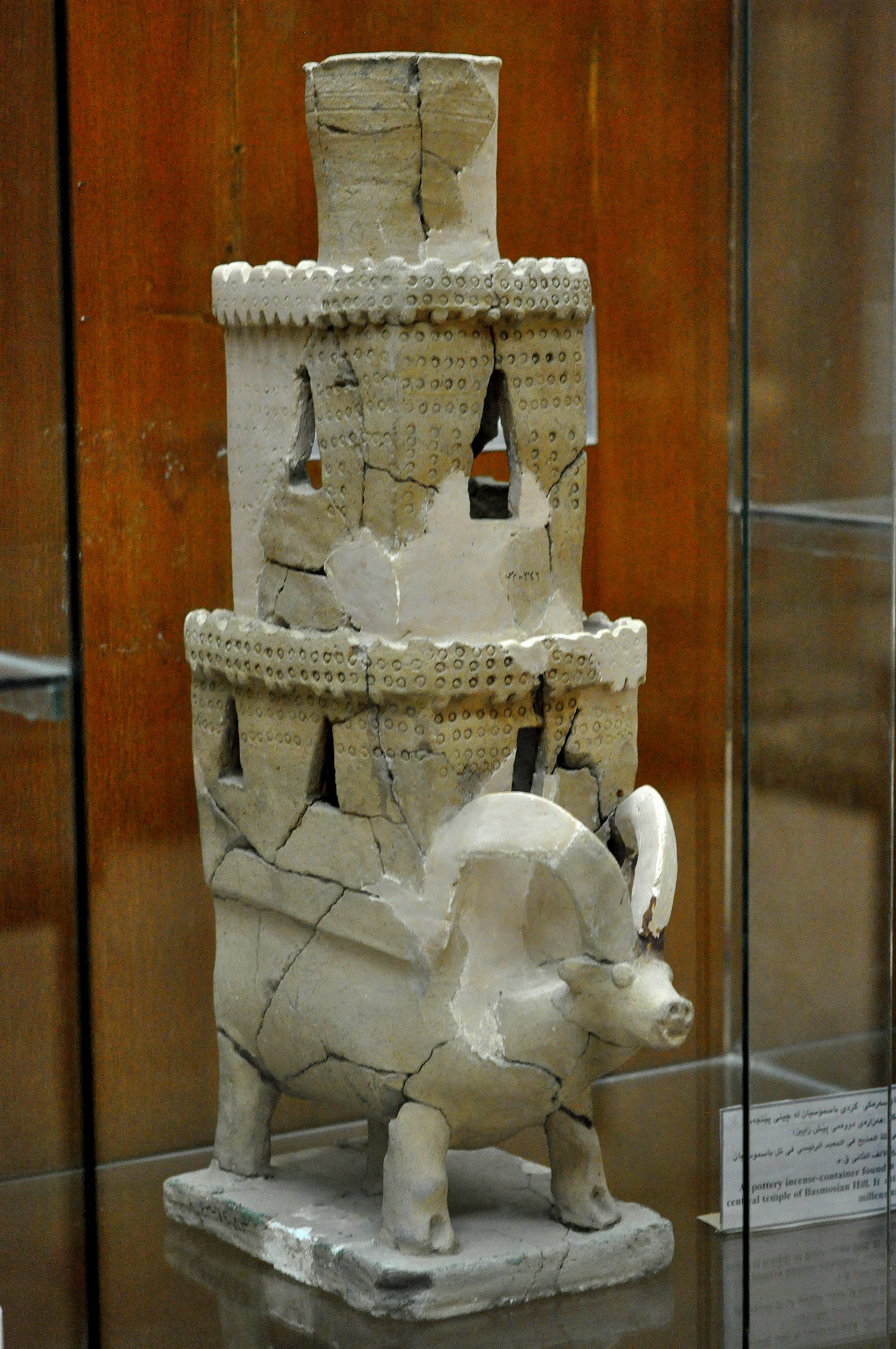
Tell Bazmusian
Large tell site with multi-period occupation.
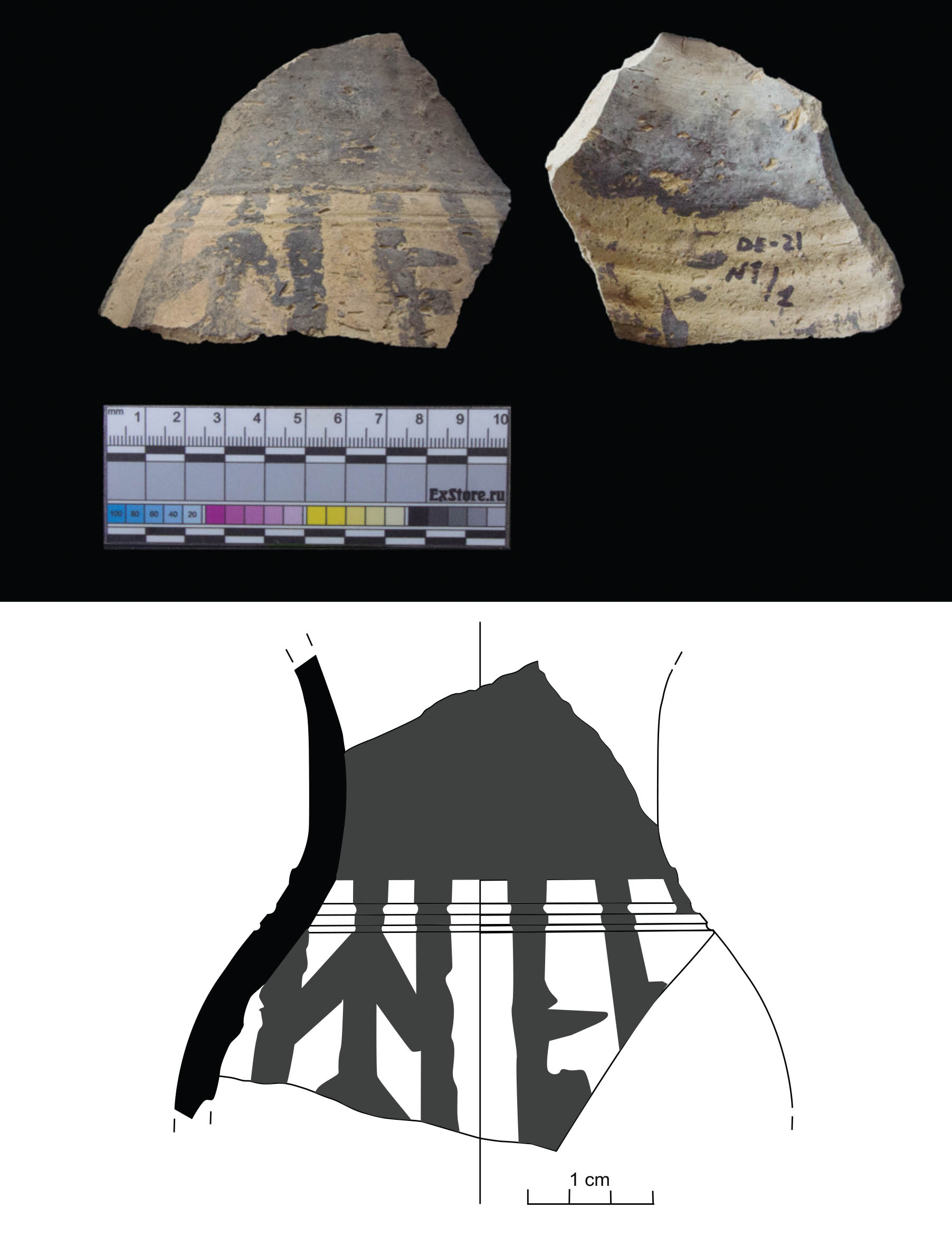
Tell Dehaila
Ancient tell site with mudbrick structures
Tell al-Fakhar
Pottery mound with multi-period occupation.