Explore the Map
Halamata Cave
36.8404° N, 42.9450° E
About
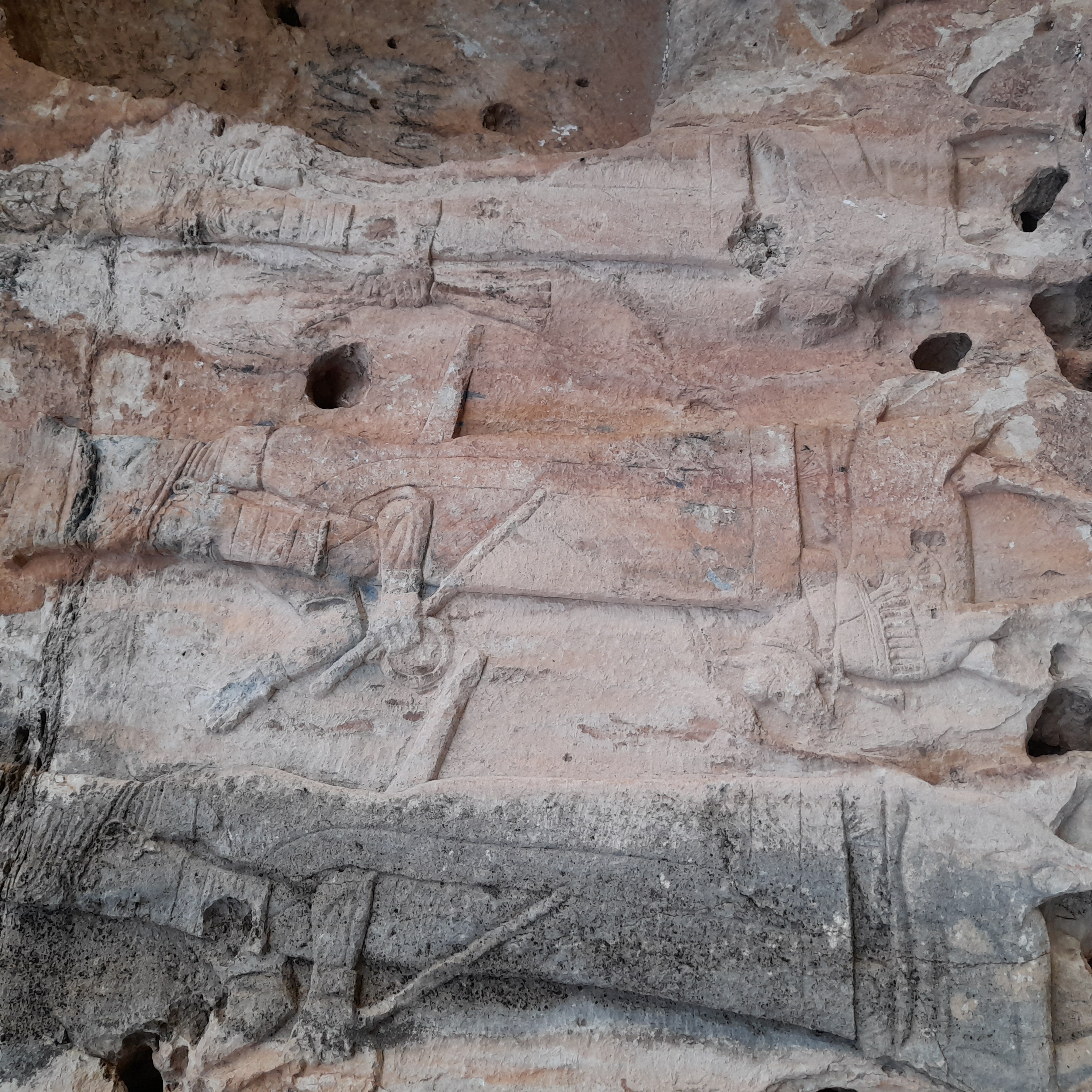
Halamata Cave, located near Duhok in the Kurdistan Region of Iraq, is an archaeological site of significant historical importance. It features the renowned Maltai reliefs, consisting of four Neo-Assyrian bas-reliefs carved into the cliff-side above the village of Malthai. These reliefs, dating from 704 BCE to 681 BCE, depict a procession of nine figures, including the Assyrian king worshipping anthropomorphic deities from the Mesopotamian pantheon. The site is associated with the northern canal system built by the Assyrian king Sennacherib to channel water to Nineveh. The reliefs are unique due to their depiction of human-form deities, unlike other Assyrian royal artworks that feature symbolic representations. Despite recent vandalism and theft, efforts continue to preserve this integral part of Assyrian cultural heritage.
Gallery
Explore photographs of ancient structures, artifacts, and archaeological excavations
Historical Timeline
Journey through time and discover key events in this site's history
Construction of Neo-Assyrian Reliefs
704 BCE - 681 BCE
Archaeological Features
Unique architectural and cultural elements found at this historical site
Artistic and Decorative Features
Environmental and Natural Features
Frequently Asked Questions
Plan Your Visit
Tours, travel arrangements, and practical information
More Sites in Iraq
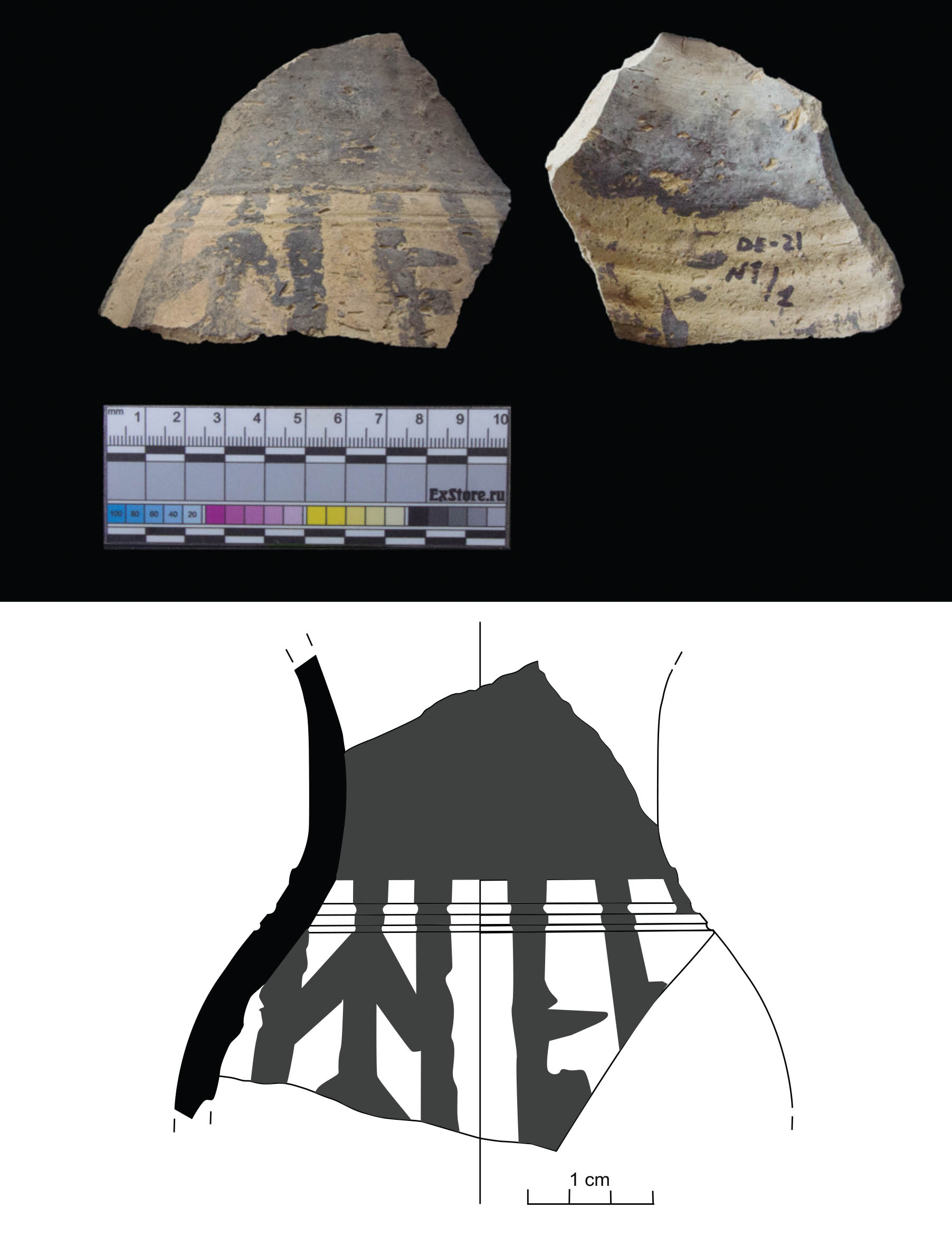
Tell Dehaila
Ancient tell site with mudbrick structures
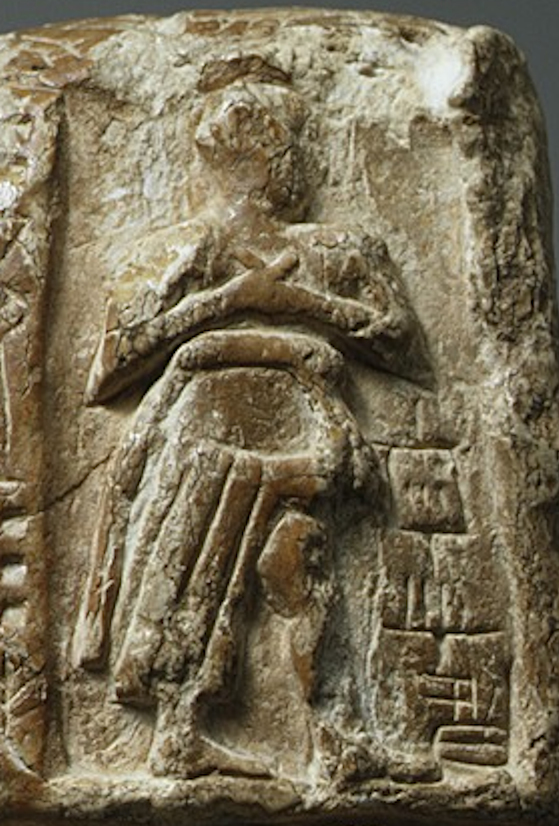
Larsa
Sumerian city-state and temple complex, Isin–Larsa period
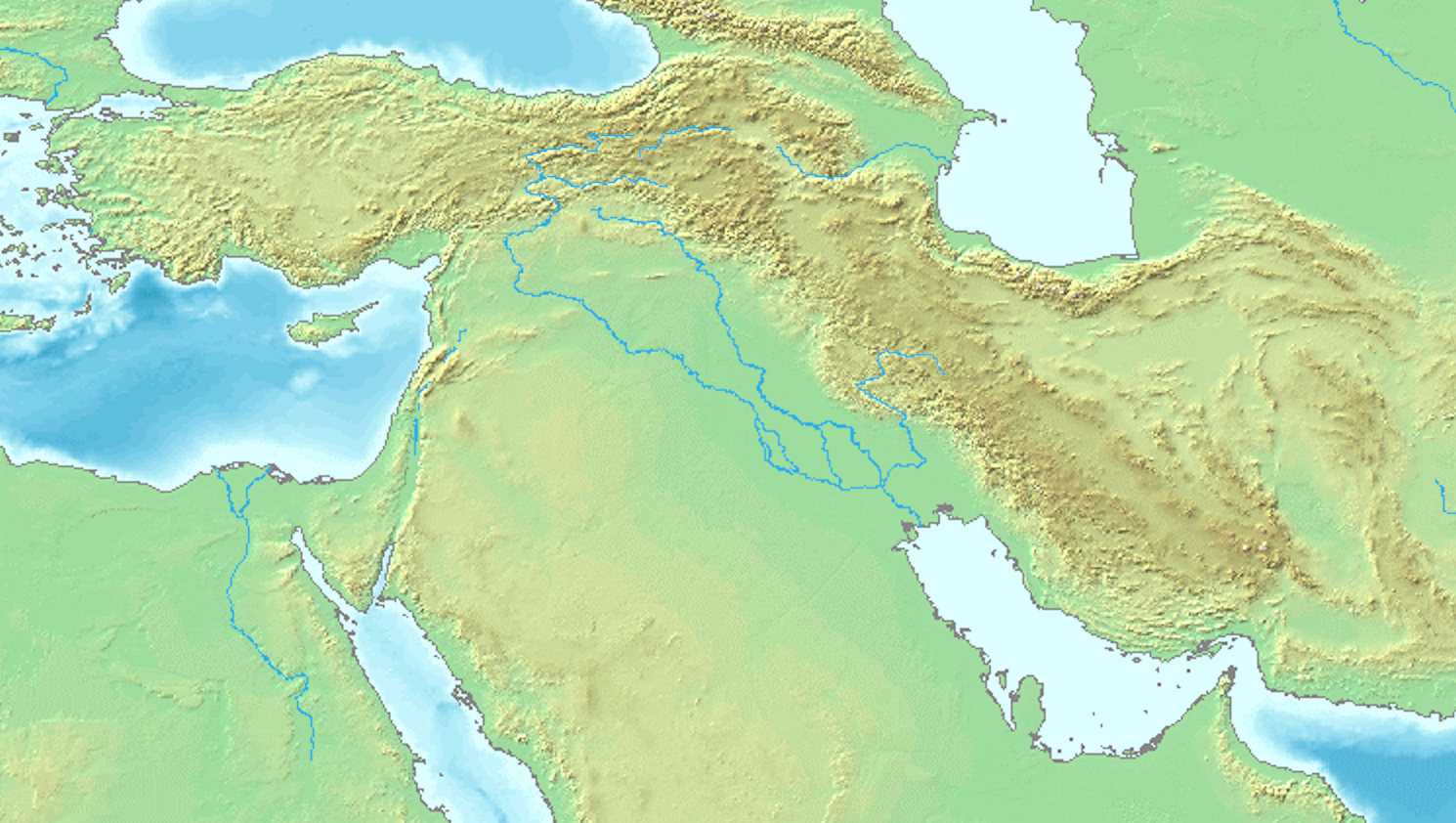
Tell al-Fakhar
Pottery mound with multi-period occupation.
Tell Taya
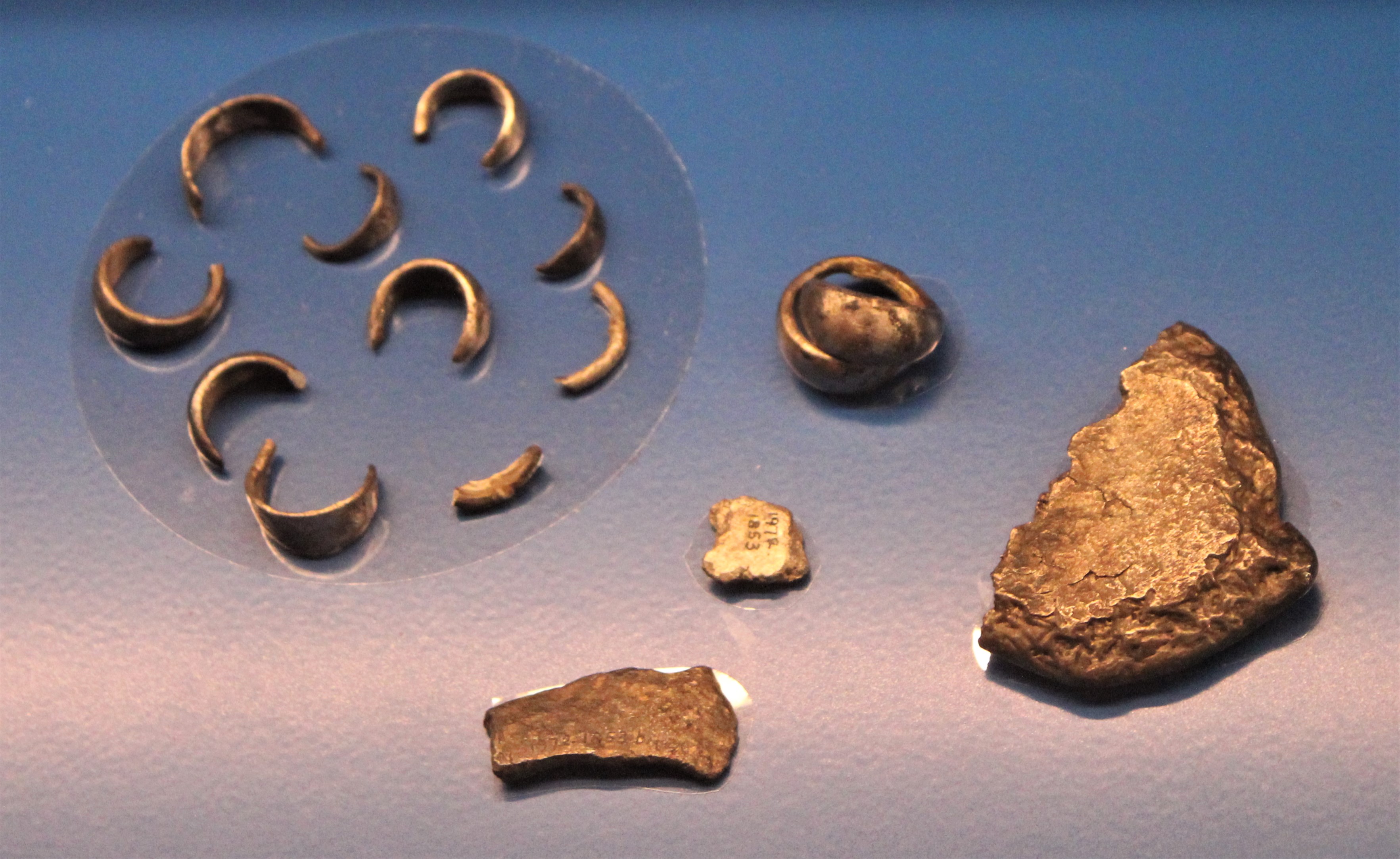
Ancient hill city with fortifications and artifacts.
Tarbisu
Ancient Assyrian city with palaces and temples
Tell Yelkhi
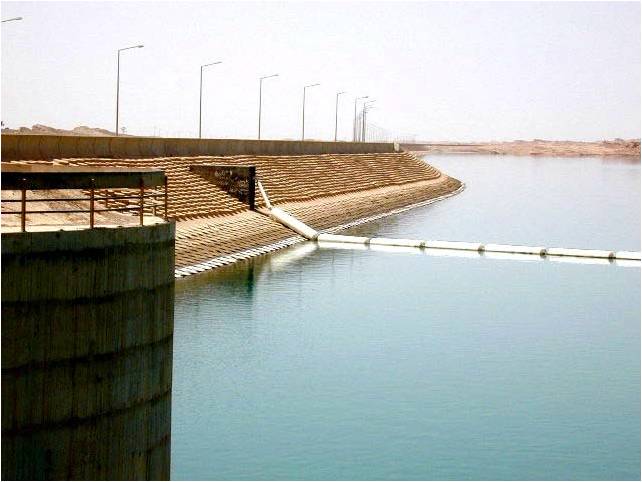
Oval mound with Kassite and earlier remains.