Explore the Map
Haradum
34.4333° N, 41.6000° E
About
Haradum, also known as Khirbit ed-Diniye, was a strategically located ancient city in the Near East, situated on the middle Euphrates River. The city was initially settled under the control of Eshnunna and became a notable settlement under the First Dynasty of Babylon during the 18th century BCE. Haradum is one of the earliest examples of urban planning, with a rectilinear layout and straight streets, featuring two temples dedicated to Ishtar and Adad. Noteworthy defensive structures include its fortification walls and later the Neo-Assyrian fortress built on the site. The archaeological site, covering approximately 1.5 hectares, has provided significant insights into the domestic, religious, and military aspects of ancient Mesopotamian life, with numerous cuneiform tablets found documenting everyday activities and divination practices.
Historical Timeline
Journey through time and discover key events in this site's history
Settlement under Eshnunna
c. 1800 BCE
Development under Babylon
c. 1750 BCE
Neo-Assyrian Fortress
c. 1100-700 BCE
Loss and regain of control
c. 1749-1712 BCE
Archaeological Features
Unique architectural and cultural elements found at this historical site
Defensive Structures
Burial and Funerary Structures
Religious and Ritual Structures
Domestic and Habitation Structures
Frequently Asked Questions
Plan Your Visit
Tours, travel arrangements, and practical information
More Sites in Iraq
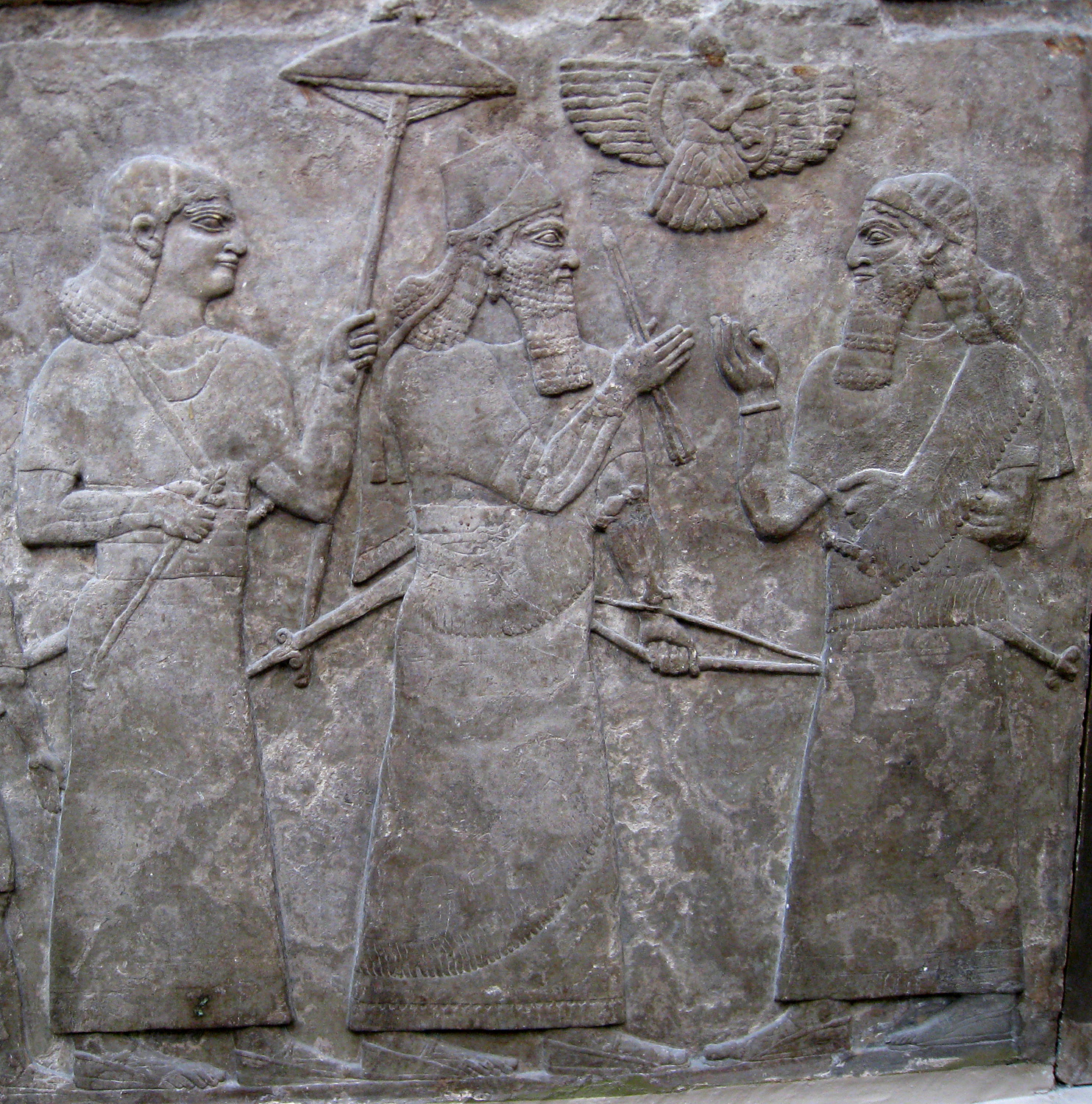
Assur
Ancient Assyrian city on the Tigris River
Tarbisu
Ancient Assyrian city with palaces and temples
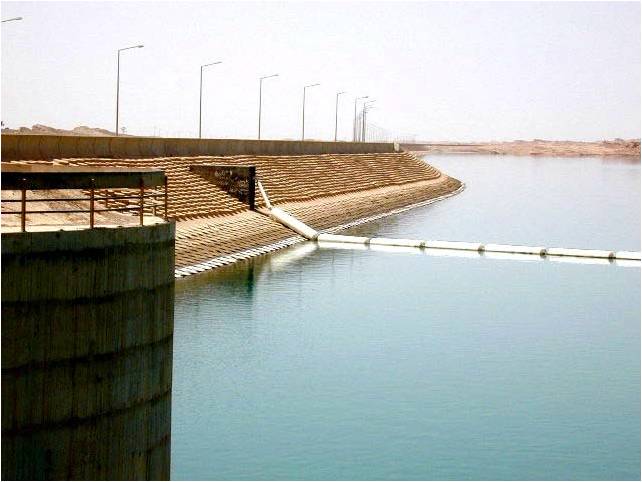
Tell Yelkhi
Oval mound with Kassite and earlier remains.
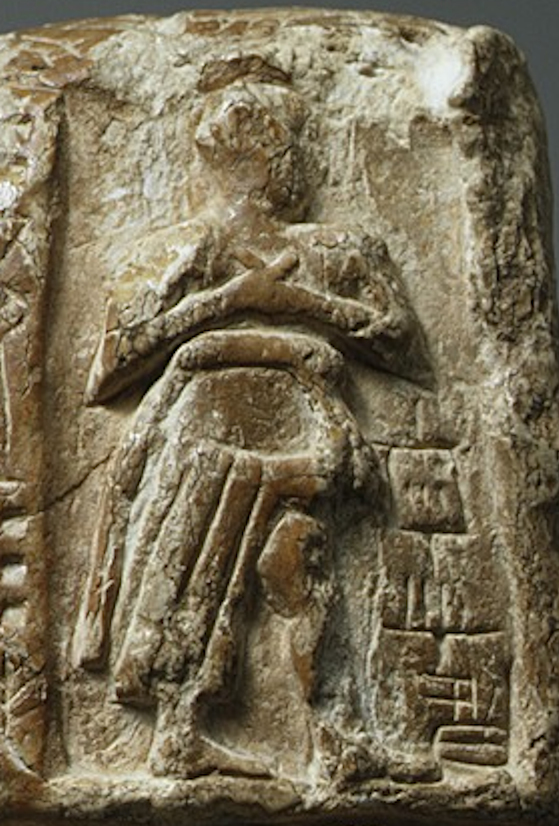
Larsa
Sumerian city-state and temple complex, Isin–Larsa period
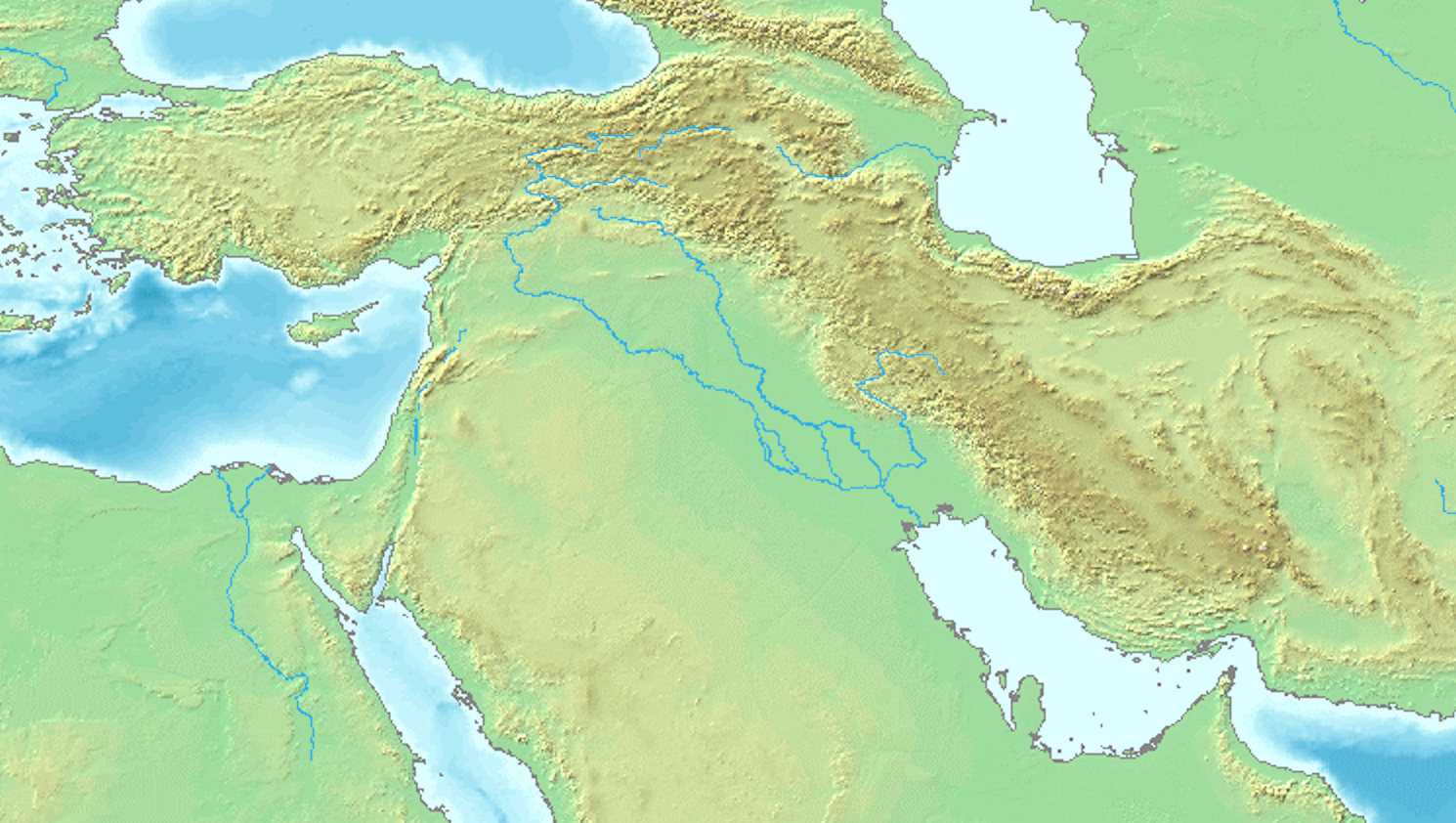
Tell al-Fakhar
Pottery mound with multi-period occupation.
Tell al-Lahm
Oblong mound with city wall remnants