
Explore the Map
Hatra
35.5881° N, 42.7183° E
About
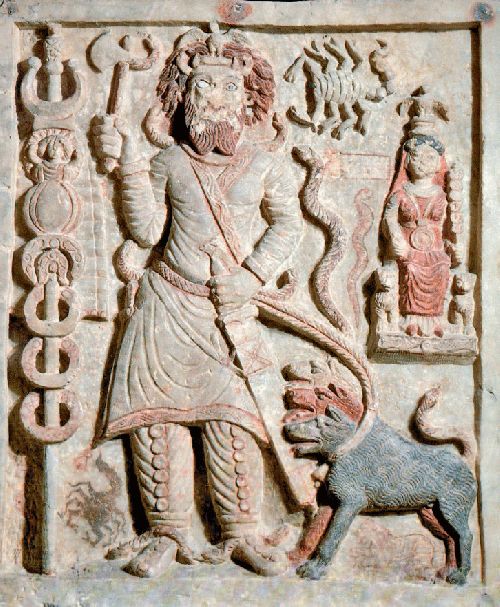
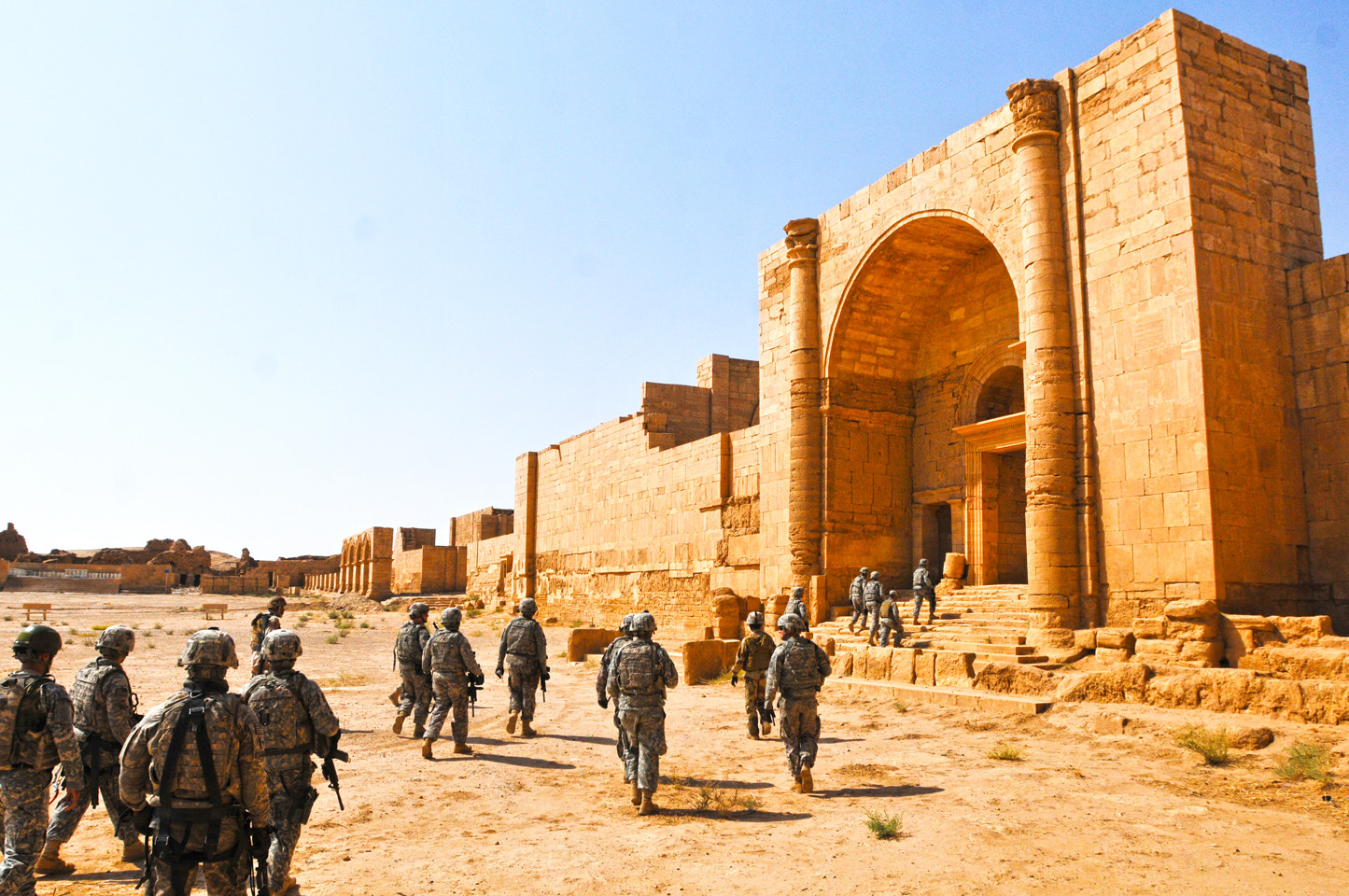
Hatra was a significant fortified city in Upper Mesopotamia, located in present-day Iraq, known for its rich architectural and cultural heritage from the Parthian Empire. Flourishing in the 2nd century CE, it served as a key religious and trading hub, strategically positioned between the Roman and Parthian/Sasanian empires. The city is notable for its circular plan fortified by defensive walls and towers, and its remarkable fusion of architectural styles and religious traditions, incorporating elements from Greek, Mesopotamian, and Arabian cultures. Hatra's temples, particularly the impressive Great Temple, housed deities from various pantheons. Despite its resilience against Roman sieges, Hatra fell to the Sassanid Empire in the 3rd century CE, marking the end of its prominence.
Gallery
Explore photographs of ancient structures, artifacts, and archaeological excavations
Historical Timeline
Journey through time and discover key events in this site's history
Flourishing under Parthians
100 CE
Sieges repulsed by Romans
116/117 CE, 198/199 CE
Battle with Sassanids
238 CE
Destruction by Shapur I
241 CE
Archaeological Features
Unique architectural and cultural elements found at this historical site
Defensive Structures
Religious and Ritual Structures
Artistic and Decorative Features
Domestic and Habitation Structures
Frequently Asked Questions
Plan Your Visit
Tours, travel arrangements, and practical information
More Sites in Iraq
Larsa
Sumerian city-state and temple complex, Isin–Larsa period
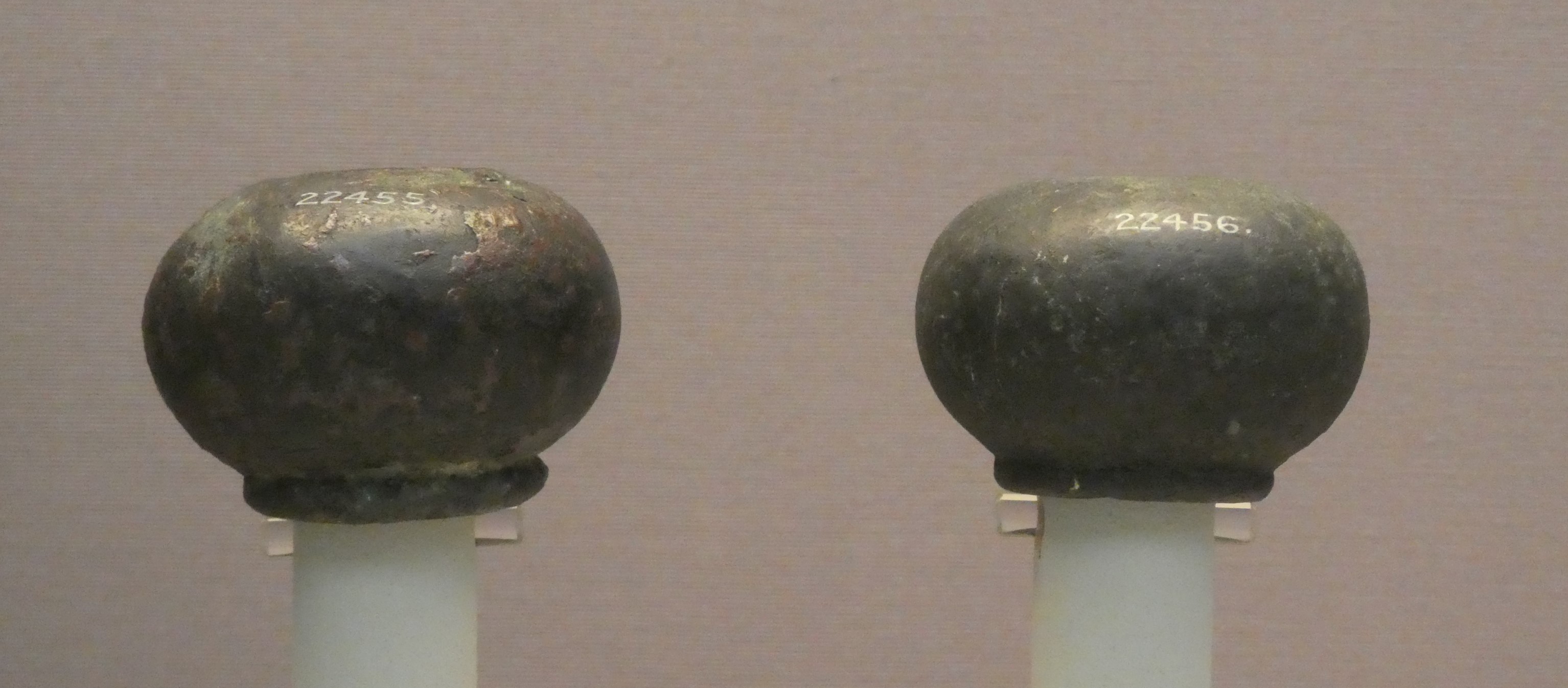
Tell Muhammad
Ancient site with fortifications and tablets
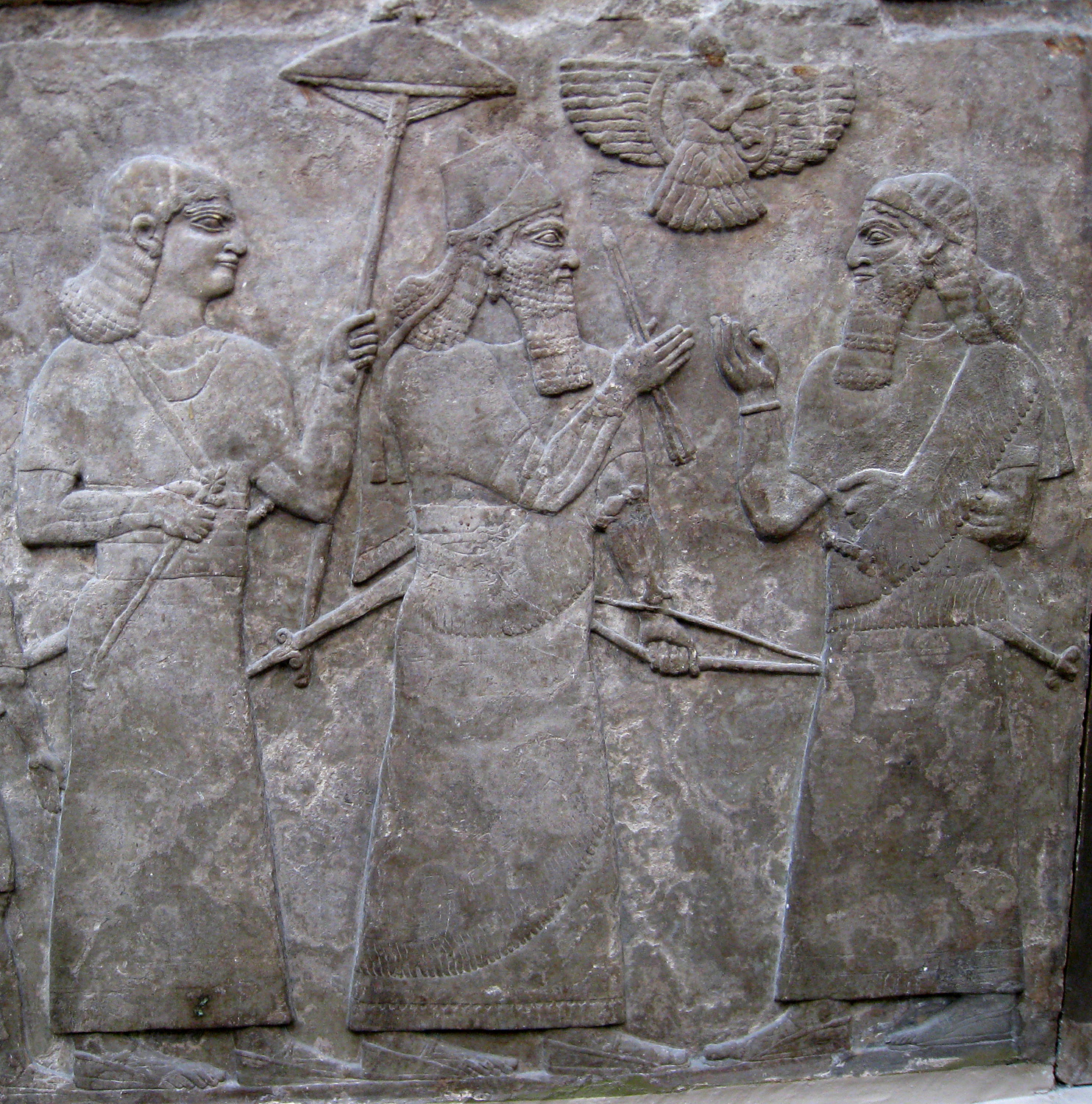
Assur
Ancient Assyrian city on the Tigris River
Tell al-Lahm
Oblong mound with city wall remnants
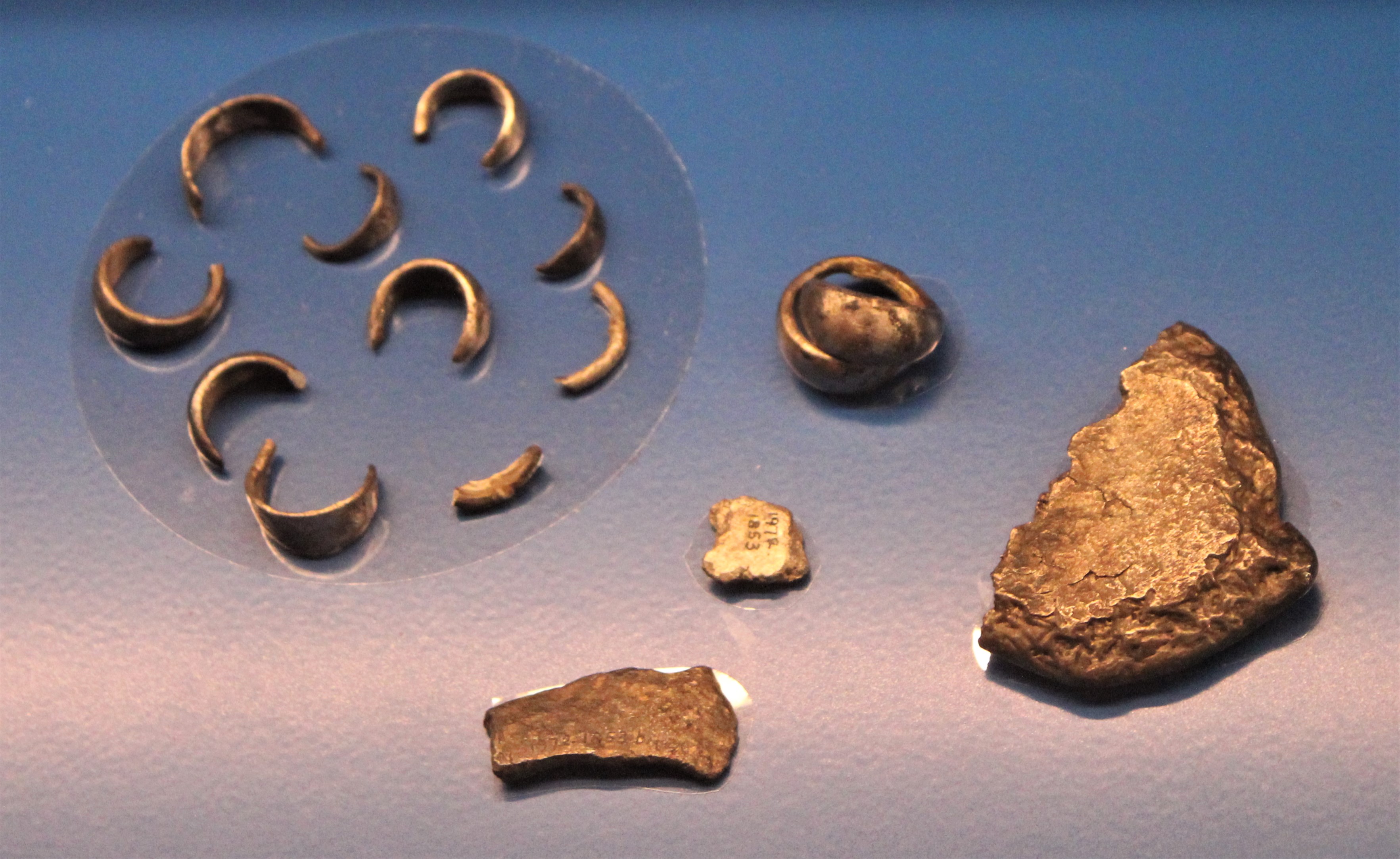
Tell Taya
Ancient hill city with fortifications and artifacts.
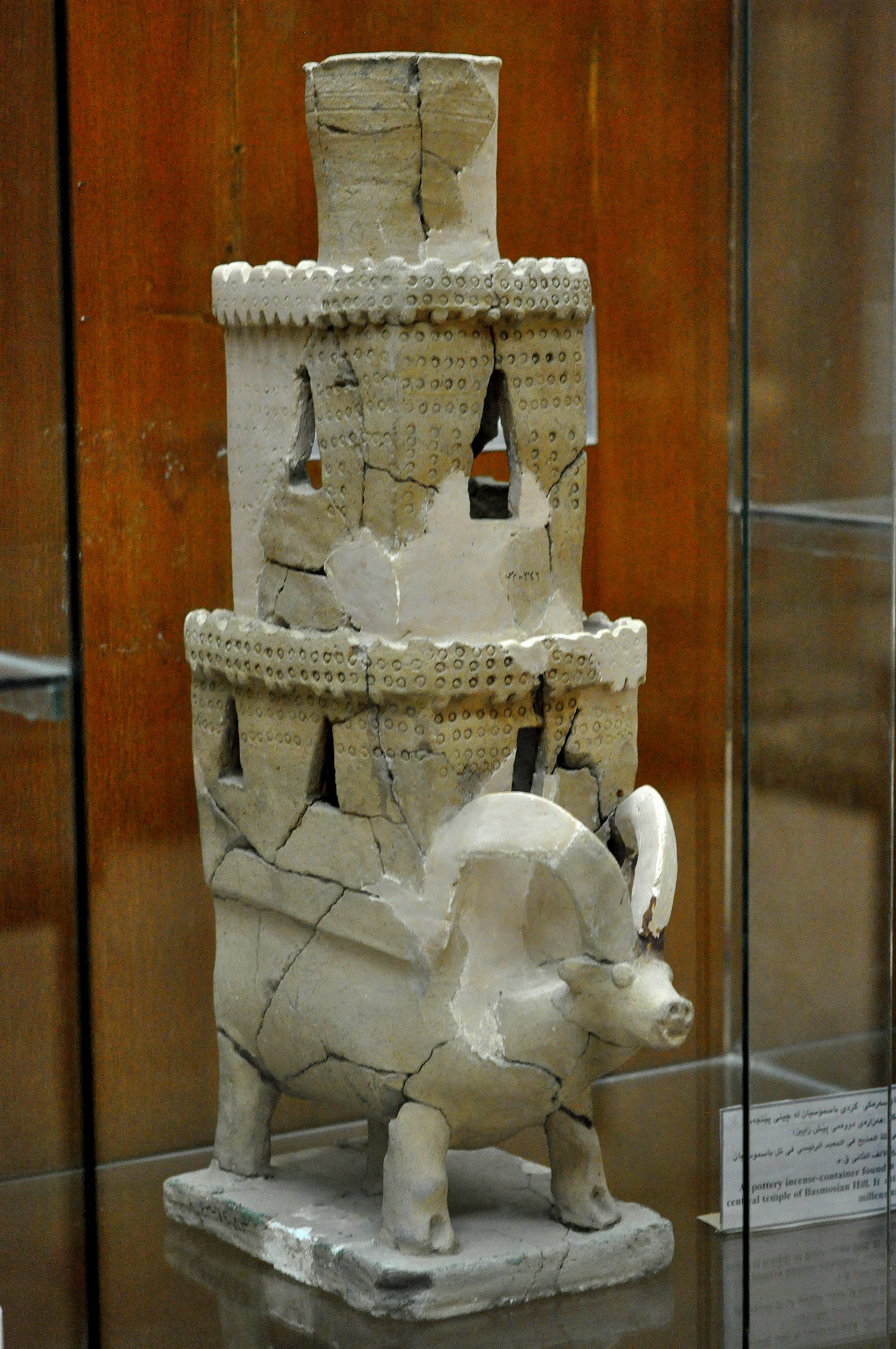
Tell Bazmusian
Large tell site with multi-period occupation.