Explore the Map
Tell Muhammad
33.3000° N, 44.4694° E
About
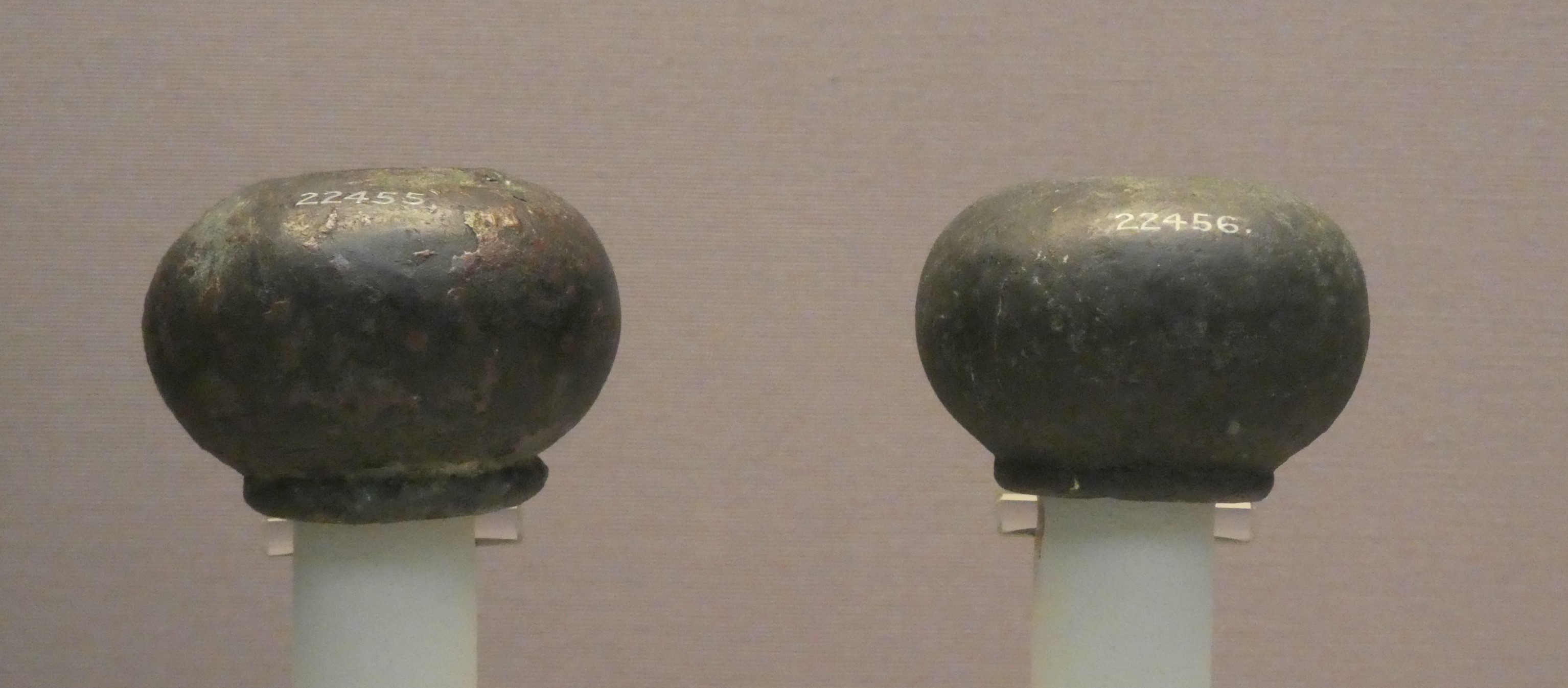
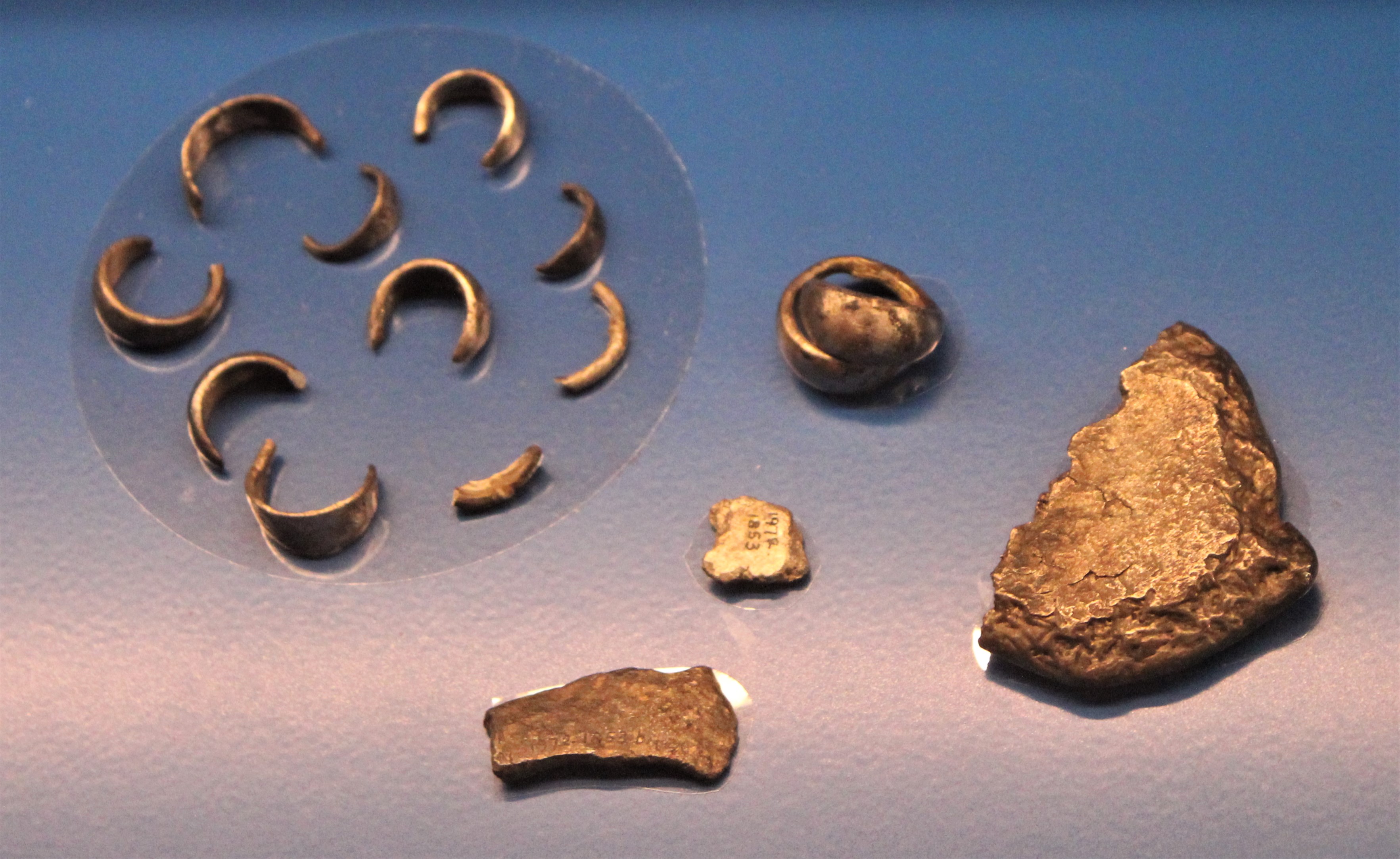
Tell Muhammad is a significant archaeological site located near Baghdad along the Tigris River. It covers approximately 5 hectares today, originally spanning around 25 hectares, and features a partially preserved fortification wall. The site reveals occupation from the Ur III period through to the Kassite period, with major findings from the Old Babylonian period. Artifacts include bronze mace heads inscribed with Hammurabi's name, Old Babylonian period cuneiform tablets detailing commercial transactions, and a variety of terracotta items. Excavations have uncovered levels dating back to the Middle and Late Bronze Age, providing insights into the transition from Babylonian to Kassite control. Recent efforts to preserve and study the site have unearthed additional artifacts, emphasizing its historical and cultural importance.
Gallery
Explore photographs of ancient structures, artifacts, and archaeological excavations
Historical Timeline
Journey through time and discover key events in this site's history
Occupation from Ur III to Kassite
21st century BCE to 12th century BCE
Old Babylonian Period
19th century BCE to 16th century BCE
Kassite Period Transition
16th century BCE
Archaeological Features
Unique architectural and cultural elements found at this historical site
Defensive Structures
Miscellaneous Features
Public and Civic Structures
Burial and Funerary Structures
Artistic and Decorative Features
Frequently Asked Questions
Plan Your Visit
Tours, travel arrangements, and practical information
More Sites in Iraq
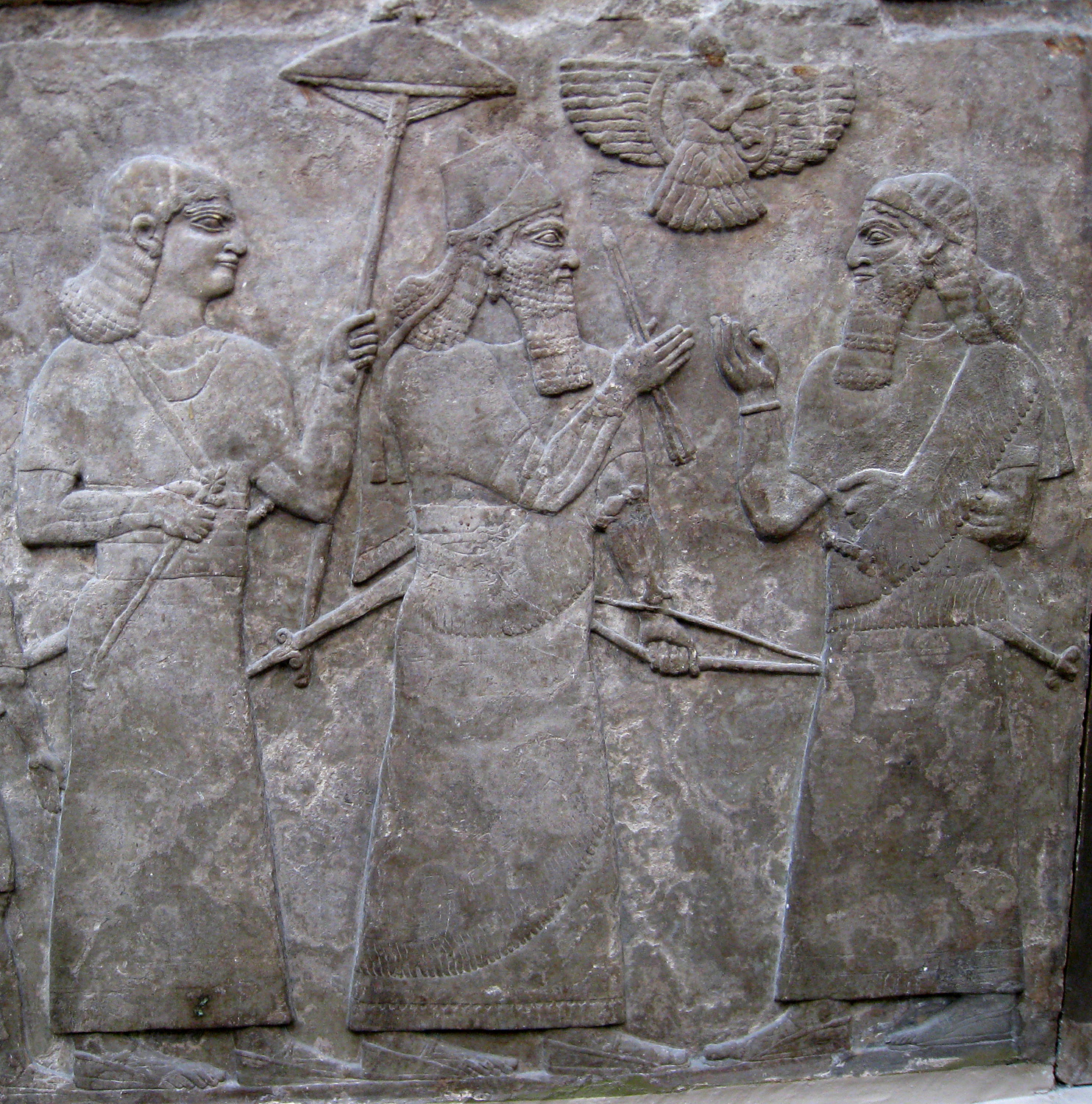
Assur
Ancient Assyrian city on the Tigris River
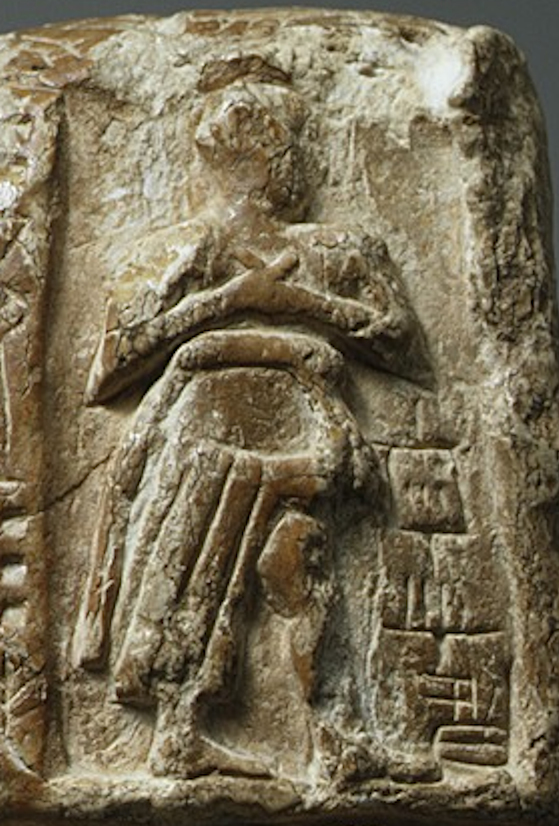
Larsa
Sumerian city-state and temple complex, Isin–Larsa period
Tell al-Lahm
Oblong mound with city wall remnants
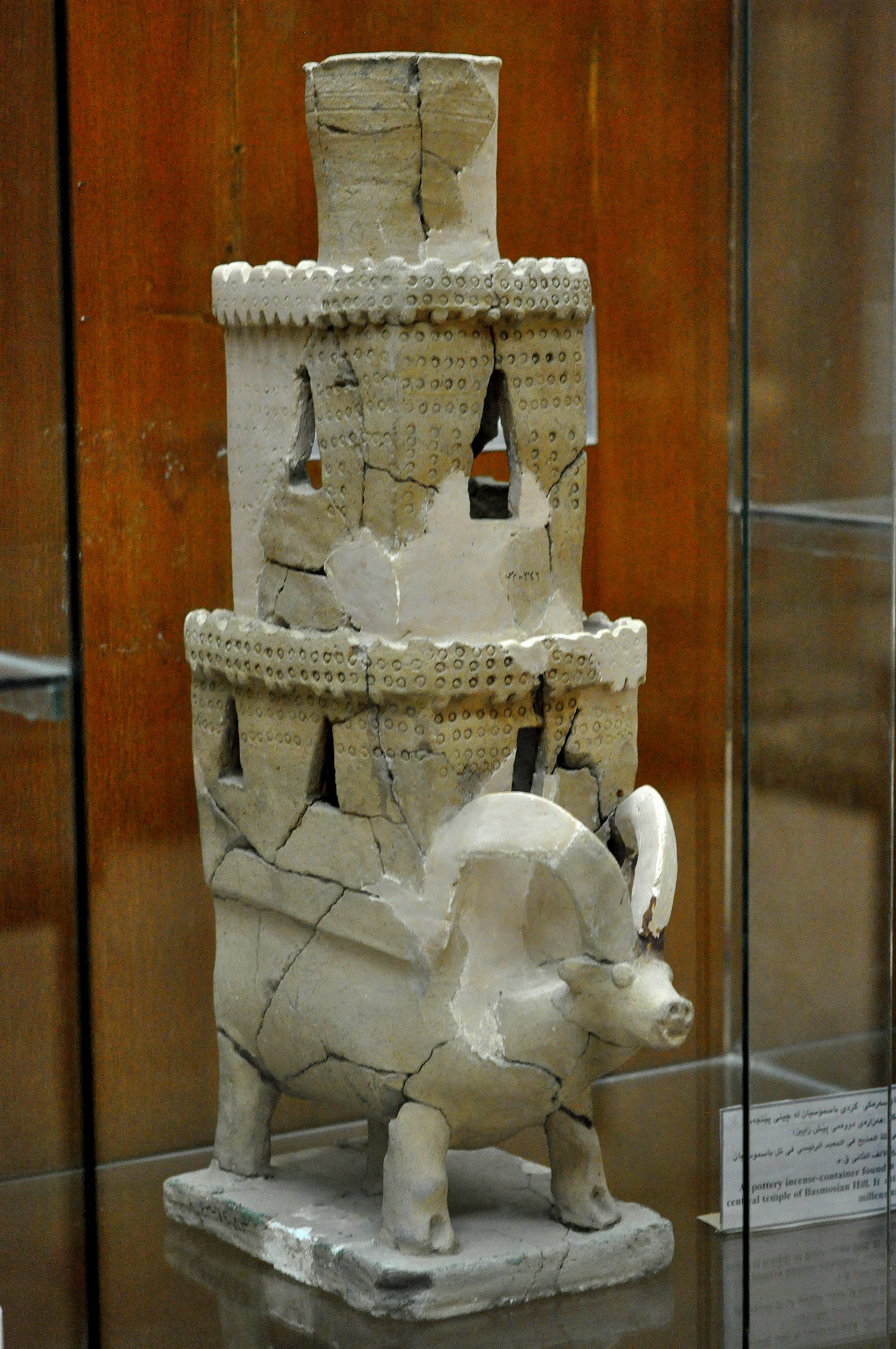
Tell Bazmusian
Large tell site with multi-period occupation.
Tell Taya
Ancient hill city with fortifications and artifacts.
Tell al-Fakhar
Pottery mound with multi-period occupation.