Explore the Map
Jerwan
36.6697° N, 43.3936° E
About
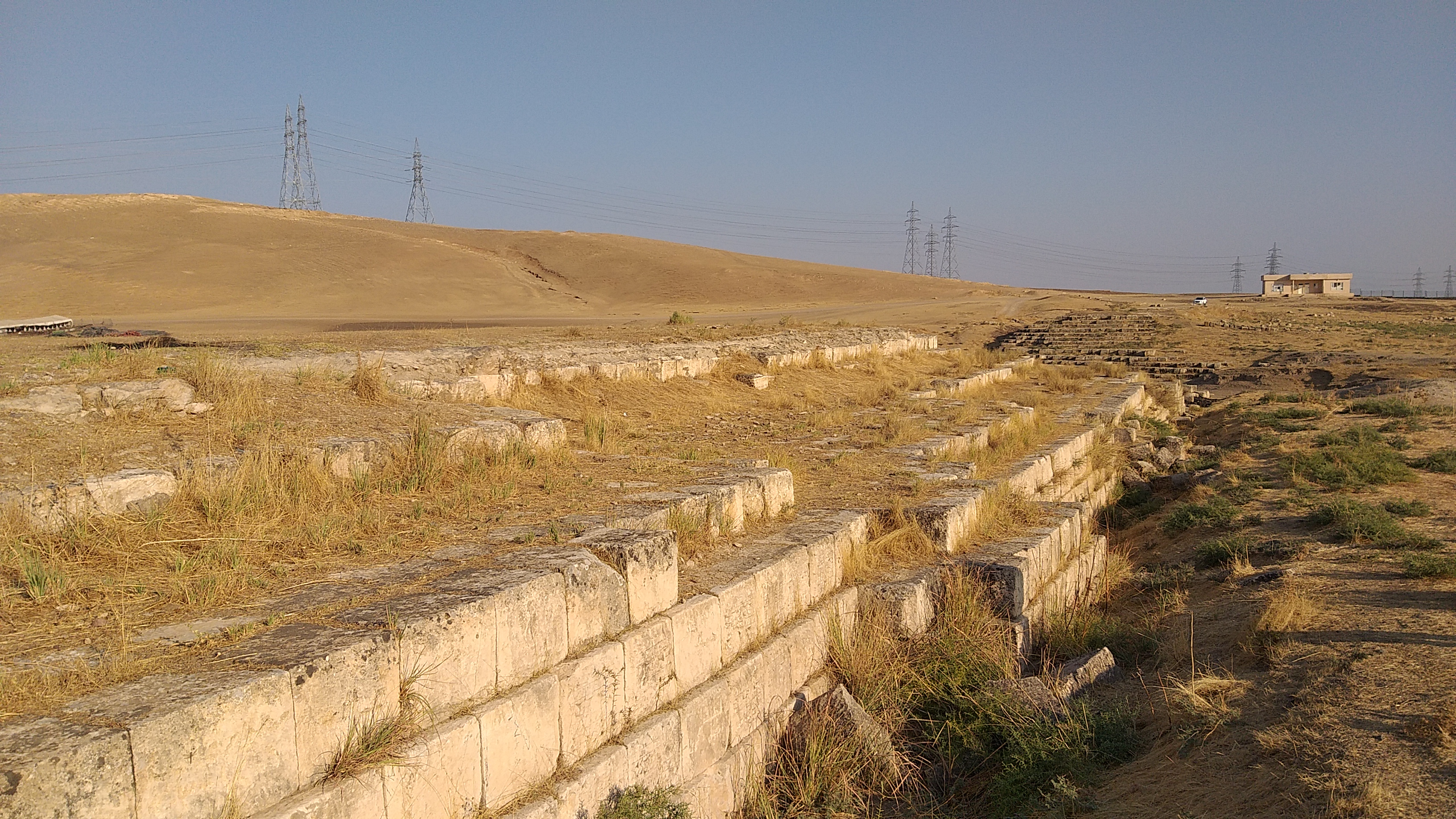
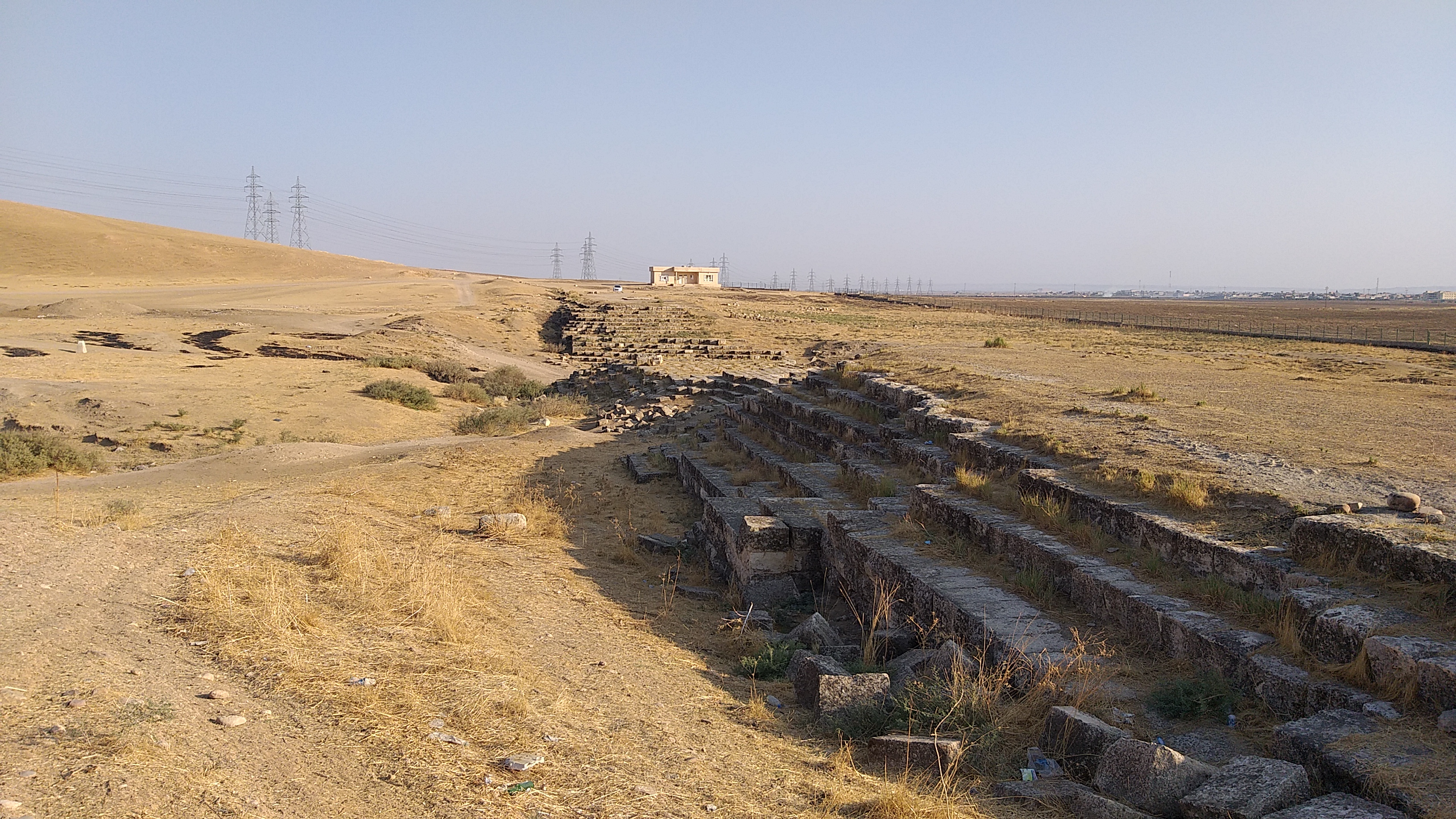
The Jerwan site, located north of Mosul in Iraq's Nineveh Province, is renowned for its ancient aqueduct, believed to be the oldest in the world. Built by the Assyrian king Sennacherib between 703 and 690 BCE, this aqueduct was part of the Atrush Canal designed to irrigate the extensive gardens of Nineveh. Remarkably constructed using over two million dressed stones, stone arches, and waterproof cement, the aqueduct represents a significant feat of engineering from the Early Iron Age. The site's inscriptions bear testament to its historical importance, and some scholars suggest that the legendary Hanging Gardens of Babylon may have been inspired by Sennacherib’s gardens. Jerwan provides valuable insights into ancient water management and Assyrian engineering prowess.
Gallery
Explore photographs of ancient structures, artifacts, and archaeological excavations
Historical Timeline
Journey through time and discover key events in this site's history
Construction of Jerwan Aqueduct
703 BCE - 690 BCE
Archaeological Features
Unique architectural and cultural elements found at this historical site
Water Management Features
Artistic and Decorative Features
Agricultural and Land Use Features
Frequently Asked Questions
Plan Your Visit
Tours, travel arrangements, and practical information
More Sites in Iraq
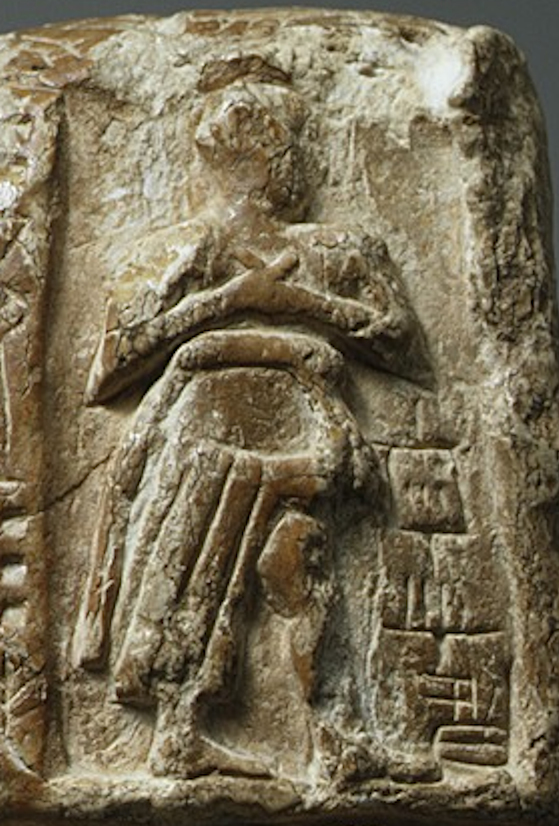
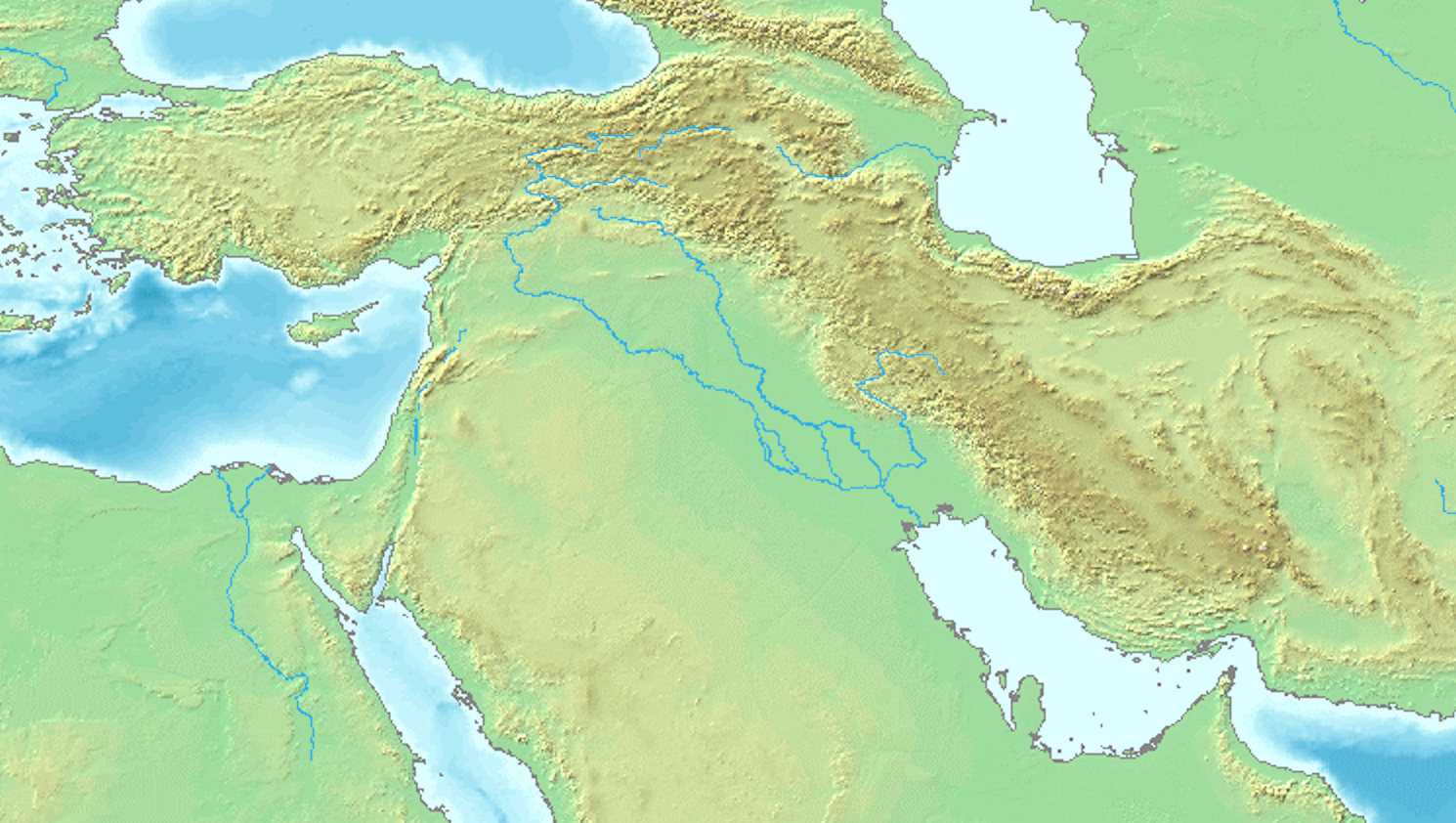
Larsa
Sumerian city-state and temple complex, Isin–Larsa period
Tell al-Fakhar
Pottery mound with multi-period occupation.
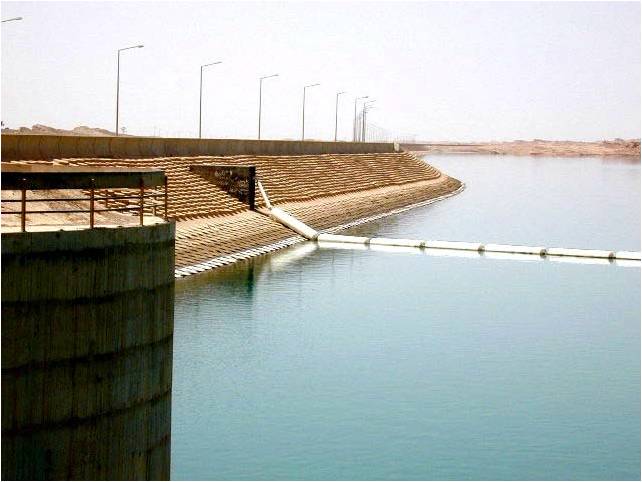
Tell Yelkhi
Oval mound with Kassite and earlier remains.
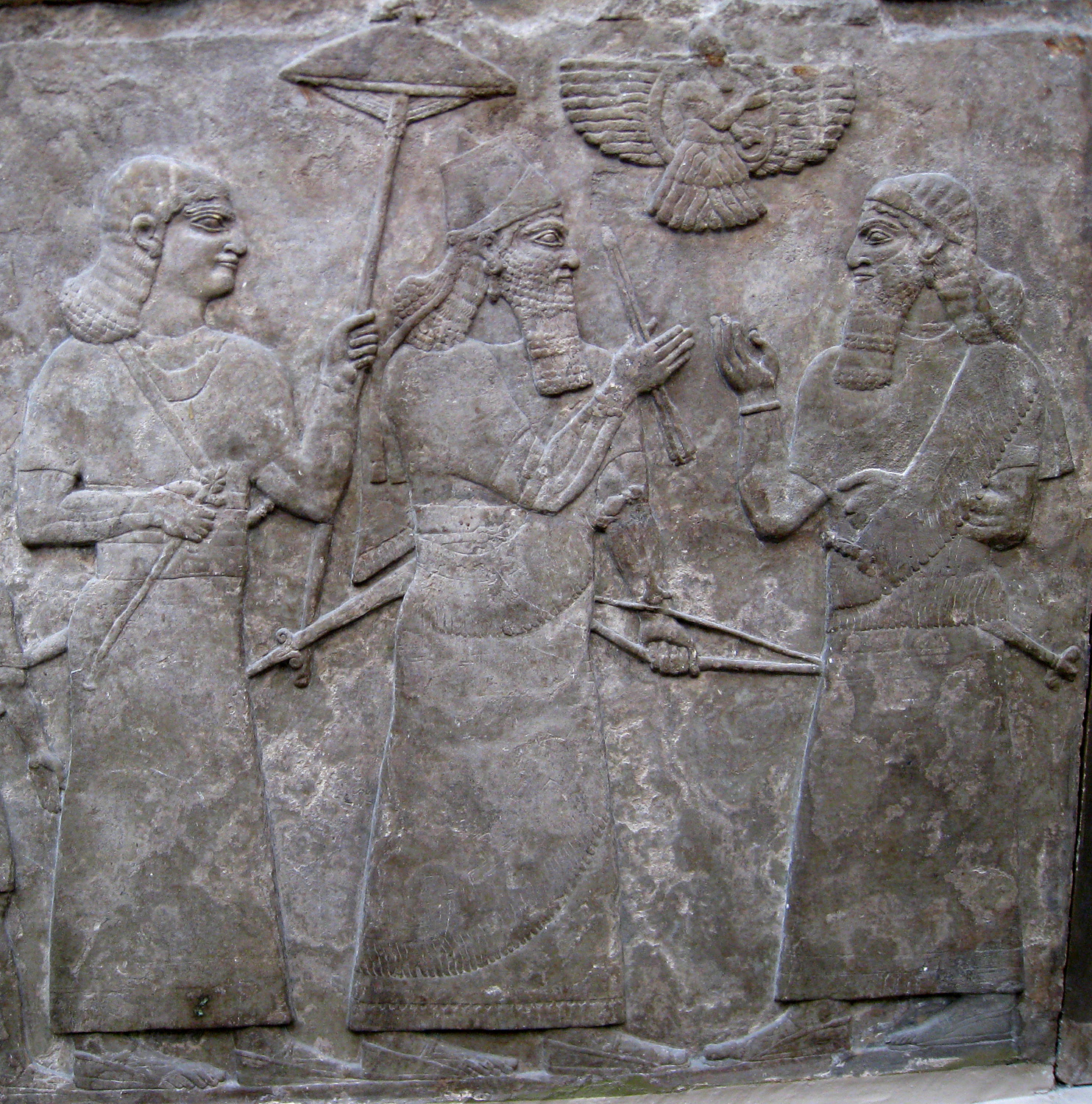
Assur
Ancient Assyrian city on the Tigris River
Tarbisu
Ancient Assyrian city with palaces and temples
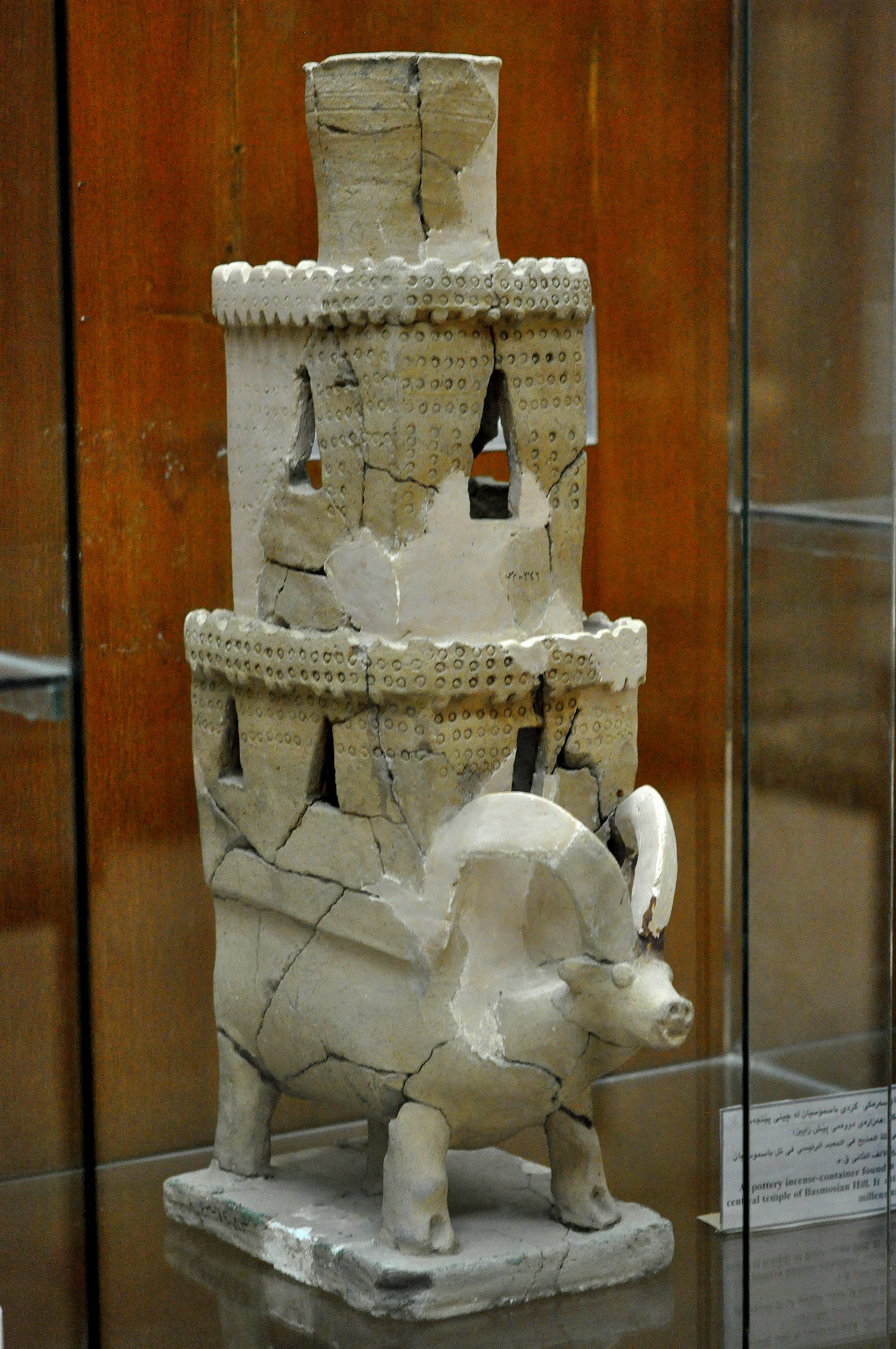
Tell Bazmusian
Large tell site with multi-period occupation.