Explore the Map
Mashkan-shapir
32.2285° N, 45.3068° E
About
Mashkan-shapir, identified with Tell Abu Duwari in Iraq, was an ancient city of considerable archaeological significance. Its unique single-level occupation provides a rare glimpse into distinct historical periods without the overlying complexities of rebuilds. Initially occupied during the Ubaid and Uruk periods, it first appeared epigraphically during the Akkadian period. It gained prominence in the Old Babylonian period when Sin-Iddinam of Larsa constructed its city walls. The site was later abandoned around 1720 BCE during the era of Samsu-iluna, reflecting a regional collapse. A smaller Parthian settlement emerged on the site in the later centuries. The city features notable structures such as temples dedicated to Nergal, defensive walls, and a well-planned water management system with canals, all contributing to its historical and cultural significance.
Historical Timeline
Journey through time and discover key events in this site's history
Uruk period occupation
4th millennium BCE
Ubaid period occupation
4th millennium BCE
Akkadian period appearance
23rd century BCE
Ur III period significance
21st century BCE
Old Babylonian period prominence
1844 BCE
Abandonment during Samsu-iluna reign
1720 BCE
Parthian settlement development
2nd century CE
Archaeological Features
Unique architectural and cultural elements found at this historical site
Defensive Structures
Water Management Features
Burial and Funerary Structures
Religious and Ritual Structures
Domestic and Habitation Structures
Frequently Asked Questions
Plan Your Visit
Tours, travel arrangements, and practical information
More Sites in Iraq
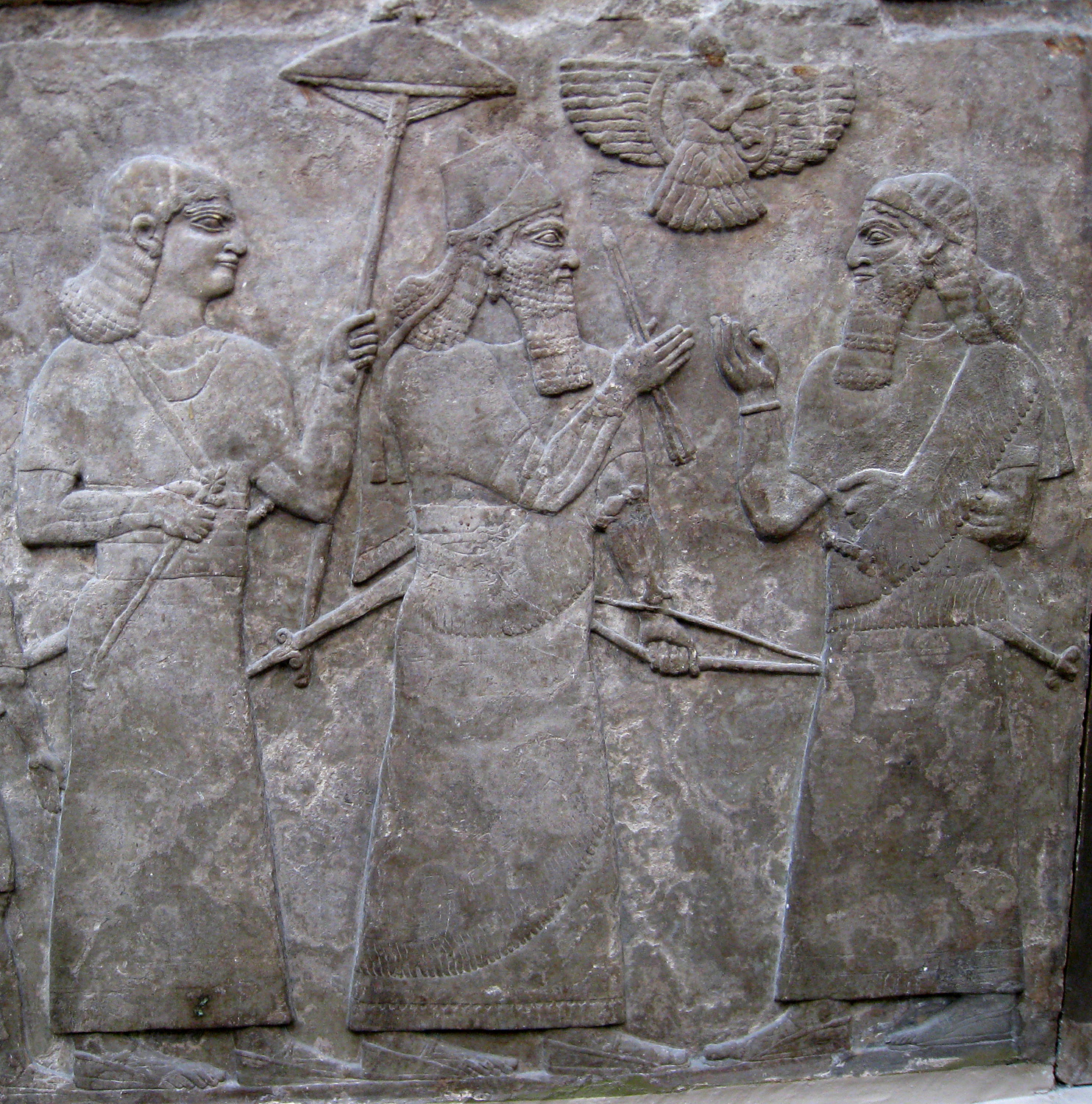
Assur
Ancient Assyrian city on the Tigris River
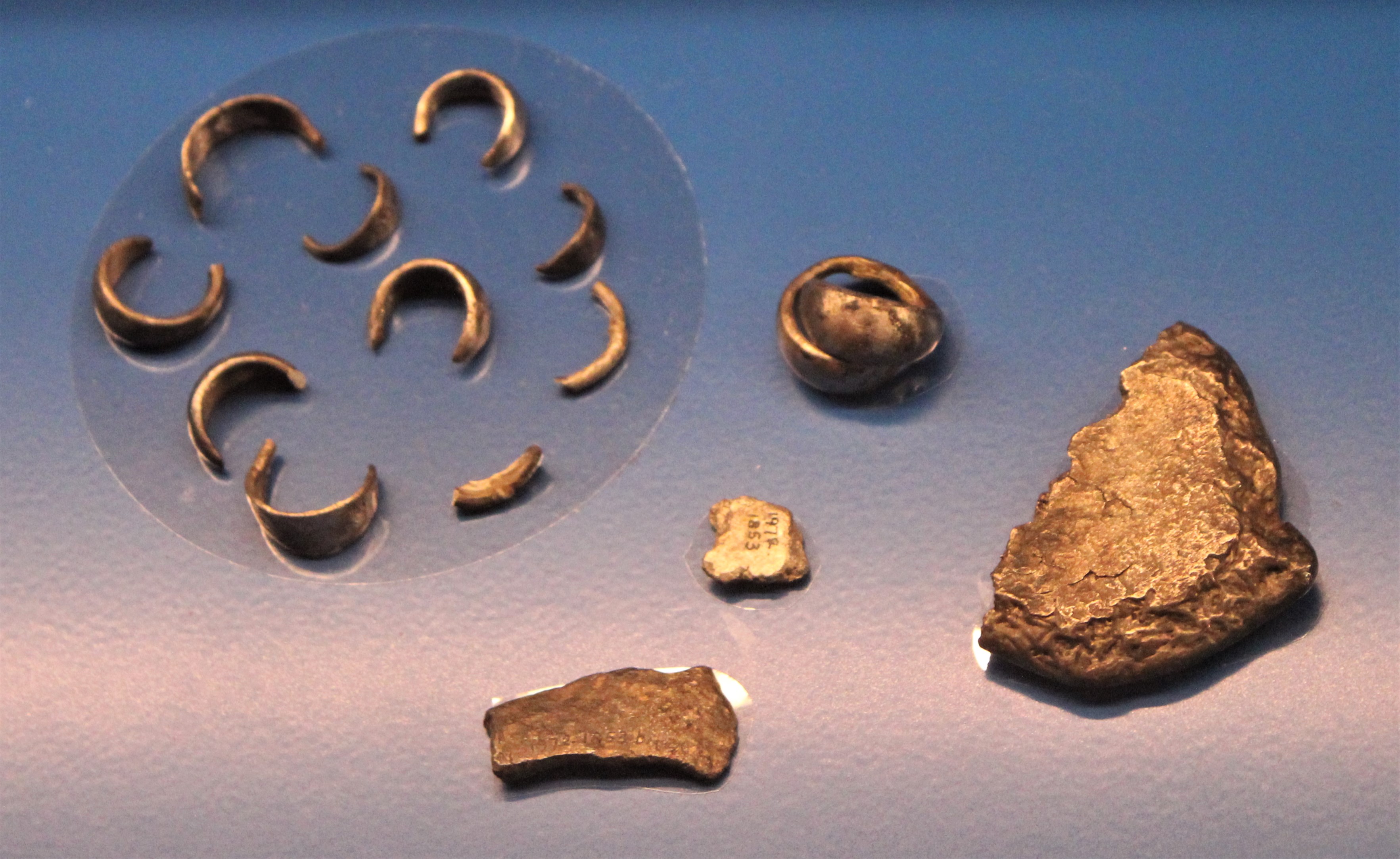
Tell Taya
Ancient hill city with fortifications and artifacts.
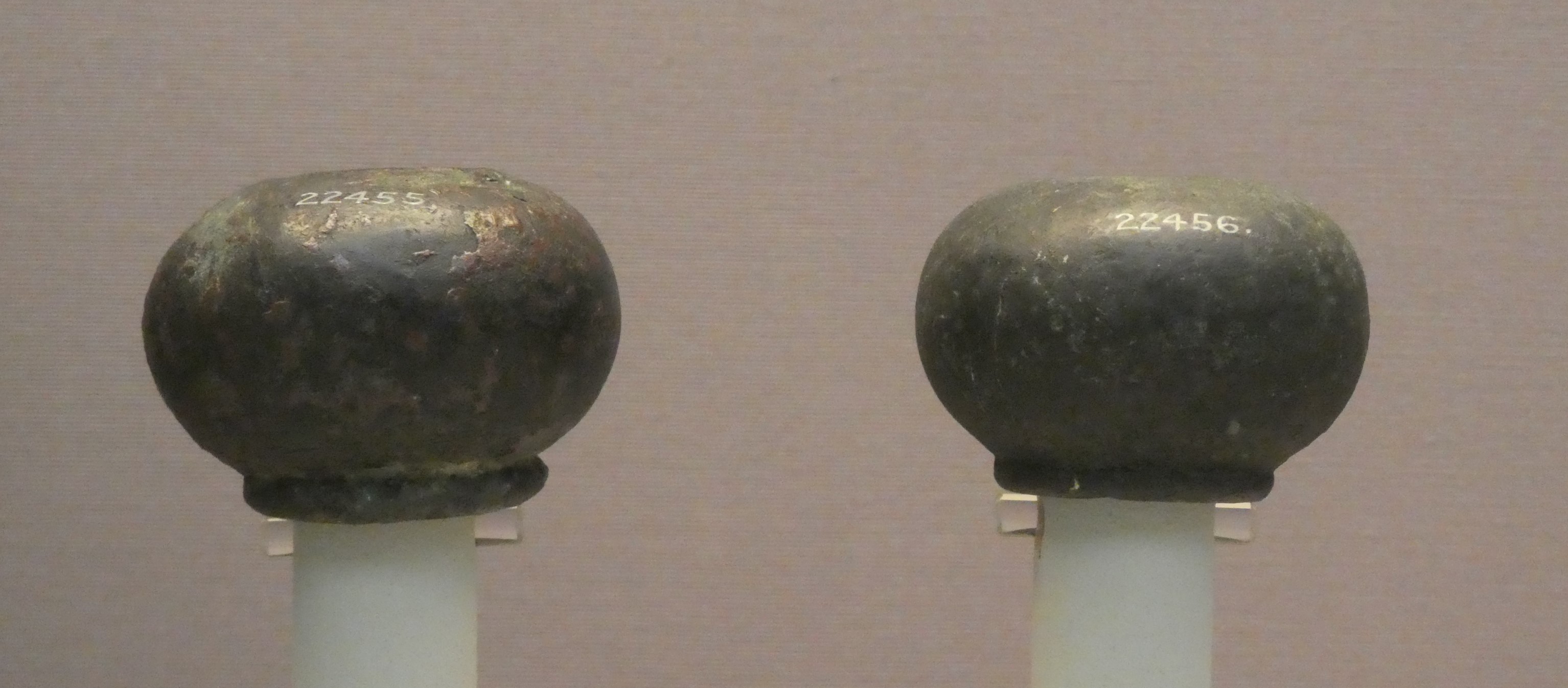
Tell Muhammad
Ancient site with fortifications and tablets
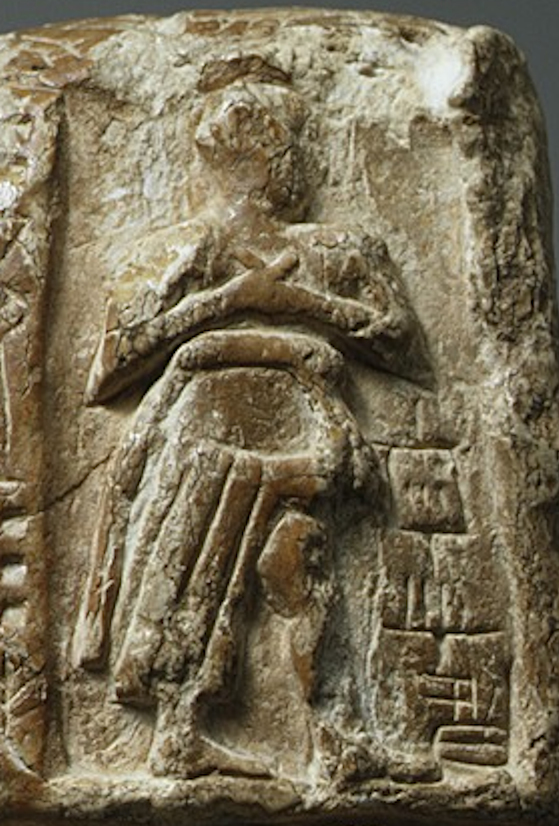
Larsa
Sumerian city-state and temple complex, Isin–Larsa period
Tell al-Lahm
Oblong mound with city wall remnants
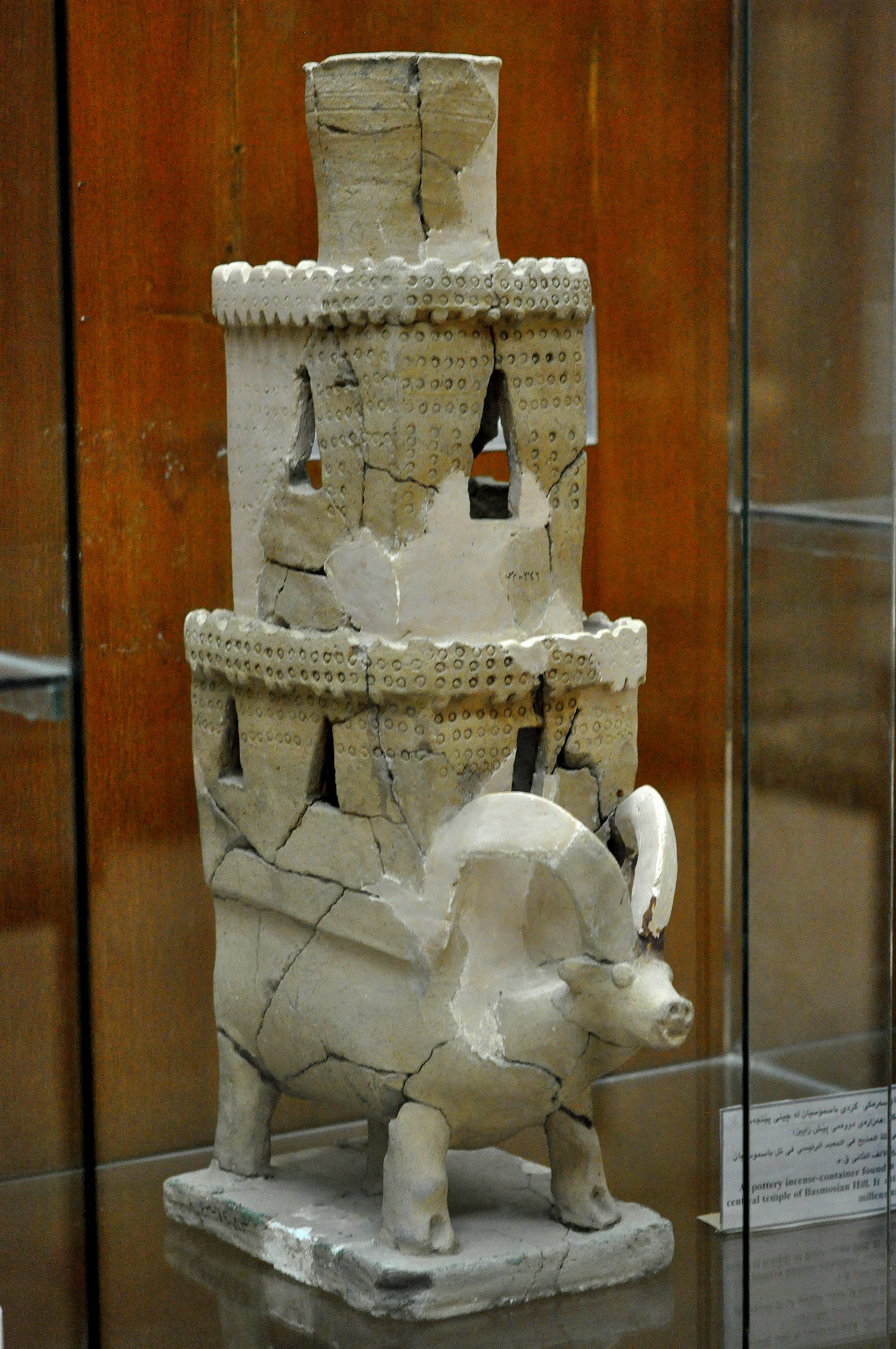
Tell Bazmusian
Large tell site with multi-period occupation.